

Zambezi Region (Caprivi Strip)
Zambezi Region (Caprivi Strip)
Namibia at its most unexpected
Peak time
August to October
Best time to visit
June to October (dry season)
Known for
Being Namibia’s lush, water-rich panhandle
Also known for
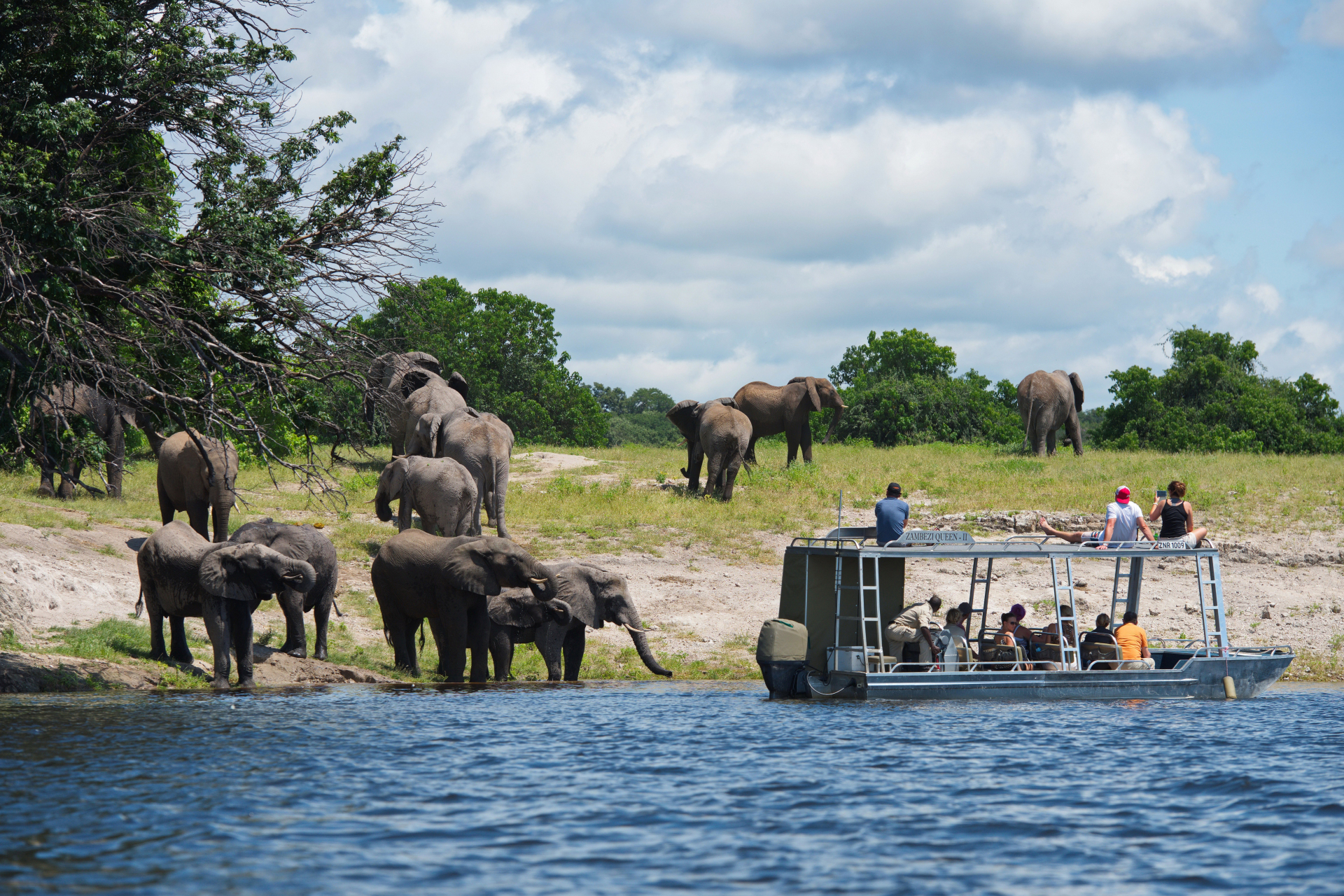
Its free-roaming herds of elephants and buffalo
About the Zambezi Region
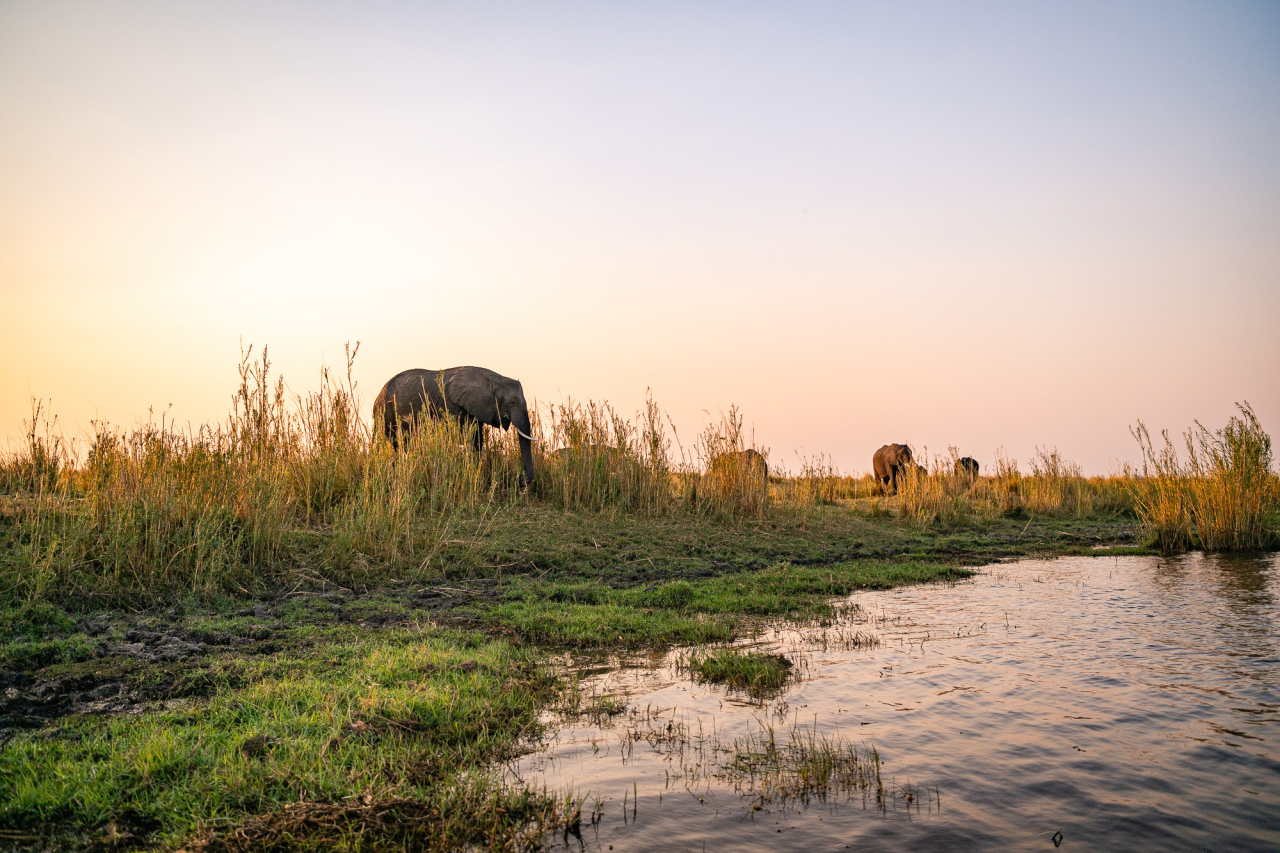
Image courtesy of Chobe Water Villas/OL Leisure.
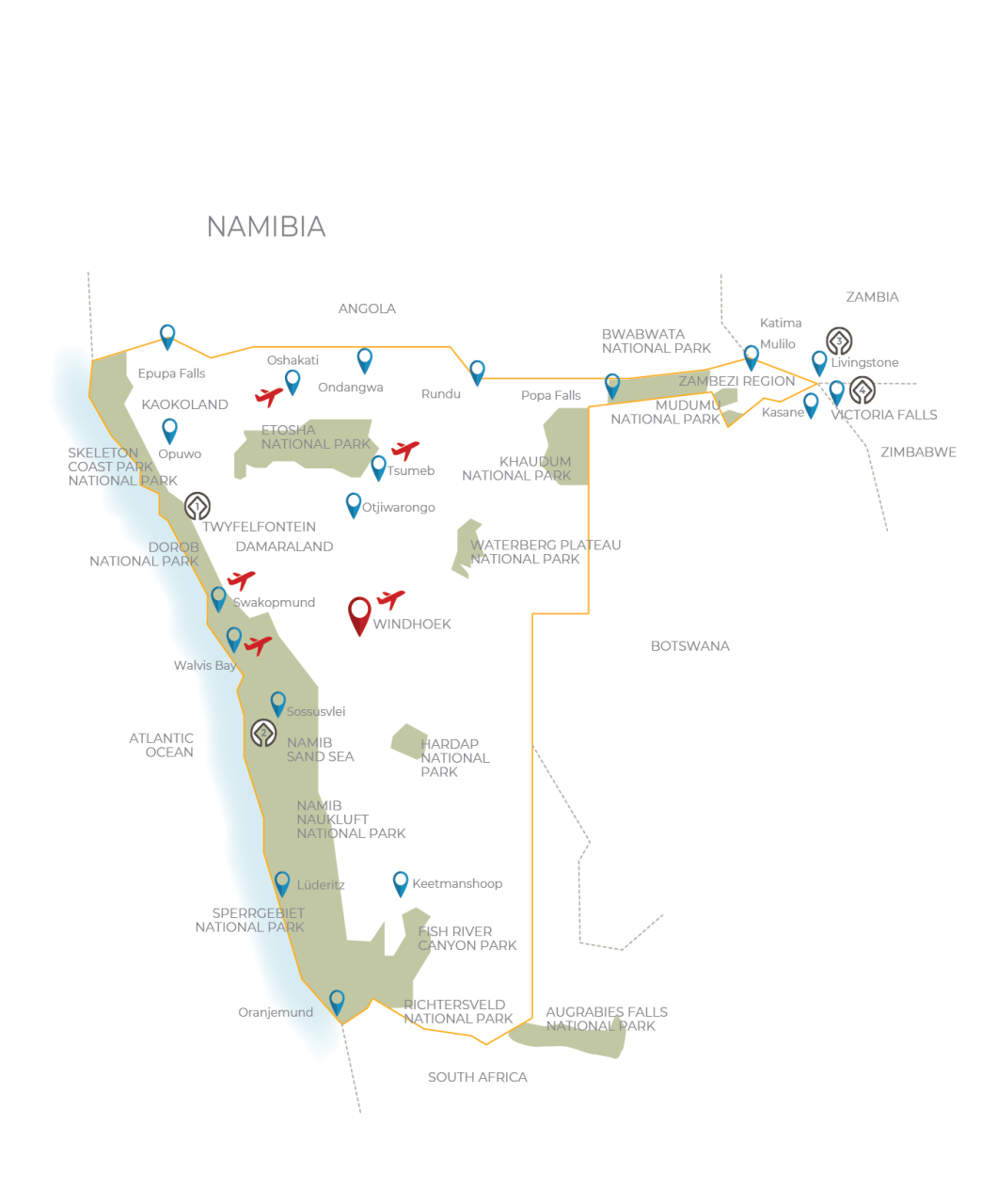
Namibia’s Zambezi Region, formerly known as the Caprivi Strip, is a narrow panhandle that juts out to the east, a lush place of rivers, wetlands and woodlands that stands in stark contrast to the arid landscapes for which the country is famous. This is a corner of Namibia that feels more like Botswana or Zambia, a verdant region defined by the perennial waters of the Okavango, Kwando (known in Botswana as the Linyanti or Chobe) and Zambezi rivers.
This region is the heart of the Kavango-Zambezi (KAZA) Transfrontier Conservation Area, the world’s largest transborder conservation zone. With no fences, wildlife moves freely along ancient migratory routes between Namibia, Botswana, Angola and Zambia. This makes it a vital corridor for some of the largest elephant herds on the planet.

Did you know
The area is bordered by four countries: Angola, Botswana, Zambia and Zimbabwe
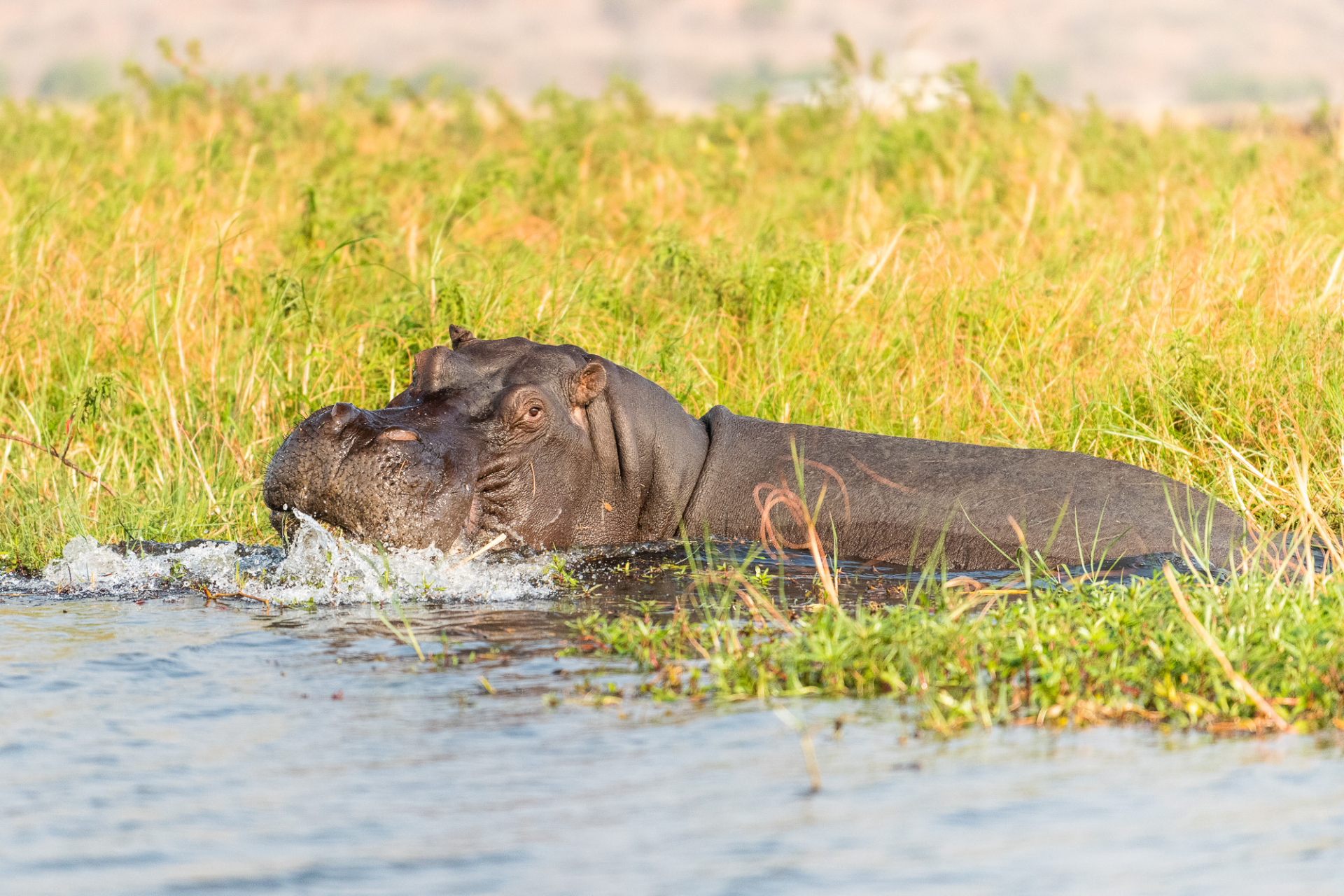
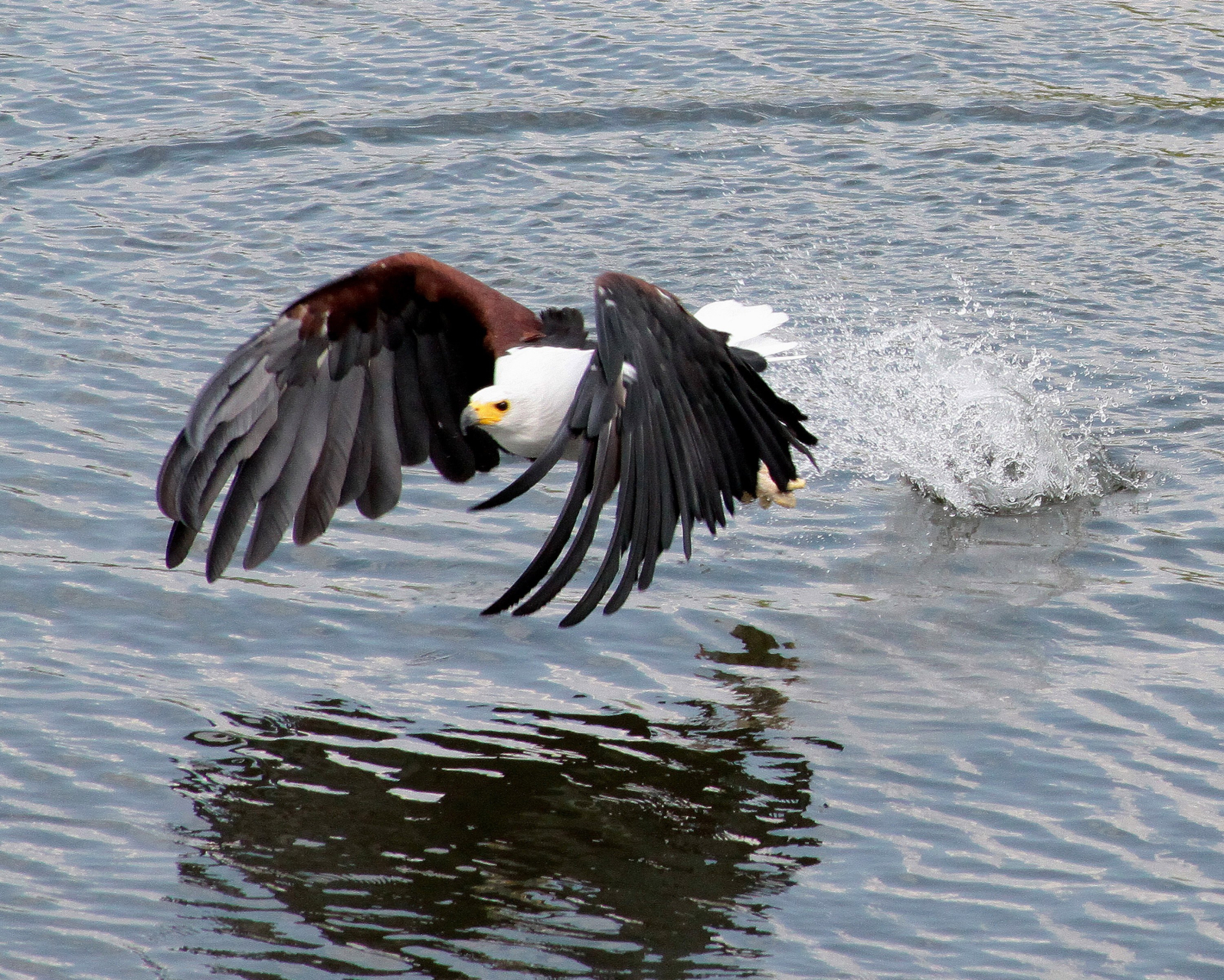
A journey through the Zambezi Region takes in a series of beautiful, waterlogged protected areas, including Bwabwata, Mudumu and Nkasa Rupara national parks. The experience is one of river-based adventure, gliding past pods of hippos, watching elephants swim across channels and listening to the cry of the African fish eagle.
Get to know the Zambezi Region
The Zambezi Region is one of Africa’s best self-drive safari destinations. The main B8 highway is paved and runs the length of the panhandle, providing easy access to the main towns and park entrances. The parks themselves, however, require a 4x4 vehicle to navigate sandy tracks and seasonal floodplains.
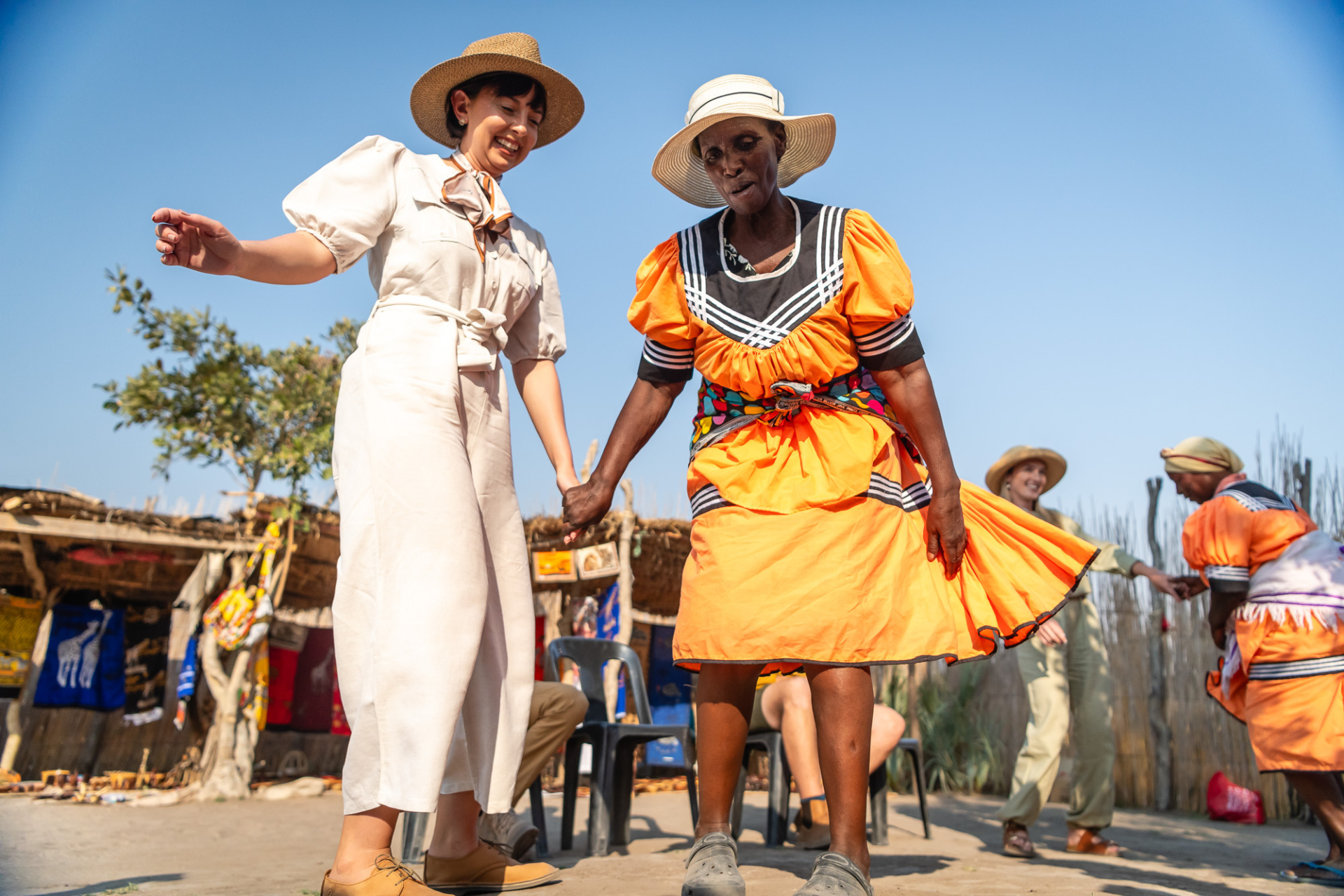
The region contains a cluster of national parks. Bwabwata National Park is the largest, a rare park that integrates conservation with the sustainable livelihood of the resident Bushman community. It is famous for its large elephant and buffalo herds. Further east, Mudumu National Park is a wilder, less-developed park known for its riverine forests and predators. At the end of the panhandle, N
History
The modern history of the region is rooted in colonial geopolitics. The panhandle was created in 1890 through the Heligoland-Zanzibar Treaty, in which Germany acquired the strip of land from the British. The then German Chancellor, Leo von Caprivi, sought this corridor to give German South West Africa access to the Zambezi River, hoping it would provide a trade route to the Indian Ocean.
For decades, the area remained a remote and sparsely populated backwater. Its conservation importance was formally recognised with the establishment of several game reserves, which were later consolidated into the national parks we see today. Following Namibian independence, the region has been developed for low-impact eco-tourism, with its future now firmly anchored in its role as the central hub of the vast KAZA Transfrontier Conservation Area.
Voices of our guests
Zambezi Region (Caprivi Strip) FAQs
Yes, it is located in a high-risk malaria zone year-round. It is essential to consult your doctor about appropriate anti-malarial medication before you travel.
While the main highway is paved, a 4x4 is essential to properly explore the national parks, as the internal roads are sandy and can become flooded.
It is completely different. The rest of Namibia is predominantly arid desert or semi-desert. The Zambezi Region is a lush, subtropical wetland, defined by its major rivers, and feels more like Botswana or Zambia.
You can see four of the Big Five. The region has excellent populations of lion, leopard, elephant and buffalo. However, rhinos are absent.
A minimum of four to five nights is recommended to explore at least two of the different national parks, such as Bwabwata and Nkasa Rupara.
You can either take a light aircraft flight from Windhoek to Katima Mulilo, or you can enter by road on a self-drive trip from other parts of Namibia or from northern Botswana.
It is often better for a second-time visitor who wants to see a different side of the country. First-time visitors usually focus on the iconic desert landscapes of Sossusvlei, Damaraland and Etosha.
The main activities are game drives in the parks and river-based safaris, including motorised boat cruises and mokoro (dugout canoe) trips. Birdwatching is also a major highlight.
It shares some similarities, especially Nkasa Rupara National Park. However, the Okavango is a unique inland delta, while the Zambezi Region is a landscape defined by several distinct, flowing rivers. The Zambezi Region is generally less crowded and offers a wilder, more pioneering feel.
Yes, it is a safe region for tourism. As with any safari destination, it is crucial to be aware of wildlife, especially when camping or at unfenced lodges, and to follow all park rules and safety advice.
More unforgettable activities
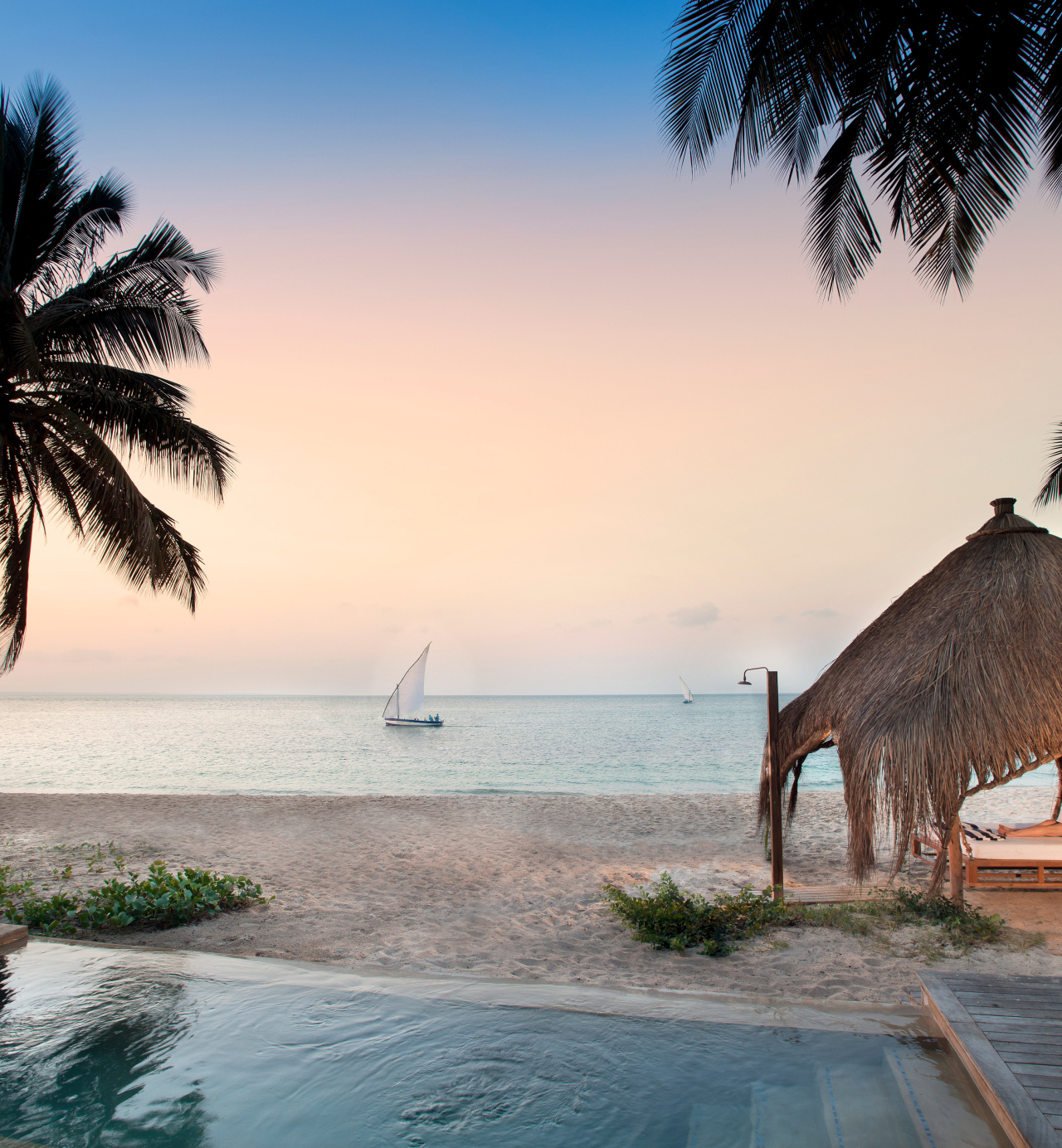
Turtle egg laying and hatching

Traditional Bo-Kaap cooking experience
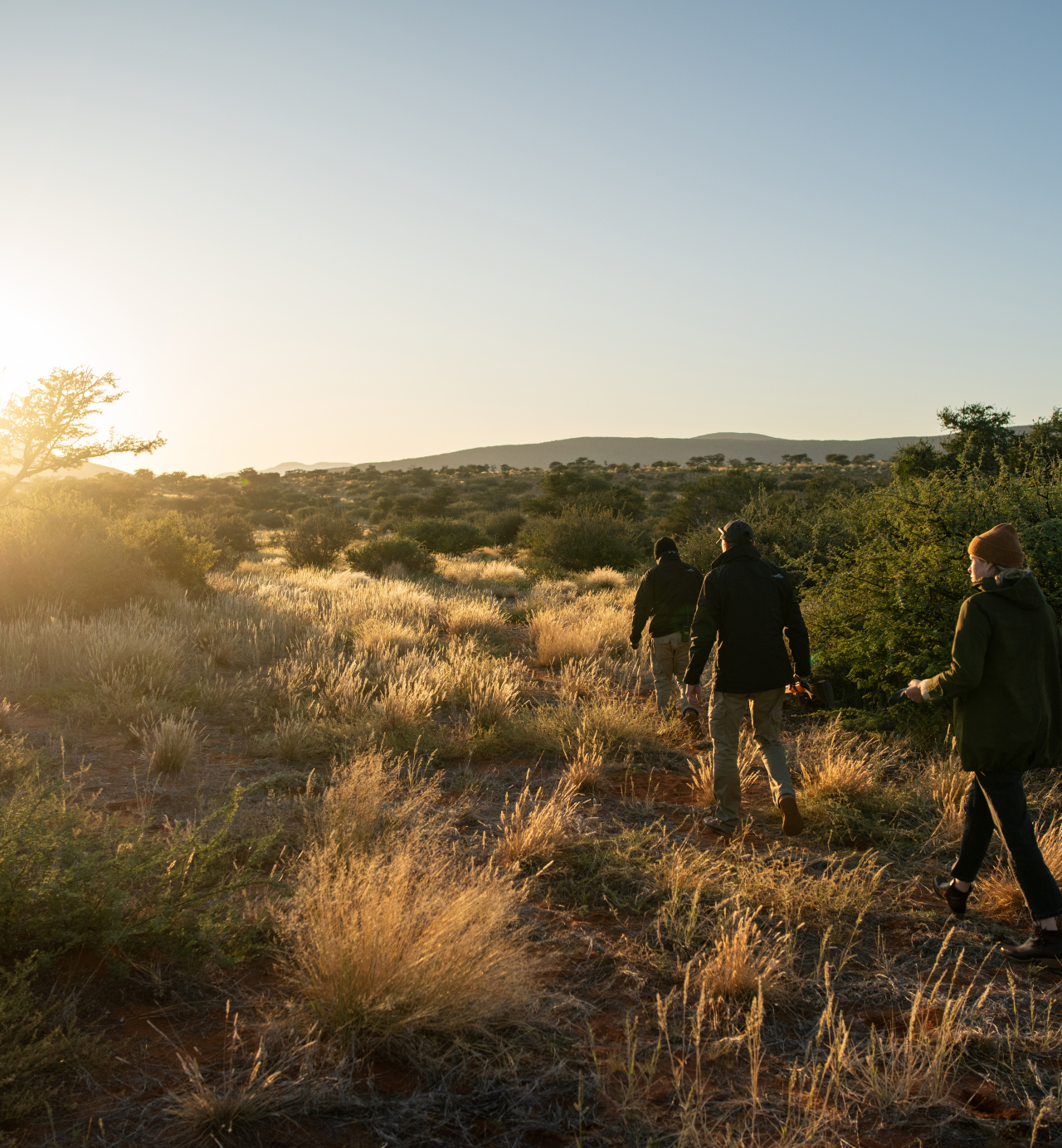
Tracking Africa’s most elusive species on foot
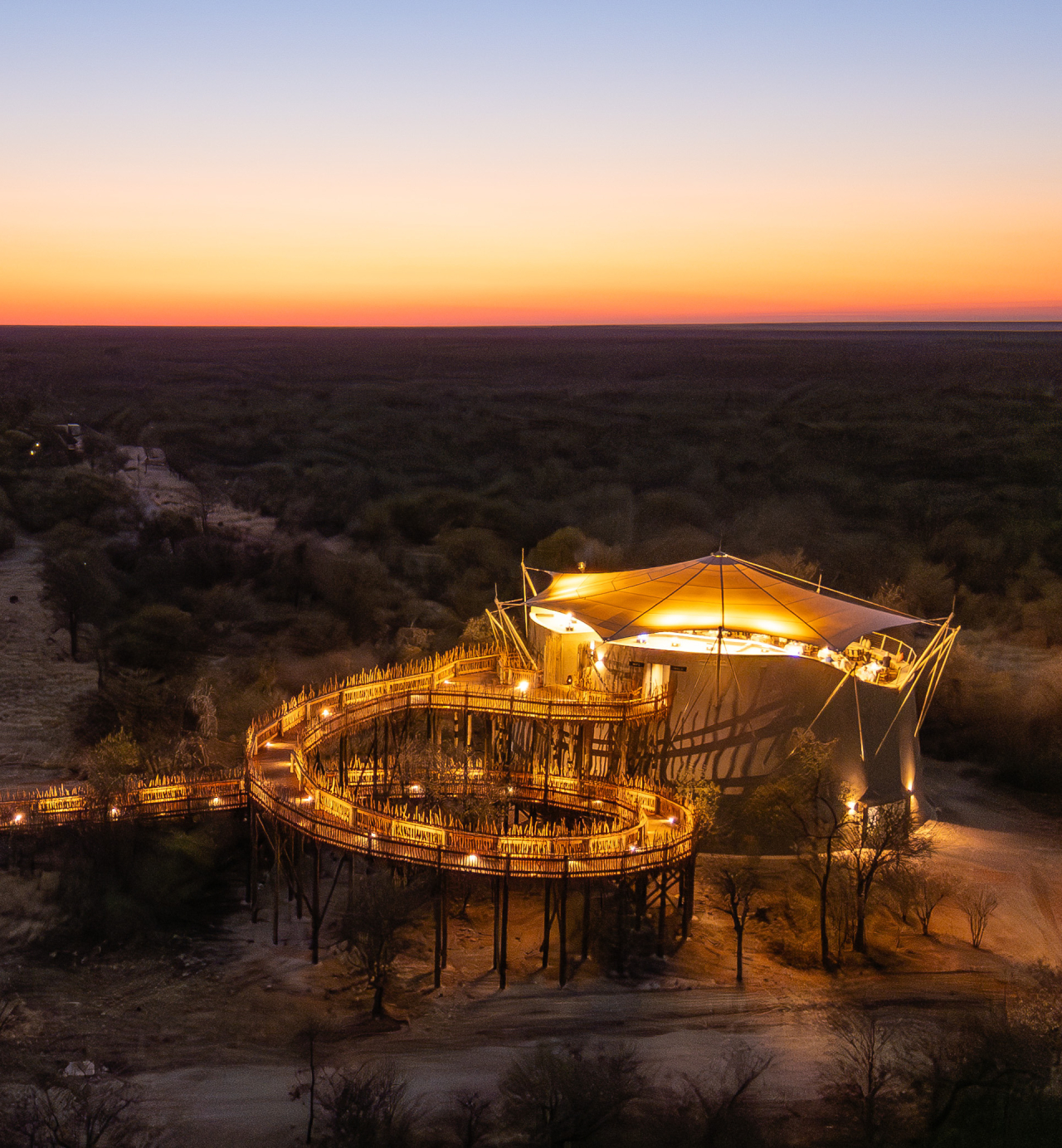
SkyBoma, Etosha
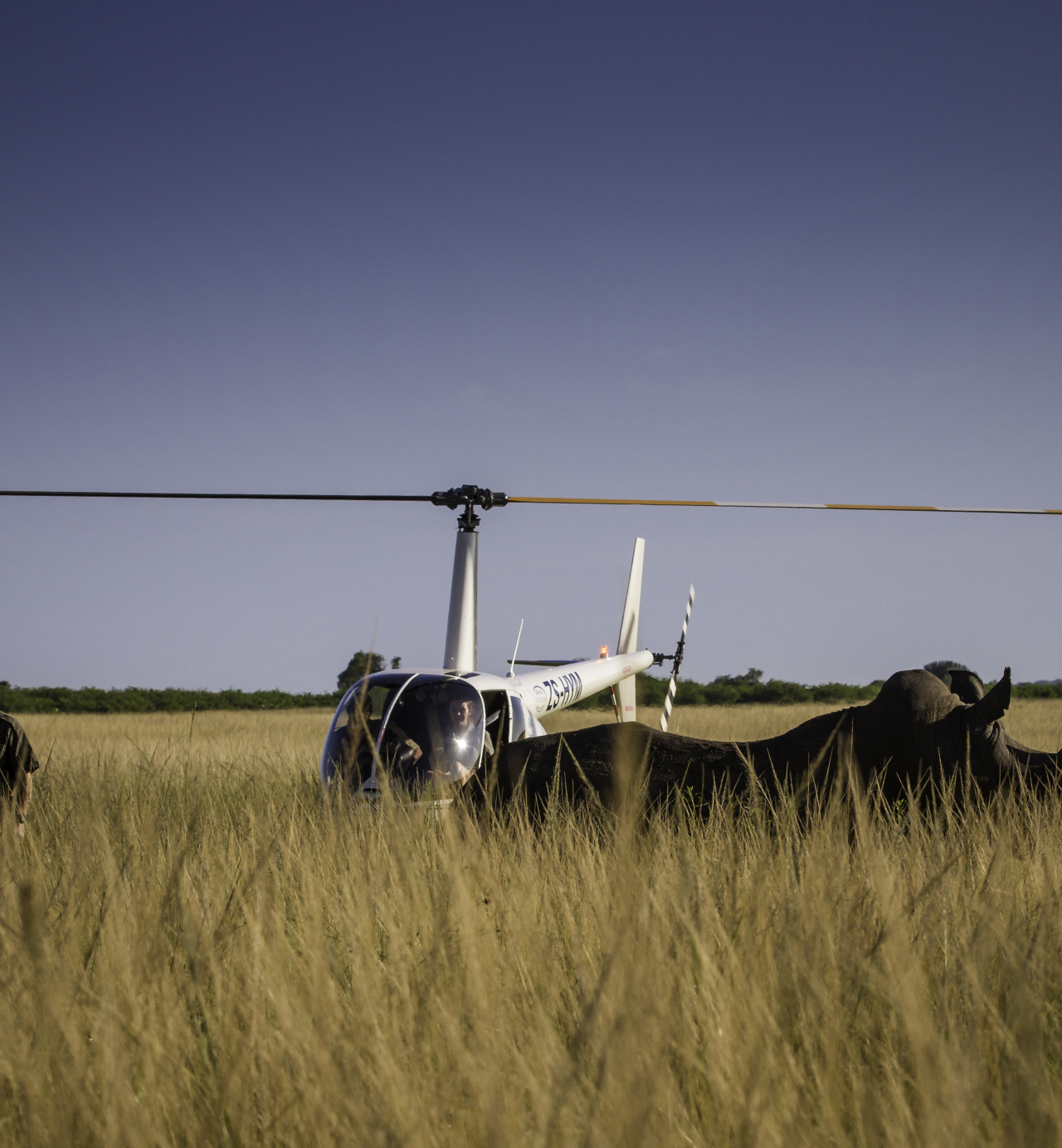
Rhino darting and chipping experience
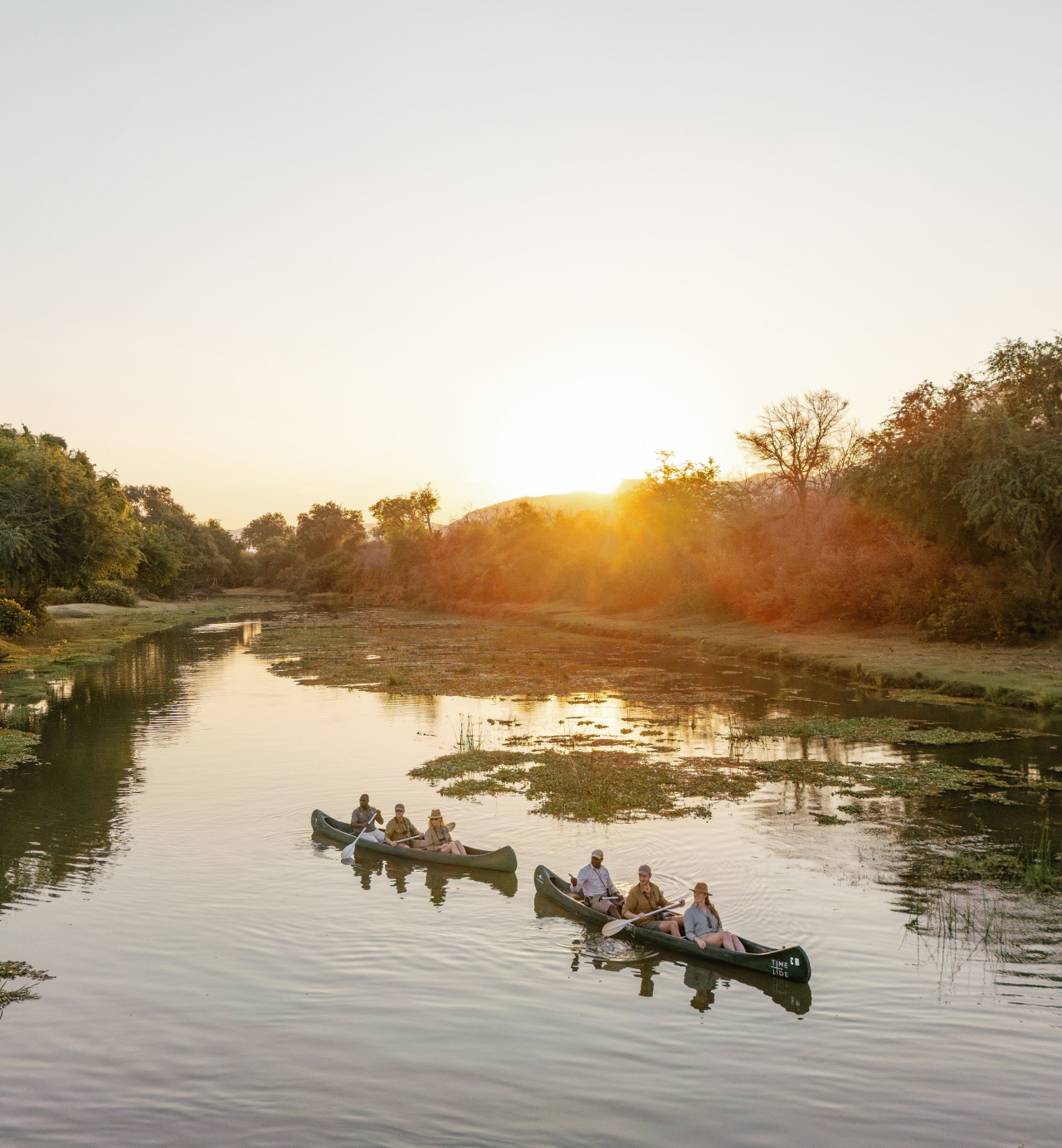
Picnicking on islands in the Zambezi
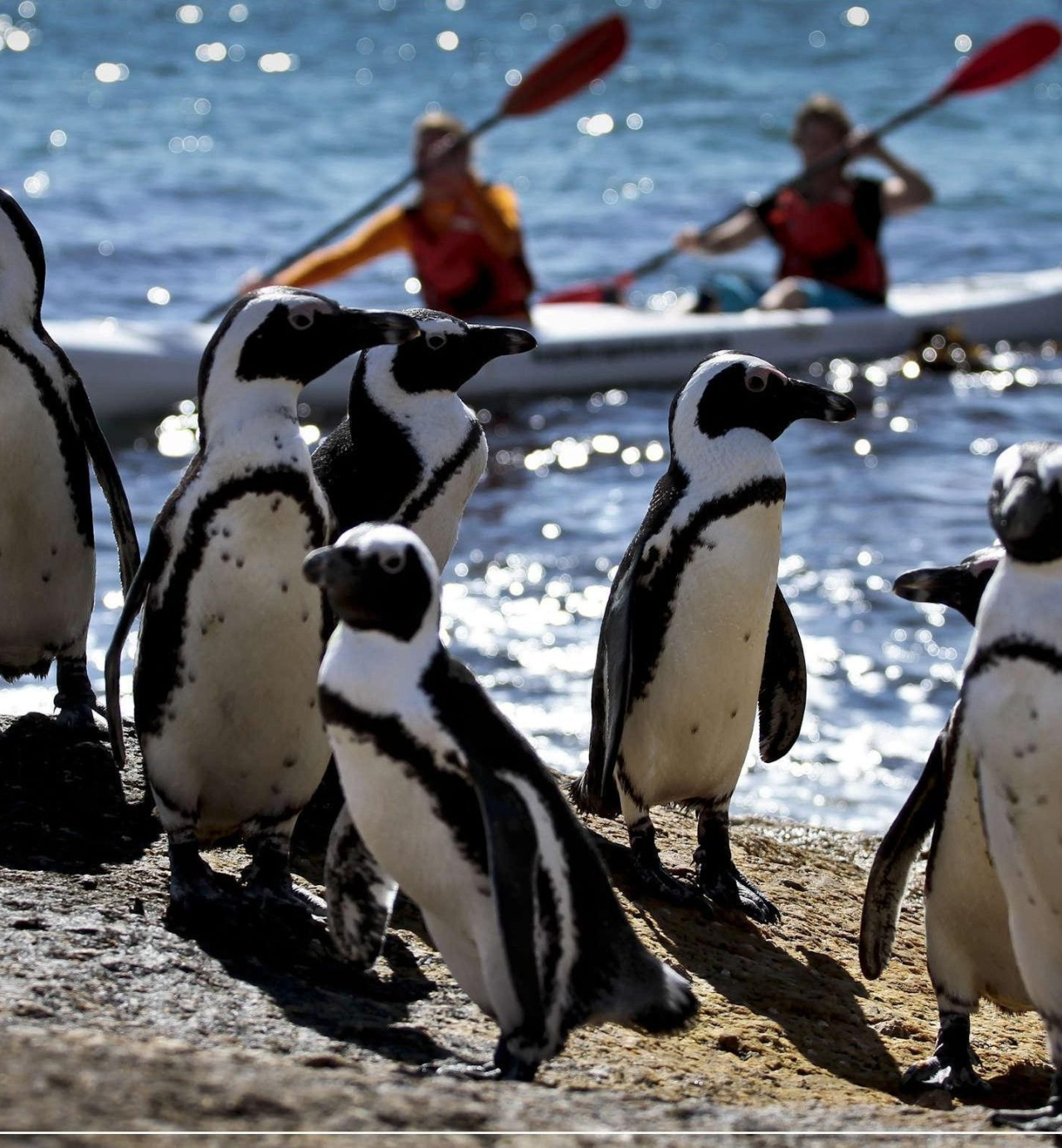
Paddle with penguins
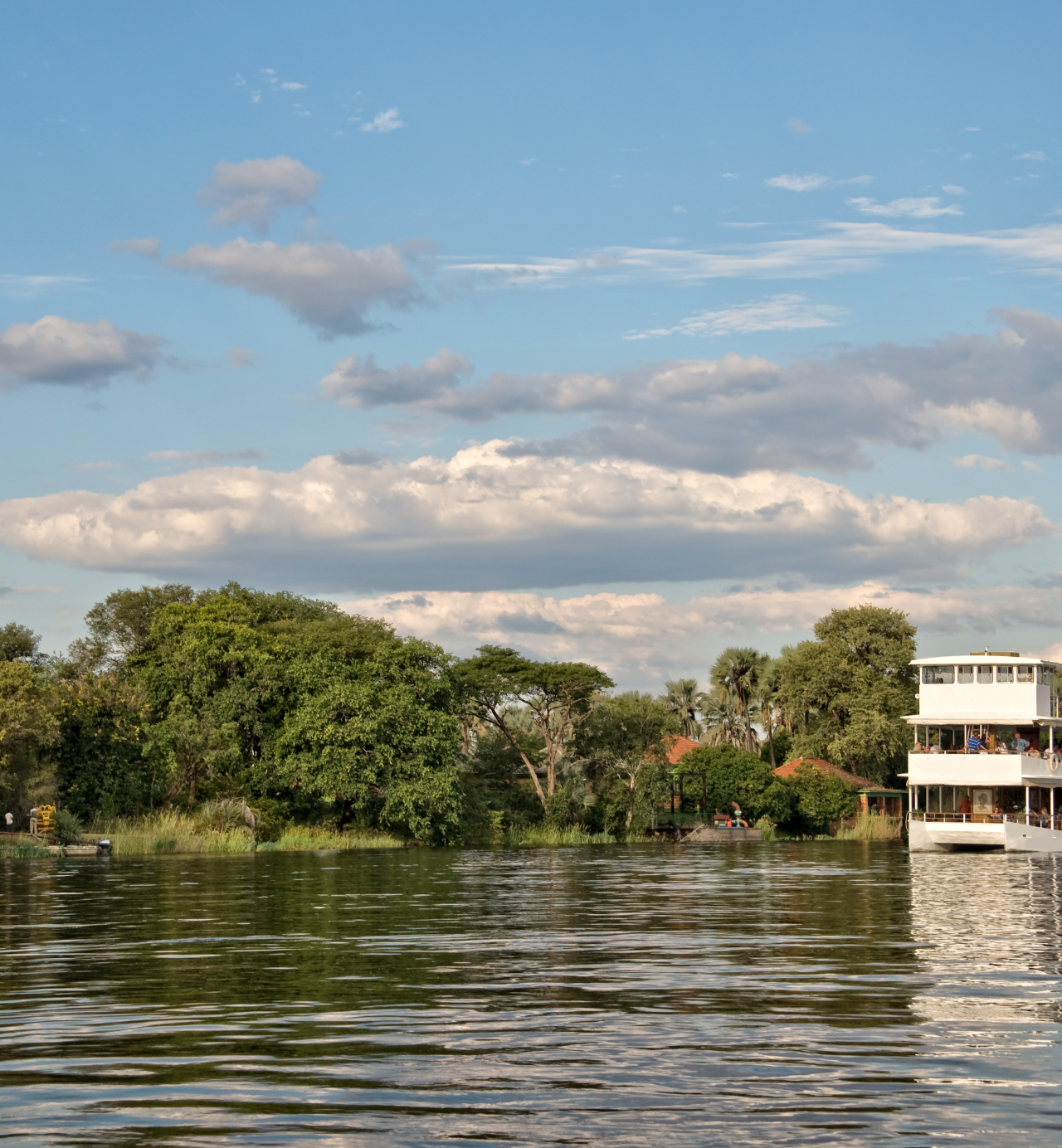
Live-aboard luxury Zambezi safari
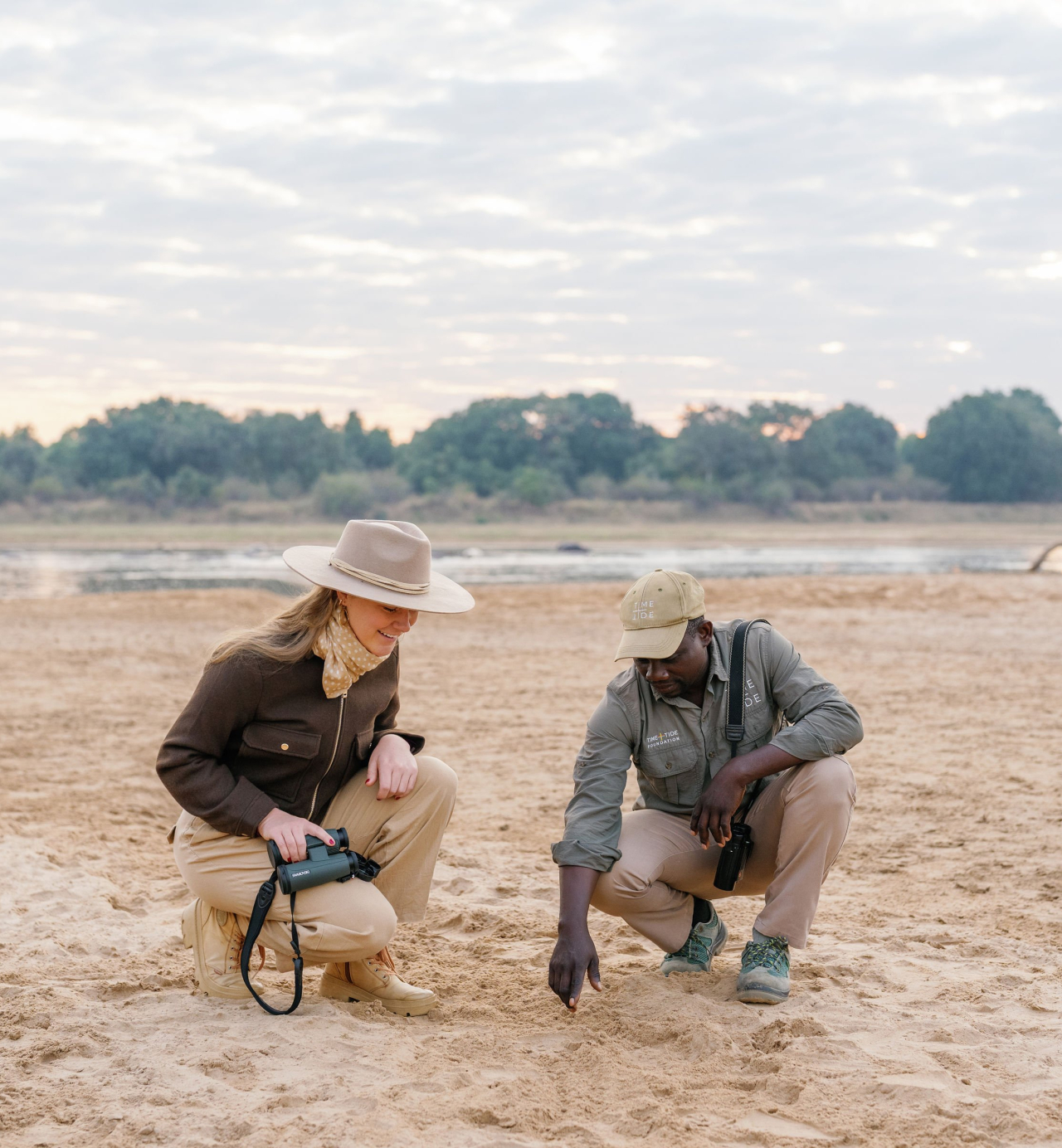
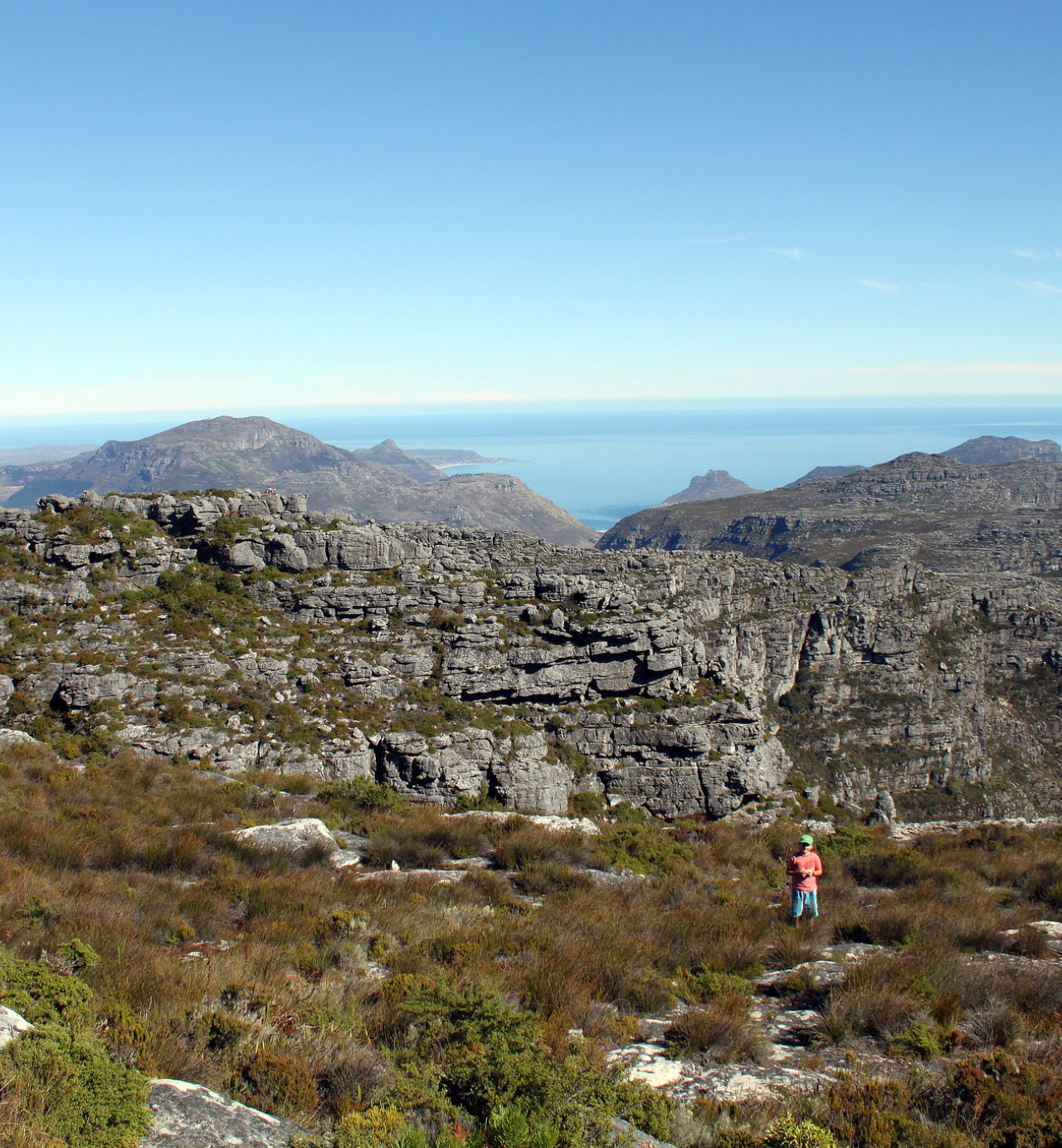
Hiking Table Mountain with a botanist or forager

