21 movies to see about Africa

21 movies to see about Africa
| by Tara Turkington
Film has the power to shape expectation – sometimes responsibly, sometimes not. Too often, Africa has been filmed as backdrop rather than subject. At the same time, cinema can provide context, insight and texture that deepen our understanding of a place, particularly before we arrive.
A brief note on perspective: many of the most familiar films set in Africa are told through Western eyes, reflecting the concerns, values and blind spots of their time. Others are made by African filmmakers, rooted in cultural specificity. Both perspectives sit side by side in our (definitely not definitive) list, offering different ways of seeing and imagining the continent.

1. Out of Africa (Kenya, 1985)
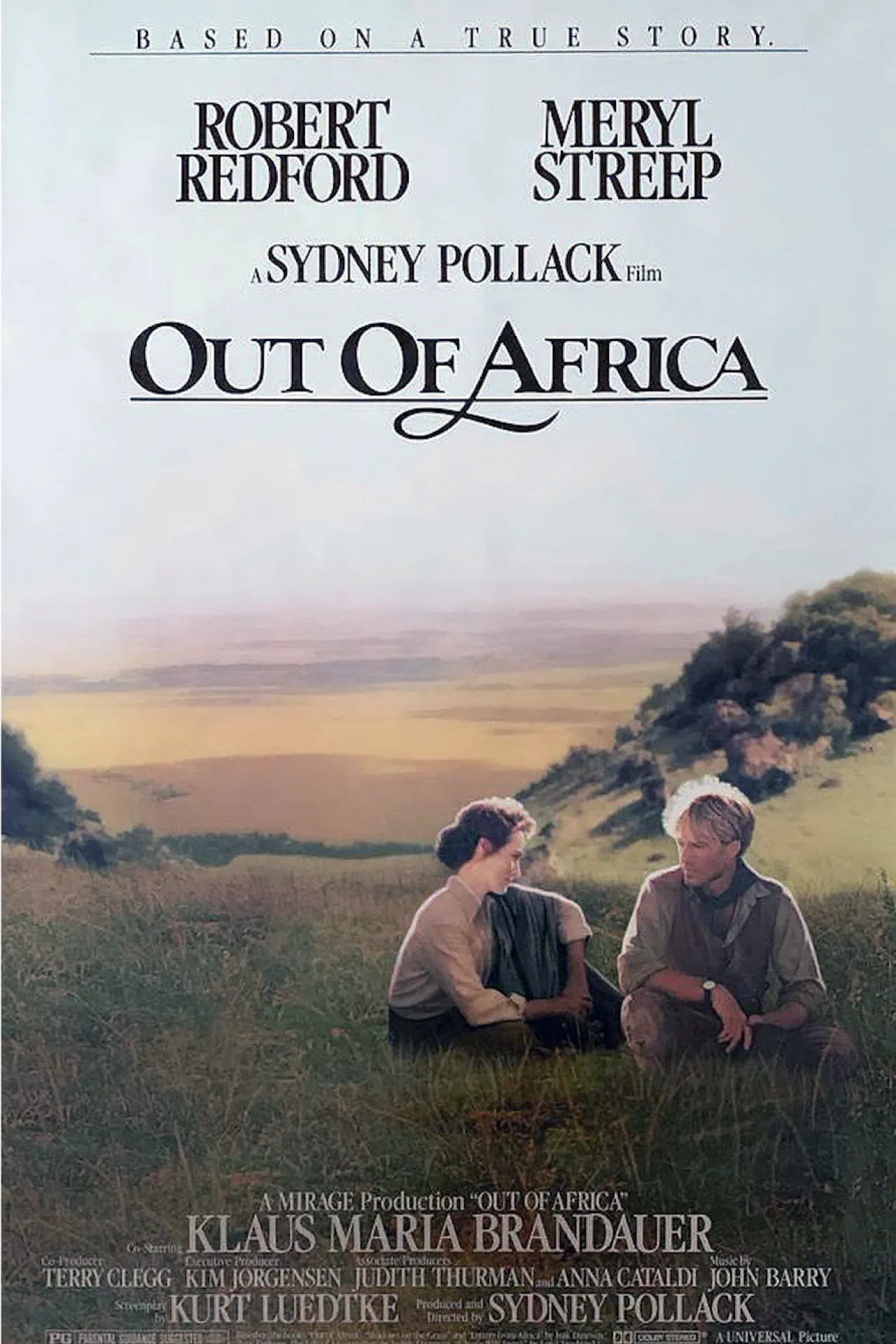
Image courtesy of Universal Pictures 1985 Universal City Studios Inc.
Set in colonial-era Kenya and starring Robert Redford and Meryl Streep, this iconic film featuring the beautiful wild landscapes of Kenya won seven Academy Awards, including Best Picture and Best Original Score (John Barry’s music is sweeping, evocative and closely associated with the film’s enduring appeal).
The film remains evocative and influential, while reflecting a particular colonial-era viewpoint and narrative focus. And Out of Africa fans have the opportunity to recreate the movie’s iconic picnic scene at the spectacular Angama Mara Lodge, on the kopje where it was shot.
2. The Lion King (Fictionalised East/Southern Africa, 1994)
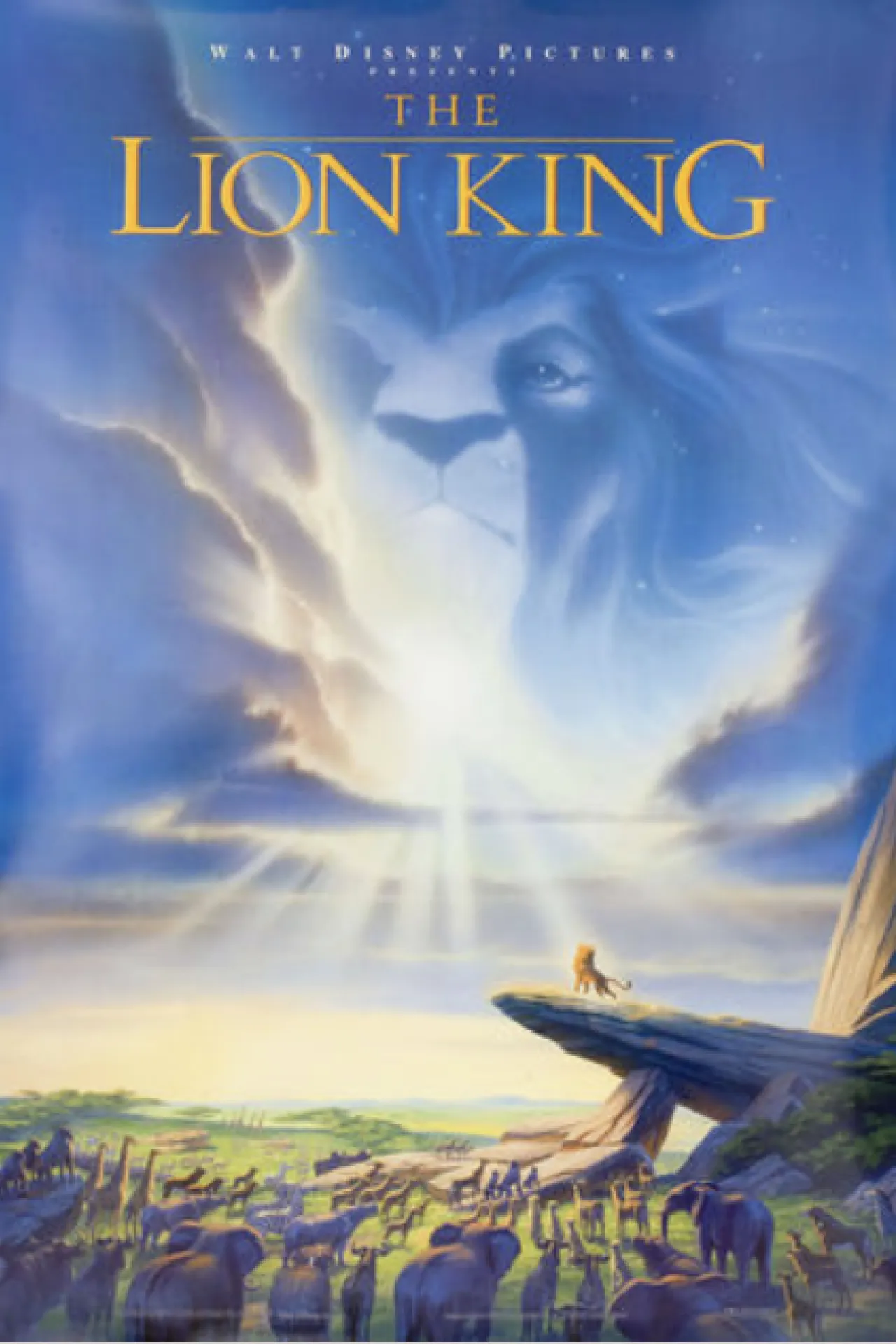
Image courtesy of Walt Disney Animation Studios 1994 Disney.
Inspired by African landscapes, wildlife and oral storytelling traditions, this animated Disney classic has shaped global perceptions of Africa for generations. Highly stylised and mythic, it nonetheless draws on real ecological and cultural references. At the time, it was notable for being one of Disney’s first major animated films based on an original story, rather than a direct adaptation of a fairy tale, and it went on to become one of the most successful animated films ever made.
It won two Oscars, for Best Original Score, by Hans Zimmer, and Best Original Song, Can You Feel the Love Tonight by Elton John (music) and Tim Rice (lyrics). The film was followed by two animated continuations (1998, 2004) and a photorealistic remake in 2019, though for many viewers the original remains the most enduring.
3. Invictus (South Africa, 2009)
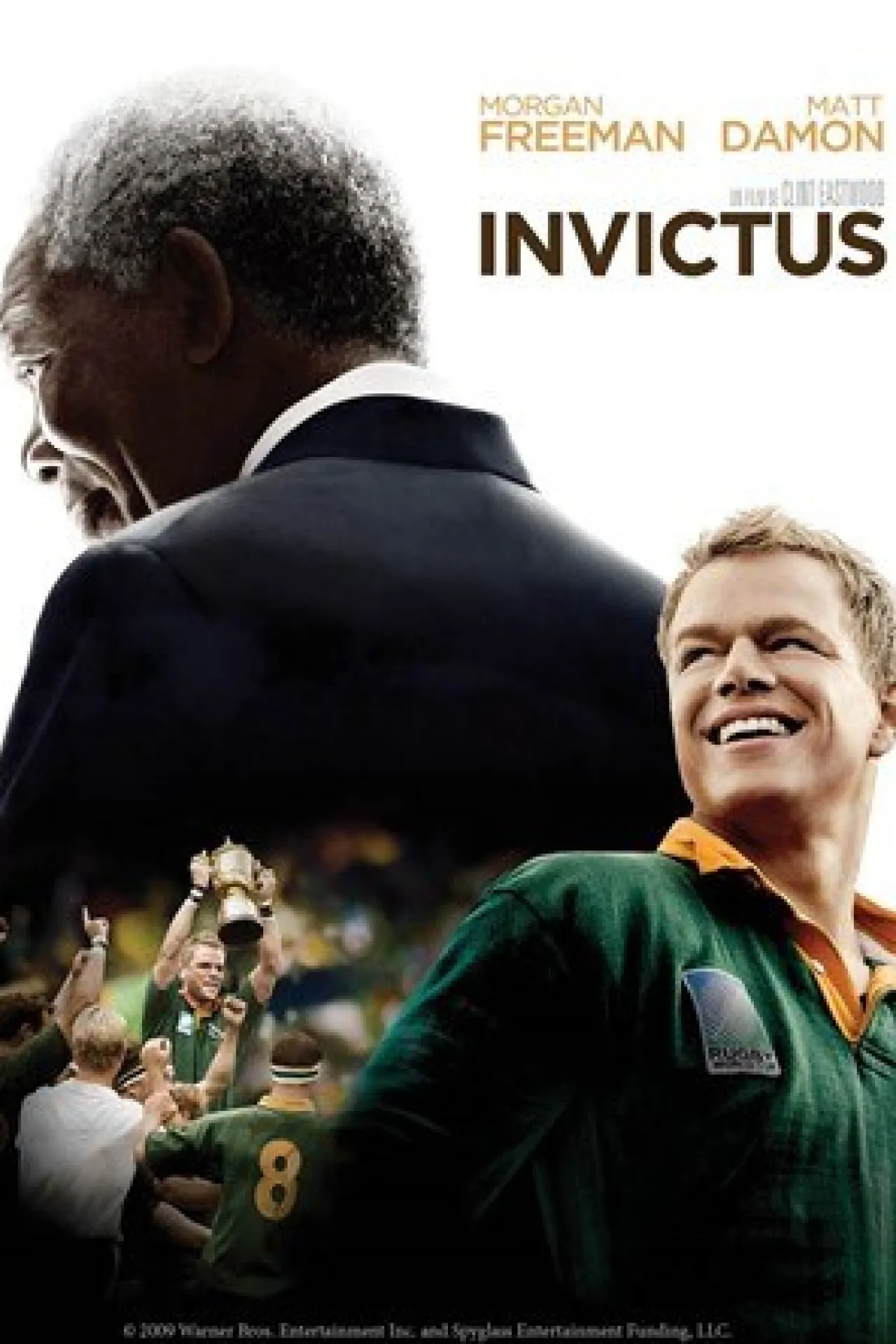
Image courtesy of Warner Bros Pictures 2009 Warner Bros Entertainment Inc.
Invictus takes you back to the mid-1990s, when South Africa was still finding its feet after its first democratic elections in 1994 and rugby unexpectedly became part of the national healing process.
The film centres on Nelson Mandela’s decision to support the Springboks during the 1995 World Cup, at a time when that choice raised plenty of eyebrows (before then, rugby had been seen by many South Africans as a “whites only” sport). Morgan Freeman plays Mandela, with Matt Damon as Springbok captain Francois Pienaar, in a story that mixes history, sport, leadership and courage.
If you only watch a handful of the movies in this list, make this one of them.
4. The Constant Gardener (Kenya, 2005)
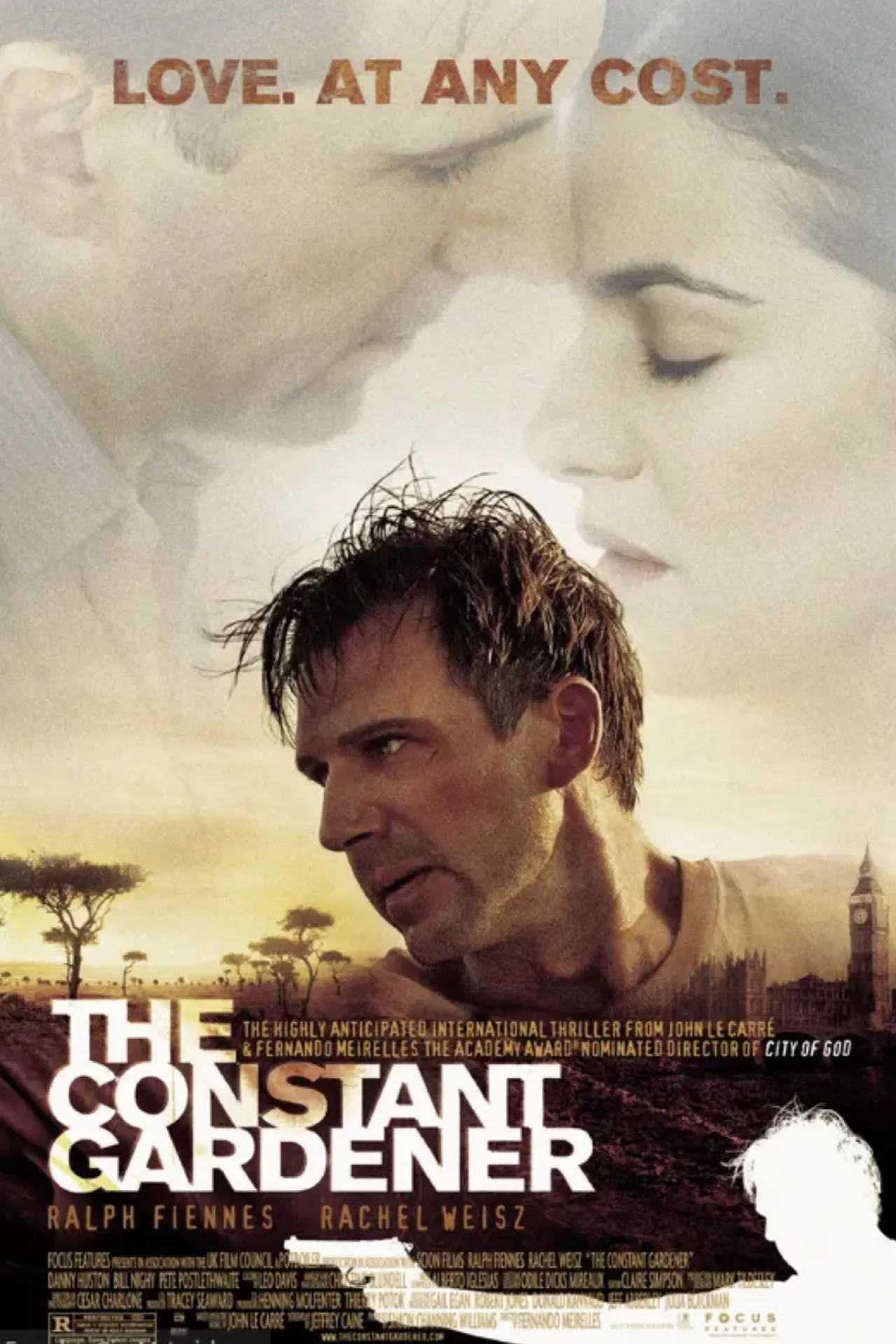
Image courtesy of Focus Features 2005 Universal Studios.
Set largely in Kenya, this political thriller explores corruption, power and ethics within global aid and pharmaceutical systems, while remaining grounded in personal loss. Rachel Weisz won both the Oscar and BAFTA for Best Supporting Actress for her portrayal of Tessa Quayle, an outspoken human rights activist married to a British diplomat.
5. Hotel Rwanda (Rwanda, 2004)
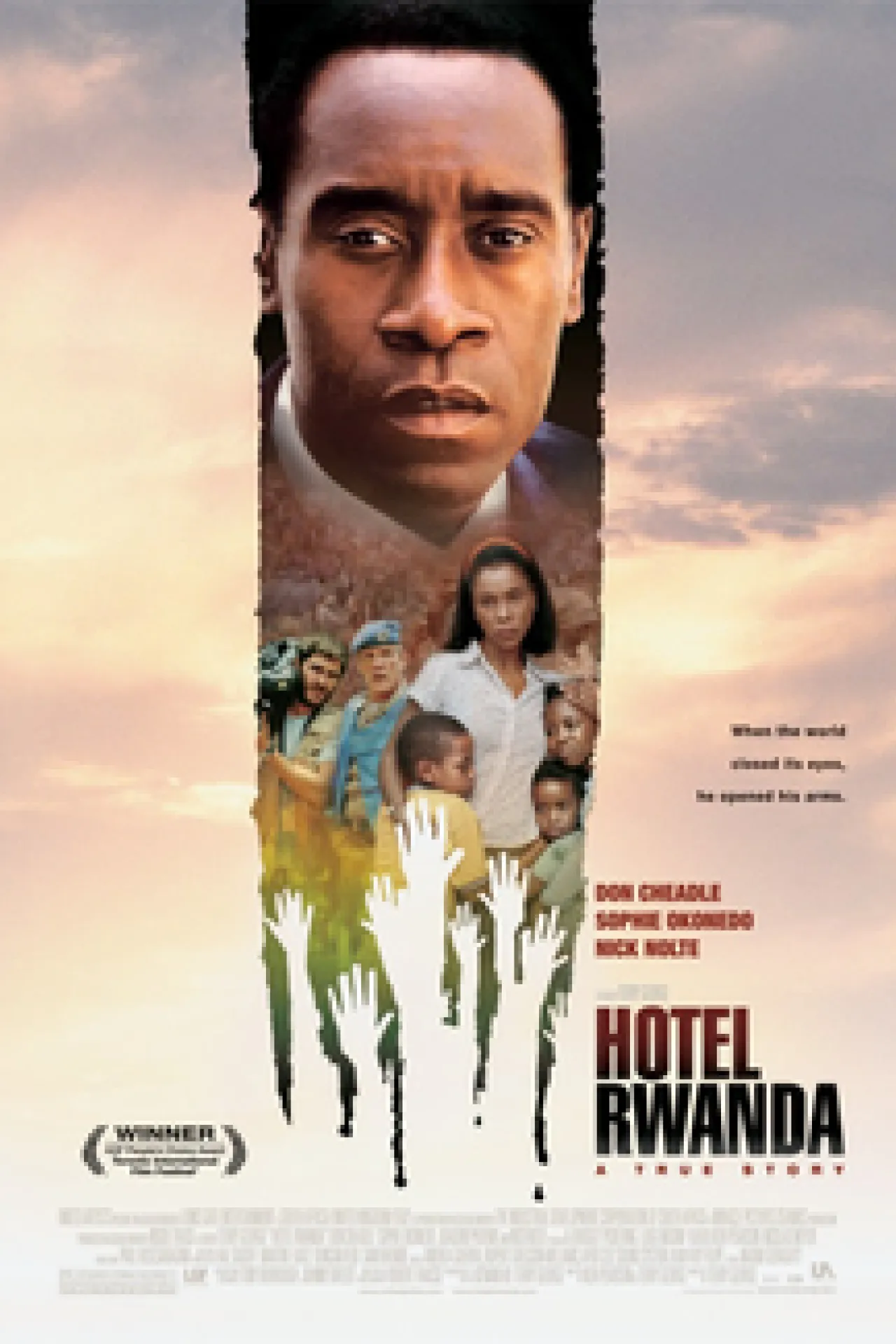
Image courtesy of United Artists Lionsgate 2004 United Artists Films.
Hotel Rwanda tells a personal story of survival during the 1994 genocide. Over the course of approximately 100 days, an estimated 800 000 people – predominantly Tutsis, along with some moderate Hutus – were murdered, making it one of the fastest and most devastating genocides of the 20th century.
The film is based on real events at the Hôtel des Mille Collines (which is still an upmarket hotel in Kigali), which sheltered more than 1 200 people during the violence.
6. The Last King of Scotland (Uganda, 2006)
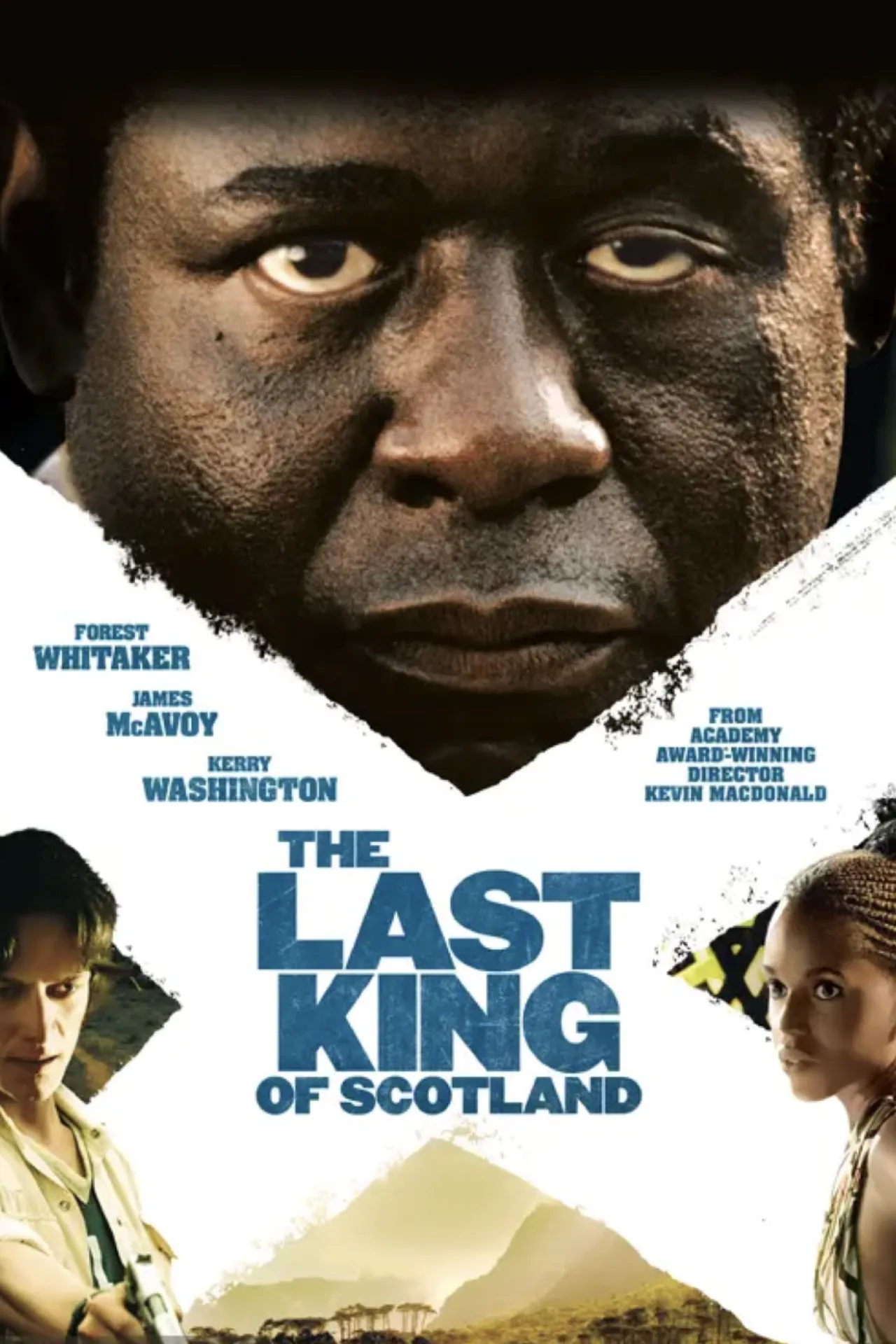
Image courtesy of Fox Searchlight Pictures 2006 Twentieth Century Fox Film Corporation.
Set in Uganda in the 1970s, The Last King of Scotland explores the dictatorship of Idi Amin, played superbly by Forest Whitaker, through the eyes of a young foreign doctor drawn into the regime’s inner circle. While told from an outsider’s perspective, it examines the dangers of unchecked power and Amin’s appalling cruelty. Whitaker won the Oscar, Golden Globe and BAFTA for Best Actor, among several others, for his portrayal of Amin.
7. Long Walk to Freedom (South Africa, 2013)

Image courtesy of Videovision Entertainment Pathé 2013 Long Walk to Freedom Pty Ltd.
Based on Nelson Mandela’s autobiography, this film traces South Africa’s struggle against apartheid through one extraordinary life. It provides essential political and historical context for understanding the country’s moral and social landscape. Idris Elba plays Mandela. Awards recognition centred largely on the soundtrack rather than the film itself.
While Mandela’s autobiography of the same name is a good read, it’s hundreds of pages long, so you’ll get the gist of the story more efficiently by watching the film.
8. Gorillas in the Mist (Rwanda, 1988)
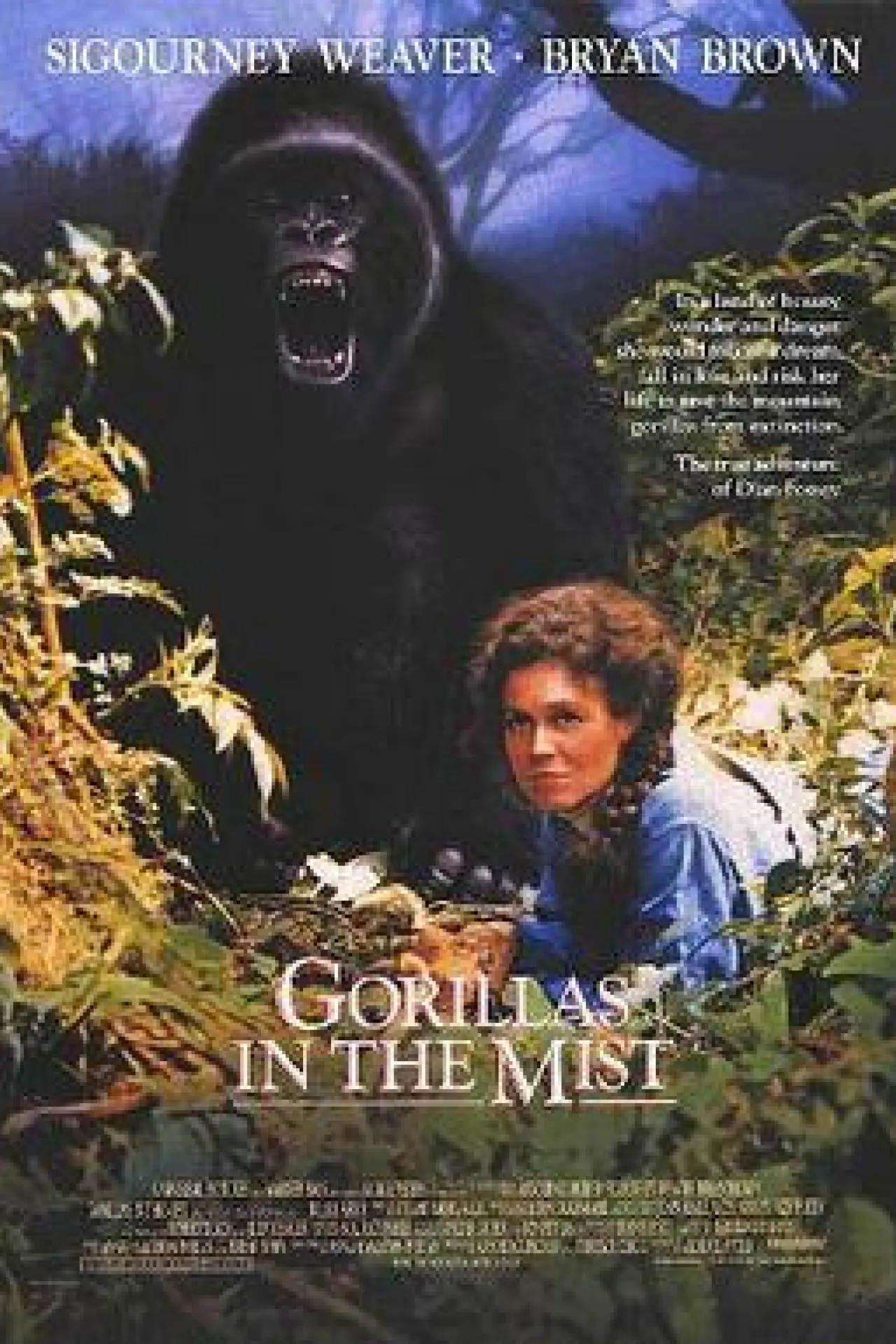
Image courtesy of Universal Pictures Warner Bros 1988 Universal City Studios Inc and Warner Bros Inc.
Based on the life of primatologist Dian Fossey, Gorillas in the Mist is set in the volcanic highlands of Rwanda, where she studied and fought to protect mountain gorillas. Sigourney Weaver stars as Fossey, in one of her most acclaimed performances, bringing intensity and vulnerability to the role.
The film helped introduce global audiences to the fragility of great ape populations and the threats posed by poaching and habitat loss. It played a significant role in shaping international awareness of gorilla conservation – an awareness that underpins modern gorilla trekking tourism today.
9. Jock of the Bushveld (South Africa, 1986)
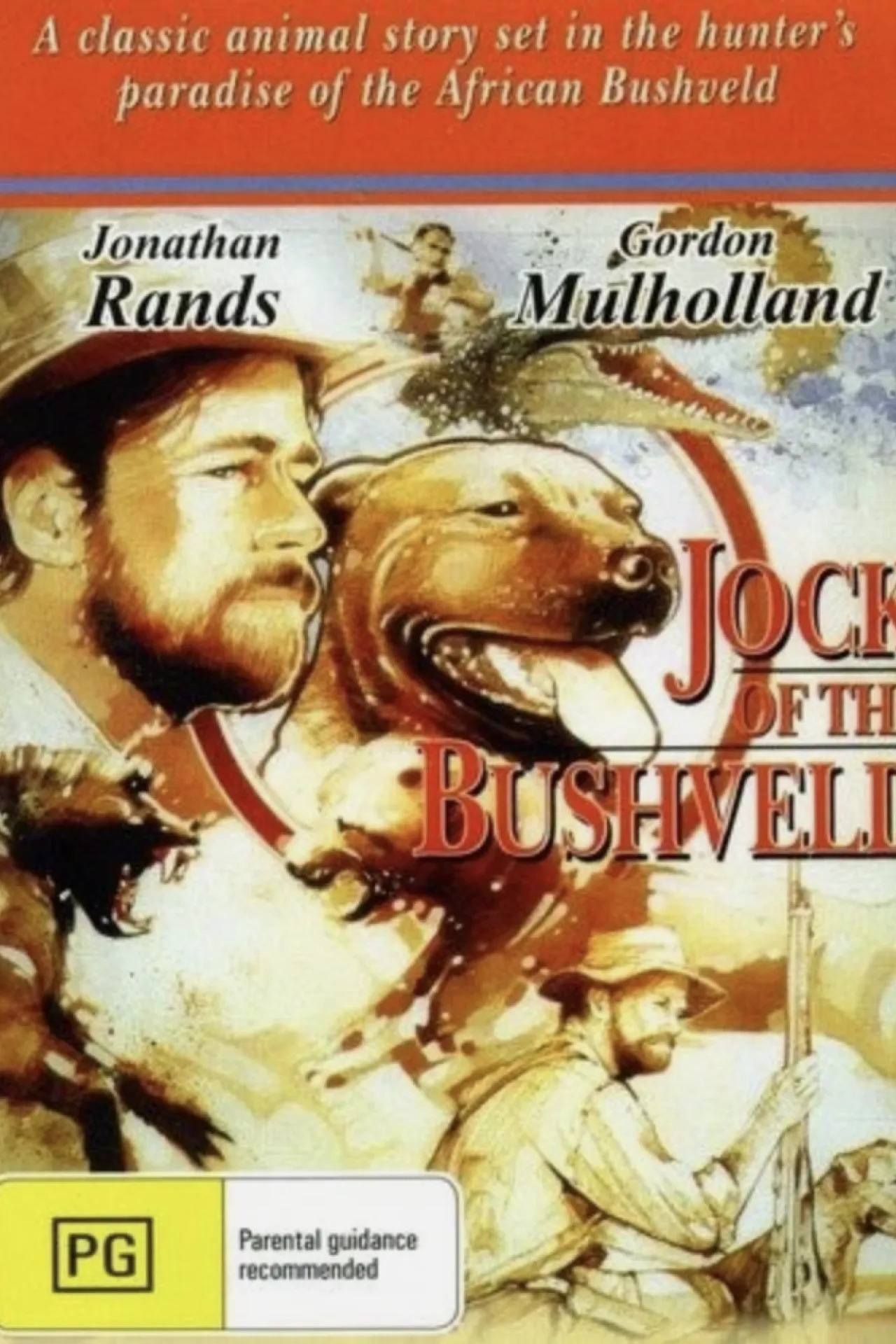
Image courtesy of Toron International Grayhof 1986.
A much-loved book written by Percy FitzPatrick in 1907, Jock of the Bushveld has been adapted for screen several times since the silent-film era (the first version came out in 1917). Set in South Africa’s eastern Lowveld in the late 19th century, it tells the adventures of a man and his beloved dog travelling through the frontier bushveld.
If you’re going to watch one version, most people will point you to the 1986 South African film starring Jonathan Rands. It’s the one many grew up with, and it makes the most of the scenery and the emotional heart of the story. The theme song, Spirit of the Great Heart, written and sung by Johnny Clegg and Savuka, is still a road trip favourite in South Africa and beyond.
10. The Boy Who Harnessed the Wind (Malawi, 2019)
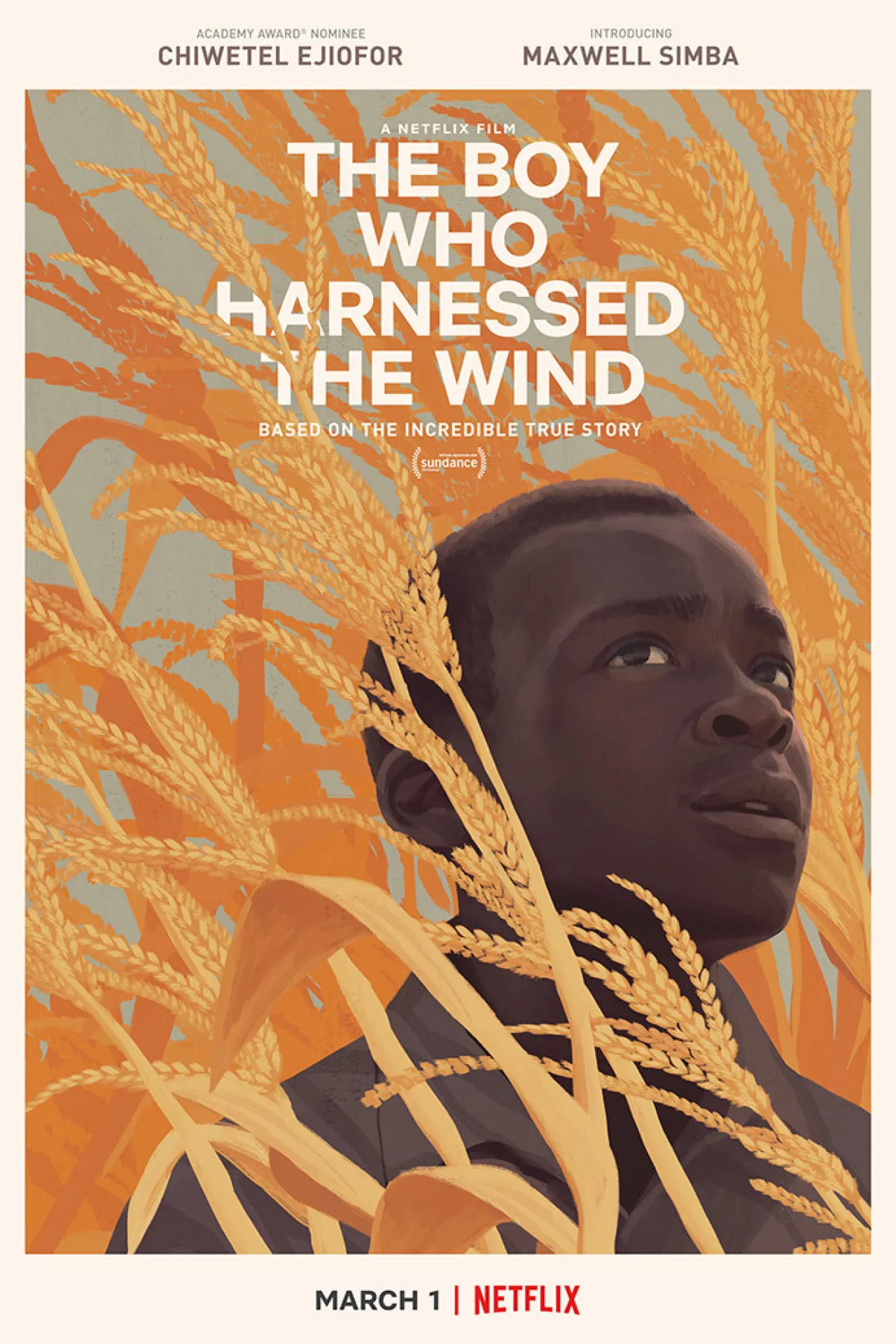
Image courtesy of Netflix 2019 Netflix.
Based on a true story, this uplifting film follows a young boy’s determination to save his village in Malawi, through his ingenuity. It offers a hopeful portrayal of resilience, the importance of community and creativity.
11. Queen of Katwe (Uganda, 2016)
Image courtesy of Walt Disney Pictures 2016 Disney Enterprises Inc.
Queen of Katwe is based on a true story and takes place in a suburb of Uganda’s capital, Kampala, and tells the story of a young chess prodigy, Phiona Mutesi, rising from poverty with the support of her family and community.
12. Rafiki (Kenya, 2018)
Image courtesy of Big World Cinema Afrobubblegum 2018 Wanuri Kahiu.
Directed by Wanuri Kahiu, Rafiki follows two young women navigating friendship, love and identity against the backdrop of Nairobi’s social and political pressures. The film is told with a youthful perspective and is packed with colour, music and scenes from everyday urban life.
Rafiki sparked conversations about freedom of expression and LGBTQ+ representation in Kenya, where same-sex sexual activity is criminalised and socially stigmatised, as it is in many African countries.
13. Black Panther (fictional Wakanda, pan-African influences, 2018)
Image courtesy of Marvel Studios Walt Disney Studios 2018 Marvel.
A Marvel superhero movie, Black Panther takes place in the fictional African nation of Wakanda, imagined as technologically advanced and never colonised. While the story is fantasy, it draws on real African cultures, languages and design traditions – from Xhosa-inspired dialogue to visual references from across Southern, East and West Africa.
Beyond its commercial success, the film was celebrated for how it represented Africa in mainstream cinema – not as a place defined by lack or conflict, but as a continent of power and choice.
14. Yeelen (Mali, 1987)

Image courtesy of Les Films Cissé 1987 Souleymane Cissé.
Yeelen draws deeply on Bambara cosmology, the philosophical and spiritual worldview of one of Mali’s largest cultural groups. In this tradition, the universe is understood as an ordered system held in balance by visible and invisible forces, where knowledge is powerful and potentially dangerous if misused. Central to the Bambara worldview is the concept of “nyama” – a vital life force that exists in people, nature, objects and words, and must be carefully managed through discipline and ritual.
The film’s central conflict, between father and son, is not simply personal but cosmological – a struggle over how knowledge should be held, transmitted and controlled. Yeelen allows this belief system to shape the logic of the story itself, offering a rare cinematic experience in which African philosophy is not background texture, but the foundation of meaning.
15. Cairo Station (Egypt, 1958)
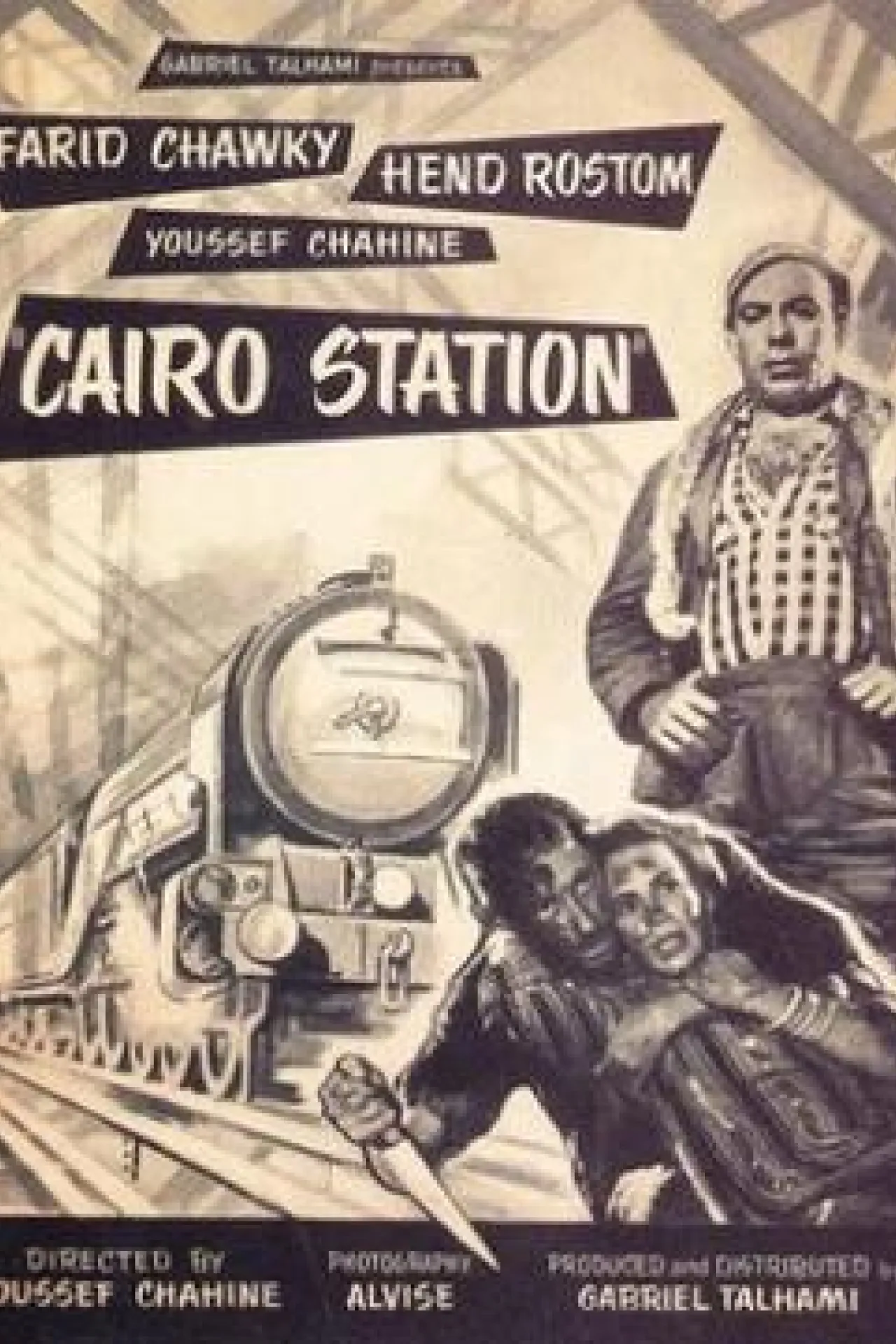
Image courtesy of Gabriel Talhami Productions 1958.
A classic Egyptian film, Cairo Station unfolds over the course of a day in one of Cairo’s busiest railway hubs, using the station as a cross-section of Egyptian society. Porters, vendors, travellers and police move through the same confined space, allowing the film to highlight class tensions, labour politics and gender dynamics at a moment of rapid social change in post-revolutionary Egypt.
Unusual for its time, the film blends social realism with psychological drama. Its frank treatment of sexuality and marginalisation was controversial on release, but it has since come to be recognised as a landmark of Arab and African cinema.
16. The Battle of Algiers (Algeria, 1966)
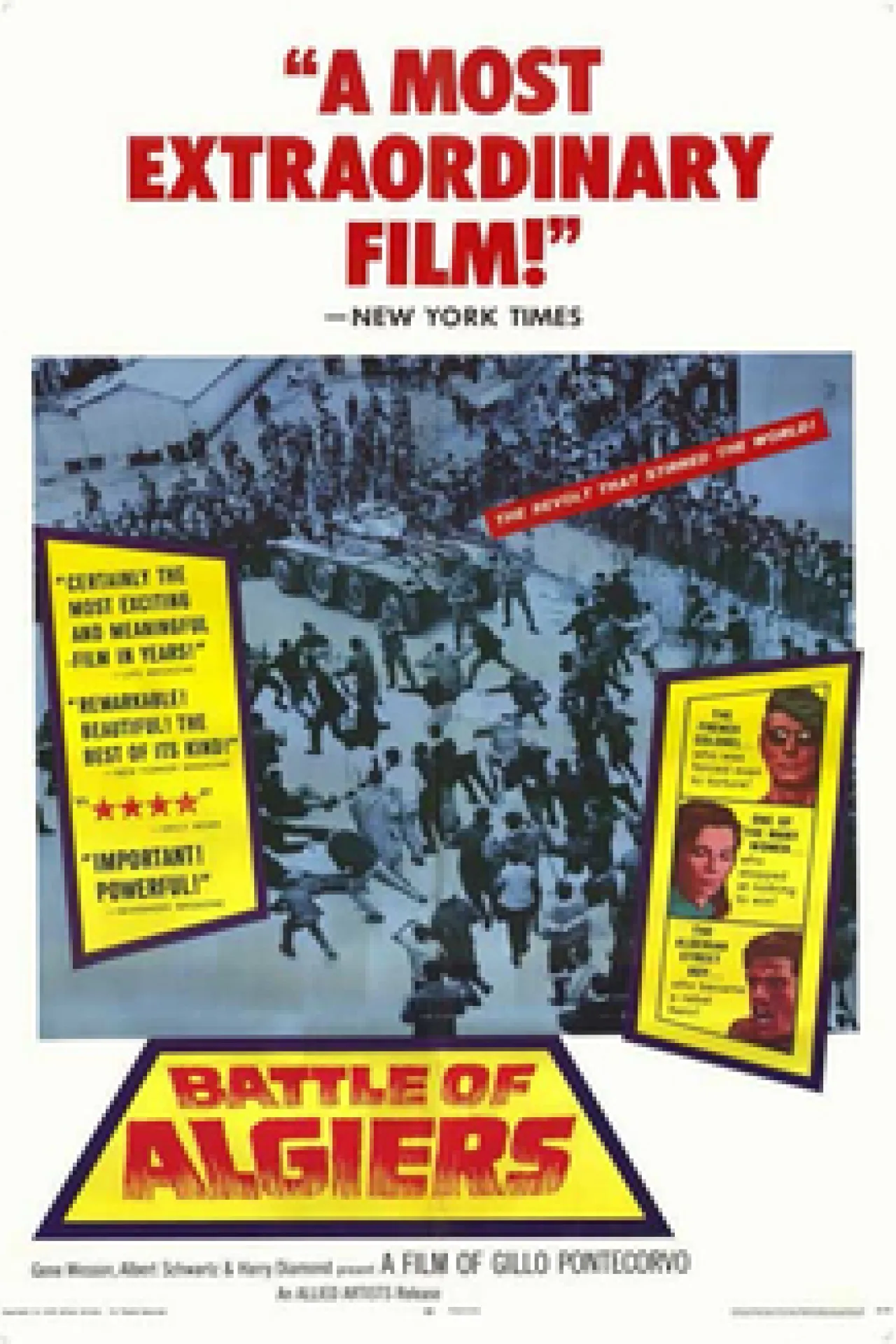
Image courtesy of Igor Film Casbah Film 1966.
Directed by Gillo Pontecorvo, The Battle of Algiers reconstructs the urban phase of Algeria’s war of independence against French colonial rule, focusing on guerrilla tactics, counter-insurgency and civilian life in Algiers’ old quarters, the Casbah. Shot in a documentary style using non-professional actors, the film blurs the line between fiction and reportage, creating a sense of immediacy that was unprecedented at the time.
The film examines how violence reshapes both oppressor and resistance. Its even-handed portrayal made it controversial on release – banned in France for years – but it remains one of the most influential political films ever made.
17. Xala (Senegal, 1975)

Image courtesy of Filmi Domirev Société Nationale de Cinématographie 1975 Ousmane Sembène.
Directed by Ousmane Sembène, often regarded as the father of African cinema, Xala is a sharp satire of Senegal’s post-independence elite. The story follows a newly wealthy businessman whose sudden impotence on the eve of his third marriage becomes a metaphor for moral and political failure among those who inherited power after colonial rule.
Through humour and irony, Xala critiques corruption and the hollow adoption of Western status symbols. The film doesn’t idealise pre- or post-colonial authority, but exposes how inequality and exclusion can persist under African leadership if power goes unexamined.
18. Tsotsi (South Africa, 2005)
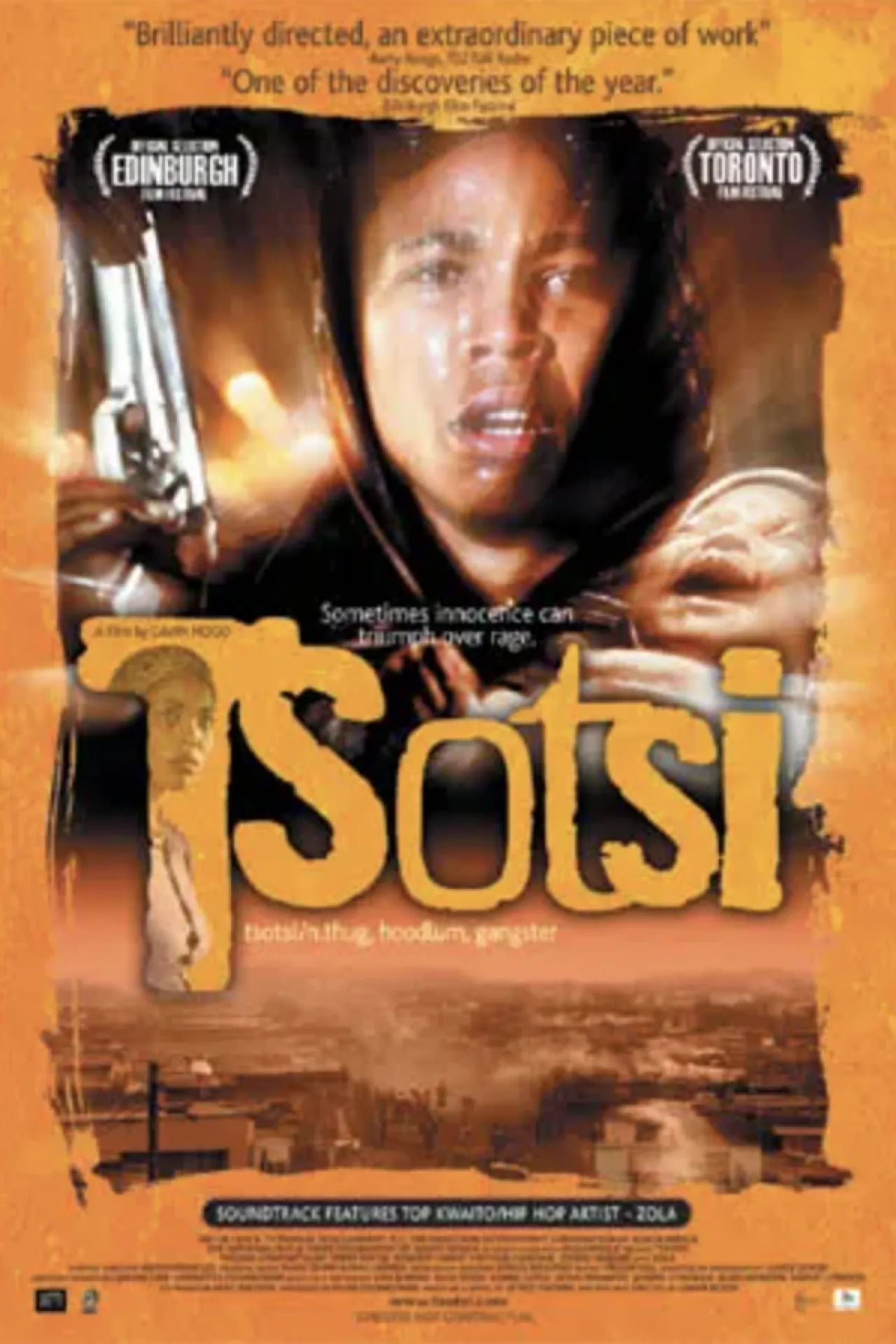
Image courtesy of Miramax The UK Film Council 2005 Tsotsi Films.
Tsotsi offers a raw, humane portrait of urban life, crime and moral reckoning in post-apartheid Johannesburg, South Africa. It captures the city’s contradictions with intimacy rather than spectacle. It’s pretty violent – don’t let it put you off visiting Jo’burg! It won the Oscar for Best Foreign Language Film, the first time a South African movie had garnered this accolade.
19. A United Kingdom (Botswana/South Africa/UK, 2016)

Image courtesy of Pathé Fox Searchlight Pictures 2016 Pathé Productions Limited.
Based on the true story of Seretse Khama, heir to the throne of Bechuanaland, and Ruth Williams, the British woman he married, A United Kingdom explores love, diplomacy and Botswana’s path to independence. Their union triggered international controversy, drawing Britain, apartheid-era South Africa and local traditional authorities into conflict at a pivotal moment in Southern Africa’s decolonisation.
The film situates Botswana’s path to independence within a broader story of diplomacy, compromise and quiet resolve. It foregrounds the tensions between tradition, external pressure and self-determination, offering historical context for understanding the country’s later political stability.
20. Born Free (Kenya, 1966)
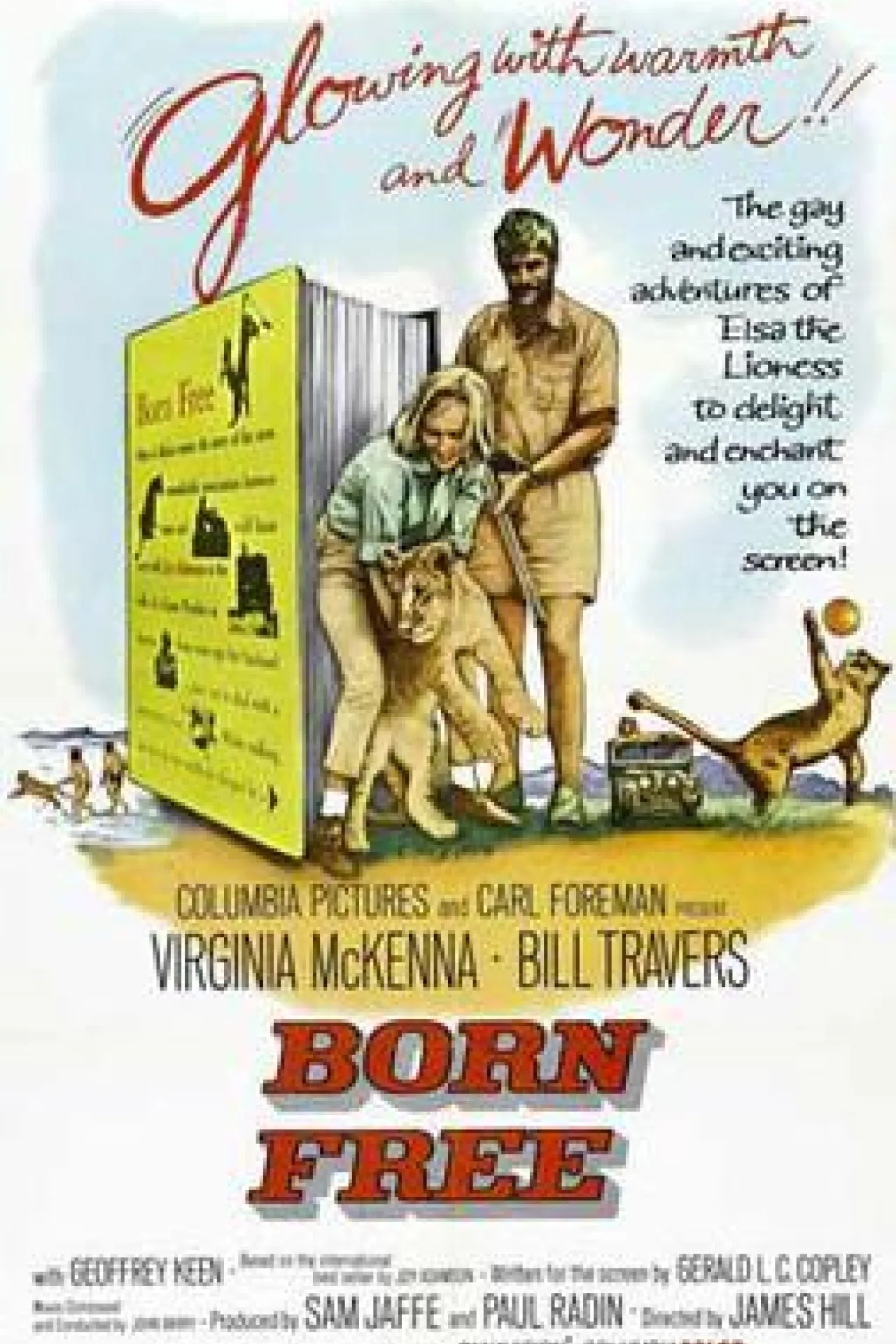
Filmed in Kenya and based on the real-life story of Joy and George Adamson, Born Free follows the raising and release of Elsa the lioness back into the wild. The film was instrumental in popularising modern ideas of wildlife rehabilitation and ethical conservation.
Its gentle pacing and emotional pull reflect a different era of filmmaking, but its legacy is profound – it influenced public attitudes towards wildlife protection and helped establish Kenya’s reputation as a destination for conservation-led tourism.
21. District 9 (South Africa, 2009)
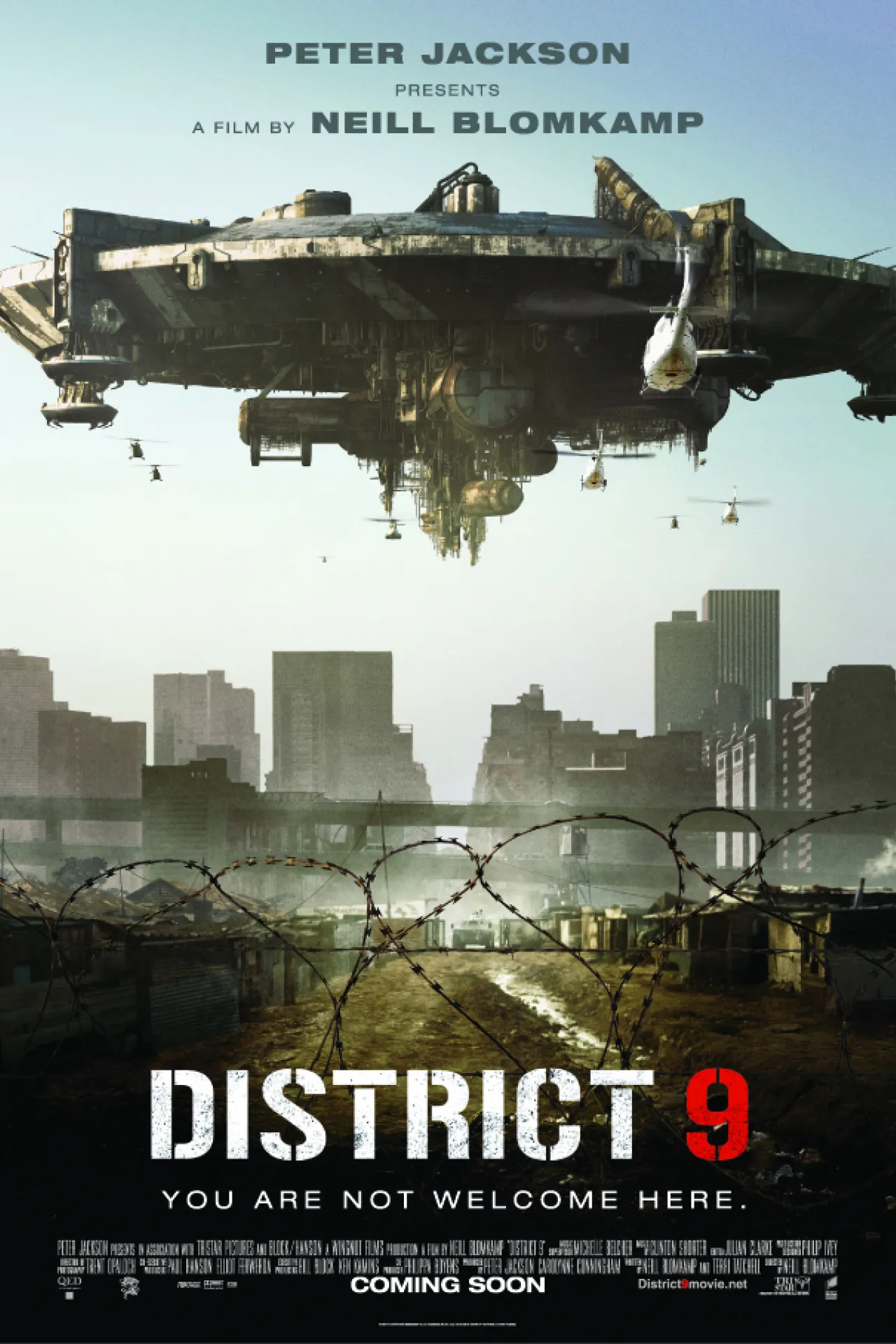
Image courtesy of Sony Pictures Tri Star Pictures 2009 Tri Star Pictures Inc.
District 9 uses science fiction to explore deeply rooted social issues in Johannesburg, where an alien refugee population is confined to segregated camps. The film draws explicit parallels with apartheid spatial planning, forced removals and xenophobia, embedding these histories in a provocative and entertaining way.
What gives the film its impact is how local its metaphors remain. Bureaucracy, violence and fear are depicted through recognisably South African institutions and attitudes, grounding the allegory in contemporary life. Beneath its action-driven surface, District 9 offers a sharp critique of power, othering and moral compromise in post-apartheid society.