Five fabulous things to do in Nairobi
Five fabulous things to do in Nairobi
| by Kate Turkington
Baby elephants sprinting for their bottles, endangered giraffes nibbling from your hand, drenching your senses in a lively market, artisans hand-painting tiny beads, and tea poured from silver teapots on an historic terrace … Welcome to Nairobi!
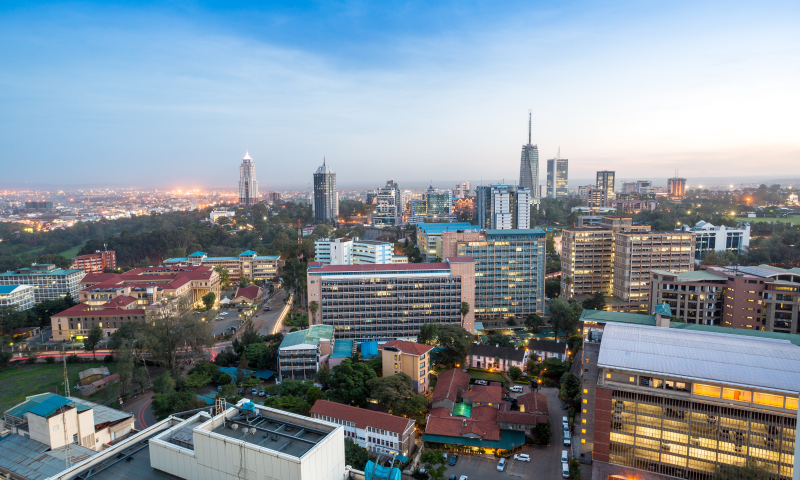
There are experiences a-plenty in Kenya’s vibrant capital, from up-close wildlife encounters to shopping and entertainment that’s steeped in the city’s history. Here are just a few, to whet your appetite.
Sheldrick Wildlife Trust
A highlight of your entire African journey will be a visit to the Sheldrick Wildlife Trust, founded in 1977 by Dame Daphne Sheldrick in honour of her late husband David, who had been instrumental in founding Kenya’s famous Tsavo East National Park.
The Trust’s first-of-its-kind mission was to rescue, rehabilitate and rewild orphaned elephants and rhinos, and although this still comprises a major part of its work, today its world-famous conservation efforts are spread much further afield.
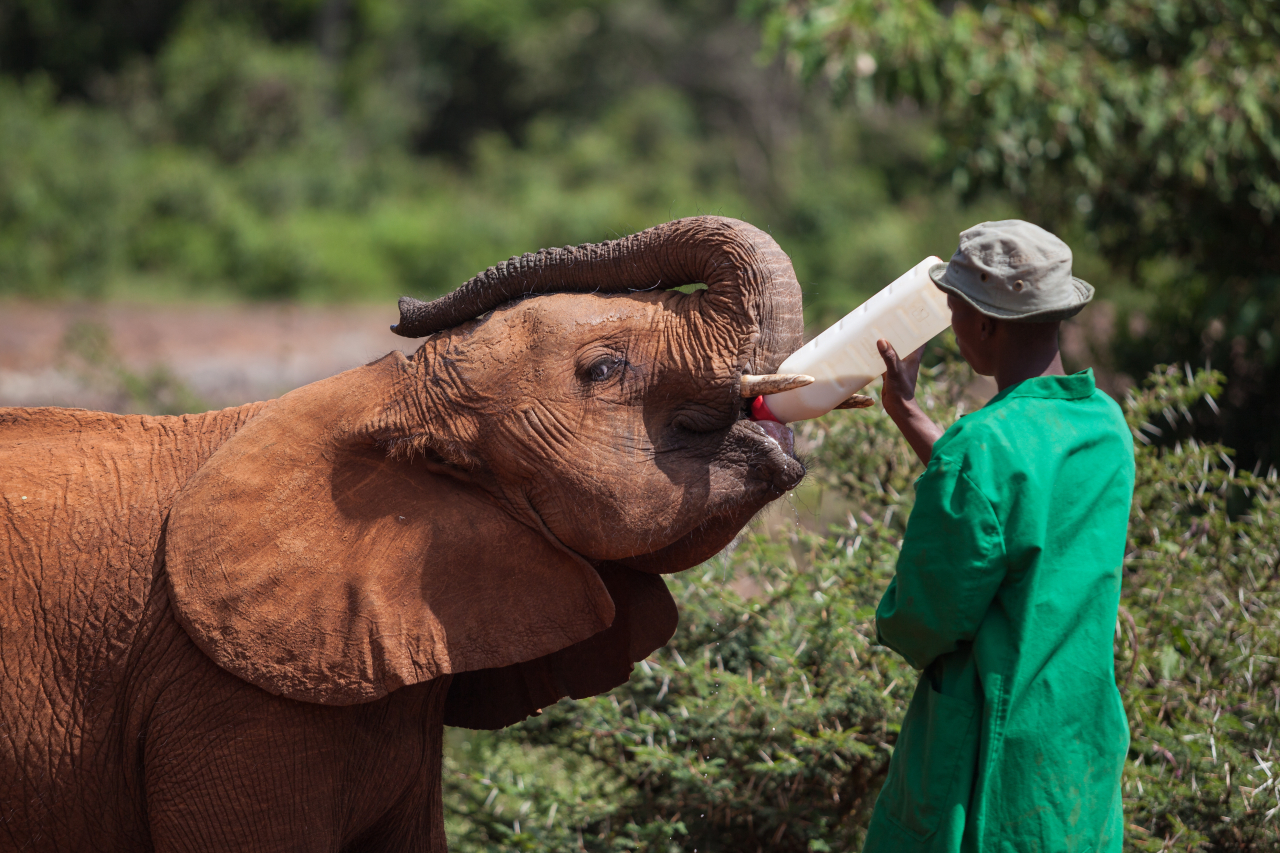
Get ready for your heart to melt. Book your place at the nursery herd’s midday milk feed and make your way to one of the different viewing platforms. Prepare for moments of pure delight as the orphaned baby elephants come running out of the forest for their bottles of specially formulated milk. Slurp, glug, swig and swallow.
Afterwards, it’s playtime. Have your cameras ready. Some babies will wallow and roll in the mud. Others fancy a bit of a wrestle and tussle. What about a dust bath? Expect lots of trumpeting for sheer joy. Every day is different, but you’ll never, ever be disappointed.
A senior keeper names the babies, tells their stories and describes their different personalities. Afterwards there’s always time to ask questions. While you’re here, why not adopt a baby elephant so these memories will stay with you long after you’re home?
The Giraffe Centre
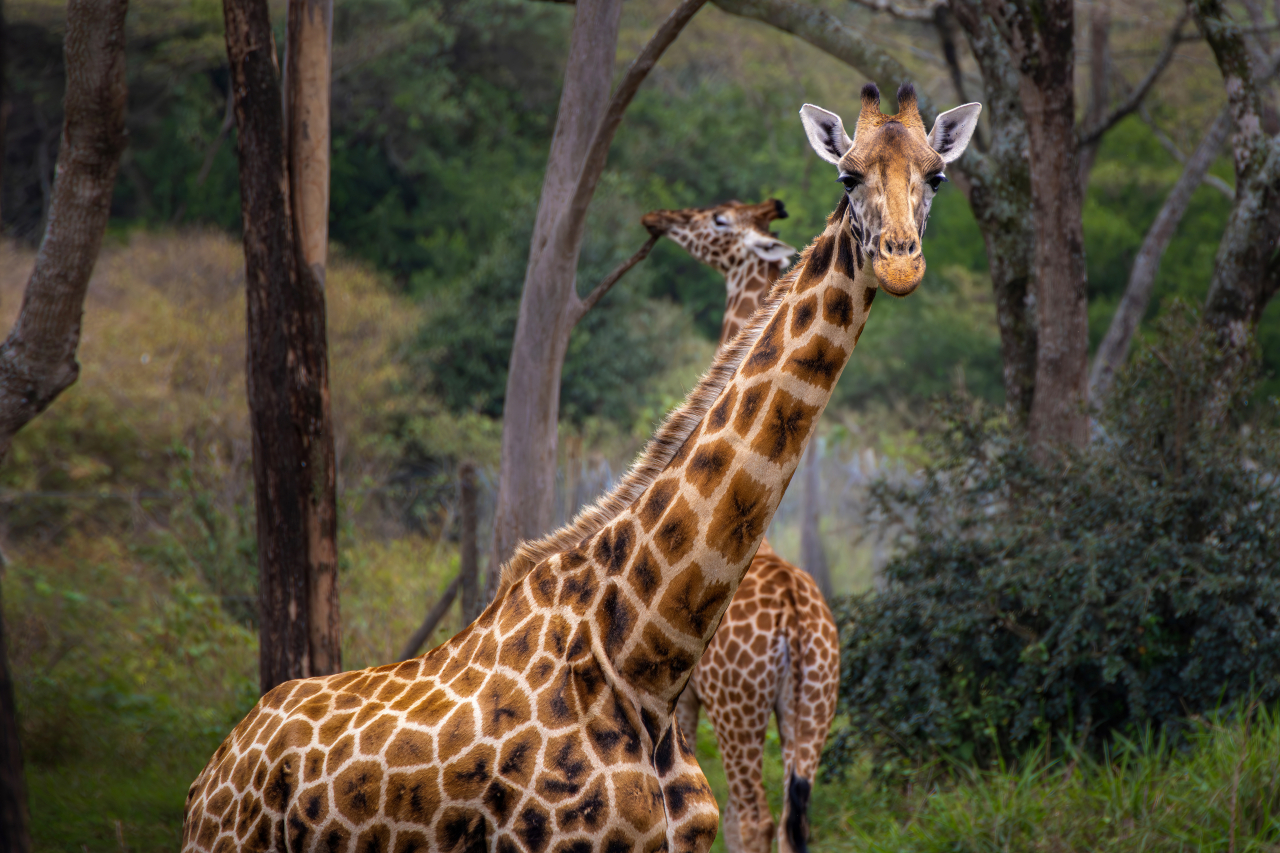
Be ready for another close encounter of a different kind at the Giraffe Centre, just outside Nairobi. Try to get there in the early morning to miss the crowds. Pop into the information centre first to discover how and why these endangered Rothschild’s giraffes are being cared for.
There’s a carefully monitored breeding research programme in place and when calves are independent enough to survive in the wild, they are released into safe Kenyan game parks and conservancies.
The Rothschild’s giraffes are different from those you’ve maybe already seen on your safari. Whereas their southern cousins have dark stars and jagged patterns that go all the way down to their feet, Rothschild’s are perhaps a trifle more elegantly patterned in tidy apricot and cream markings and white silky “stockings” stretching from knees to hooves.
You’ll literally come nose-to-nose with one from the high viewing platform. It’s an almost surreal (but wonderful) experience when you feed one with small pellets made of corn, wheat, grass and molasses. A long blue tongue curls gently out from soft lips to take the pellets from the palm of your hand, and impossibly long eyelashes brush your cheek. Chat to helpful khaki-clad staff to find out more.
If you’ve time, meander along the 1.5km (just under 1 mi) nature trail and spot lots of birds, and maybe a small antelope or squirrel, before refreshments at the Tea House. Don’t miss the excellent gift shop, which has good quality clothing and souvenirs, and some interesting student artwork.
The Maasai Market
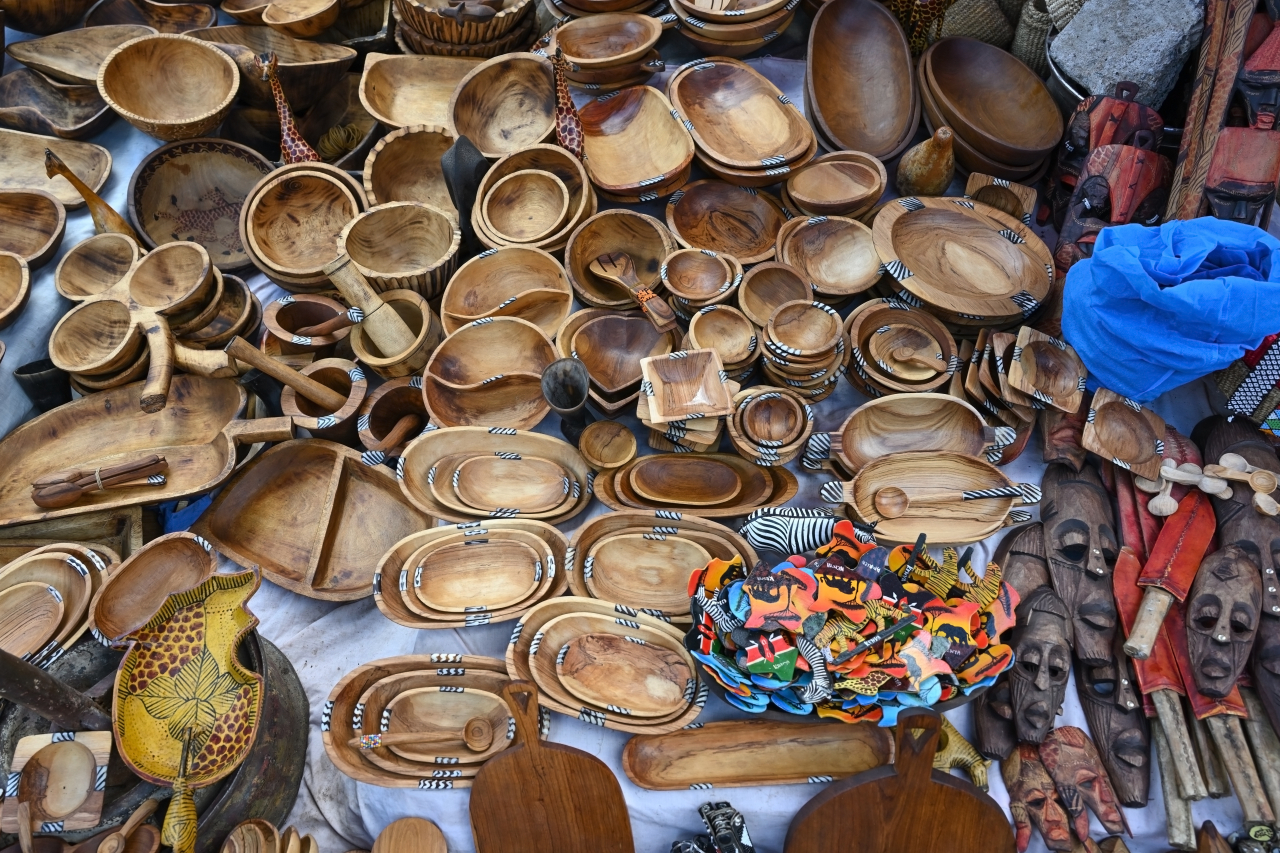
This fascinating market, which moves around the city on different days of the week, certainly isn’t for the faint-hearted – but if you love bargaining and can handle crowds, then give it a go.
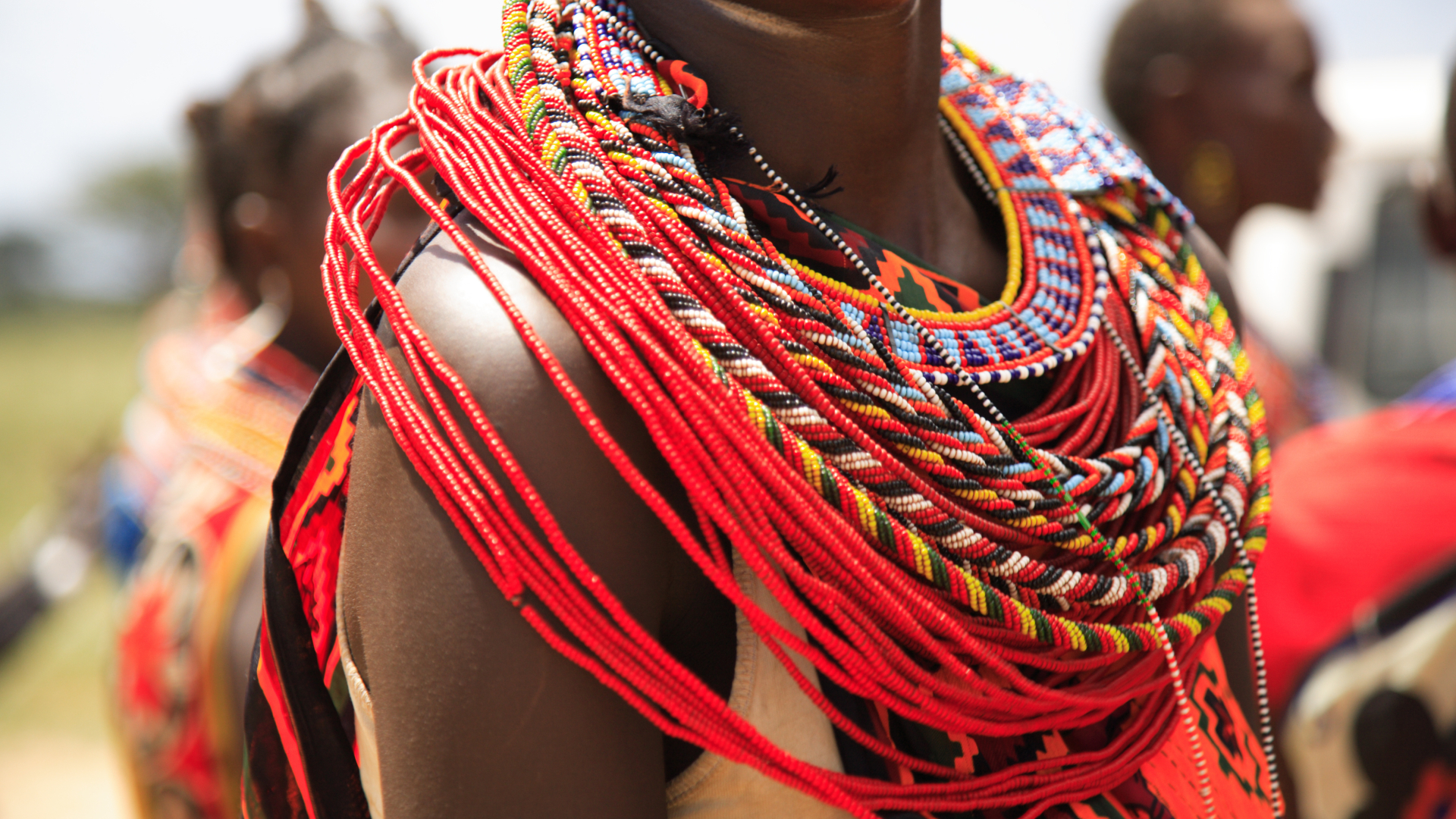
Immerse yourself (take a guide if you need help) in vibrant fabrics, carved animals, handmade jewellery, handwoven baskets, soapstone carvings, leather sandals and bags, baubles, bangles and beads, and the noise and bustle of an authentic African market.
By no means is every stallholder a Maasai. “Maasai Market” has rather become shorthand for a broad Kenyan craft market where you’ll be supporting local artisans.
The Kazuri Beads factory
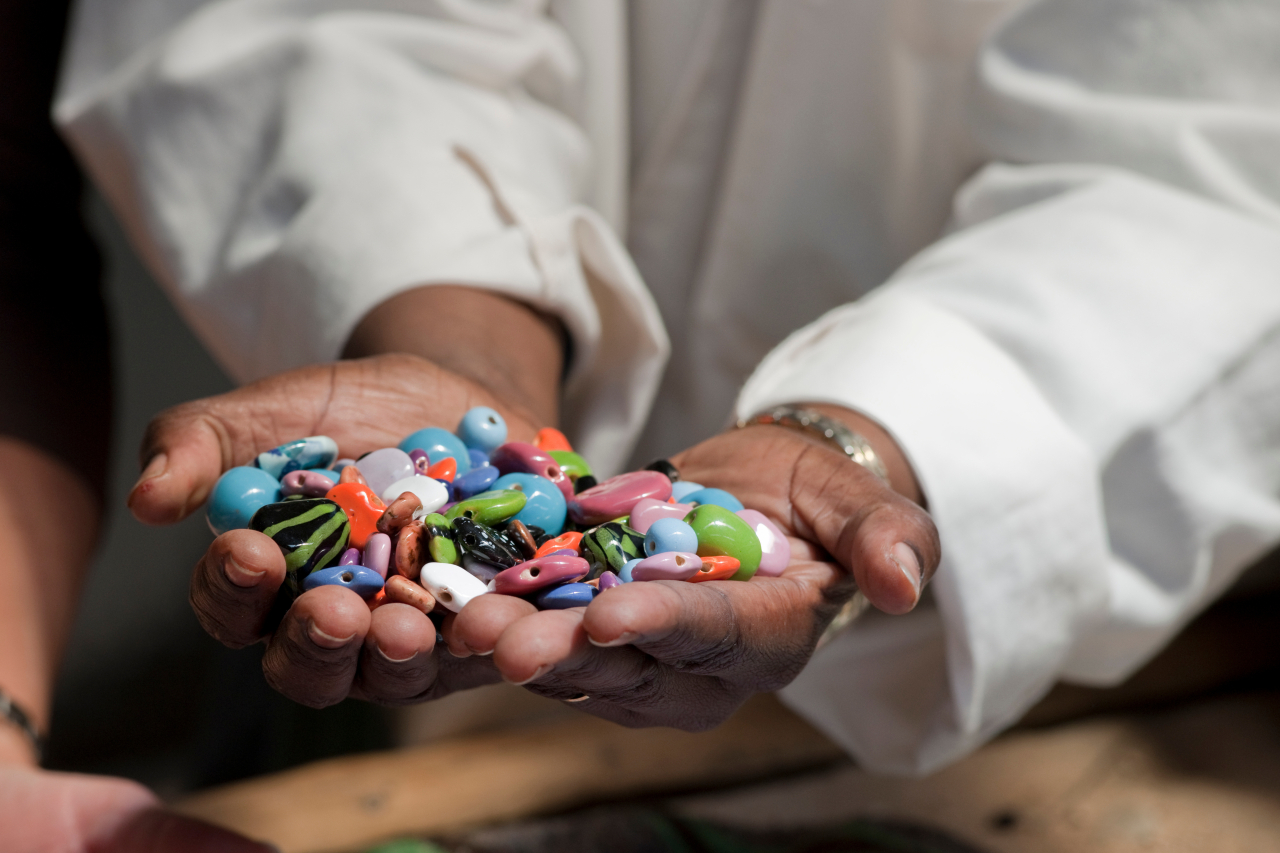
If you’re not up to the Maasai Market, but are looking for beautiful gifts for yourself or your friends and family, then drop in to this decades-old bead factory where local women ply their craft. Kazuri means “small and beautiful” in Swahili, and the word perfectly describes the handmade ceramic beads and jewellery fashioned here.
Once a small workshop giving opportunities to disadvantaged women, the establishment now employs over 200 women and their jewellery is sold worldwide. Take a tour and watch beads being made from local clay and how the women hand-paint and kiln-fire each tiny, unique work of art.
Don’t expect to bargain here, but the prices are fair and affordable. If you yield to temptation and buy a lot, don’t worry because your purchases can be safely shipped home for you.
The local Kenyan coffee is a highlight at the small café, where you can also grab a bite after your approximately one-hour tour.
Fairmont The Norfolk
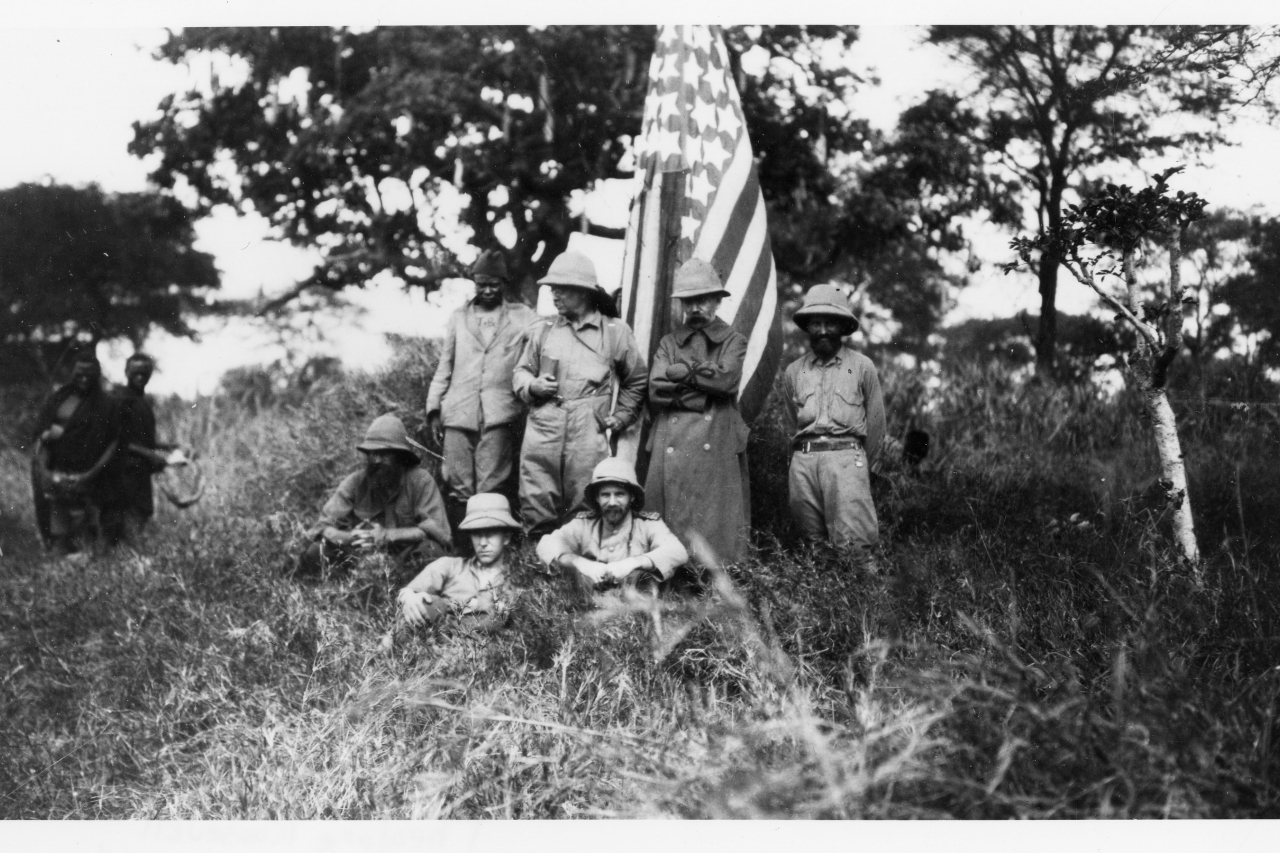
Image courtesy of the Smithsonian Institution Archives (SIA).
Well over 100 years ago, when Nairobi was not much more than a dusty railway outpost, on Christmas Day 1904 retired British Army officer Major CGR Ringer opened what was the township’s first luxury hotel. The Norfolk boasted hot and cold baths, a billiard room and a French chef.
As the hotel grew and blossomed it became the watering hole not only for Kenya’s colonial elite and pioneer settlers, but also for the international set of big-game hunters, intrepid explorers and celebrities of the day. US President Teddy Roosevelt set out for a grand safari from here, Ernest Hemingway almost certainly quaffed a scotch and soda on the legendary Lord Delamere Terrace, and author Karen Blixen (“I had a farm in Africa …”) chatted here with her friends.
Over the years, as the hotel’s reputation as a social hub thrived and Nairobi grew from a frontier town into a capital city, a Tudor façade (unique in East Africa) was added, and more rooms, tropical gardens and a courtyard.
In 2007 Nairobi’s “Grande Dame” of a hotel became part of the luxury Fairmont brand. If today she doesn’t seem to have quite the clout and glamour of her heady past, perhaps if you take afternoon High Tea in the courtyard with freshly baked scones, or sit on the terrace as live jazz plays and the sun slips behind Nairobi’s modern skyline, you might just imagine that you can hear the tinkle of a laugh as a long dress swishes past you, or a ghostly chuckle from a long-dead adventurer.