Best things to do in Cape Town: iconic places
Best things to do in Cape Town: iconic places
| by Willem Steenkamp
South Africa’s oldest city, Cape Town offers visitors a cornucopia of experiences that capture its one-of-a-kind history, natural beauty, heritage and culture.
Here is a selection of the most iconic, not-to-be-missed attractions in the Mother City, the places and experiences that define it.
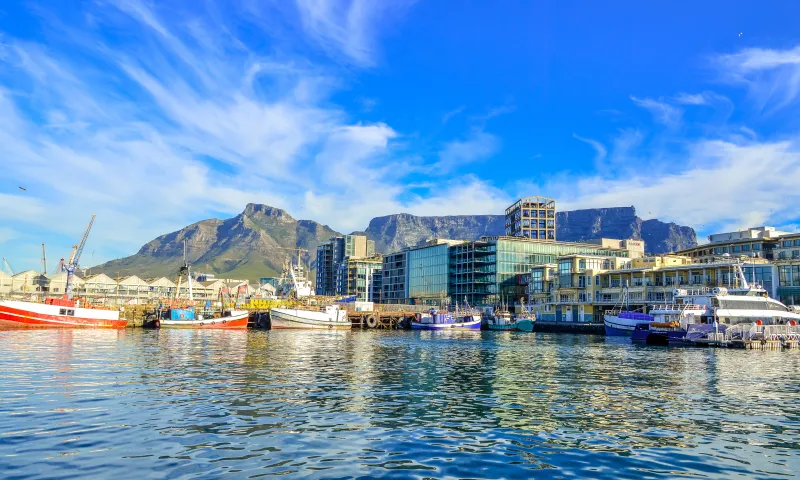
Table Mountain
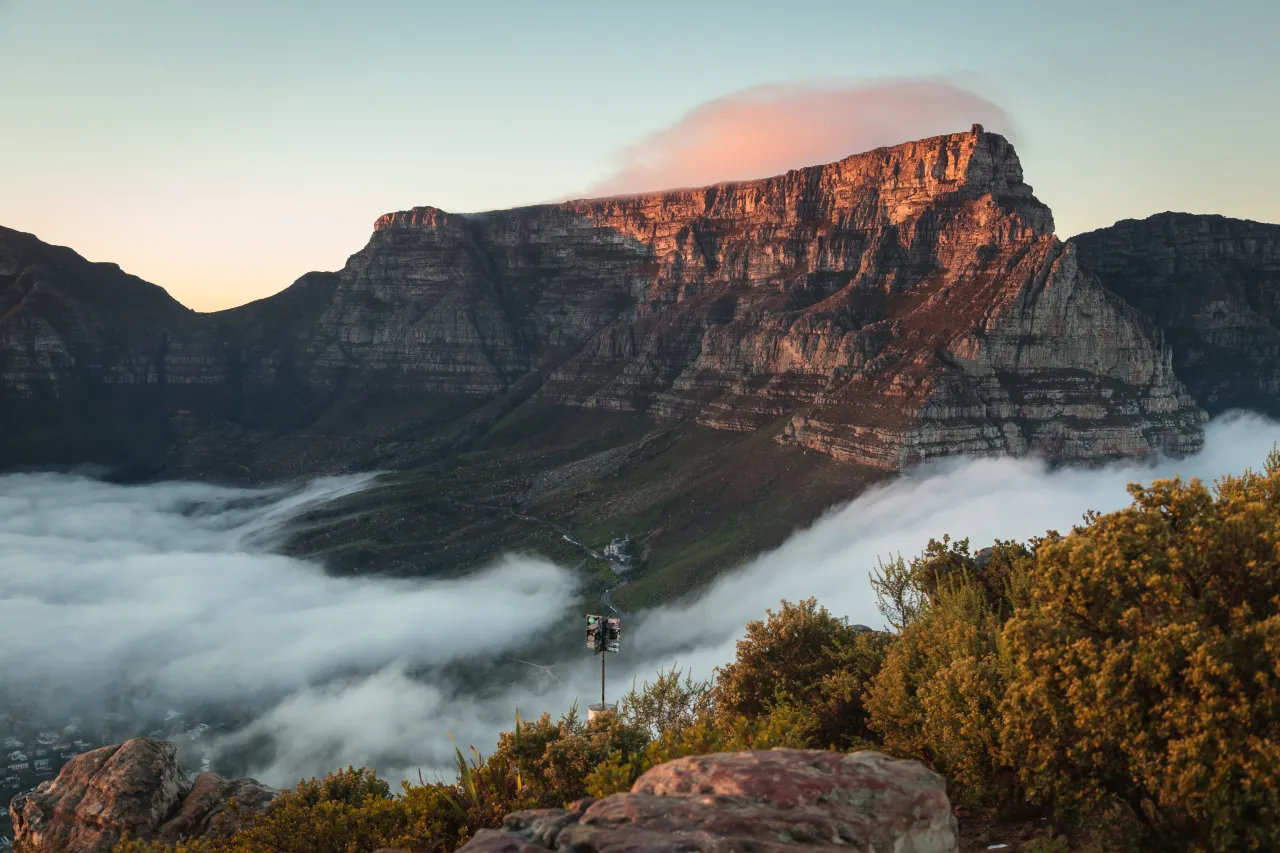
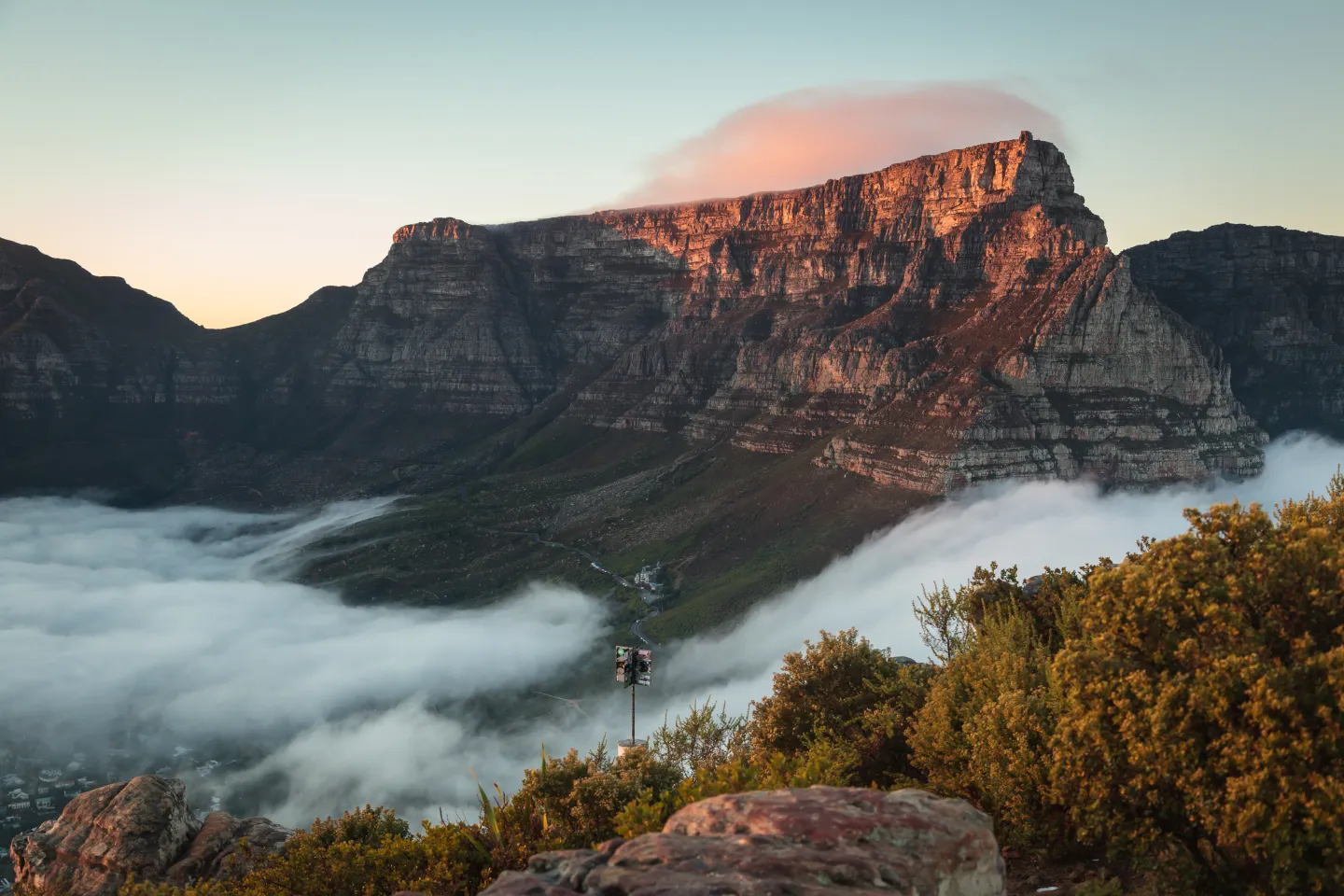
Let’s start with the city’s most obvious physical feature: Table Mountain. A flat-topped mountain that forms a dramatic backdrop to the inner city, it even features a cloud “tablecloth” when the city’s trademark south-easterly wind blows.
Called Hoerikwaggo (meaning “risen from the sea”) by the Cape’s original Khoekhoe inhabitants, Table Mountain has the distinction of being the only landmark on Earth to have a stellar equivalent: Mensa (meaning “table”, originally Mons Mensa – Table Mountain), a constellation in the Southern Celestial Hemisphere.
Table Mountain National Park, of which it is part, boasts over 8 200 plant species, of which 80% are endemic fynbos, which make up the Cape Floristic Region, a World Heritage Site. Around 1 500 fynbos species are found only on Table Mountain and the Back Table, to its rear.
Getting up the mountain is easy with the Table Mountain Aerial Cableway but the more energetic can walk up the mountain along several routes, the most prominent being Platteklip Gorge, which splits the cliffs on the front side of the mountain.
Bo-Kaap
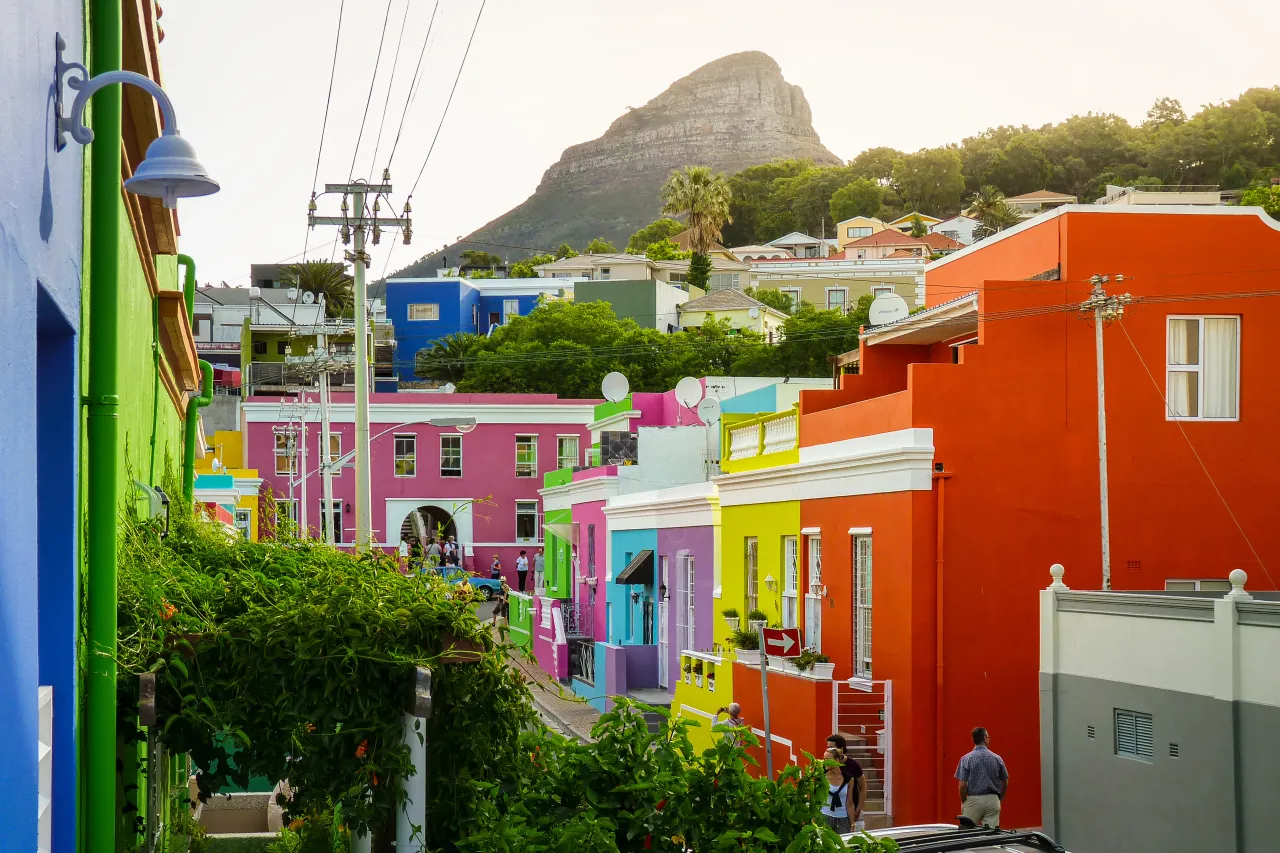
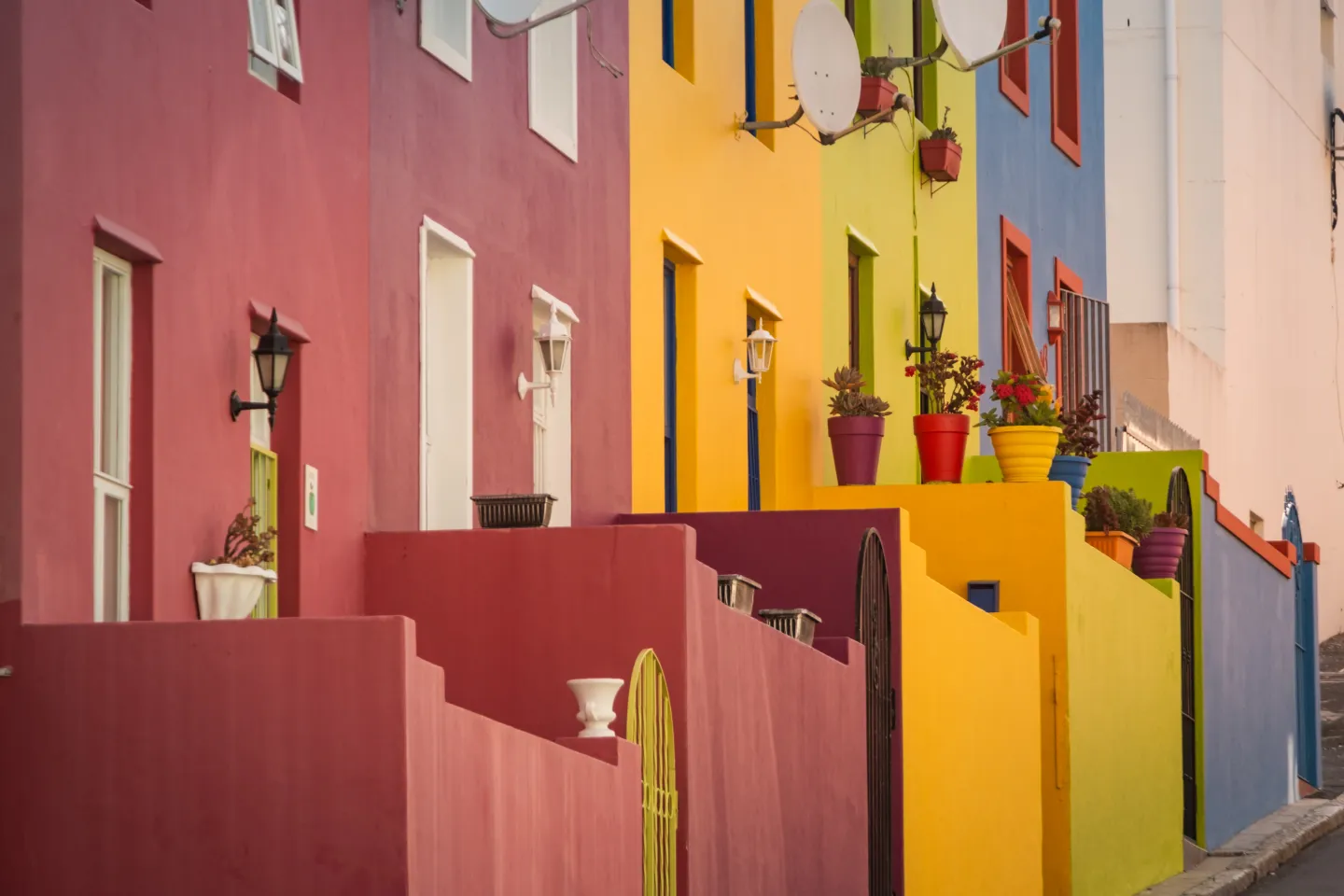
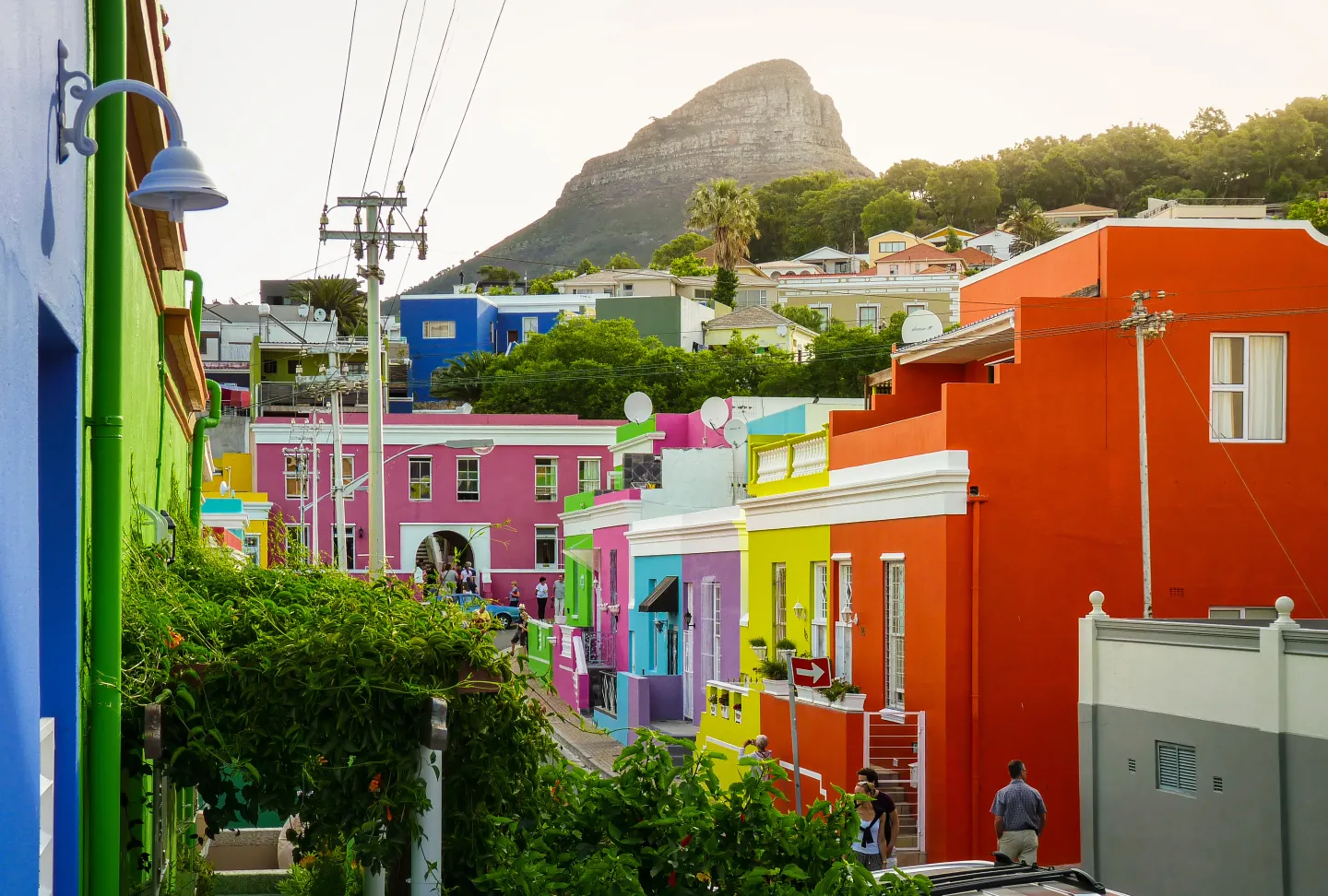
Bo-Kaap (meaning “upper Cape”) and formerly known as the Malay Quarter, is Cape Town’s oldest surviving residential area. Noted for its brightly painted homes and cobbled streets, this picturesque suburb on the slopes of Signal Hill boasts beautiful views of the city centre and Table Mountain.
While it has gentrified in recent years, Bo-Kaap has largely retained its strong multicultural heritage and more than half of its residents are Muslim. This heritage is palpable, from muezzins calling the faithful to prayer to the delicious local soul food, such as mutton or sugar-bean salomies (rotis) washed down with sweet and spicy masala tea.
In fact, if you love the food (and we’re sure you will!), you can even take part in a home chef cooking experience in the Bo-Kaap and learn how to make authentic Cape Malay dishes. Rounding out this absorbing cultural experience is a stop at the Bo-Kaap Museum, which portrays the home of a wealthy 19th century Cape Malay family.
V&A Waterfront
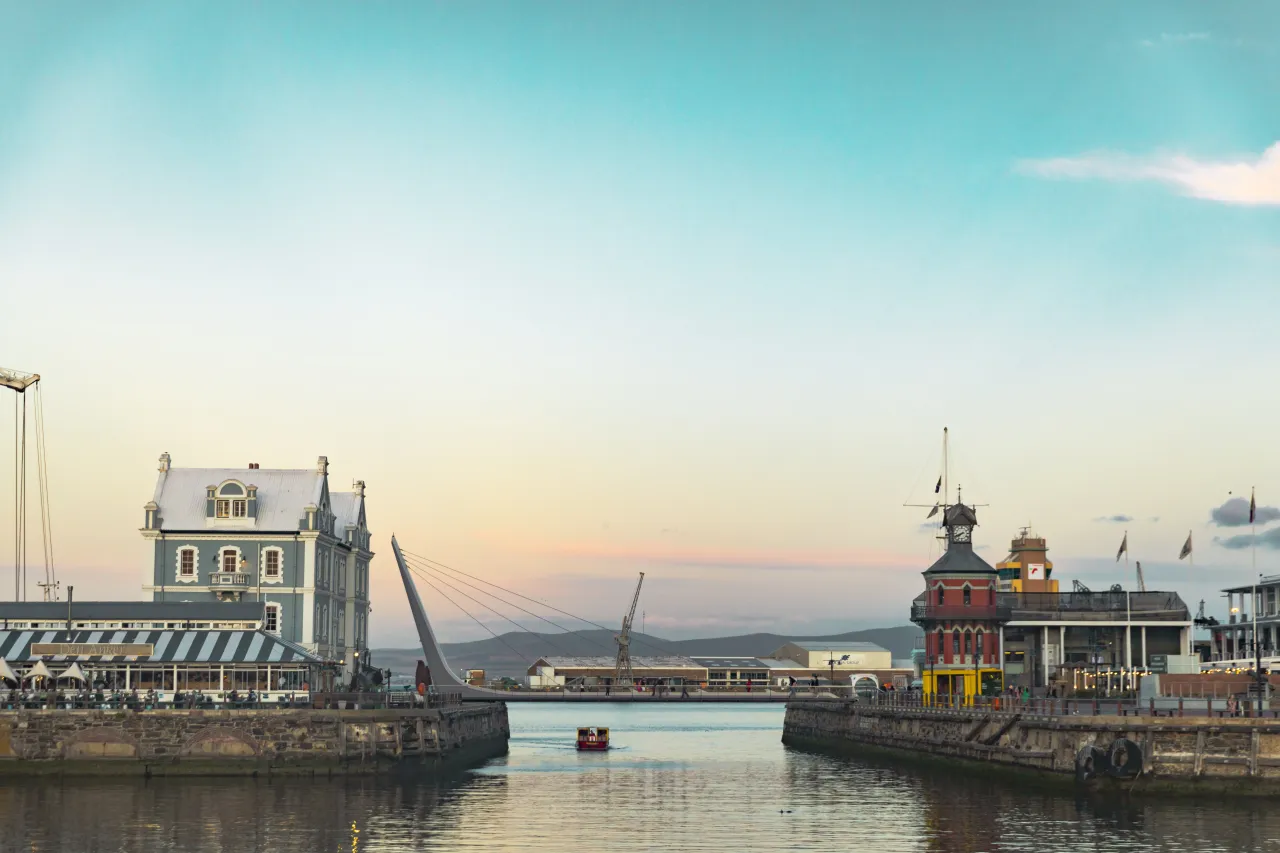
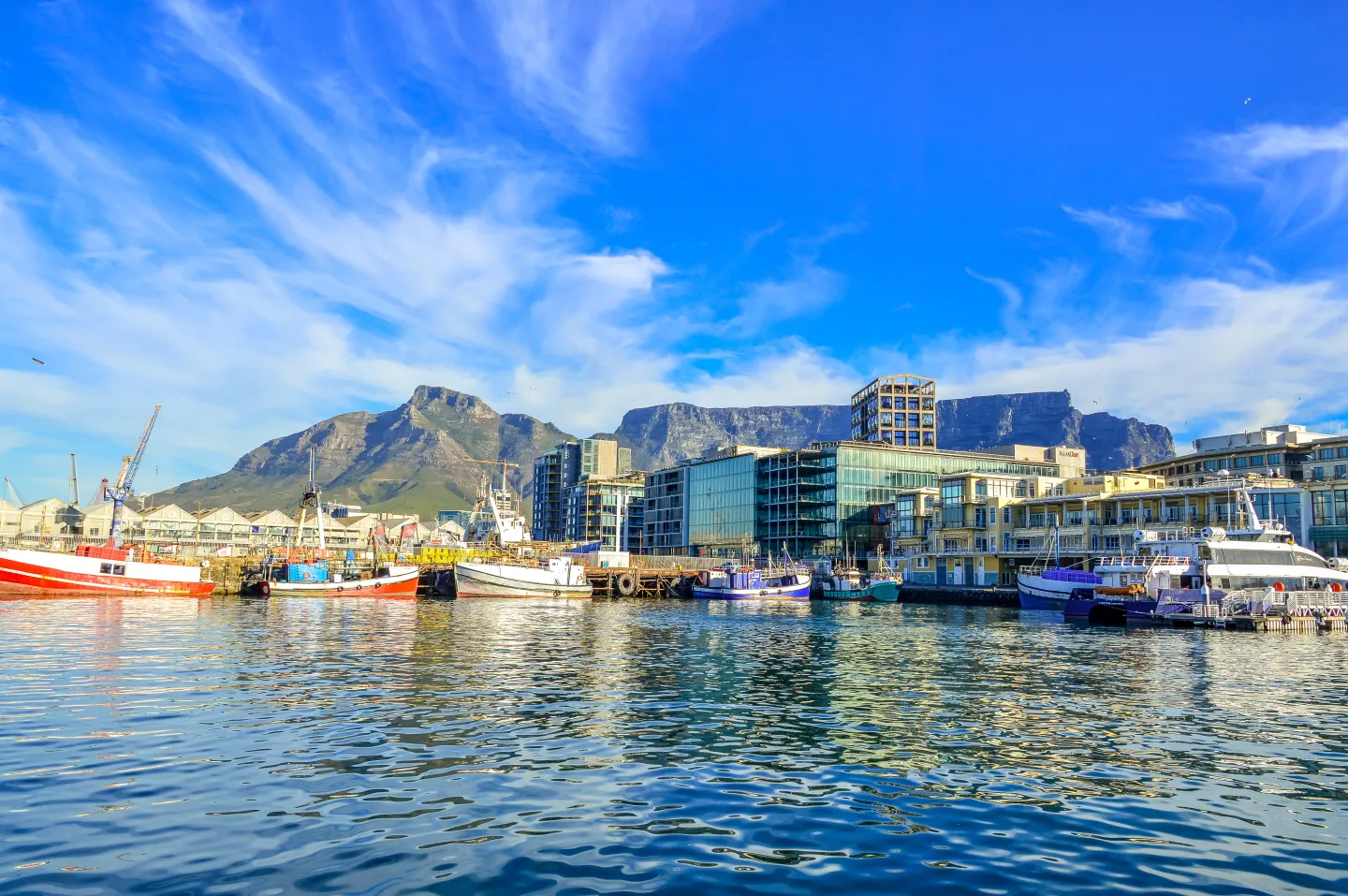
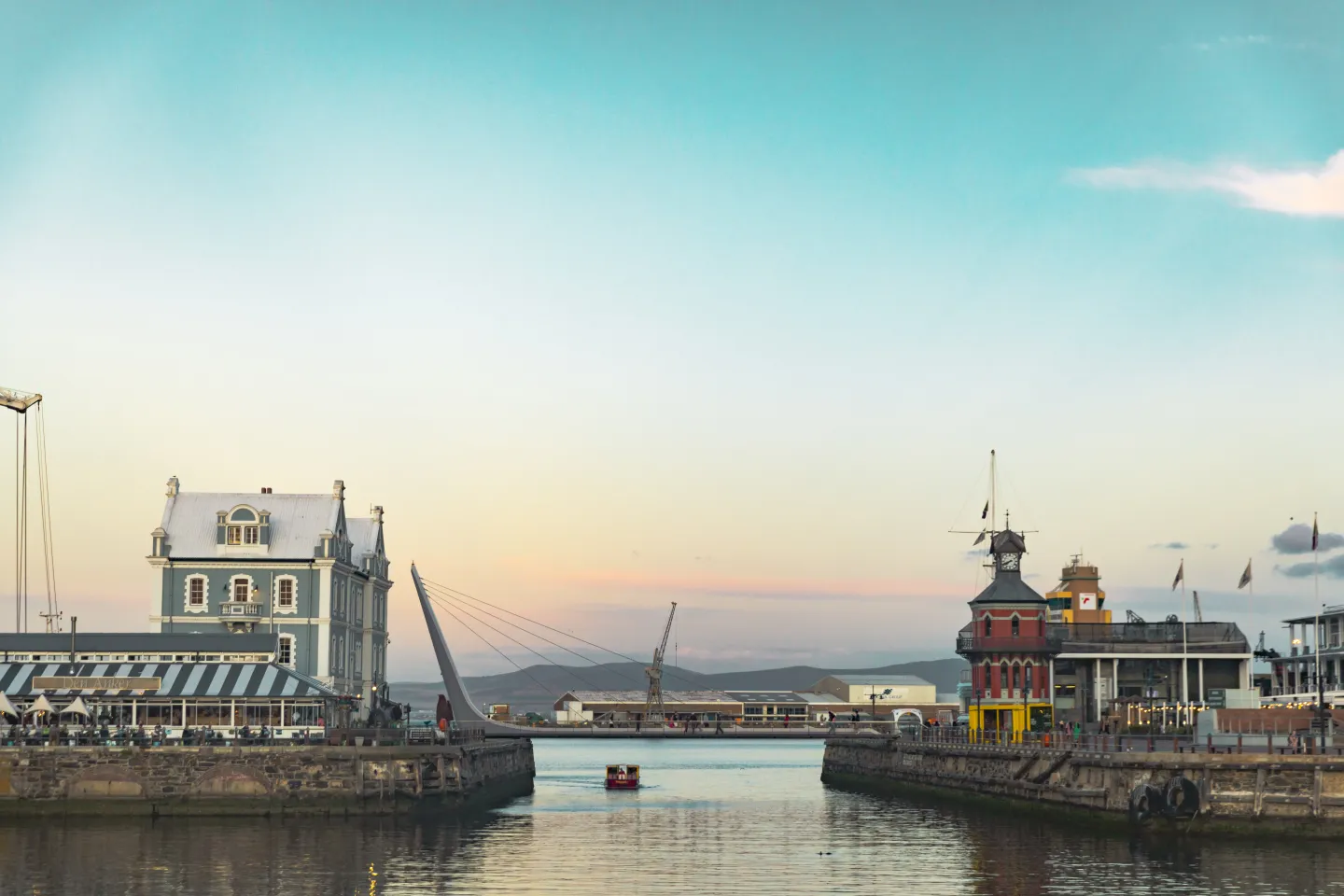
At the foot of Signal Hill, and by far Cape Town’s most popular attraction for locals and visitors alike, drawing millions of people annually, the V&A Waterfront is situated in the working docklands of Table Bay Harbour.
It’s from the Waterfront that ferries to the world-famous Robben Island depart. Many of the old harbour’s iconic buildings, such as the bright red Clock Tower, have been preserved, and the site of the Amsterdam Battery – part of the original system of fortifications around the Cape – has been repurposed as a mutli-functional public space, Battery Park.
A shopping, culinary and entertainment mecca, the Waterfront is the place to go for fashion, dining out, live performances, art, movies, pubs, cruises and more besides. There’s always something happening there.
The Castle of Good Hope
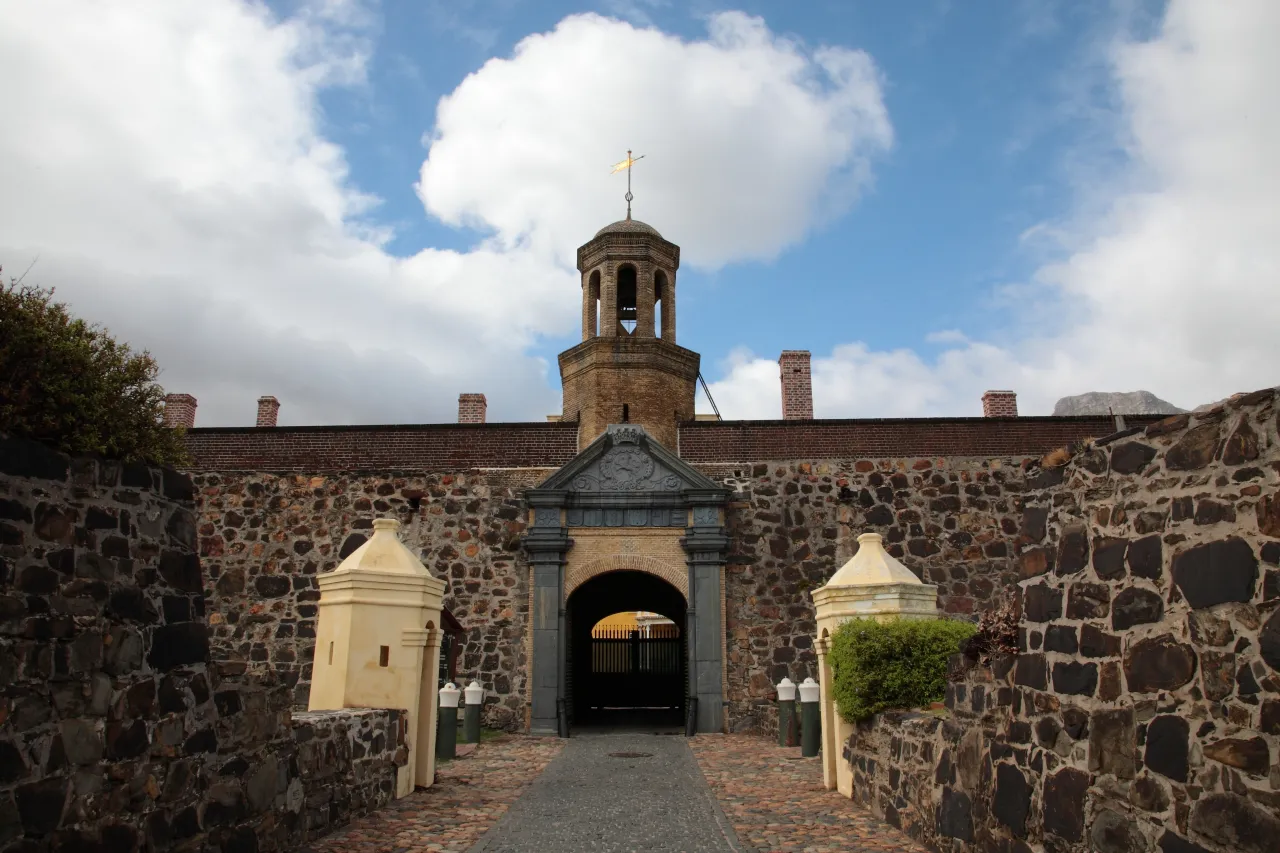
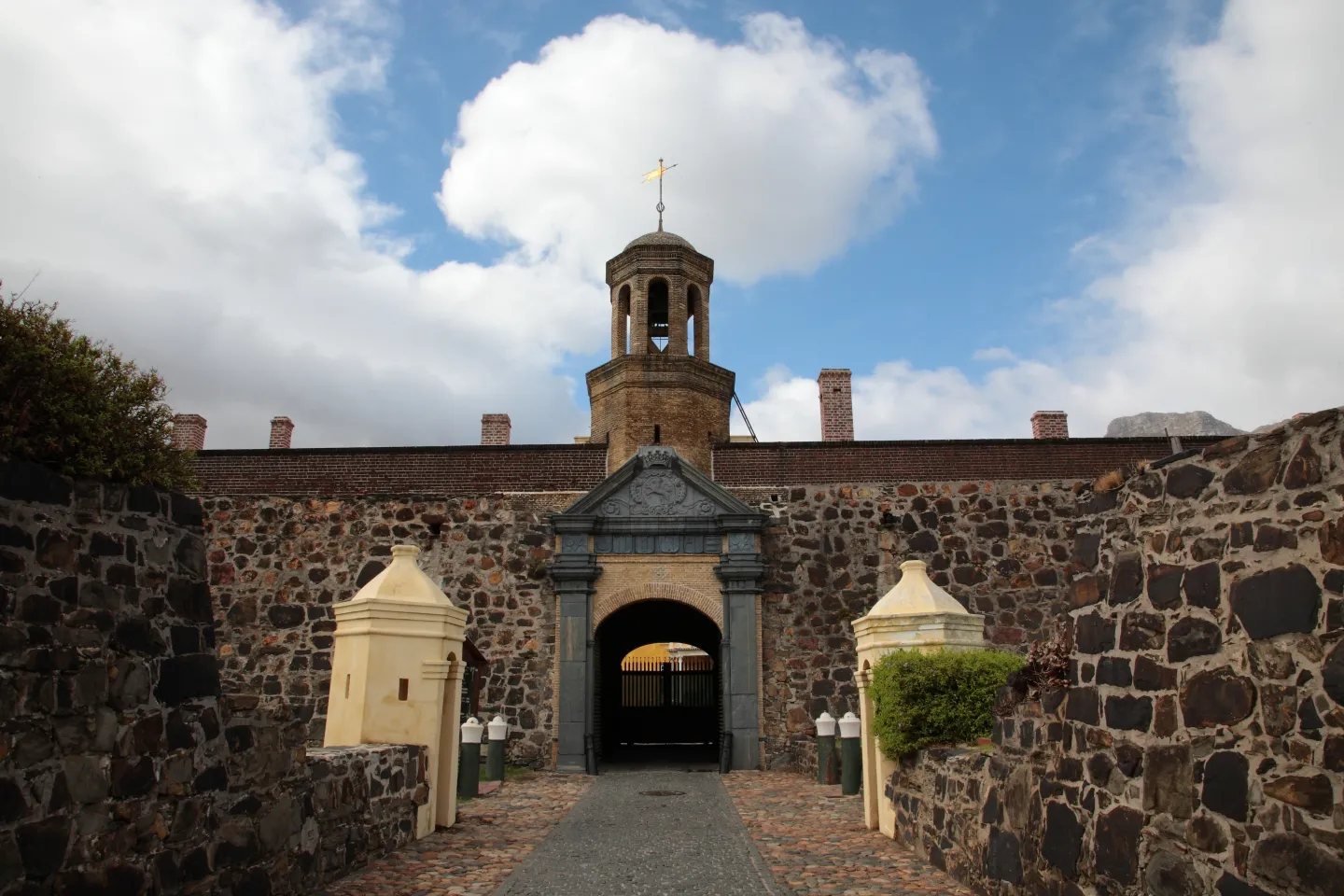
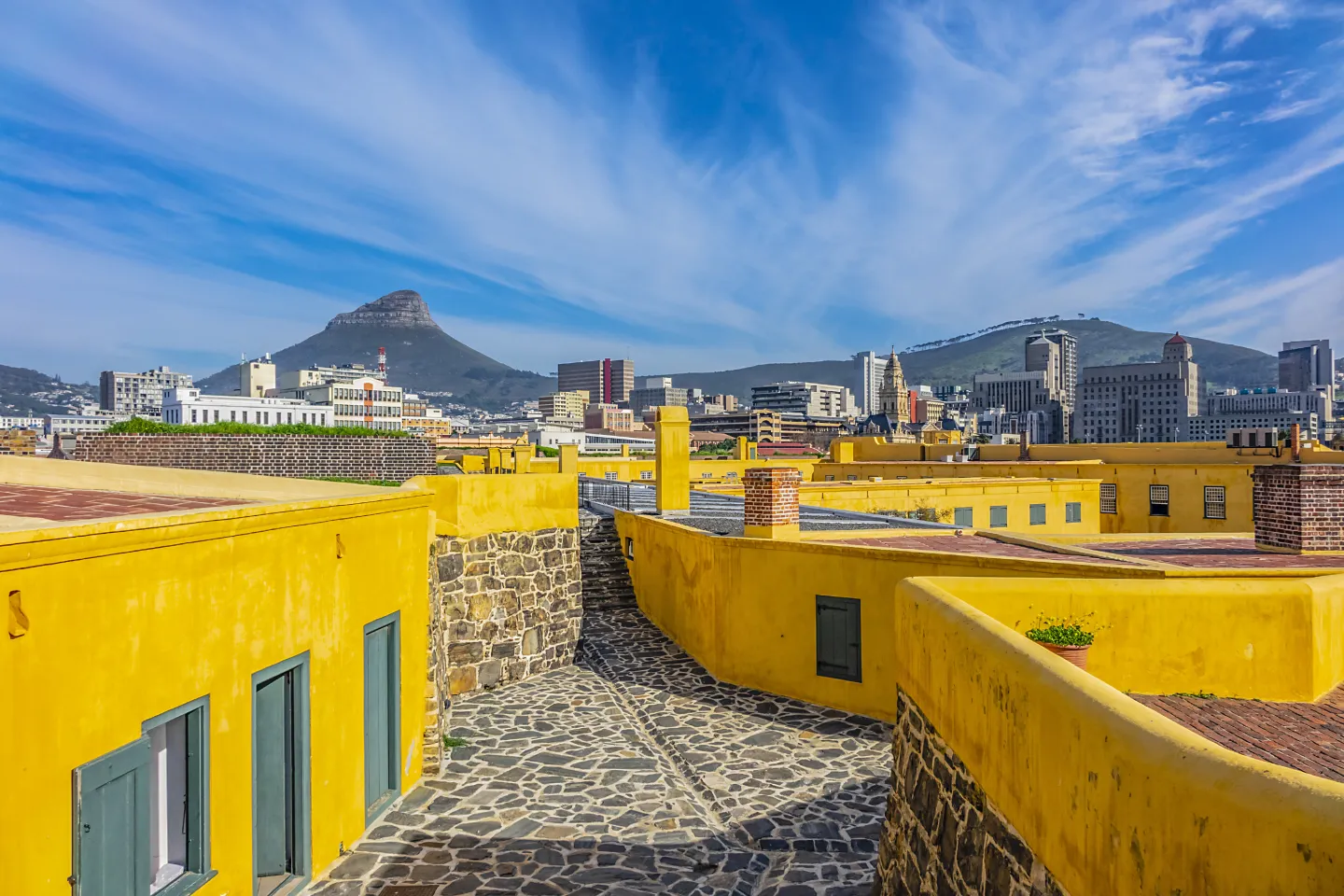
South Africa’s oldest extant building, the Castle of Good Hope – which isn’t actually a true castle, but a five-pointed star fortress of Milanese design – dates back to 1666. Still a working military headquarters, it is nevertheless open to the public and tours are offered.
The Castle wears its history proudly, and its various colonial and post-colonial eras are easy to identify and explore. From the Donker Gat (“dark hole”) dungeon and the graffiti-laden jail to the Iziko William Fehr Collection of art, furniture and ceramics, there’s a lot to see and do – and the Castle Guard, a ceremonial unit that has its roots in the castle’s original garrison, changes the guard at noon on weekdays.
Groot Constantia
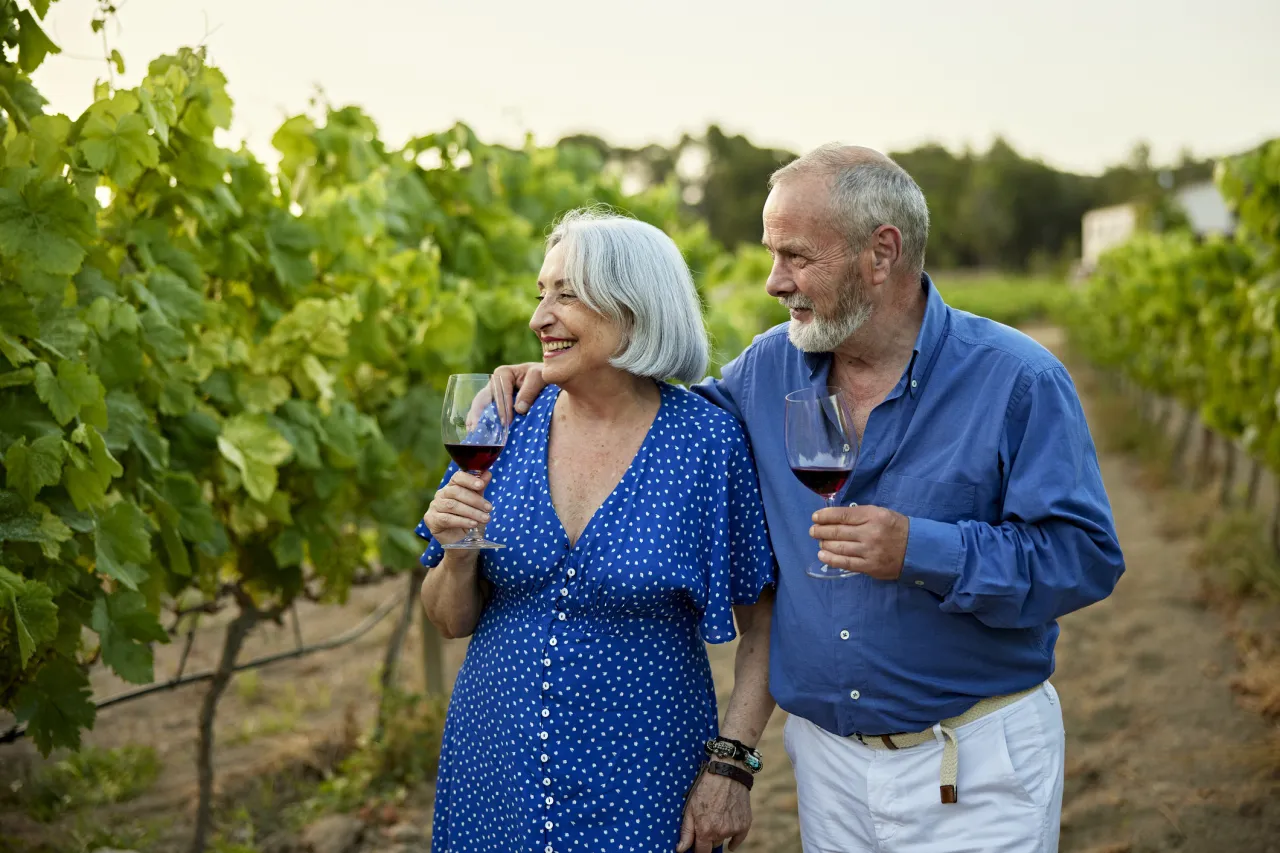
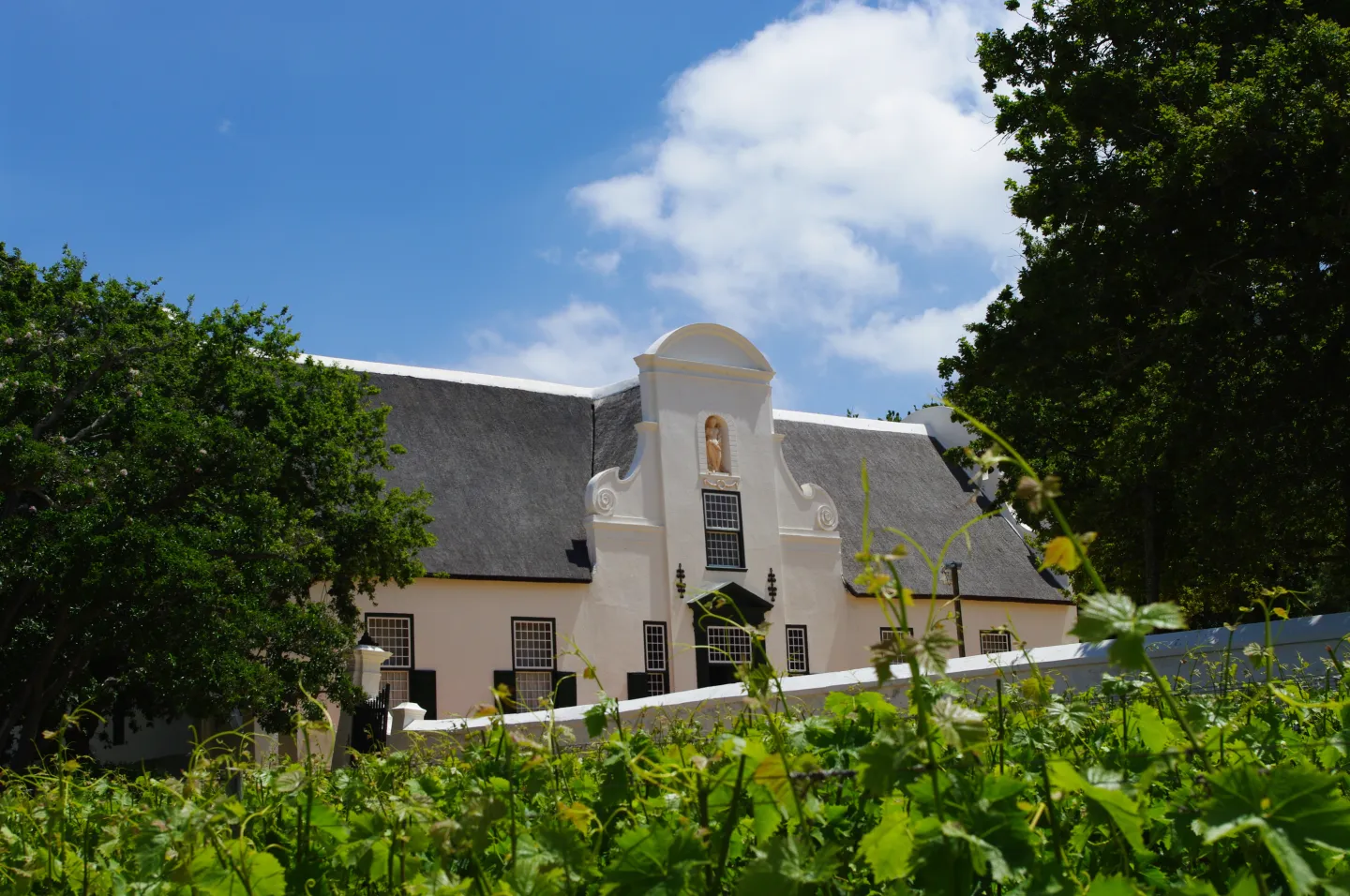
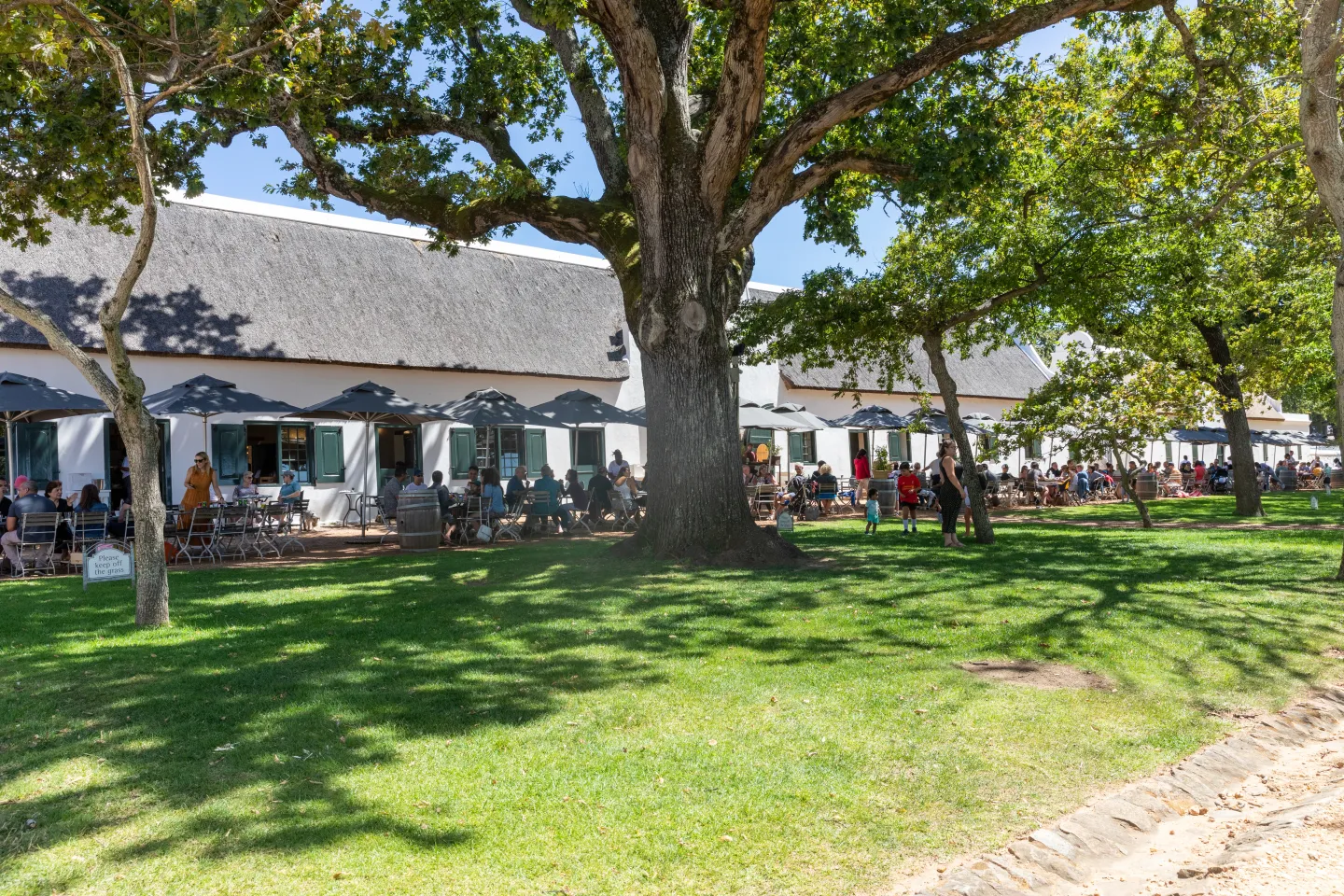
Established in 1685, Groot Constantia is South Africa’s very first wine estate. Noted for centuries for its excellent wines – it even features in Jane Austen’s 1811 novel Sense and Sensibility, when Mrs Jennings recommends some “constantia” as a remedy for a broken heart, it remains one of South Africa’s leading producers of red and dessert wines.
Explore its historic buildings and museum, take a scenic walk, enjoy wine tastings (and buy wine), or dine at one of its two leading restaurants.
And if you’re a serious wine lover, there are several other top estates on the Constantia wine route to discover, including Klein Constantia, Buitenverwachting, Constantia Uitsig, Steenberg, Constantia Glen, Eagles Nest and High Constantia.
Kirstenbosch National Botanical Garden
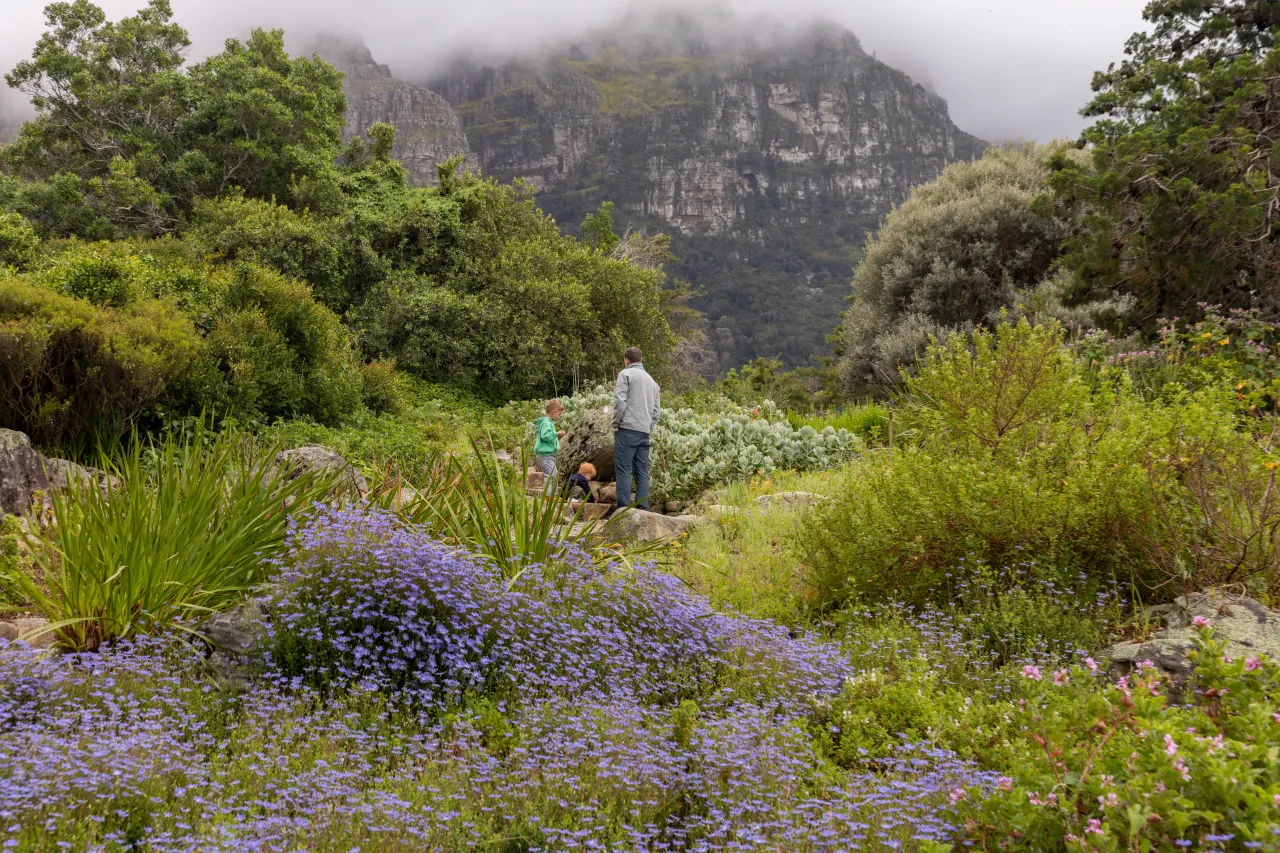
We started with Table Mountain, so we’ll end there too.
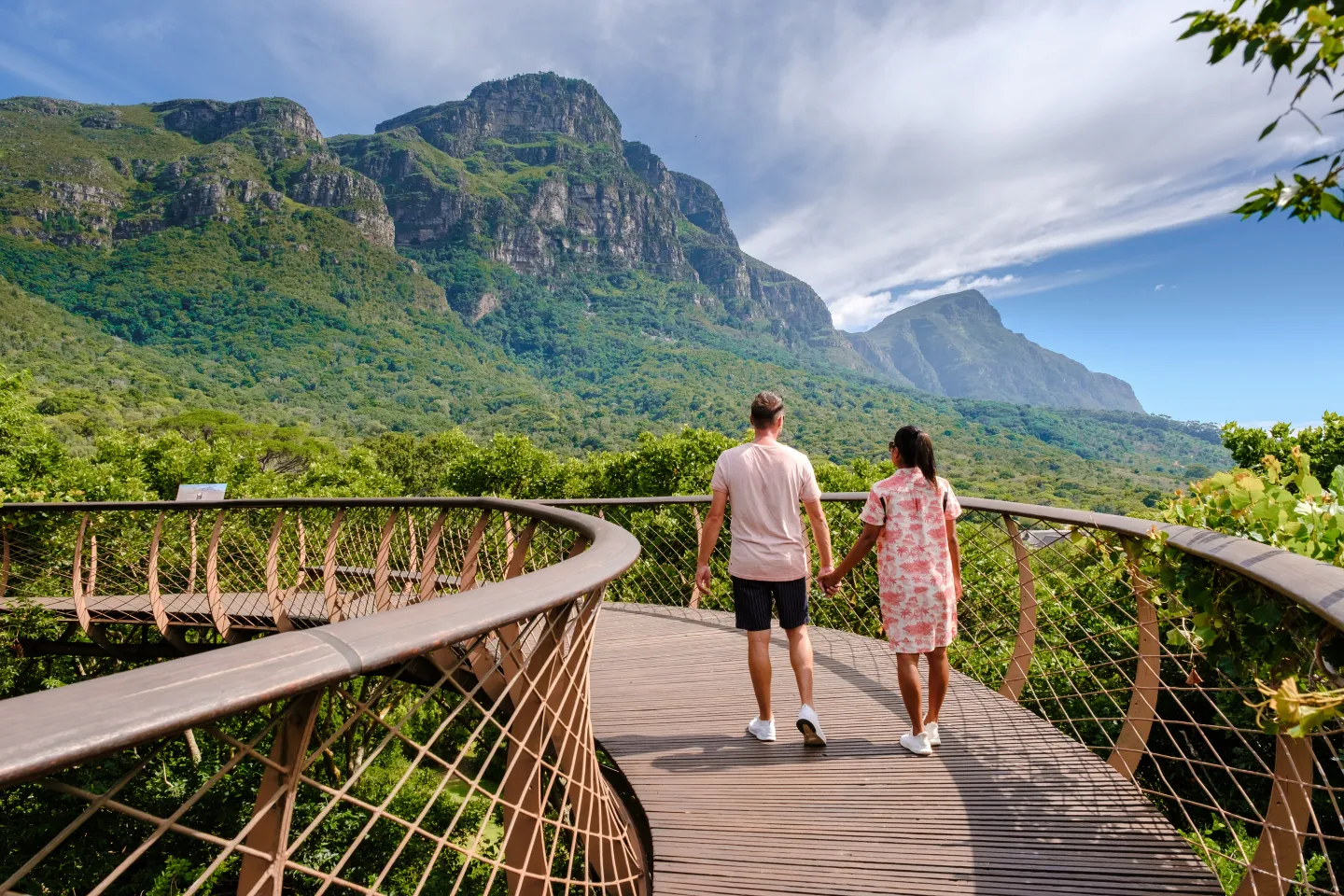
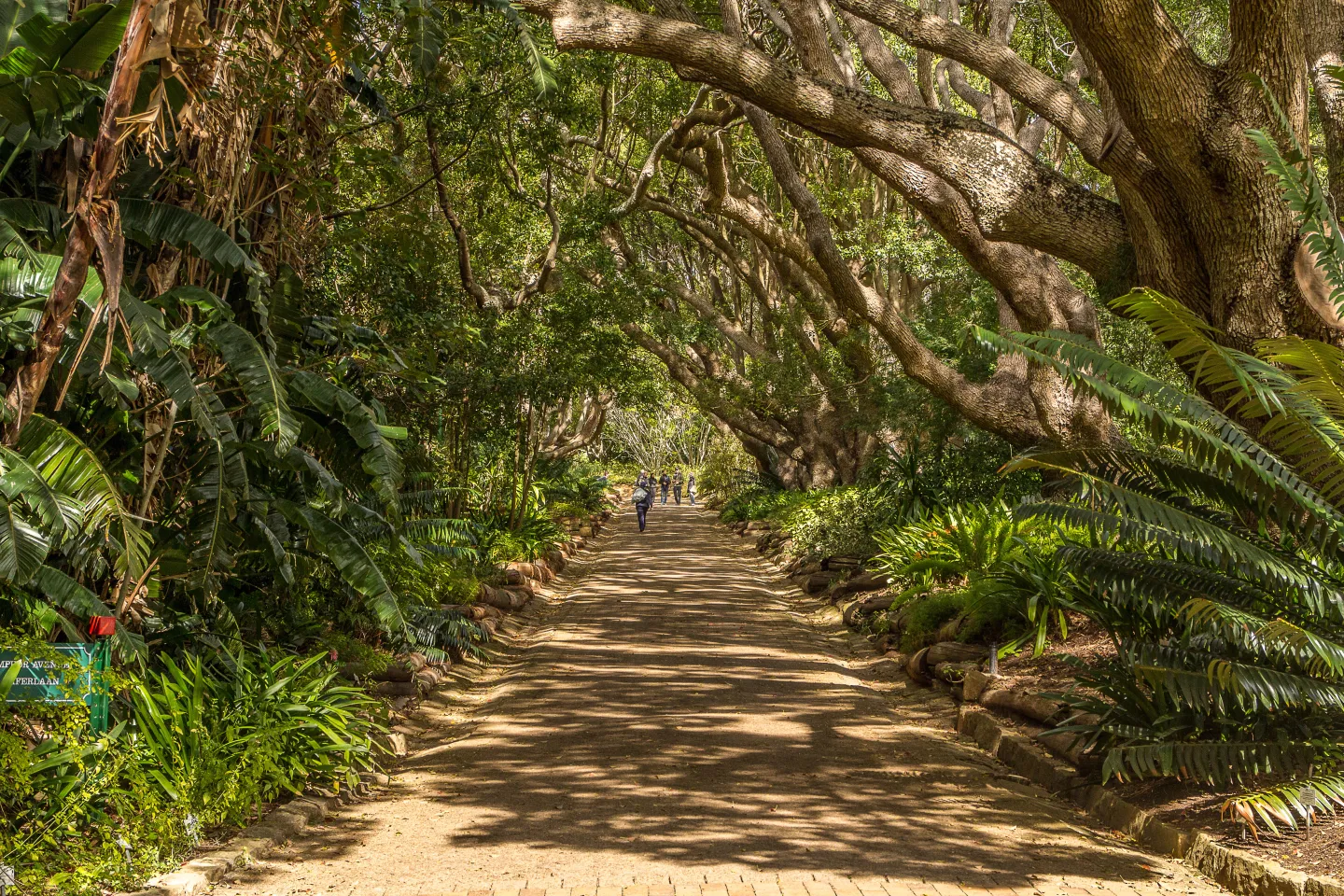
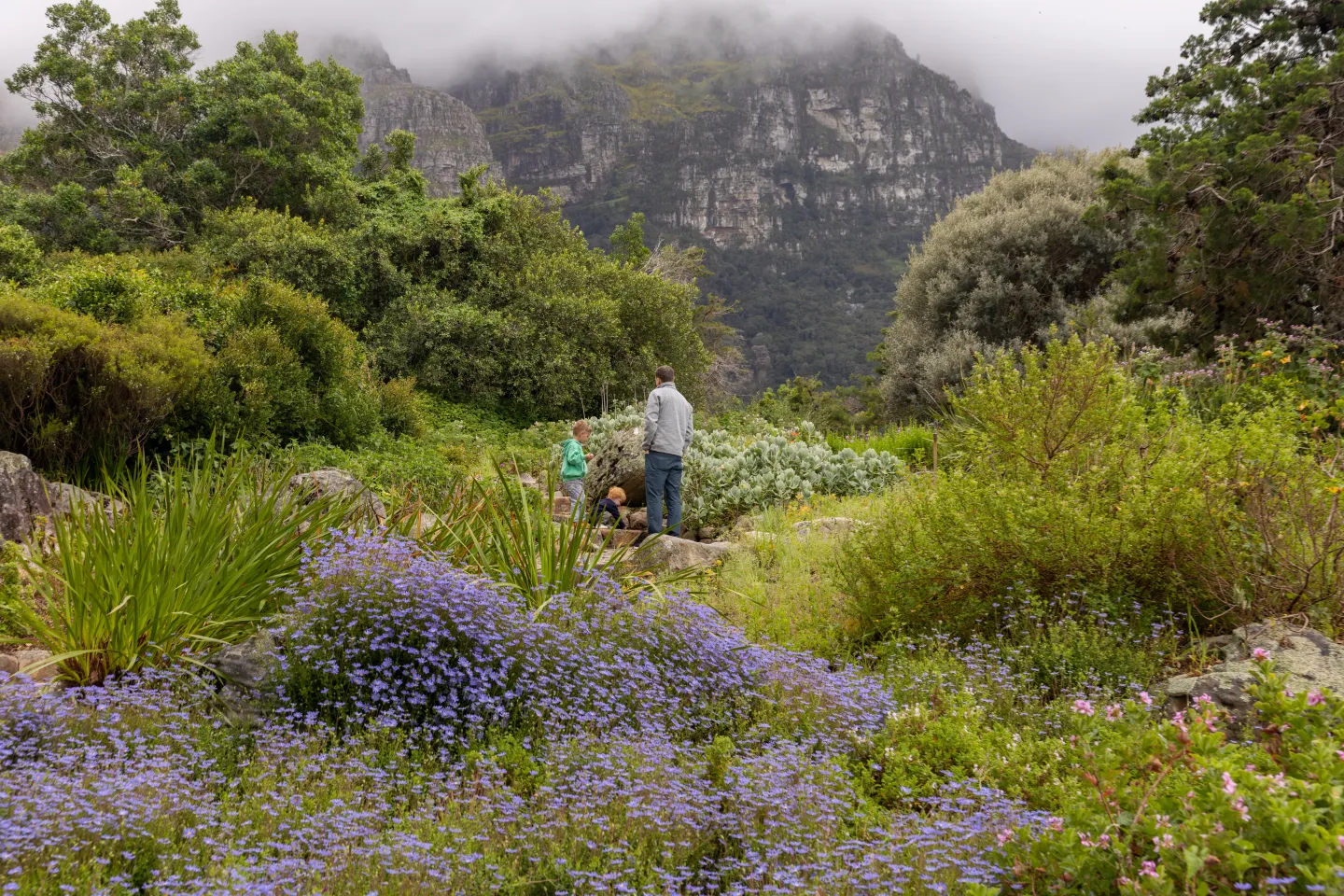
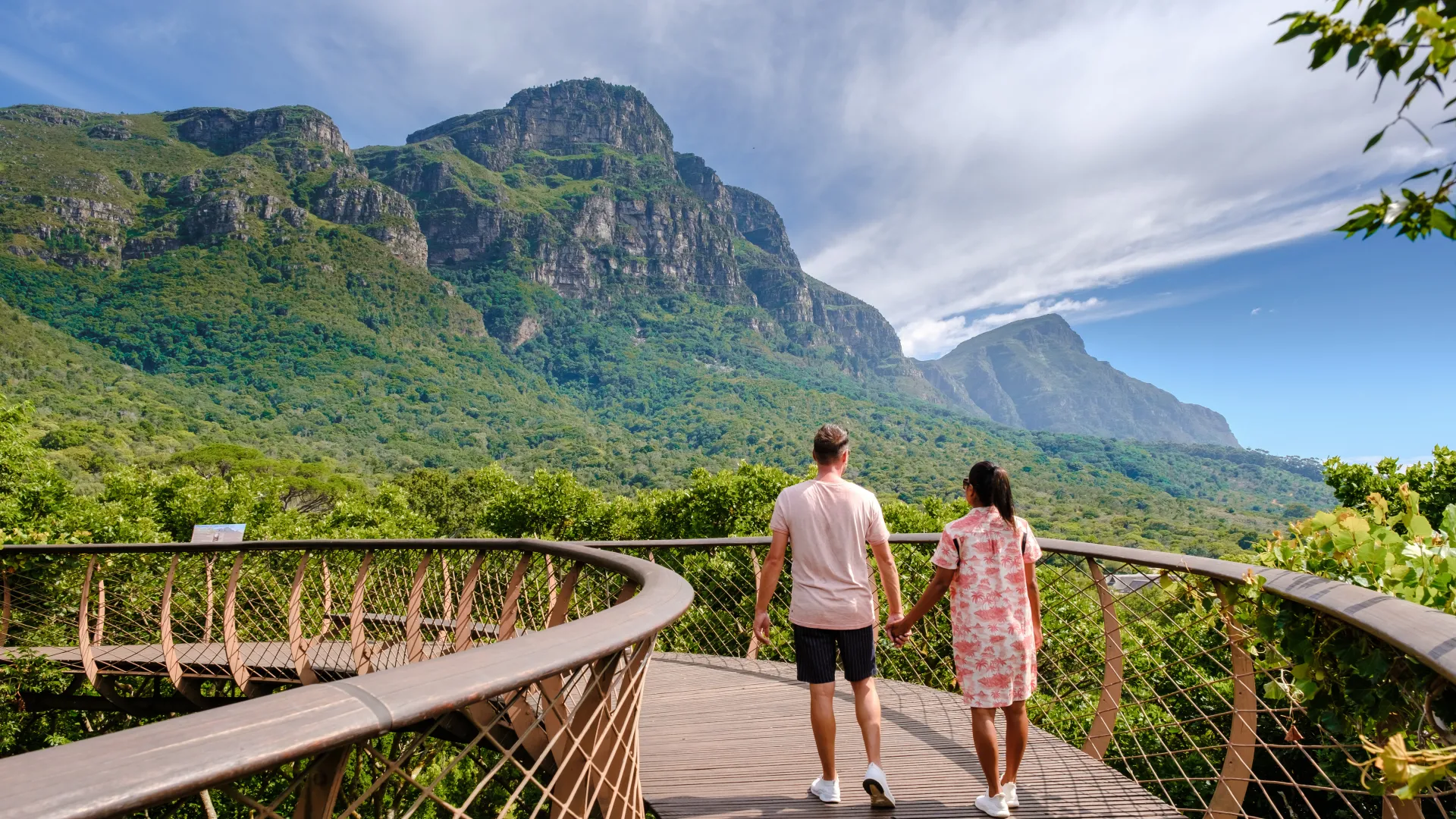
On the back slopes of the mountain overlooking the leafy suburbs of Constantia and Bishopscourt is Kirstenbosch, which has the distinction of being the first botanical garden in the world created specifically to preserve indigenous flora.
Established in 1913 on land bequeathed to the nation by mining magnate, politician and colonialist Cecil John Rhodes, Kirstenbosch is easily one of Cape Town’s most beautiful open spaces.
It’s perfect for walks, picnics, viewing art or simply relaxing in the shade of a tree. In the summer months, Kirstenbosch hosts the Summer Sunset Concert series on Sunday evenings, featuring both South African and international music artists.
If Cape Town’s iconic landmarks and rich cultural heritage have sparked your curiosity, our Travel Achitects can help you experience the Mother City in your own unforgettable way.


Related gallery