Seeing stars: making sense of the southern sky
Seeing stars: making sense of the southern sky
| by Willem Steenkamp
It’s the early 1750s. The French abbot Nicolas-Louis de Lacaille peers through his refraction telescope at the night sky inside a big imaginary semicircle he has drawn above Table Mountain, as he has done for a few years now. Perhaps he knows this, but his work will change how we see the night sky forever.
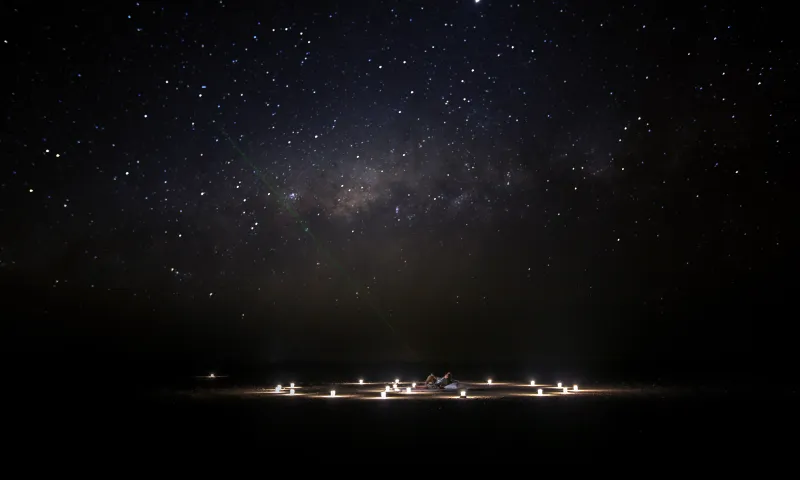
At the time, the spot where De Lacaille stood was on the shore of Table Bay, and Cape Town was still a small Dutch colonial outpost at the far, southern end of the world. Today it is roughly at the corner of Adderley and Strand Streets in central Cape Town, one of the city’s busiest intersections – and nearly 1.5km (almost a mile) from where the sea has been pushed to.
To do his work, De Lacaille had to study the night sky every night. It was taxing work, but he was what we would today call a workaholic. Indeed, overwork may well have contributed to his untimely death at the age of only 49.
The work that this brilliant astronomer and scientist did there between 1750 and 1754 was profound. He had originally travelled to the Cape because of his desire to calculate the distance of the planets trigonometrically, and he needed to establish the longest possible baseline (he successfully did this in conjunction with a colleague in France), but he achieved so much more besides.
De Lacaille mapped a whopping 10 000 stars and identified 14 new constellations (out of a total of 88), most of which he named after scientific and mathematical instruments or tools – for example, Microscopium, Antlia (pump), Caelum (chisel), Horologium (clock) and Pixys (mariner’s compass).
Notably, he named one of the constellations Mons Mensa – Table Mountain – making Cape Town’s world-famous natural feature the only landmark on Earth to have a stellar equivalent. Like the mountain, which is covered by a white cloud “tablecloth” when the Cape’s signature south-easterly wind blows, Mons Mensa (later shortened to just Mensa) even has its own tablecloth: one of the two Magellanic clouds that are visible only in the southern sky.
De Lacaille gave much besides to the worlds of astronomy and navigation: he worked out an accurate way for sailors to determine their position using lunar distances; he calculated eclipses for 1 800 years; he mapped 400 bright stars in the northern sky, with their exact positions; and he calculated comet orbits, even naming Halley’s Comet.
His seminal catalogue of the southern sky, Coelum Australe Stelliferum (The Southern Starry Sky), was published posthumously in 1763, a year after his death. It was by no means pristine – several errors were discovered in it, but only 140 years later; however, it had laid a solid foundation for our grasp of the southern sky and how it differs from the northern sky, which was already well understood.
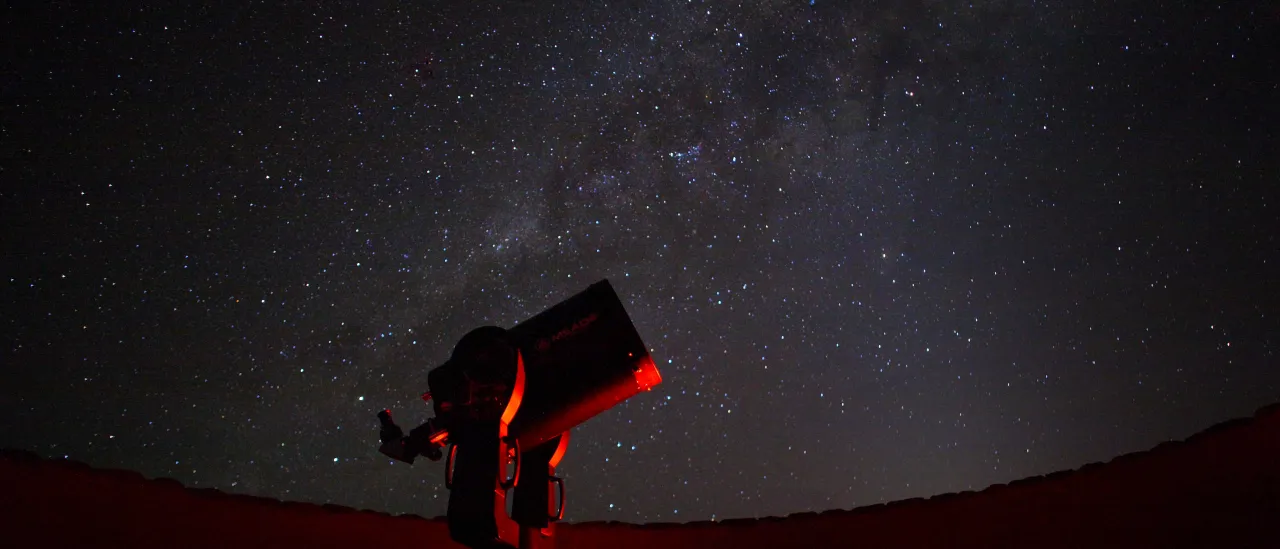
North vs south: major differences
So how do the northern and southern skies differ?
How we see the night sky depends on many things: where exactly on Earth we are, what time of the year it is and how dark the sky is in our location. The most dramatic difference in the appearance of the night sky, however, has to do with our latitude: in other words, how far north or south of the Equator we are.
Topsy-turvy heavens
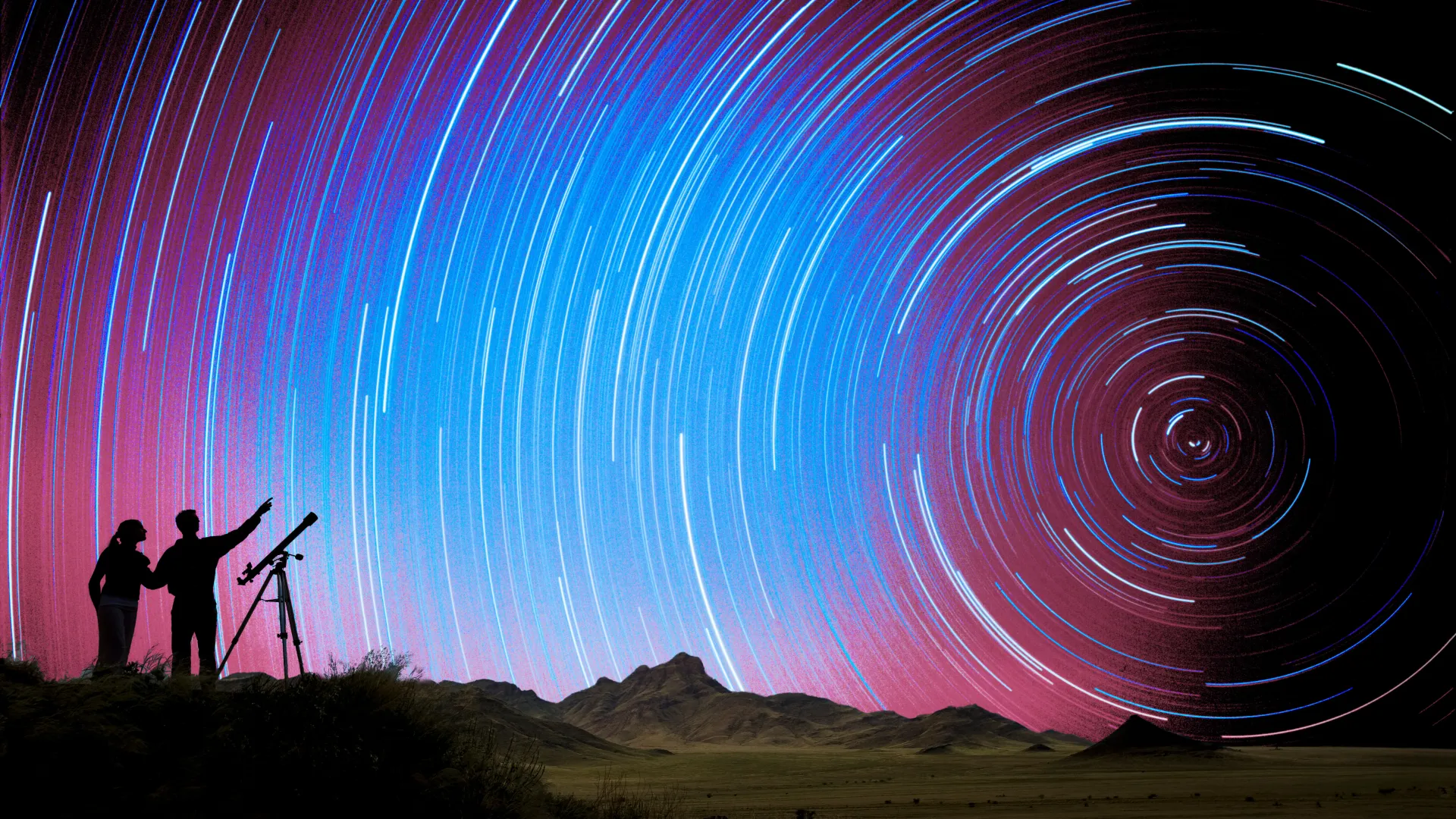
In the southern sky, the heavens have different rotation and orientation to the northern sky. Stars in the southern sky appear to rotate clockwise around the south celestial pole, not anti-clockwise.
Many familiar northern sky constellations are also upside down and flipped left-to-right when observed in the southern sky. The most obvious example is the northern hemisphere’s most recognisable constellation: Orion the Hunter. In the southern sky he’s on his head, his sword pointing upward.
Even the moon is upside down and the phases are opposite in the southern sky. In the northern sky, the first quarter moon looks like a “D” and the last quarter looks like a “C’”, and the sunlit portion of the moon moves right to left. In the southern sky it’s the other way around.
Different constellations
The constellations located close to the north or south celestial poles (for example, those mapped by De Lacaille at the Cape) can only be seen from their respective hemisphere.
Constellations close to the Polaris, the North Star – called circumpolar constellations because they circle around the North Star and are visible all the time, all year round – can also be only seen from the northern hemisphere. They include Ursa Major, Ursa Minor, Cepheus and Cassiopeia.
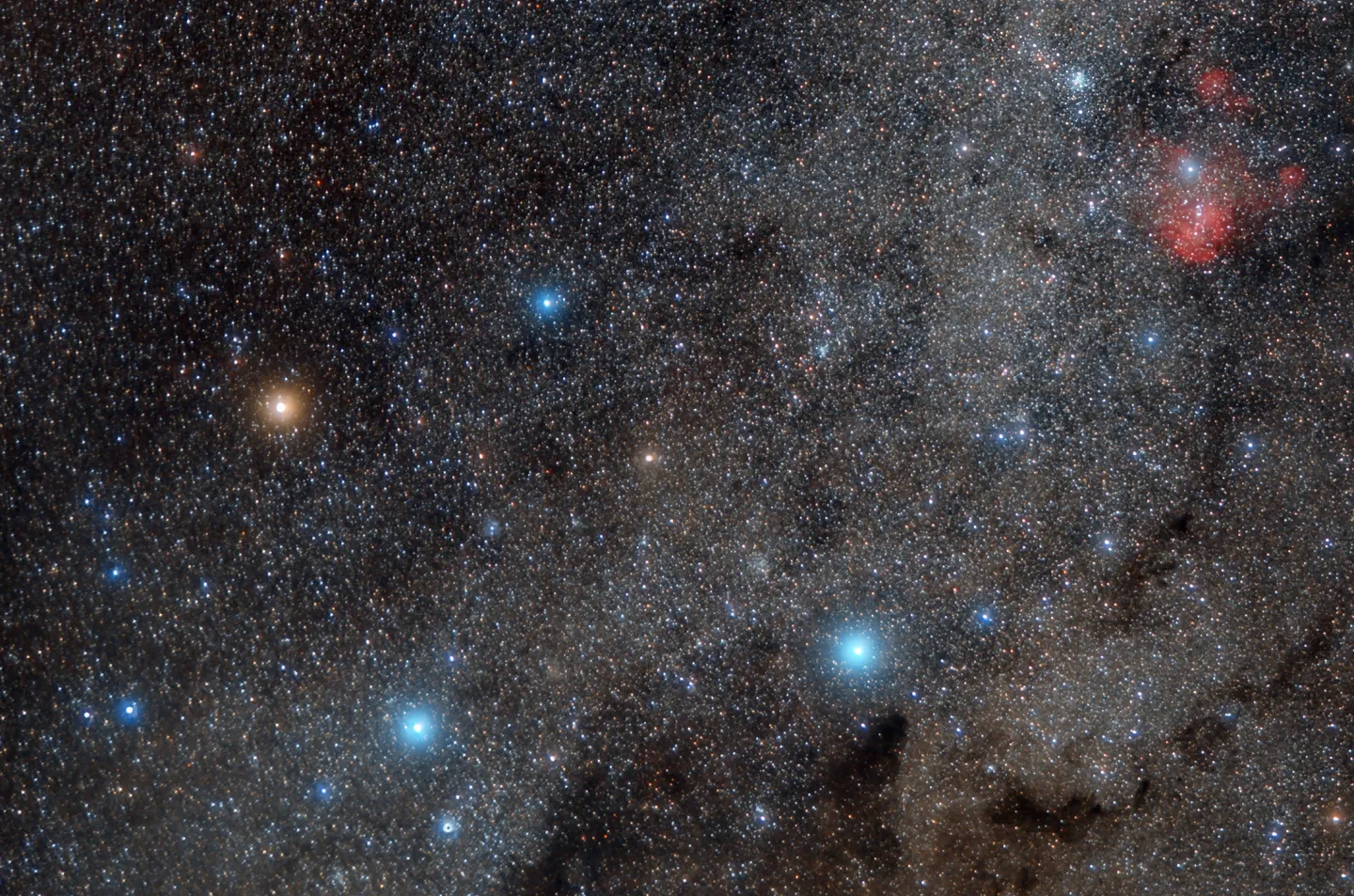
Southern constellations that many northern hemisphere stargazers may not have heard about include Carina, Crux (aka the Southern Cross) and Centaurus.
No North Star in the south
As mentioned, the North Star isn’t visible from the southern hemisphere, which in De Lacaille’s time robbed mariners of a vital navigational tool.
There isn’t a South Star either, but there is the Southern Cross, and you can work out due south using it. But beware of the False Cross: four bright stars in the constellations Carina and Vela; that cross is more symmetrical than the Southern Cross, and it lacks two telltale marker stars that point to the right one.

Fun fact
You can also observe the Milky Way’s two satellite galaxies, the Large Magellanic Cloud and the Small Magellanic Cloud, in the southern sky.
The Milky Way in all its glory
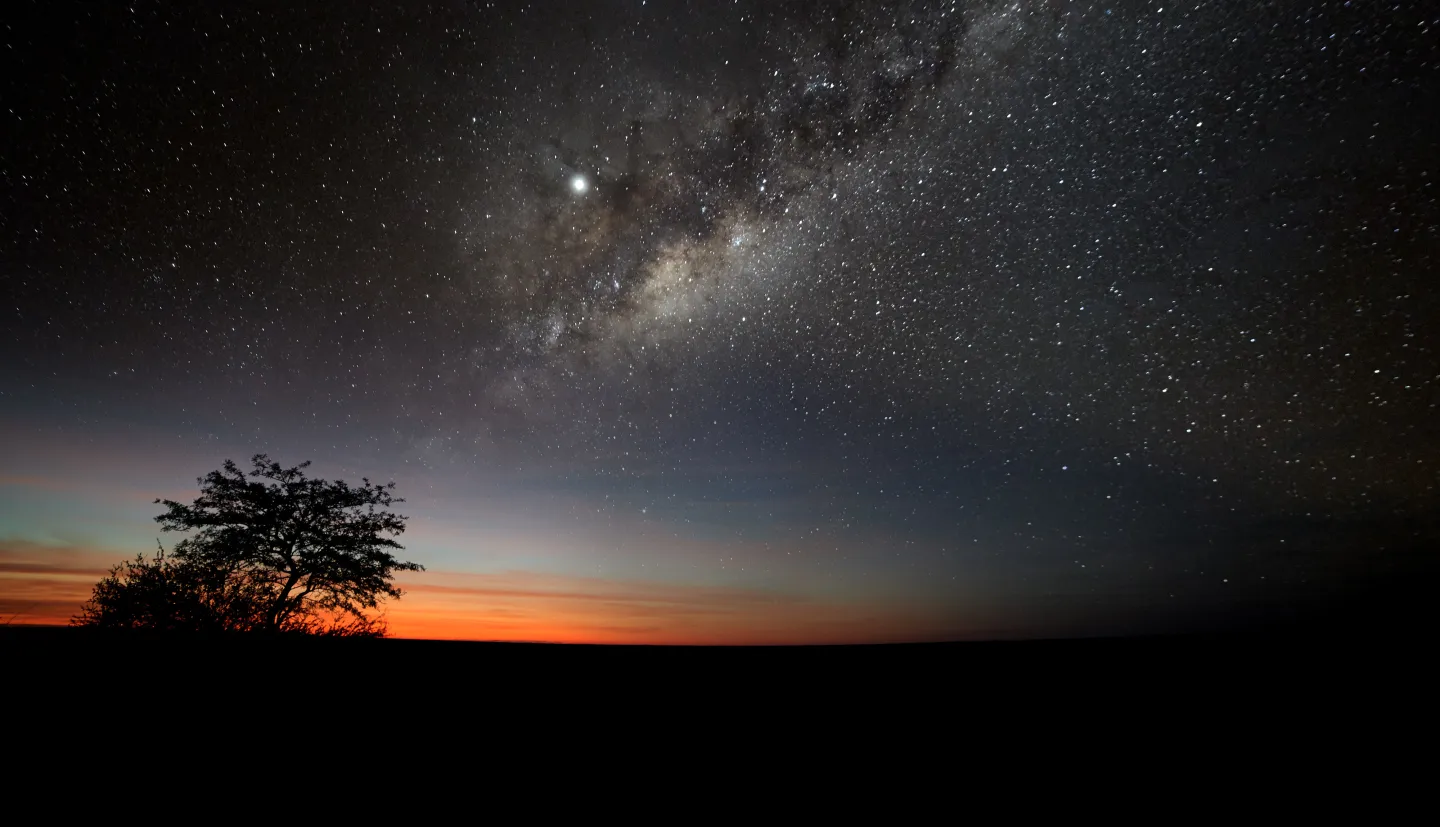
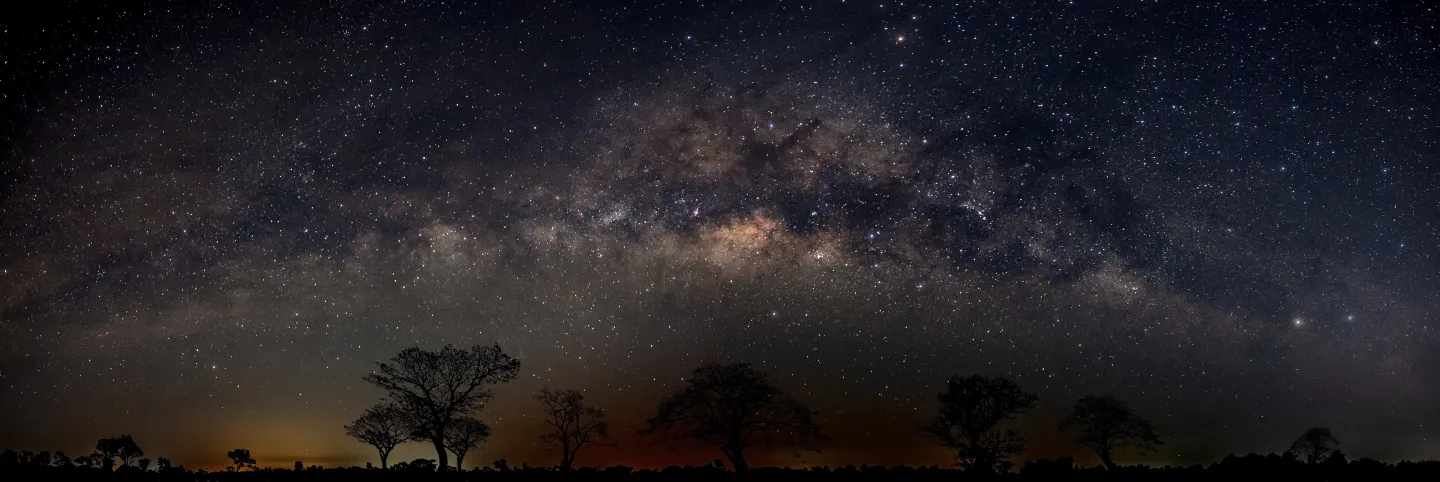
This one’s spectacular. While you can see the Milky Way in the northern hemisphere (above the southern horizon in late summer, during a new moon), it’s certainly not like you can in the southern hemisphere.
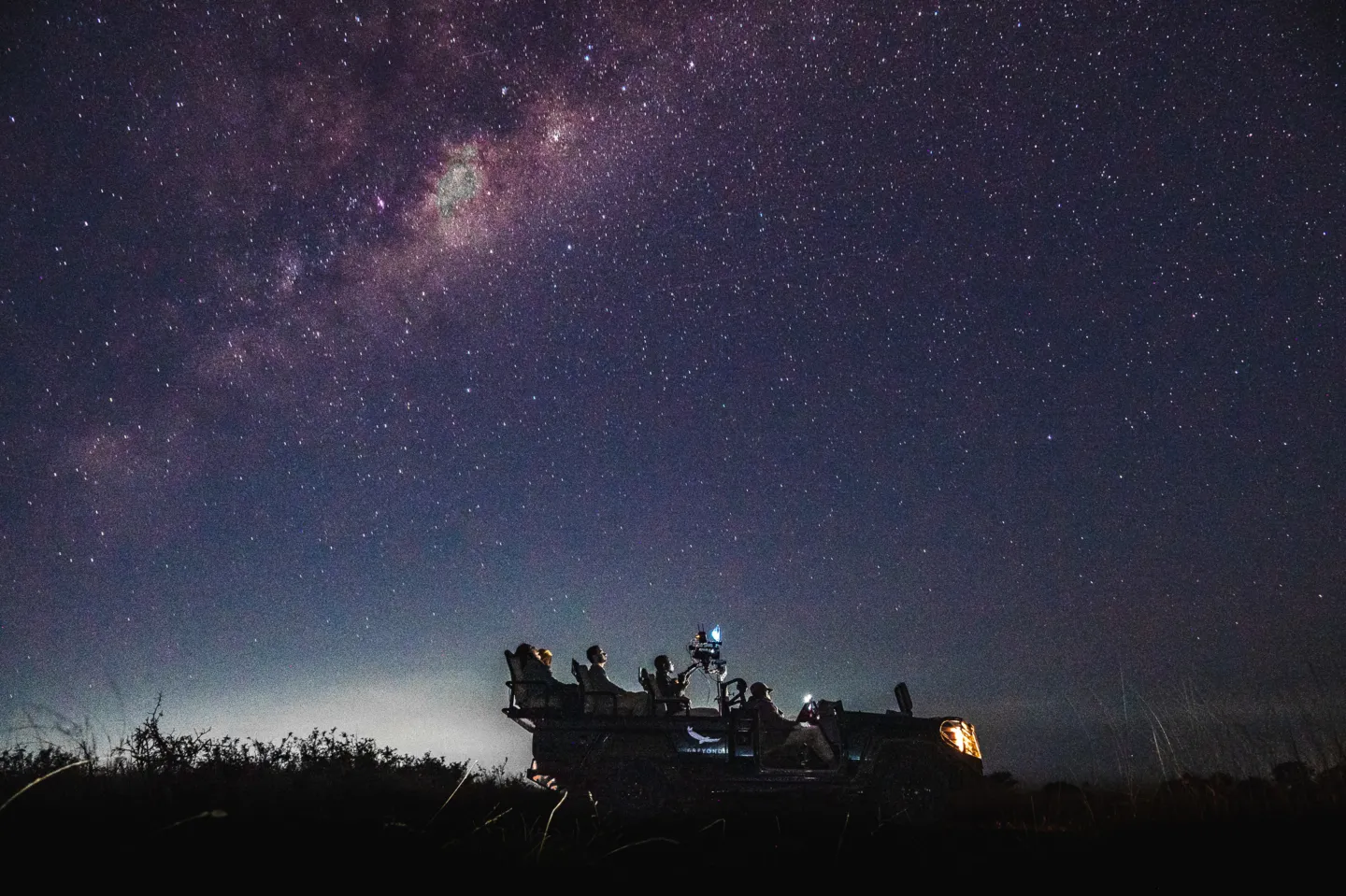
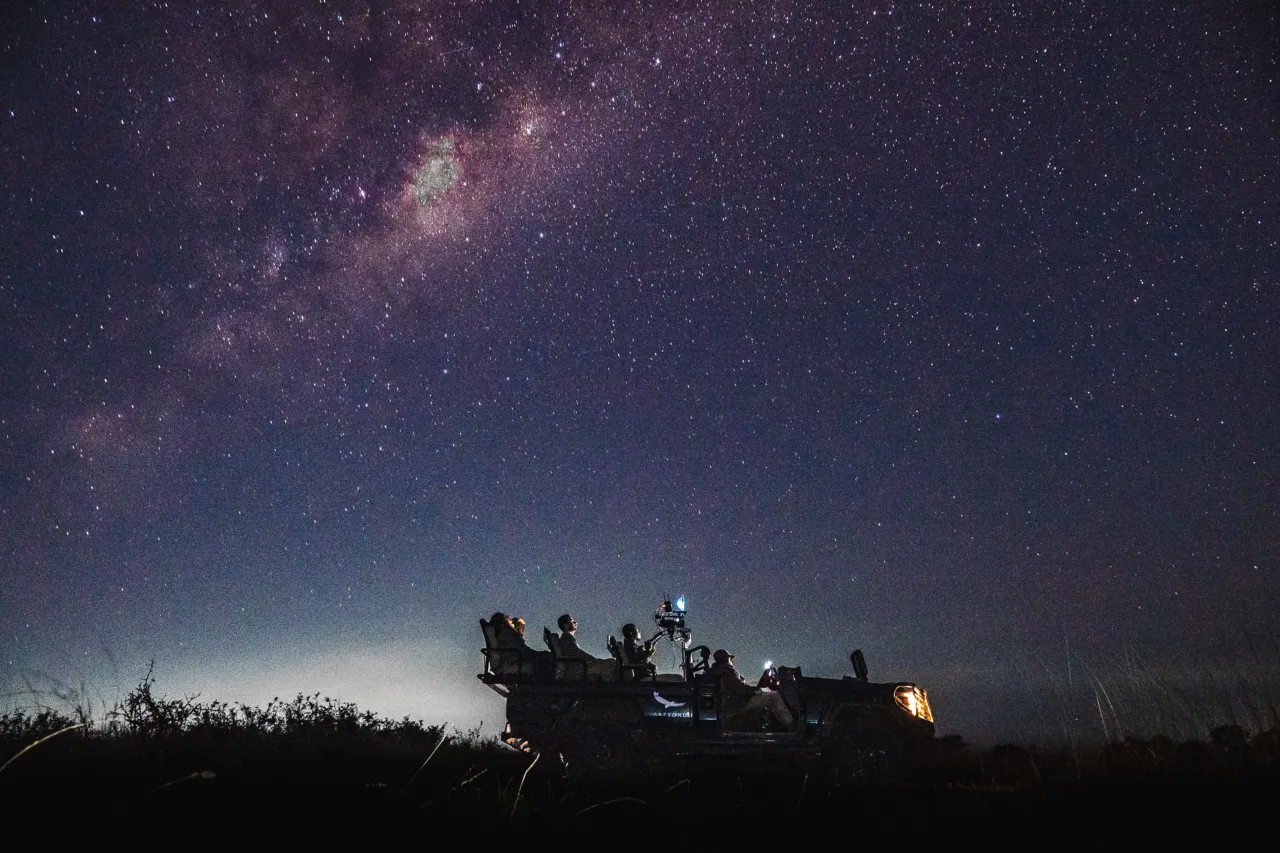
Down south, the brightest part of the Milky Way, its core, lies in the southern sky constellation of Sagittarius the Archer and can be seen directly overhead in the winter. A broad, bright stripe across the sky, it is truly something to behold.
Where to see the southern sky best
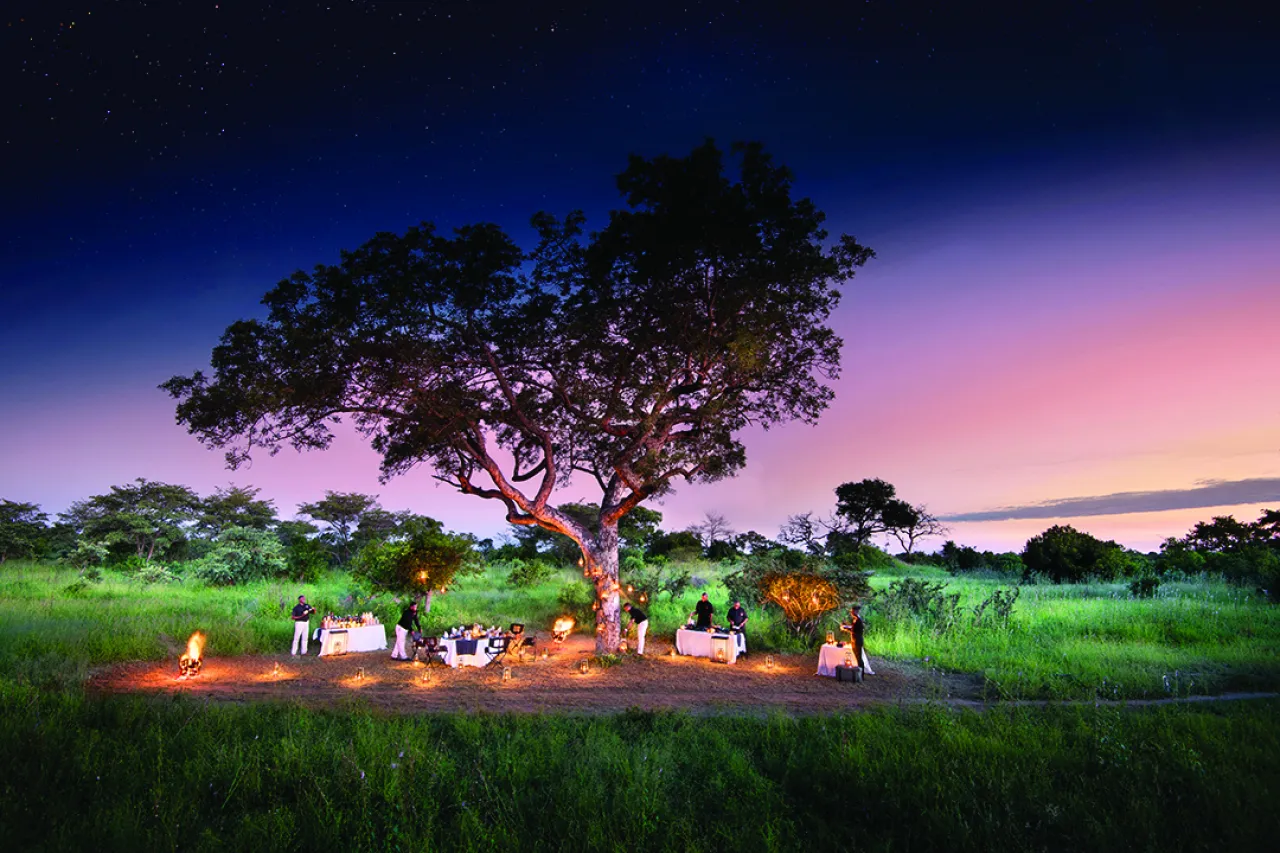
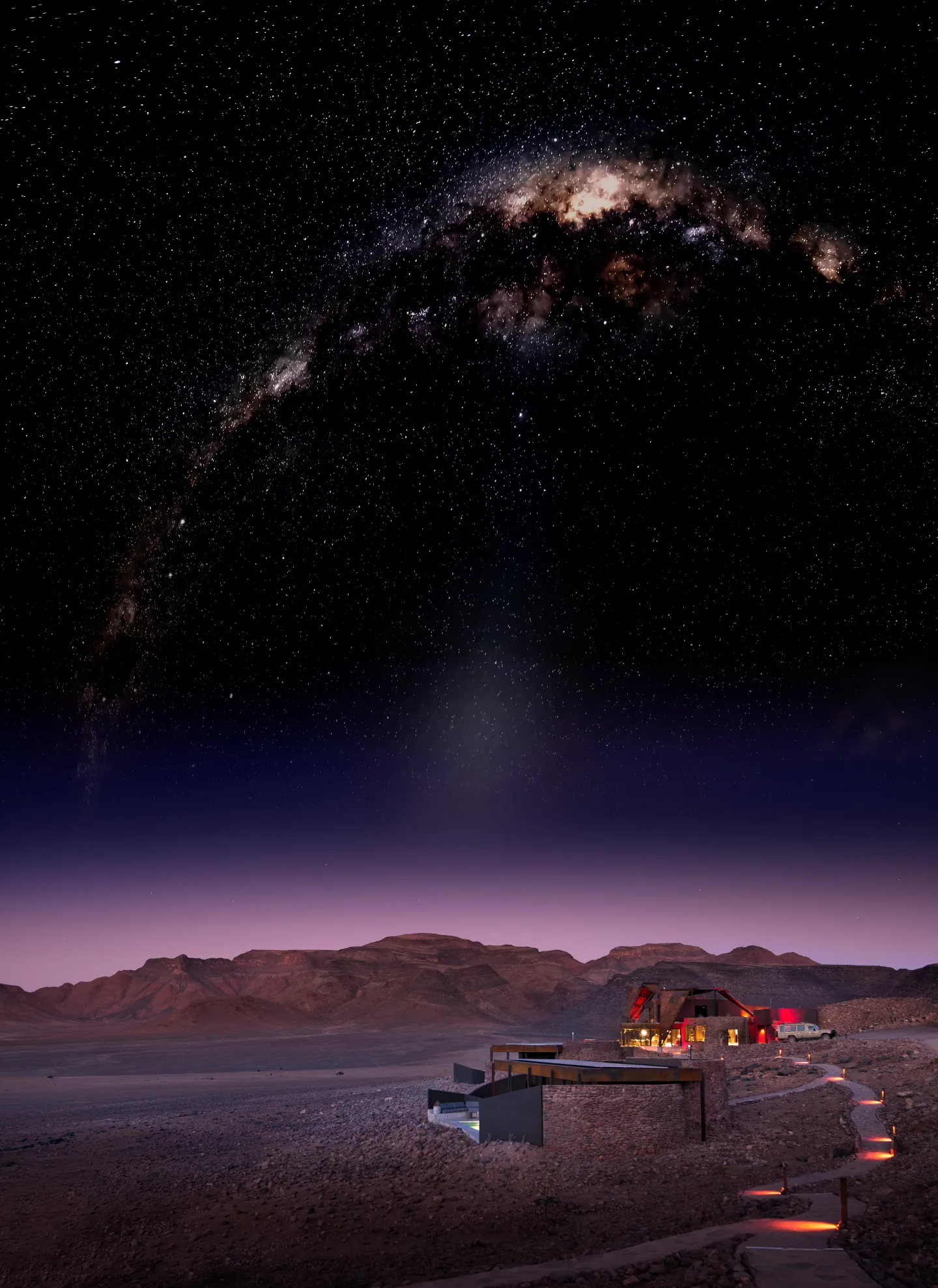
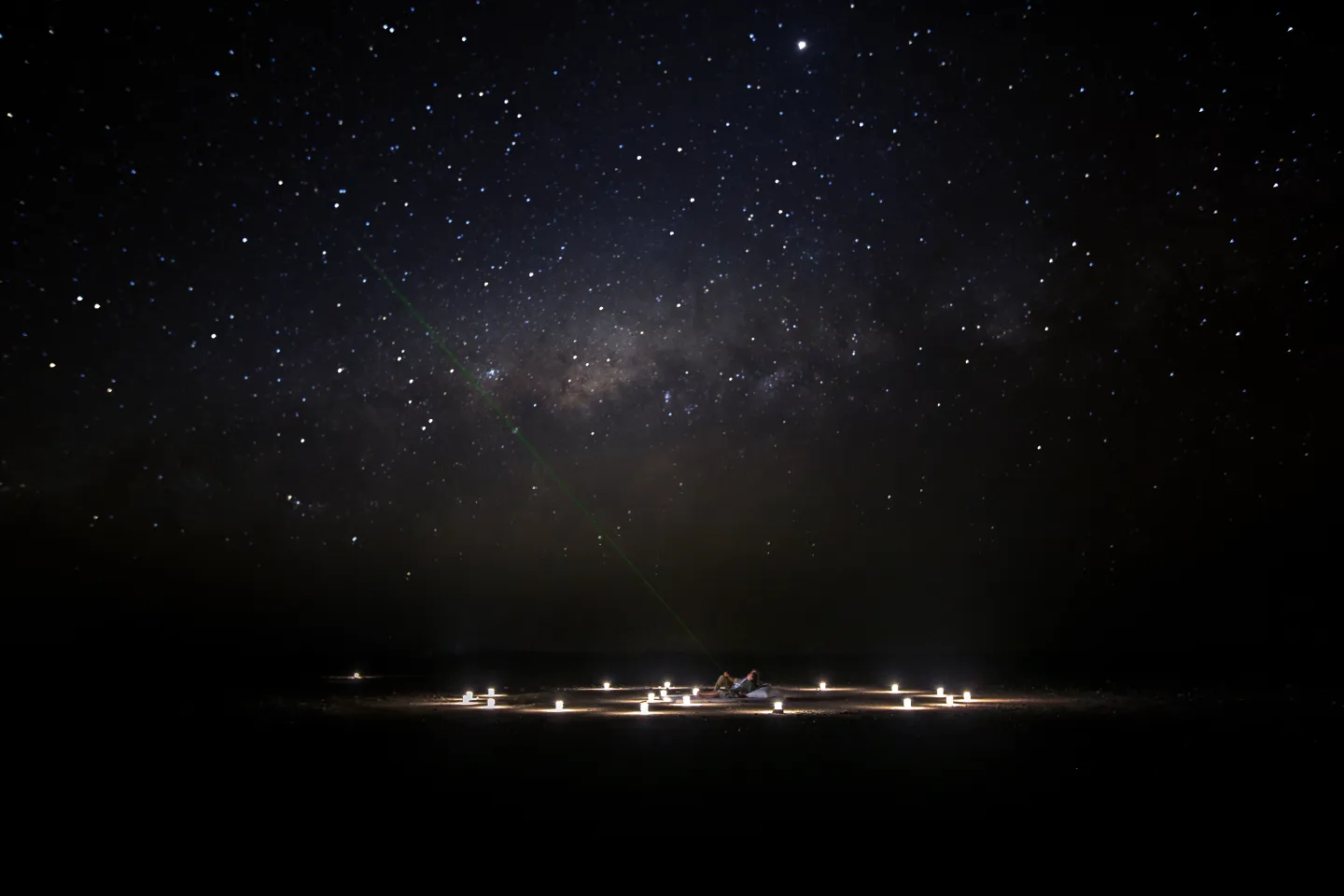
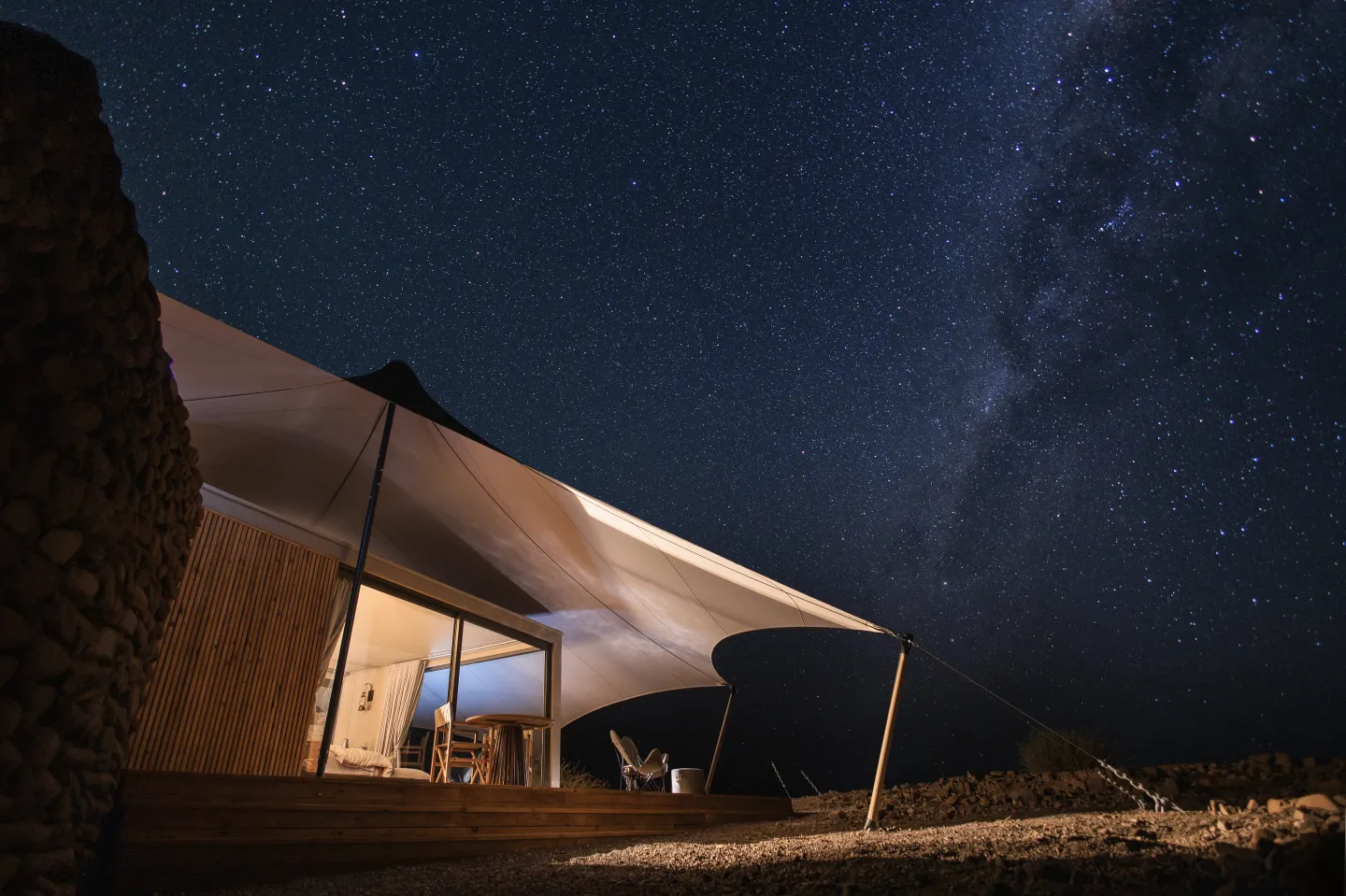
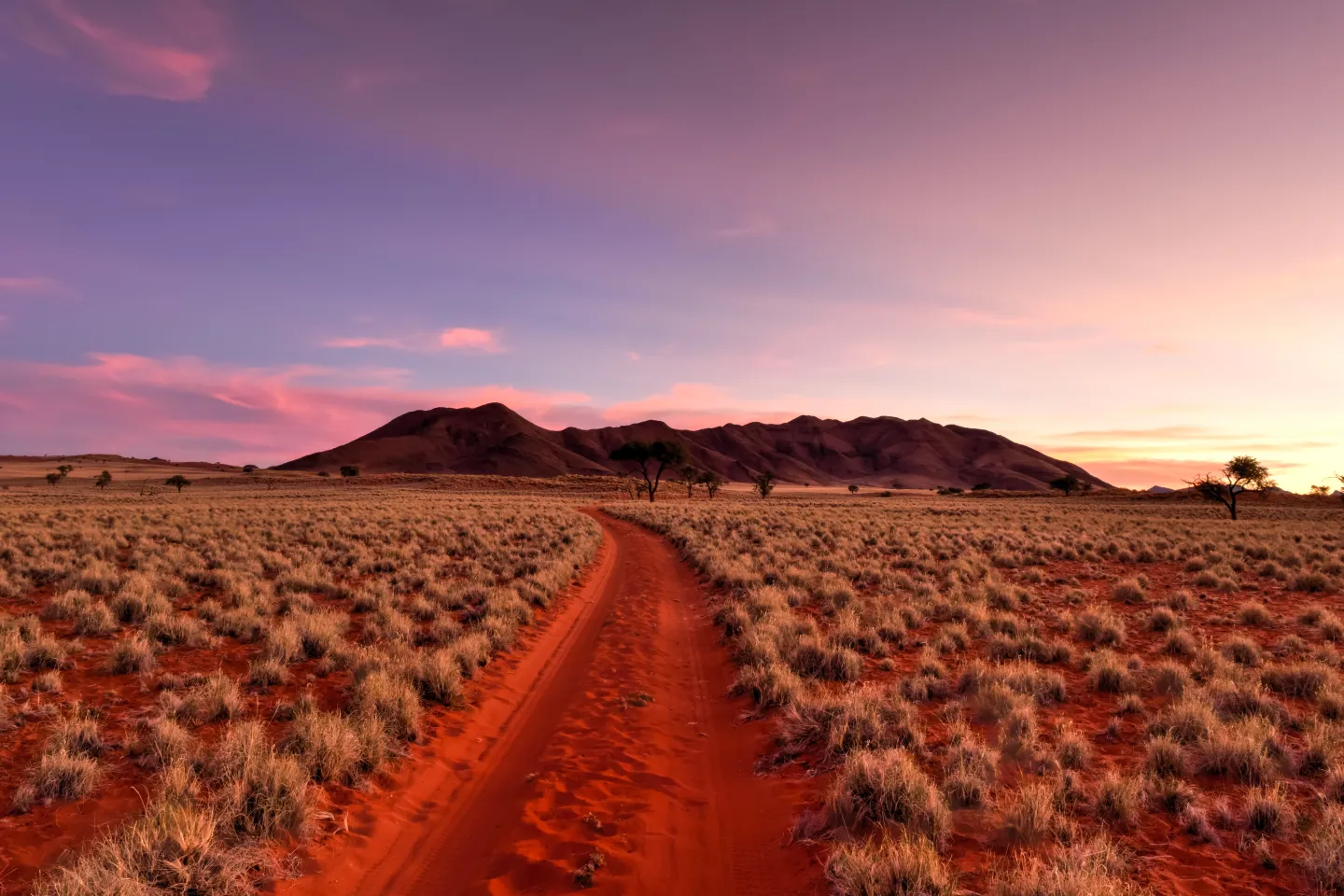
The darker the place where we are, the more stars we will see. And one of the darkest places in the world is the NamibRand Nature Reserve, near the famous Sossusvlei in south-west Namibia. When you stay at its luxury lodge, you can view the spectacular night sky from the comfort of your own bed, with a sleepout experience like no other.
It is the first reserve in Africa, and in any developing nation, to be awarded International Dark Sky Reserve Gold Tier status for unparalleled stargazing.
Excessive artificial lighting can have a major negative effect on both plant species and nocturnal and diurnal animal species, so here conservation efforts are taken a step further. Lighting guidelines, such as the maximum allowable brightness of outdoor light fixtures and the use of vehicle headlights, are enforced to further protect the pristine night sky and enhance its guests’ stargazing experience.
The reserve was also awarded Wilderness Quiet Park status by Quiet Parks International in 2024 – another first for Africa and only the fourth in the world – in recognition of preserving the tranquillity of the reserve, promoting quiet places and conserving our natural world through responsible, low-impact tourism.
NamibRand, a non-profit initiative established to conserve the desert’s unique environment and ecology, offers more than starry skies and solitude, however. It shares a 100km (62mi) border with the Namib-Naukluft National Park, Africa’s largest national park that protects the world’s oldest desert (including the Namib Sand Sea, a Unesco World Heritage Site).
Its diverse habitats support wildlife uniquely adapted to desert conditions. Along with the iconic oryx, other wildlife found here includes springbok, kudu, Hartmann’s mountain zebra, Burchell’s zebra, giraffe, klipspringer, steenbok, hartebeest and baboons, and predators such as leopard, spotted and brown hyena, black-backed jackal, aardwolf, bat-eared fox, Cape fox, African wildcat, caracal and genet. To date, 150 bird species have been recorded in the area.
If this story has sparked your sense of adventure, the Your Africa team would love to help bring it to life.


Related gallery