In every way possible, Zanzibar lives up to its exotic name
In every way possible, Zanzibar lives up to its exotic name
| by Kate Turkington
Just whisper the name softly to yourself: Zanzibar (zan-zee-bah). It’s exotic, alluring, exciting. And discover for yourself that Zanzibar’s reality lives up to the promise of its name.
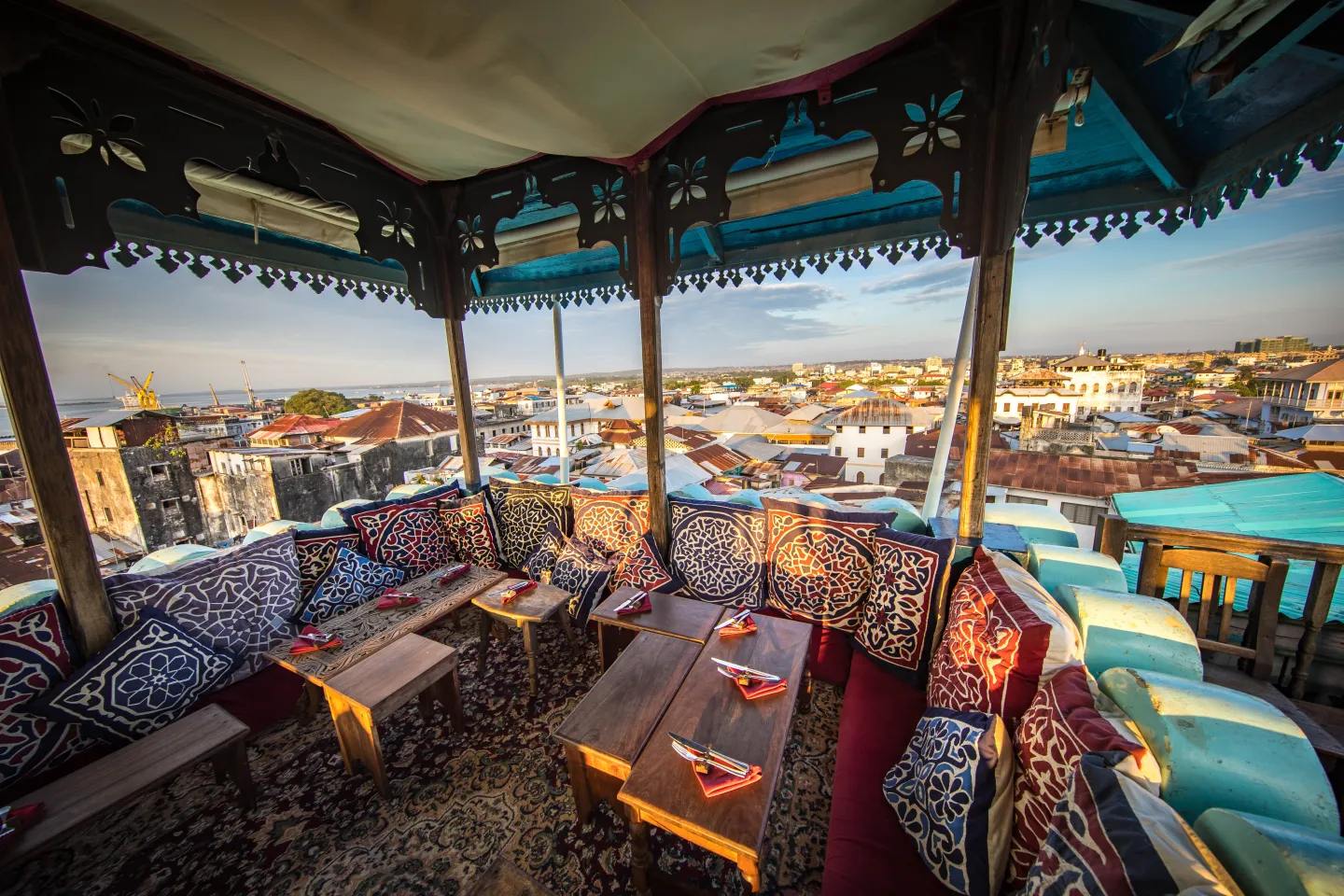
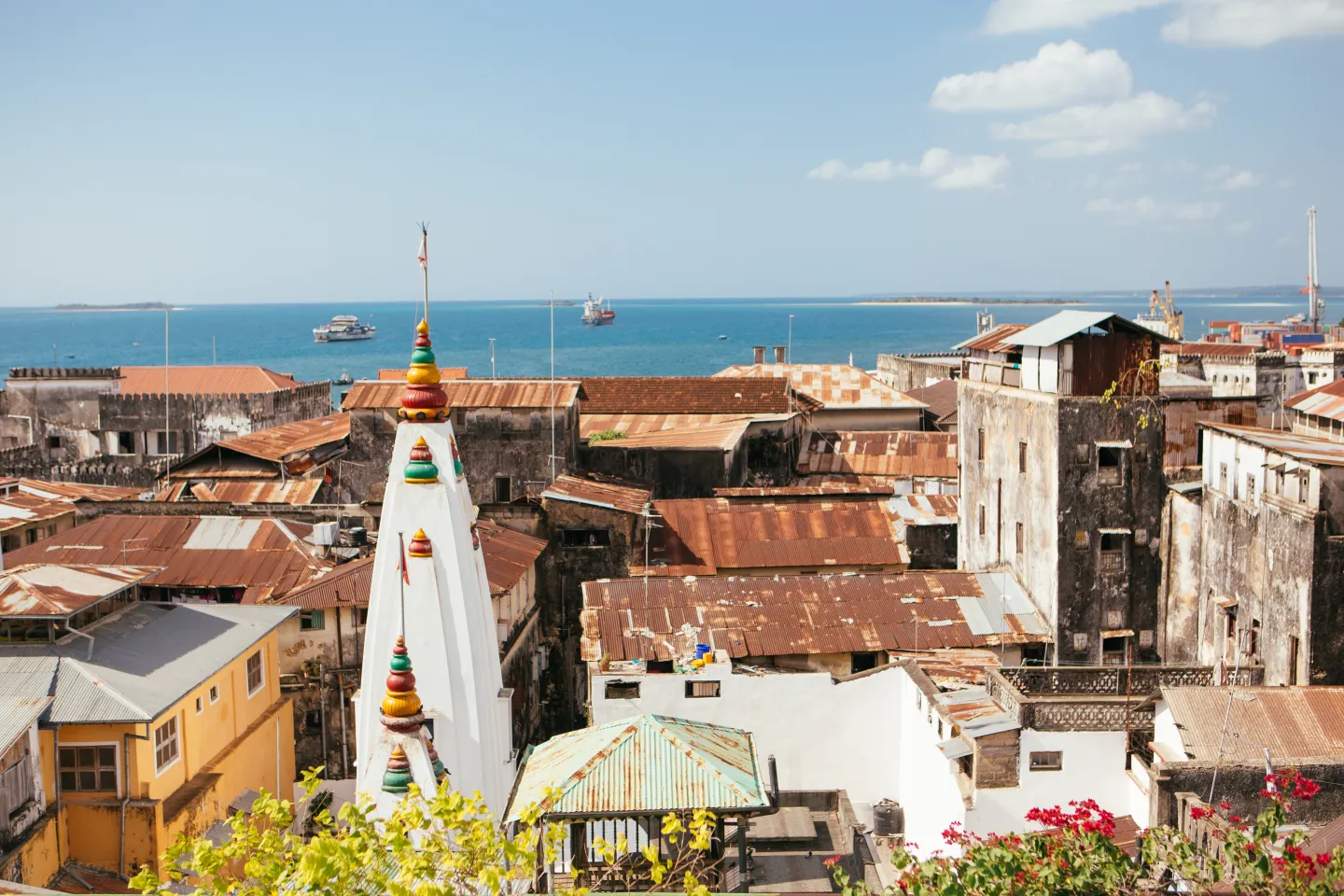
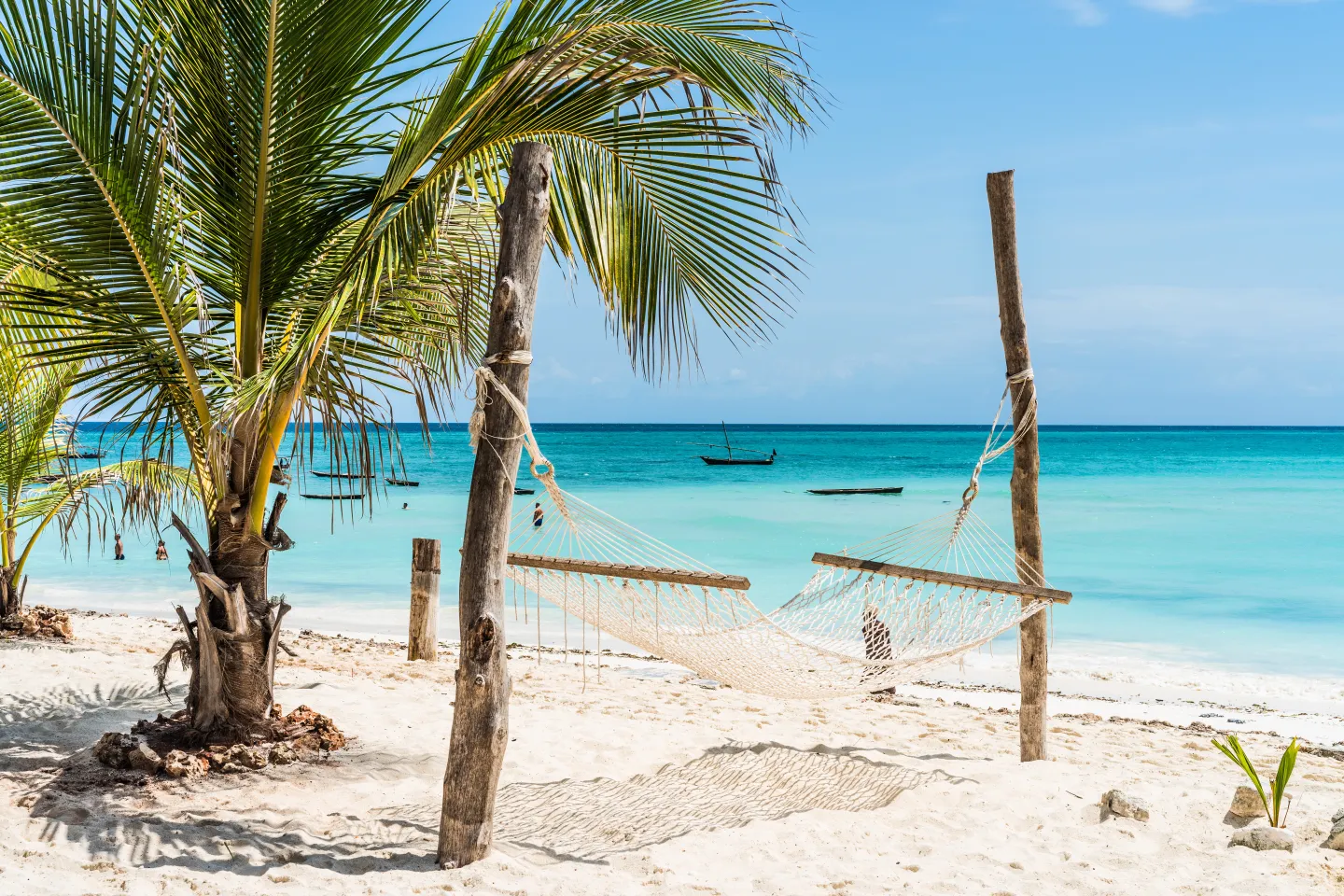
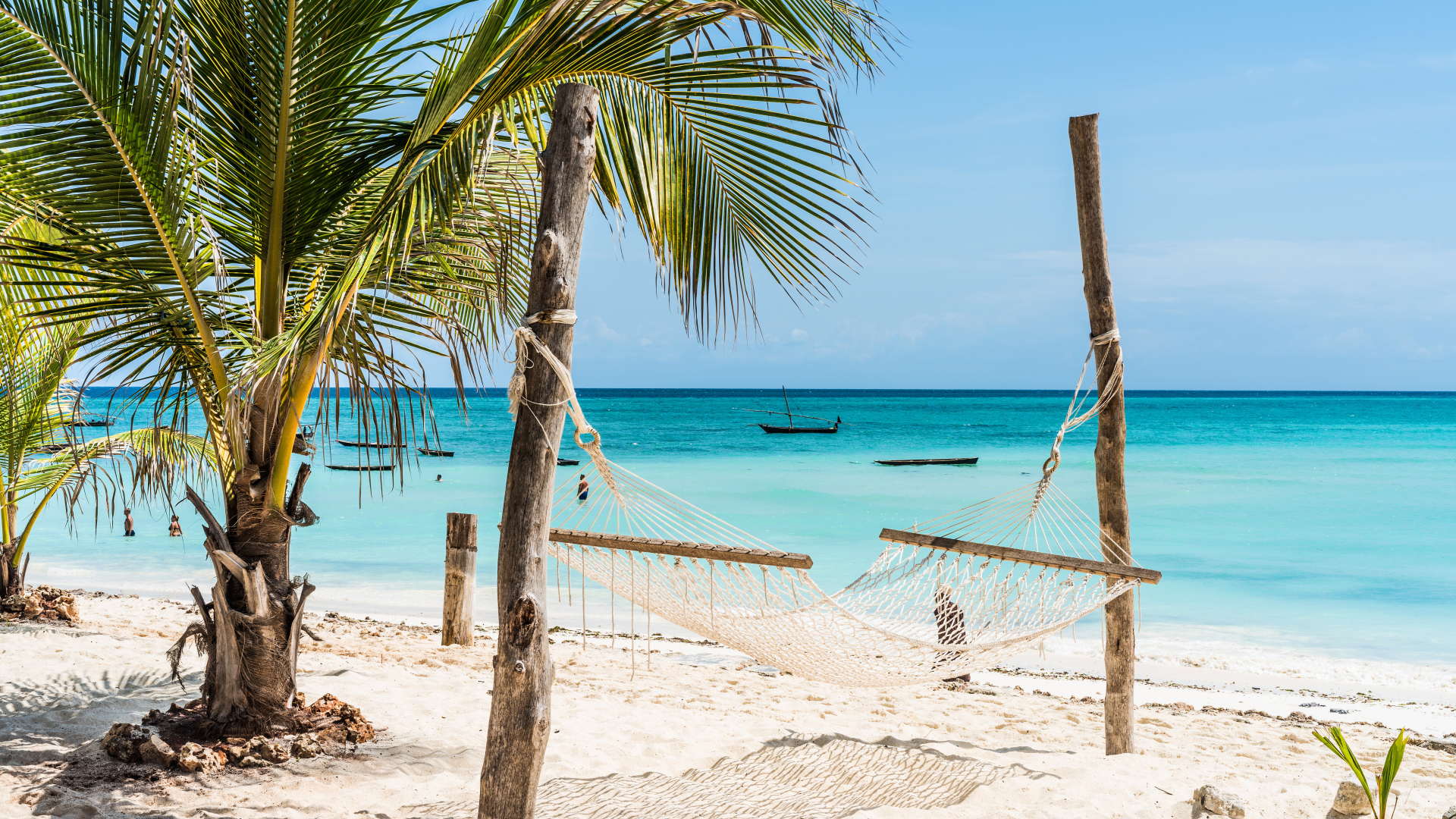
Imagine an island just off the East African coast with beaches of dazzling white sand, palm trees swaying in the soft breezes of the Indian Ocean, winding stone alleyways, sunbaked flat roofs, the famous hand-carved, intricate brass-studded doors, Arab dhows gently cresting the waves, cool marble palaces of bygone sultans, the scent of spices, and coral reefs brimming with marine life and dancing dolphins.
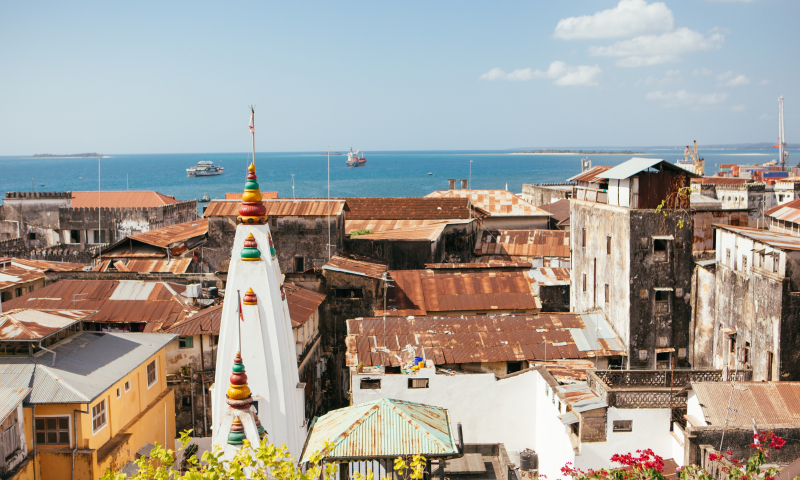
But beyond the social media posts, the exotic glamour and the beaches, there is another island that’s quieter, older, more layered. Part marketplace, part memory, part myth, Zanzibar has always been a crossroads. For centuries, Arab traders, Persian merchants, Indian families, Portuguese sailors and, later, Europeans, all passed through here, each leaving something behind, from goods and ideas to languages and memories.
Maybe you haven’t heard of Ibn Battuta, the great Moroccan traveller who wrote about Zanzibar’s thriving trade and Muslim culture in the 1300s, or the vast Ming dynasty fleet from China that moored here in the 1400s.
But you may remember that Vasco da Gama visited on his way to India, or that David Livingstone used Zanzibar as the base for his expeditions into the African interior. Or that it was here in Zanzibar that American journalist Henry Stanley Morton set off on his quest to find the “lost” missionary-doctor (on the expedition in which he was said to have uttered the famed greeting, “Dr Livingstone, I presume?”)
Fast-forward to more modern times. Princess Diana, Bill Gates, Bono and visitors from all corners of the world have come to soak up Zanzibar’s magnetic appeal and if you’re a Queen fan, you’ll certainly know that Zanzibar’s most famous son, Farrokh Bulsara aka Freddie Mercury, was born here in Stone Town.
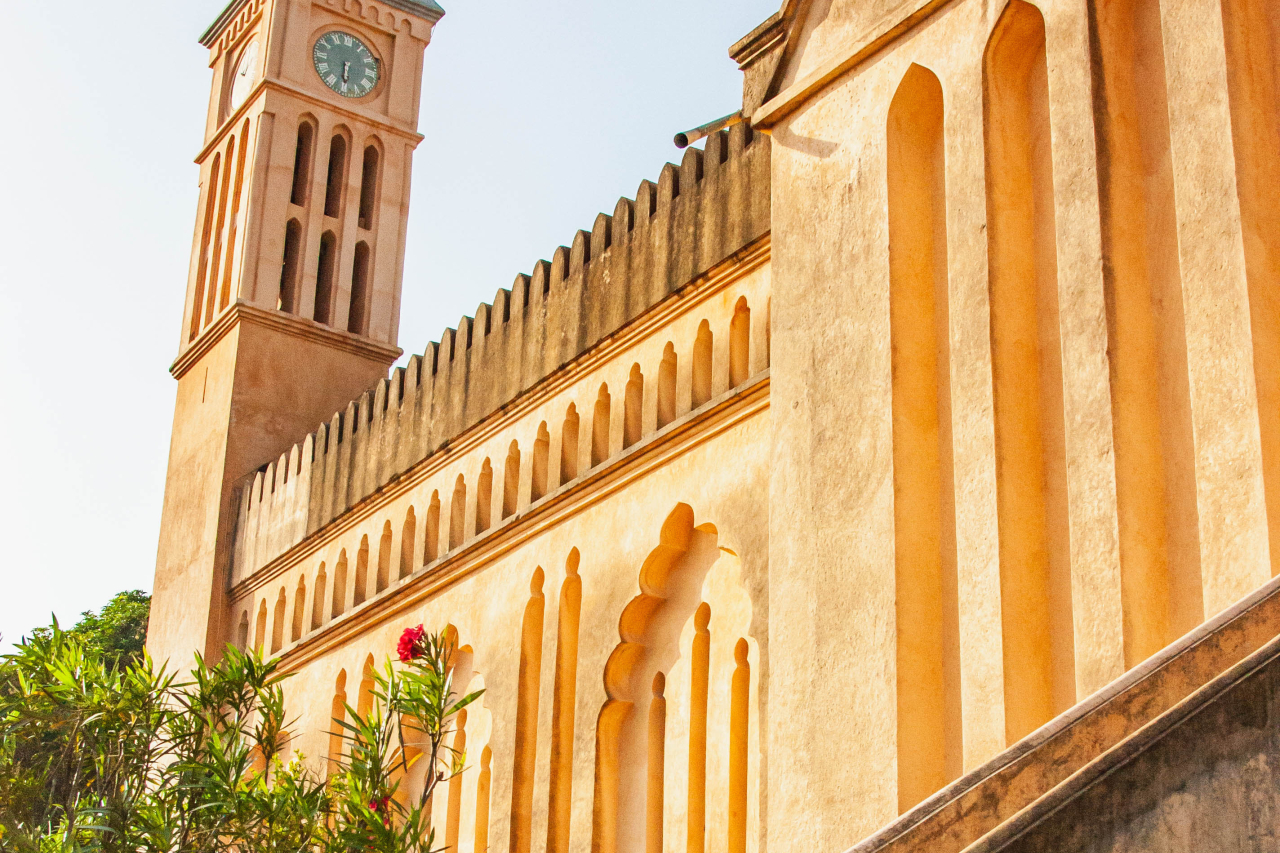
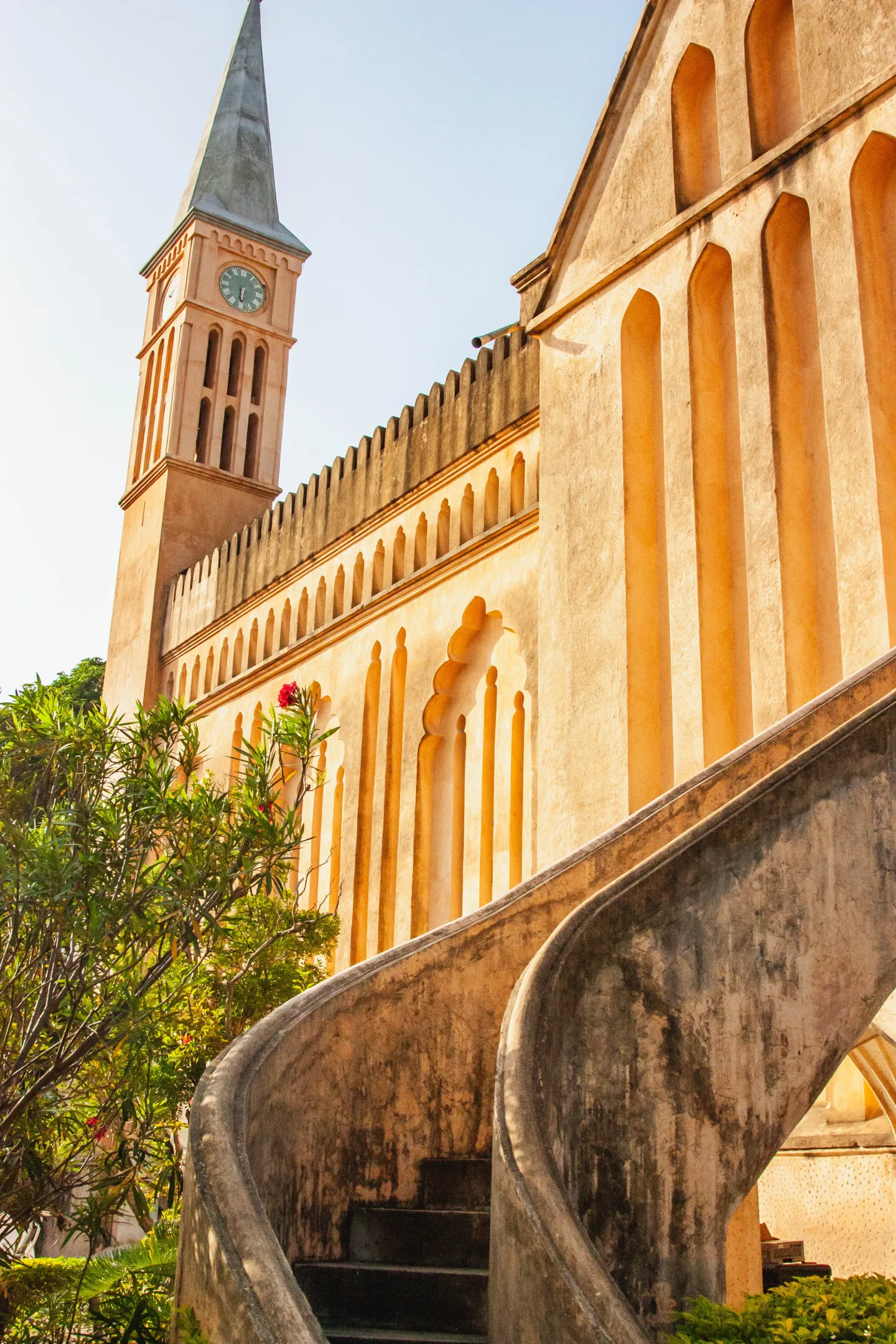
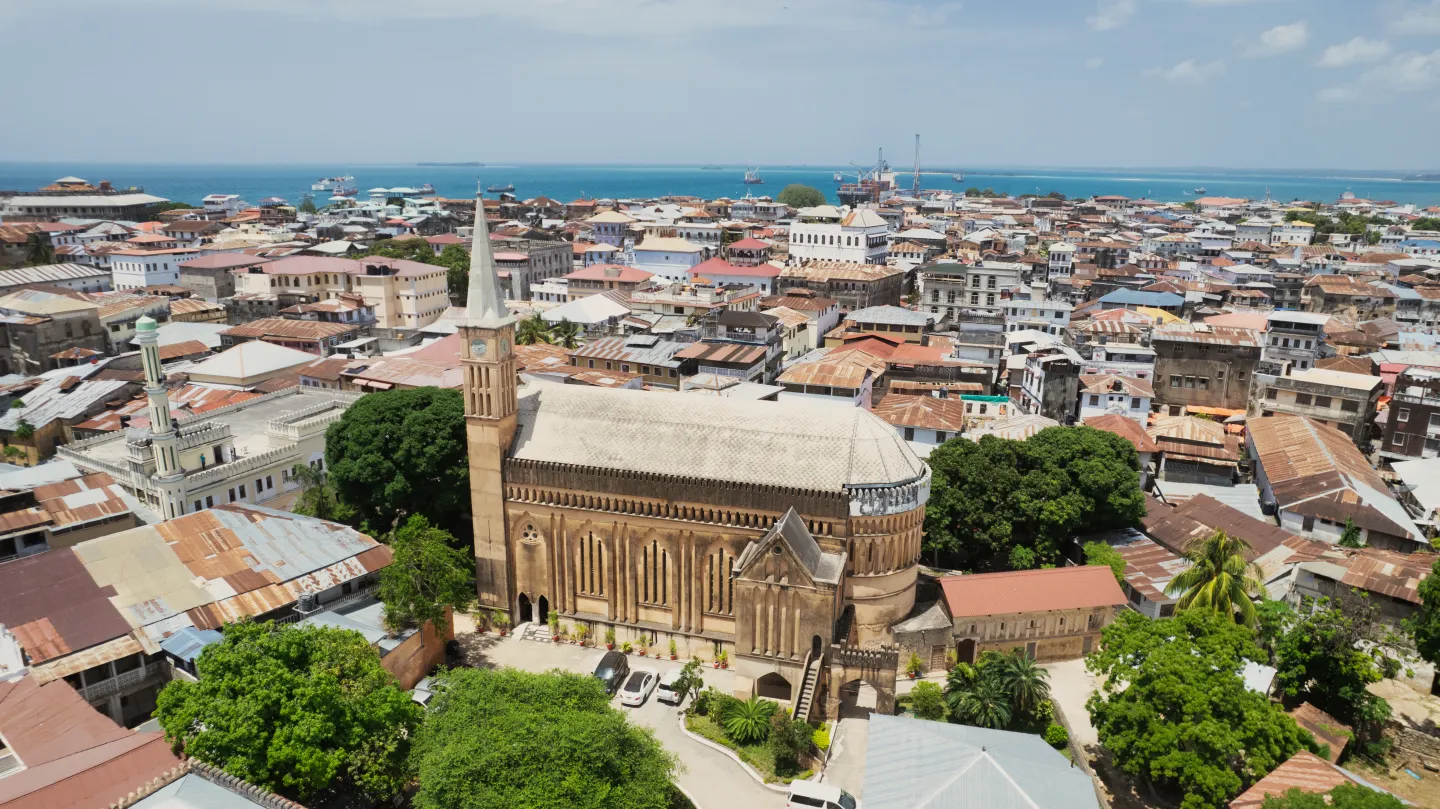
There’s a lot to do. If you’re a history buff then visit Dr Livingstone’s 1866 house before walking to the centre of the old town where Christ Church, East Africa’s first Anglican Cathedral, was opened in 1879. Built of local coral stone, it holds a crucifix carved out of the tree under which David Livingstone’s heart was buried at Chipundu, in Africa’s interior (in today’s Zambia).
The cathedral stands in the very middle of the old slave market and its altar is said to be in the same place where once the old whipping post stood. Outside is a grim reminder of the time when Arab slave traders and wealthy sultans sold their human merchandise to European bidders. You’ll shudder at the sculptured figures in chains emerging from a pit.
Climb up to the Old Fort built by Portuguese pioneers in the 1560s and spot the impressive twin spires of the St Joseph’s Catholic Cathedral, painstakingly constructed by French missionaries in the late 1800s.
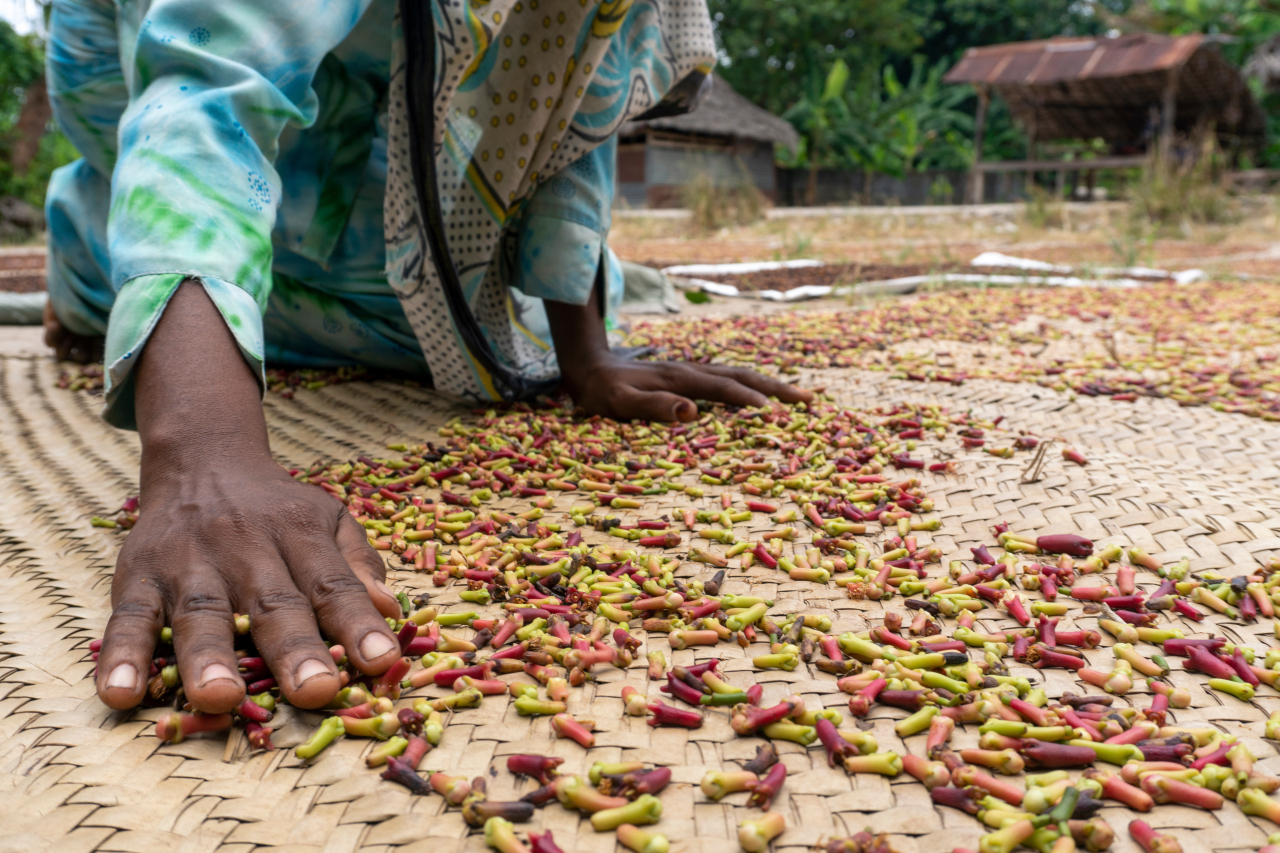
But there’s history of another kind, too. For centuries Zanzibar has been famous for its spices and known internationally as the Spice Island, the epicentre of the cloves trade. Imagine taking a deep breath. It’s not just sea air you would smell, but the lingering scents of nutmeg, cinnamon, vanilla, turmeric and cloves.
A visit to a spice garden is a must, where your guide will walk ahead of you with a sharp knife. Your senses will be drenched as he plucks, peels and snaps fronds, nuts, leaves and pods. You’ll inhale, touch and taste.
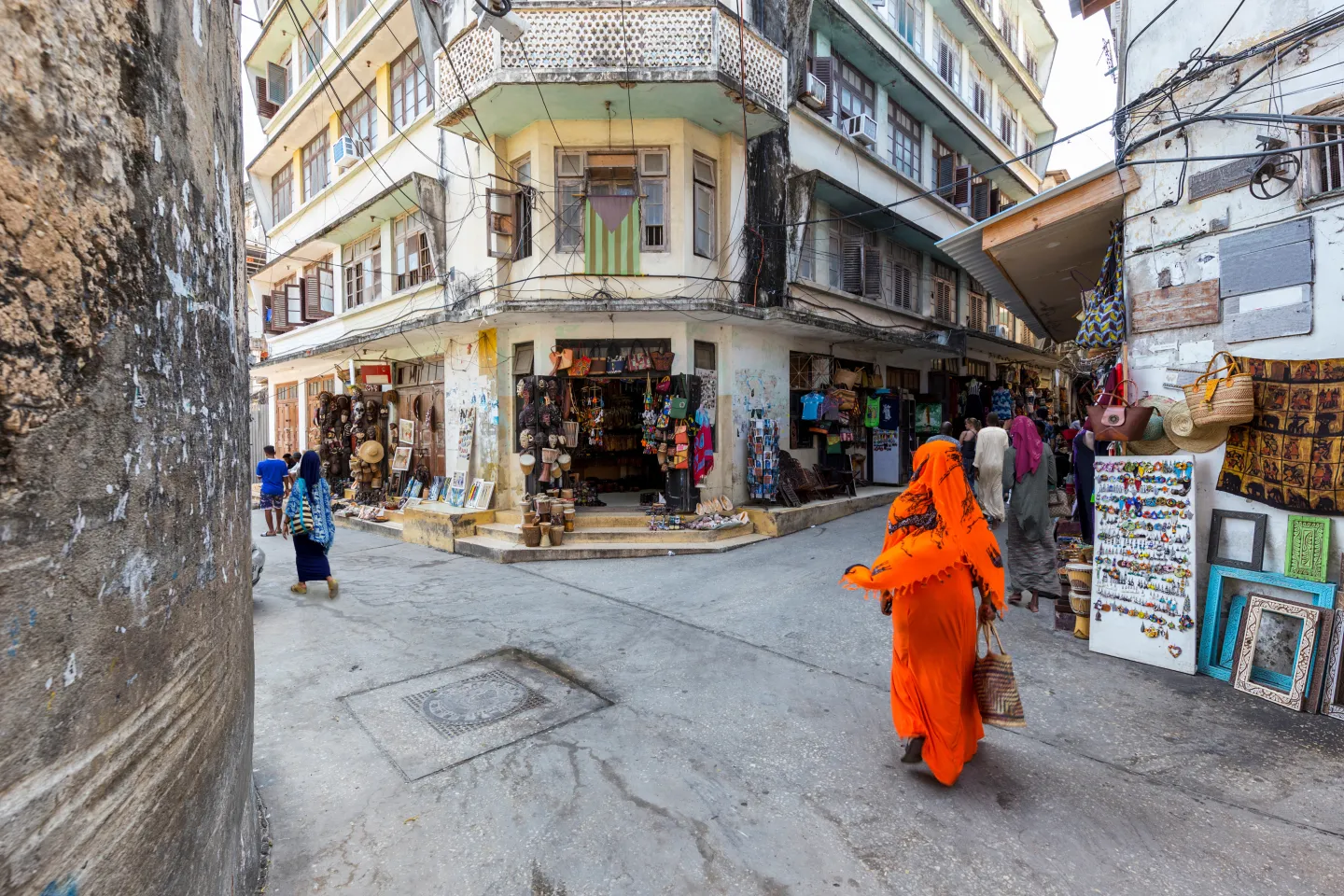
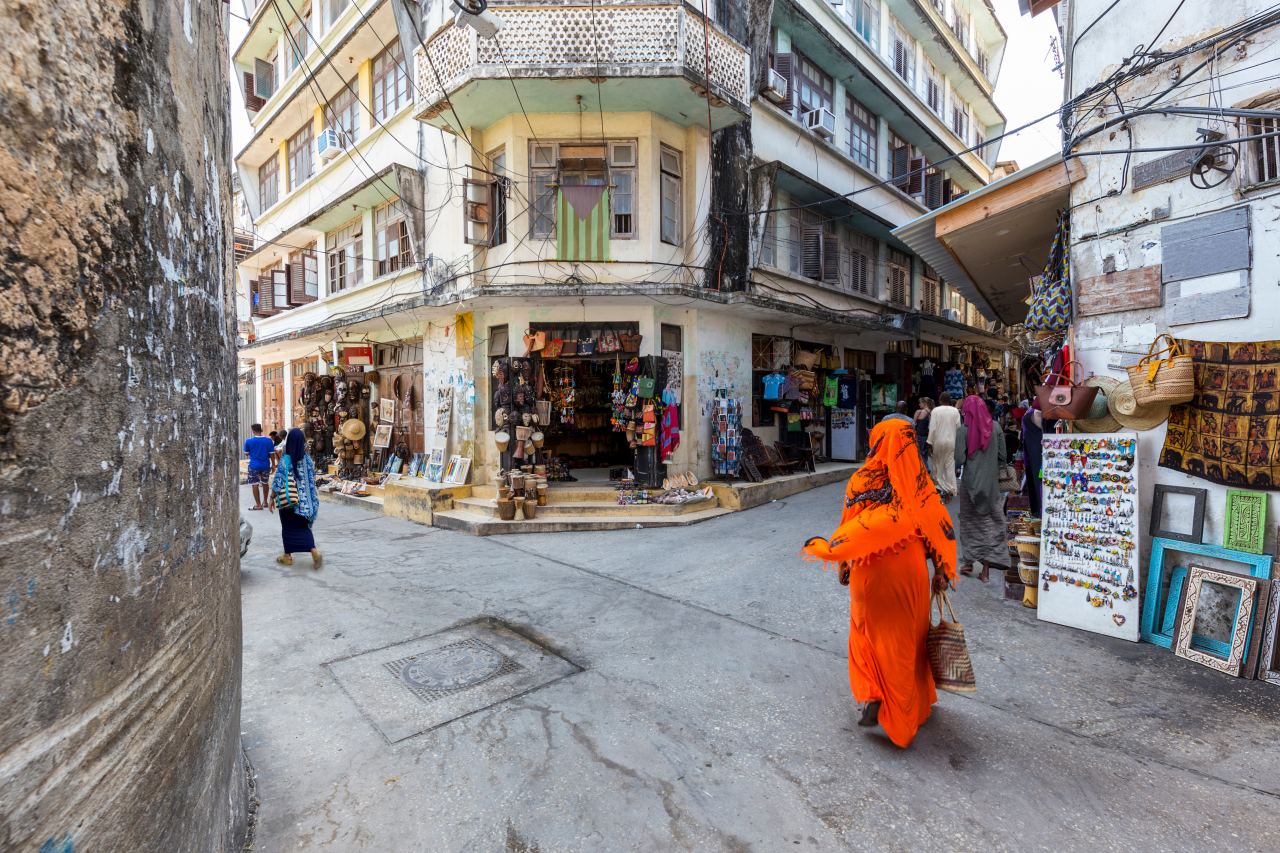
Need some shopping time? Then wander the narrow stone alleyways of the old town (sometimes no wider than outstretched arms), where traders today no longer sell slaves or ivory, but brightly coloured cloth, funky clothes, handwoven baskets, leather goods, baubles, bangles and beads. Discover pyramids of fruit, piles of cloves, bargaining and bustling. Here, where trade has been happening for centuries, Arabs, Africans, Indians and Europeans have all left traces.
And then there’s the food.
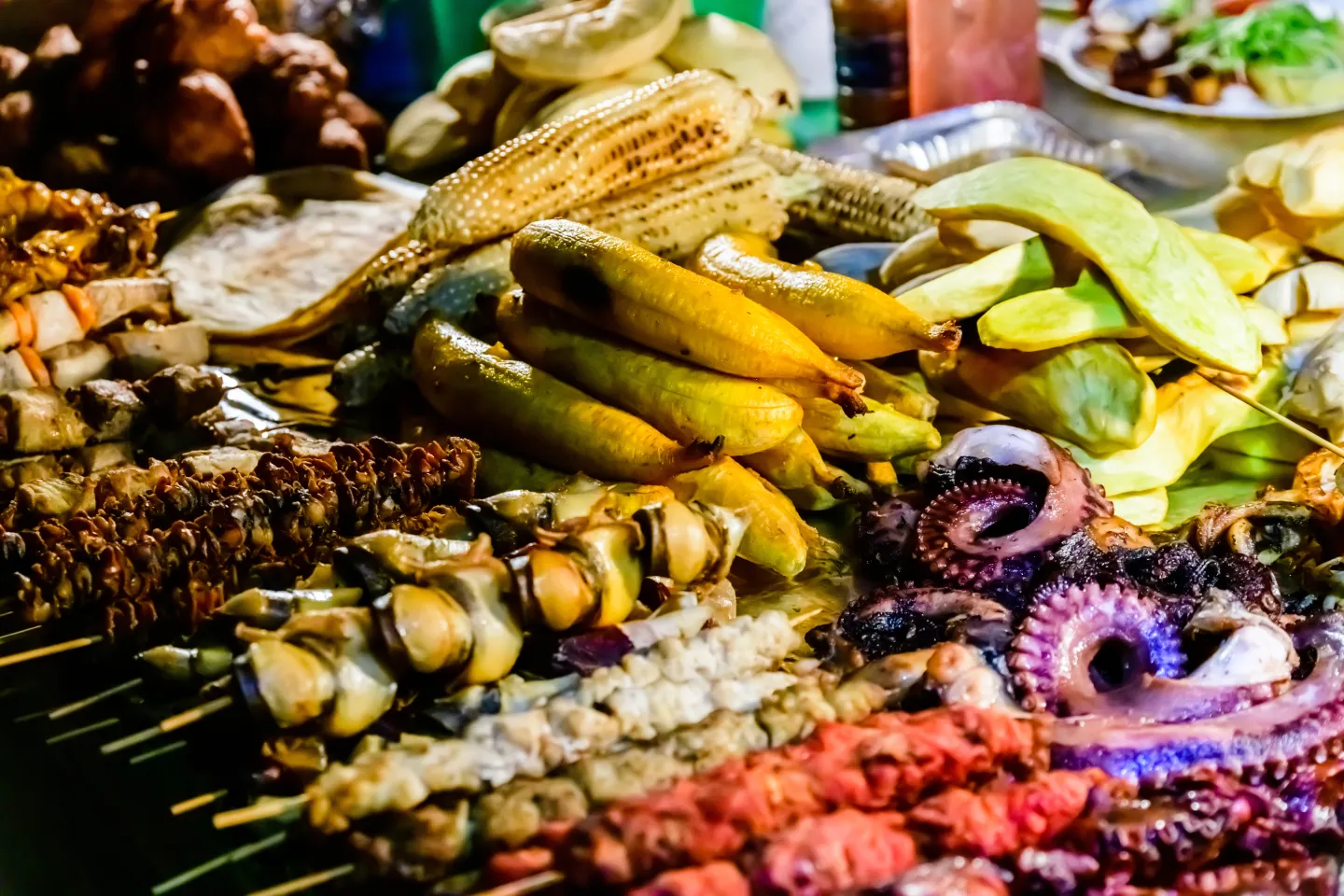
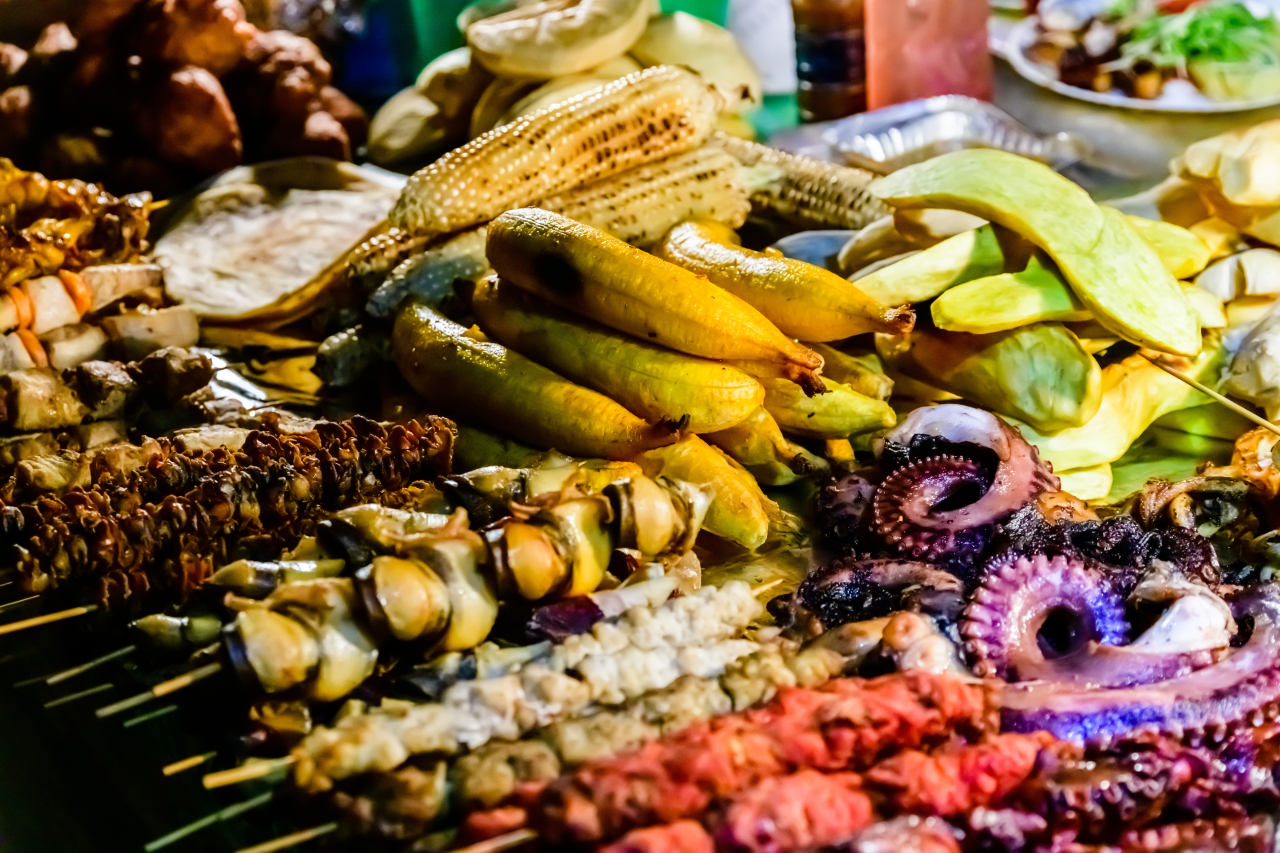
Take your pick of fresh fruit: mango, coconut, pineapple. Or feast on fish pulled in every morning, from snapper and kingfish to octopus and prawns. Try them grilled lightly or folded into coconut curries that are rich, fragrant and a little bit sweet.
Be sure to visit the night market in Forodhani Gardens, where food sizzles and smokes under open skies. Try skewers of meat and seafood, freshly pressed sugarcane juice, and the unique, beloved “Zanzibar pizza” that is not actually a pizza at all, but a thin, folded pancake filled with minced meat, egg and cheese, sometimes even chocolate and banana.
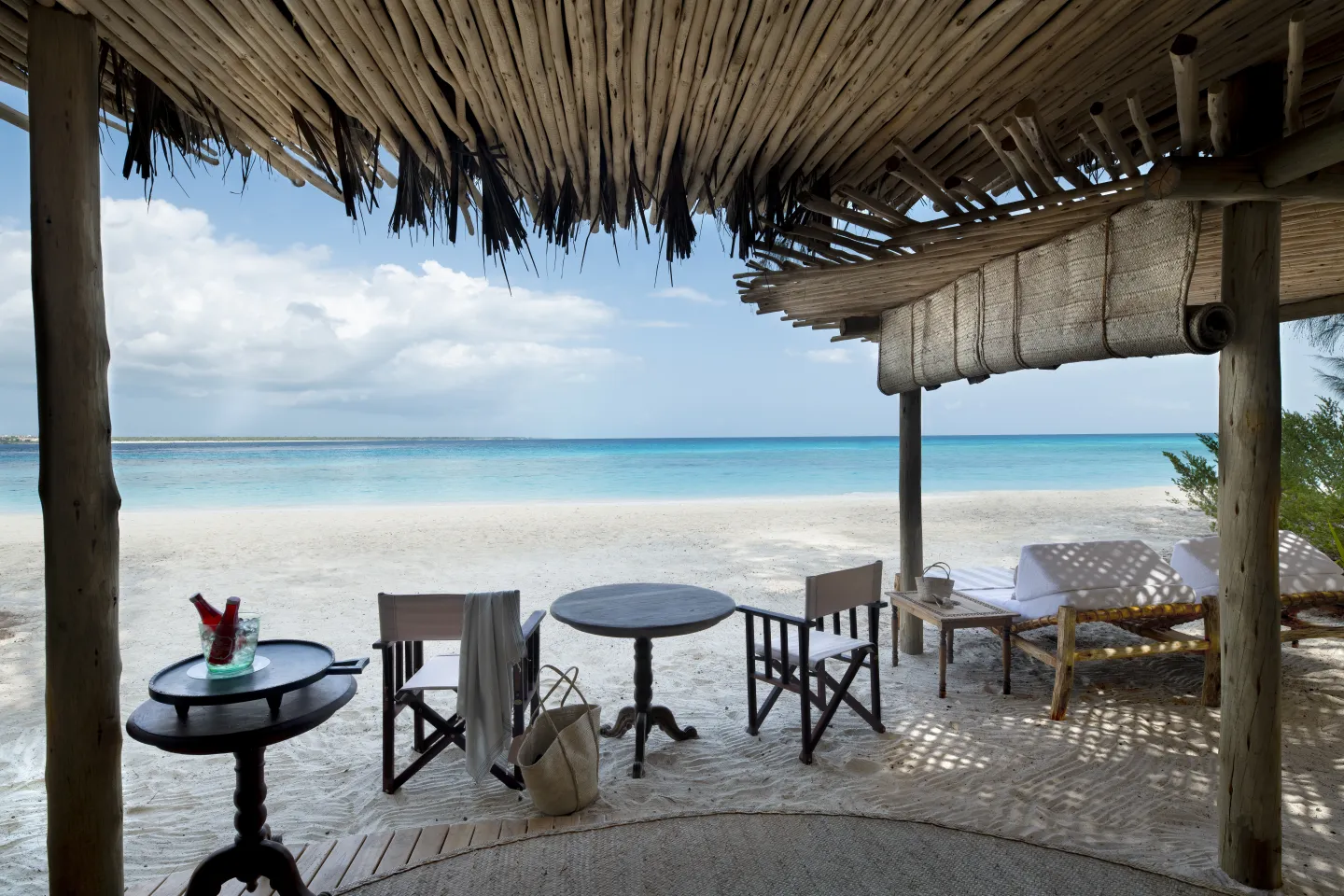
Zanzibar’s beaches are also legendary, from the white-powder soft sands on the island’s north shores where you can swim at any hour, to the firmer, yellow-sanded beaches of the east where the local women go out to gather seaweed on the vast shimmering flats after the tide has gone out.
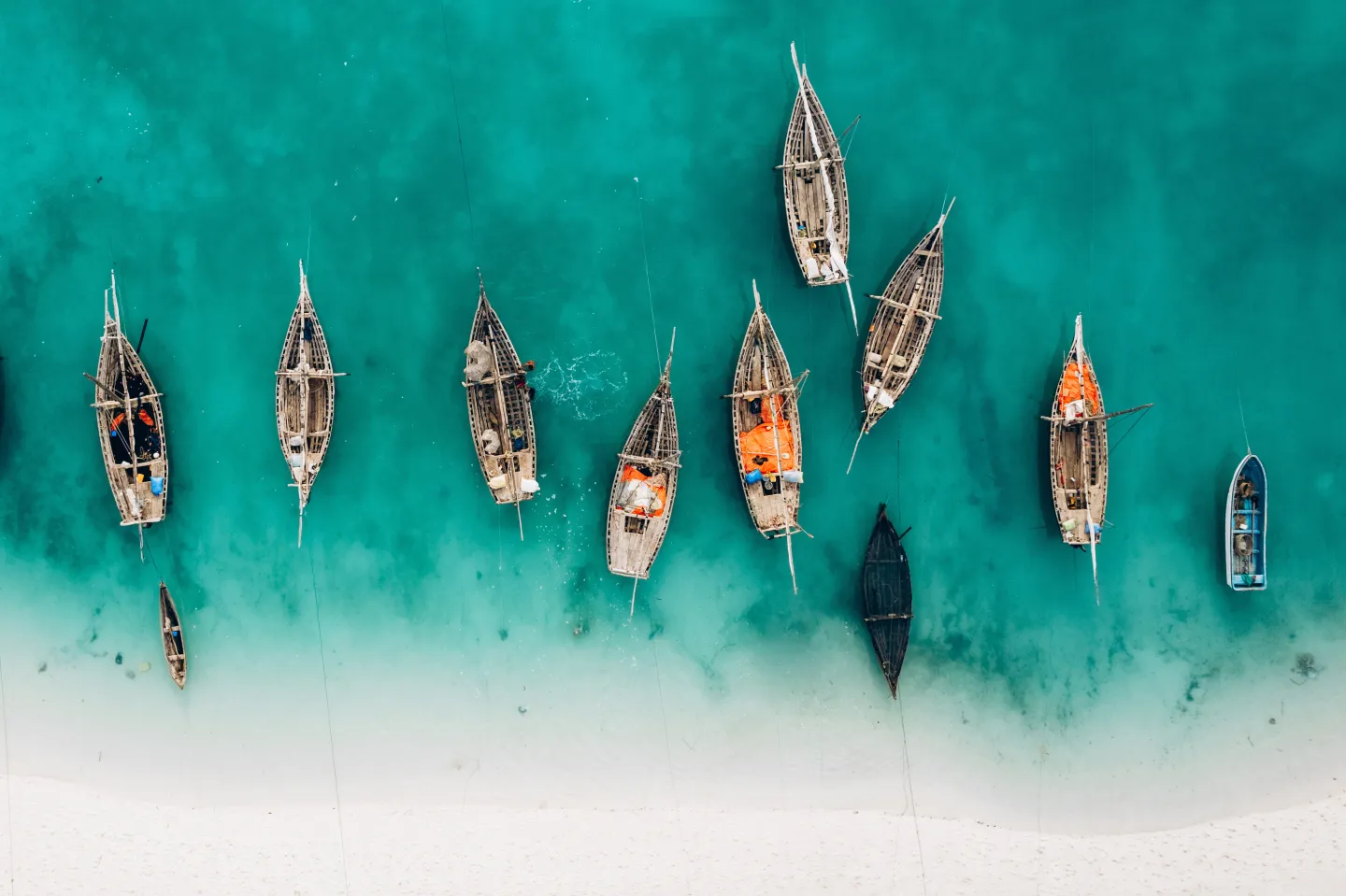
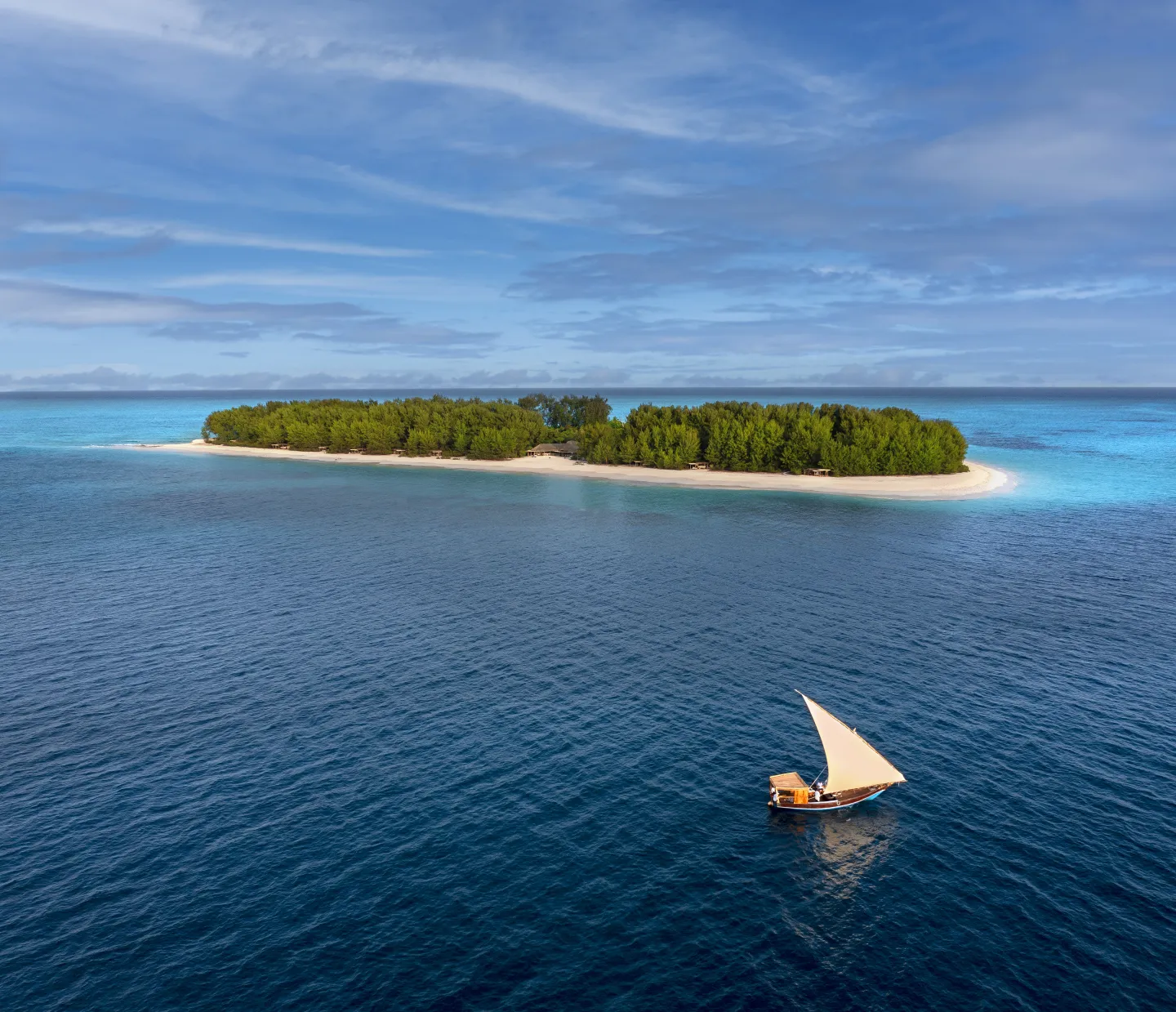
And always, everywhere, are the dhows. Watch triangular sails appear and disappear along the horizon, moving slowly, changelessly, as they have done for centuries. Take a dhow cruise in the late afternoon when the sea is calm and the breezes gentle, or watch from the shore at sunset, the photographer’s “golden hour” when the dhows become silhouettes, small, perfect cut-outs against a deepening crimson sky.
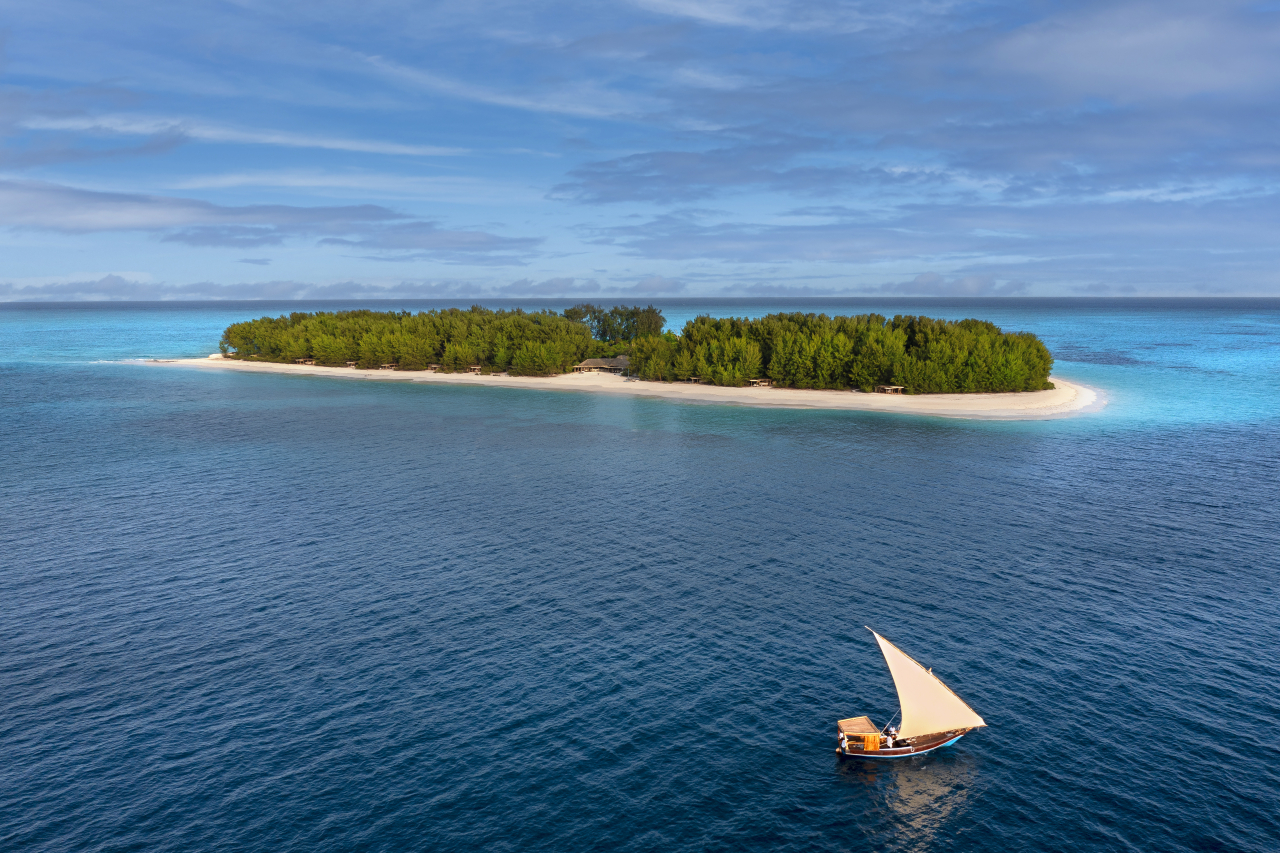
Image courtesy of &Beyond.
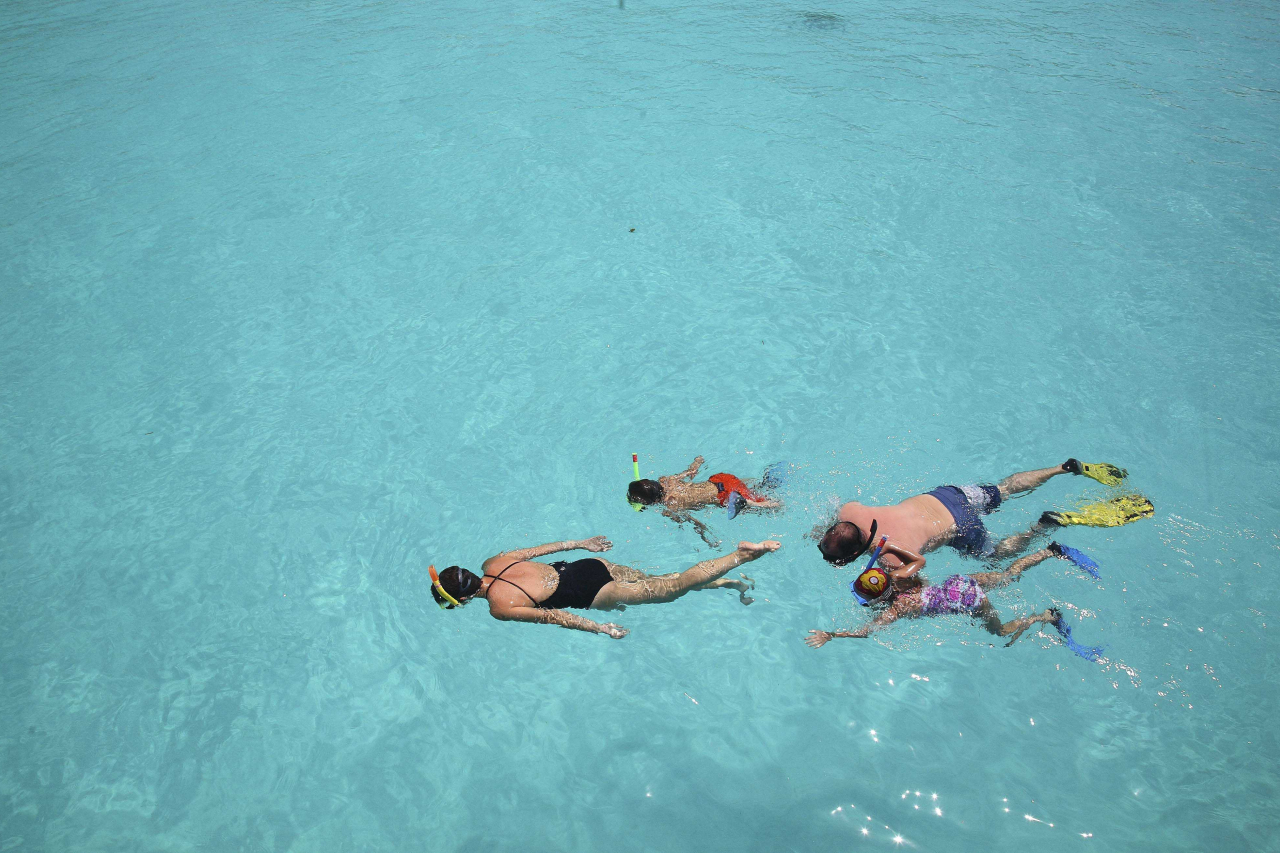
Image courtesy of &Beyond.
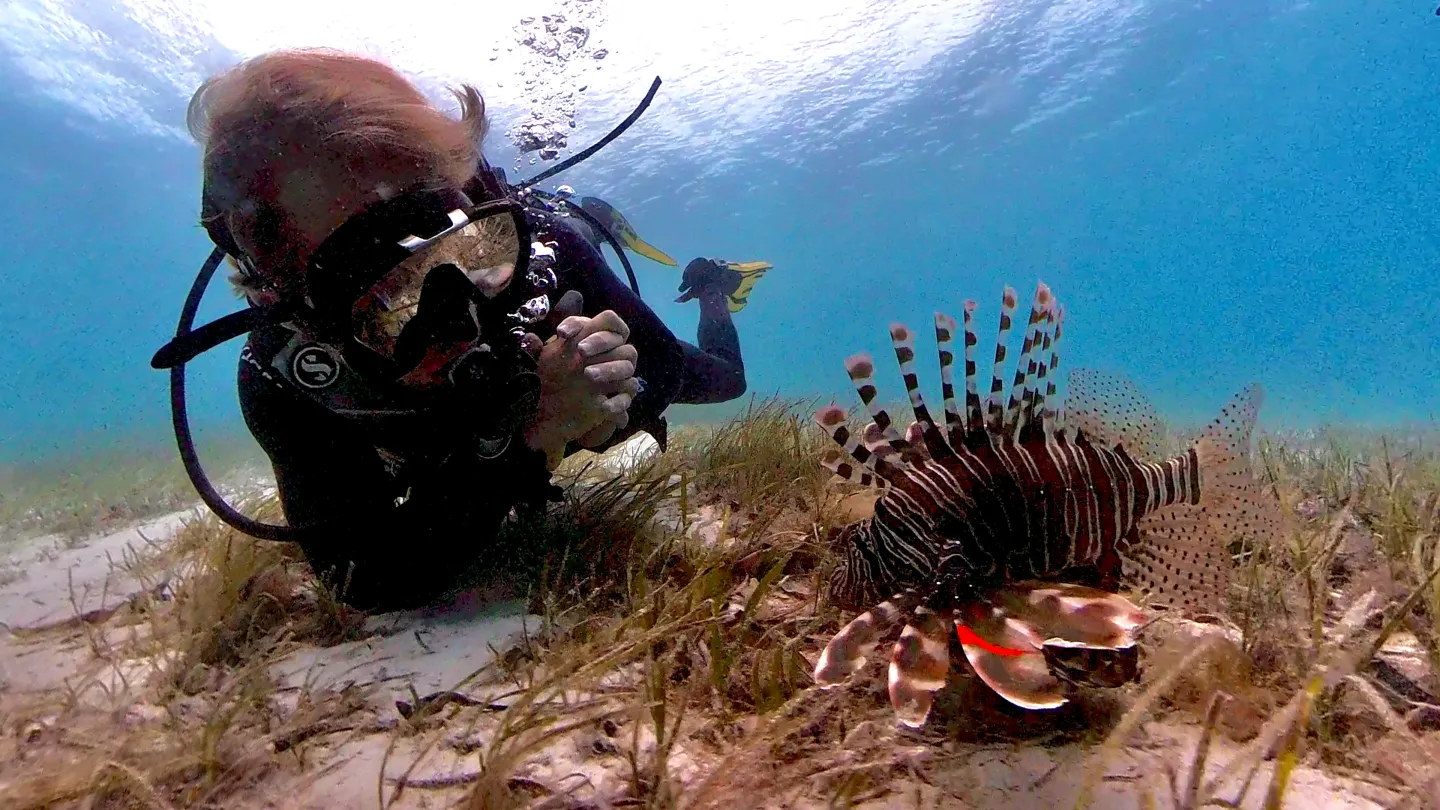
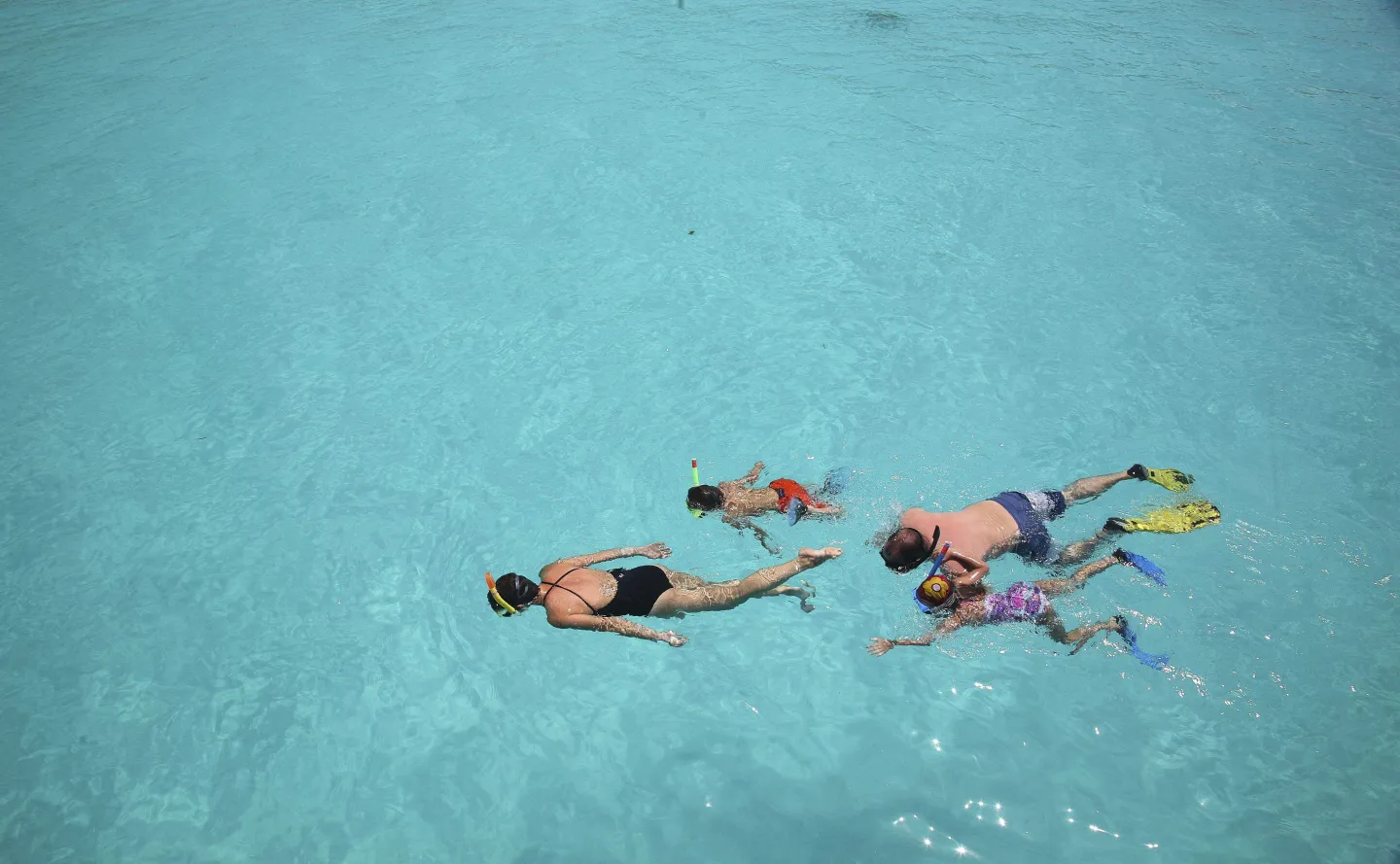
Go snorkelling and diving around reefs near Mnemba Island to marvel at coral gardens teeming with shoals of tropical fish in crystal-clear water. You could come nose to mask with parrotfish, angelfish and even green turtles. If you’re especially lucky you might even glimpse a critically-endangered hawksbill turtle. The golden rule, of course, is look, don’t touch.
Learn how to kitesurf in the long, shallow Paje lagoon or try your hand at paddle-surfing or windsurfing. When the tide is in, the water is as smooth as glass and even a dedicated landlubber will feel tempted to have a go.
On another day take a day trip to Jambiani’s Kuza Cave and float in its natural freshwater cave pool, which is fed by underground streams. Or take an easy hike in the thickly forested Jozani-Chwaka Bay National Park, Zanzibar’s only national park and watch red colobus monkeys at play.
Or you can just sit on the beach and do absolutely nothing at all, because in timeless, ancient but always magical Zanzibar, that’s also a perfectly valid activity.

Related gallery