Everywhere you look, Africa’s a bird-watching paradise

Everywhere you look, Africa’s a bird-watching paradise
| by Kate Turkington
You’ll find birds almost anywhere you travel in Africa, of such an infinite variety as to overwhelm the imagination.
Whether you’re a dedicated birder, just have a keen interest, know and love your own garden birds, or really don’t know your sparrows from your sunbirds, then you’ve come to the right continent.
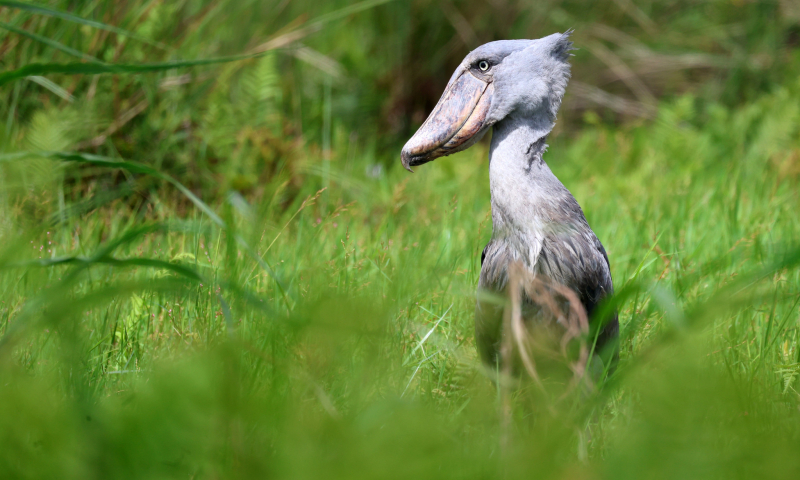
Imagine a country no bigger than the United Kingdom, yet home to more than 1 000 bird species, almost half of all species found in Africa. Welcome to Uganda, one of Africa's great birding destinations. You could see rainforest birds, savannah birds, wetland species, Albertine Rift endemics, or one of Africa’s most sought-after birds, the legendary Shoebill.
The best-known place in Uganda to see this extraordinary prehistoric-looking bird is the Mabamba Swamp. You’ll be paddled with a specialist guide in a small canoe through the papyrus channels and patches of open water, and there, standing waist-high in the reeds with a sinister smile on its face, will be one of Africa’s most memorable birds. It’s a sighting you’ll never forget and you’ll almost certainly smile in return.
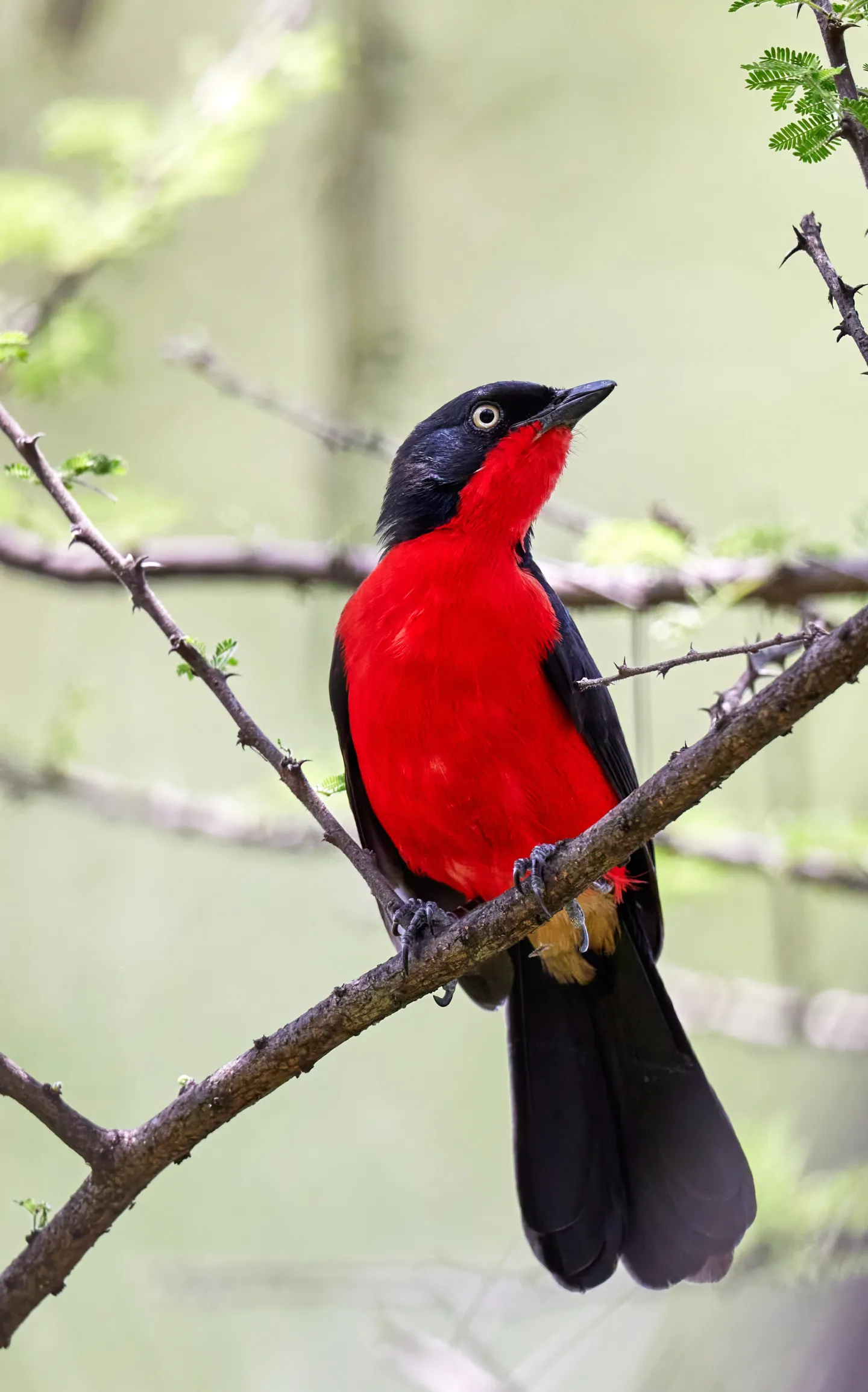
You may also hear the trilling song of another highly coveted but more elusive swamp resident before you see it. But when you do see the Papyrus gonolek with its scarlet breast and belly, glossy black head and wings, and striking yellow cap, you certainly won’t forget it.
A sobering thought is that this charismatic bird, just the size of a starling, is so closely tied to papyrus swamps that if the papyrus disappears, so does the bird. It's a stark reminder of how important East African wetlands are for biodiversity.
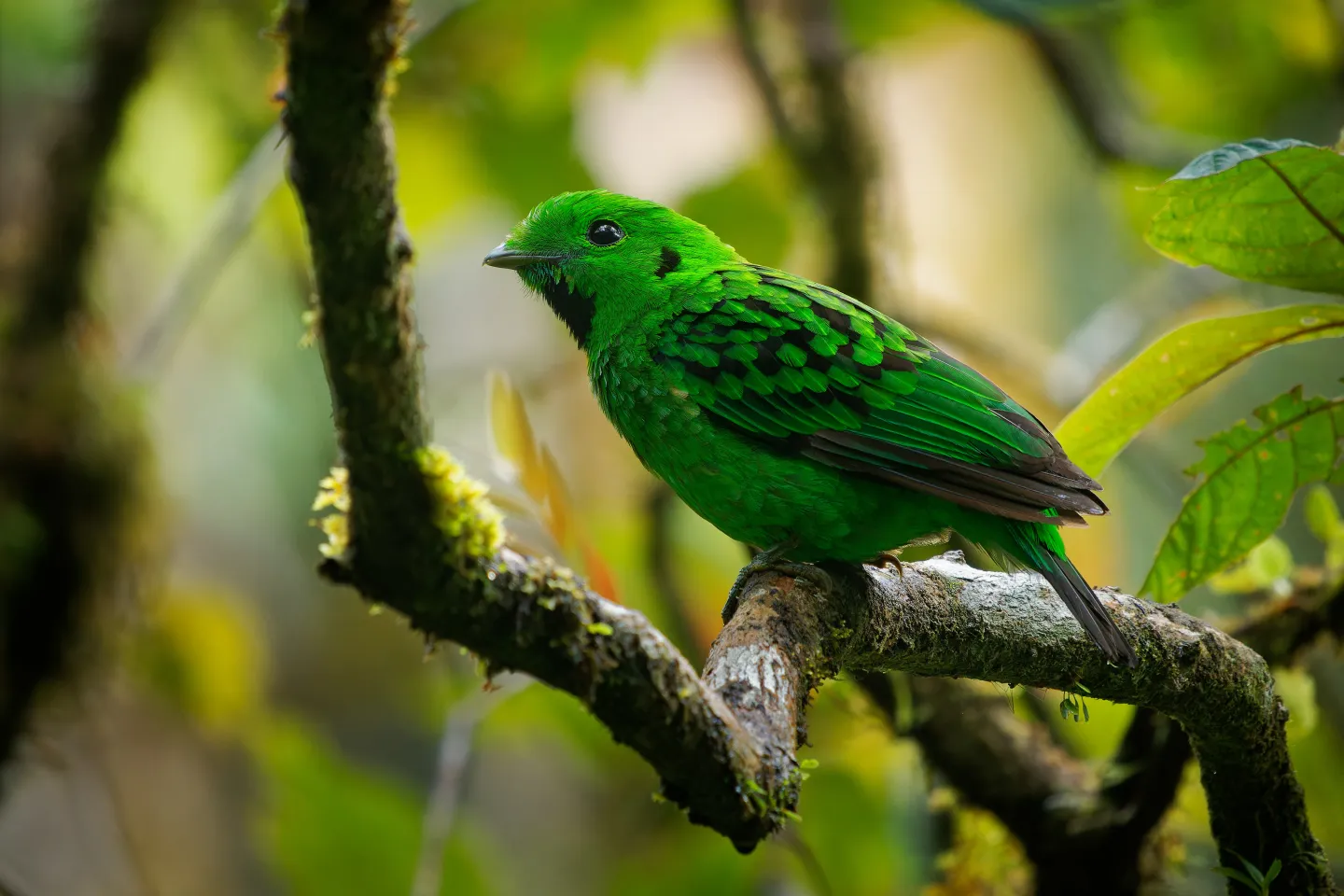
You may be trekking for mountain gorillas in the Bwindi Impenetrable Forest National Park, but Bwindi is also one of Africa's finest forest birding sites. Two “star” birds are the African green broadbill and the Rwenzori turaco.
If you're looking for a classic East African safari experience combined with exceptional birding, Queen Elizabeth National Park is hard to beat. What makes it special is its astonishing variety of habitats, from open savannah, wetlands, papyrus swamps, forests and crater lakes to volcanic cones and the famous Kazinga Channel.
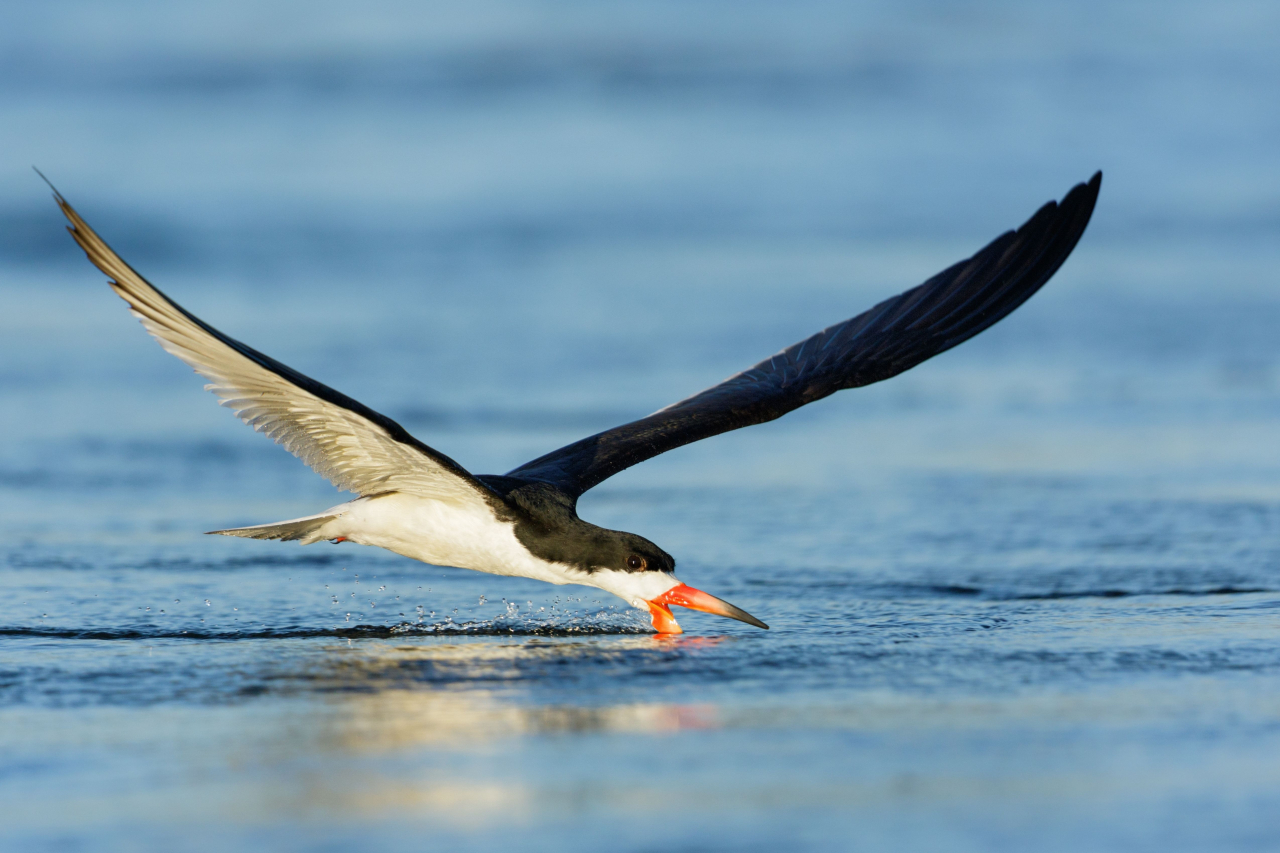
The park boasts more than 95 mammal species (including the famous tree-climbing lions) and over 600 bird species such as African skimmers, Saddle-billed storks, Pink-backed pelicans and flamingos.
If you’re a birder you’ll be in feathery heaven because the park has one of the highest bird diversities of any protected area in East Africa. Many top safari guides reckon that a boat trip through the Kazinga Channel is one of Africa’s finest experiences because of its abundance of game and birds.
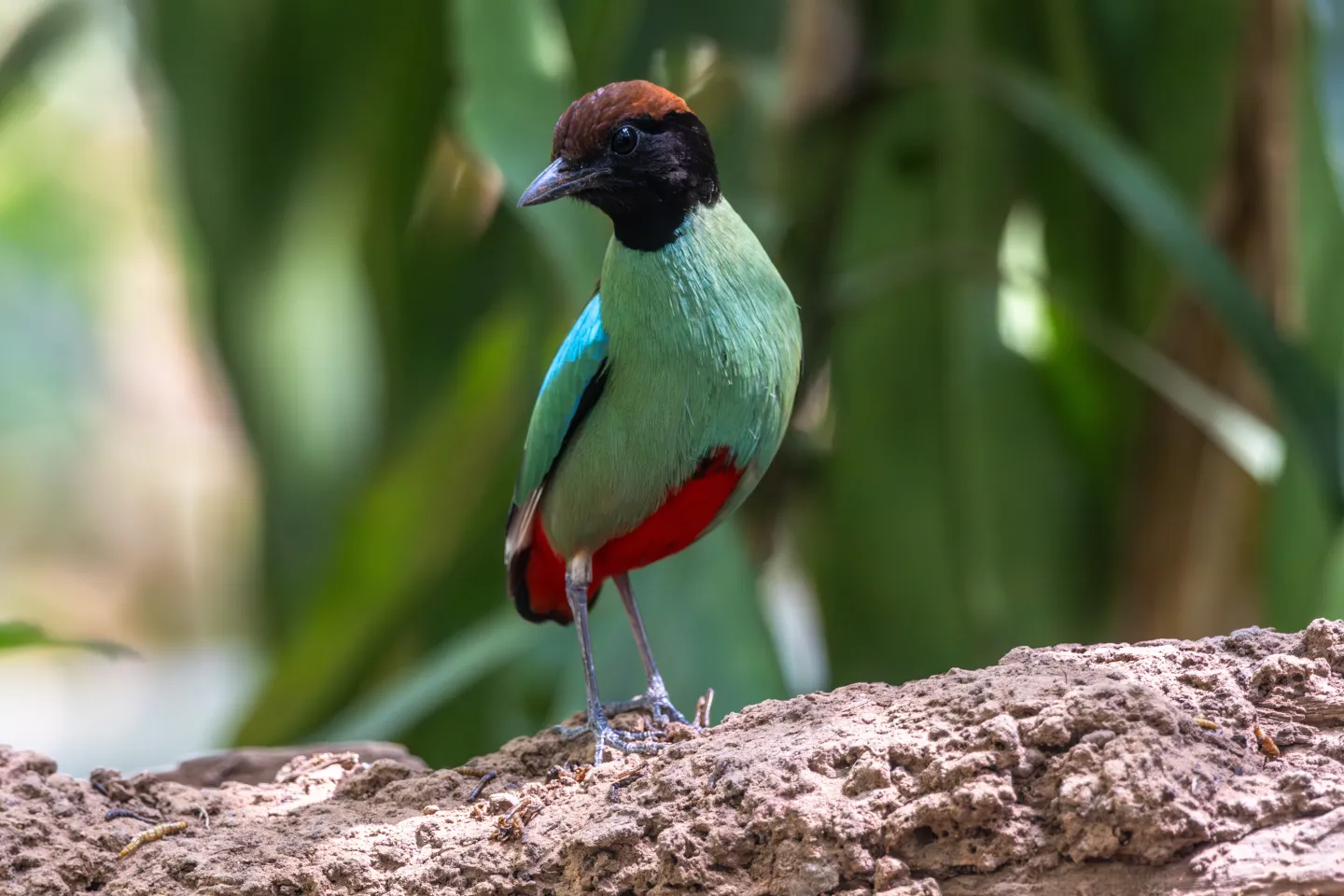
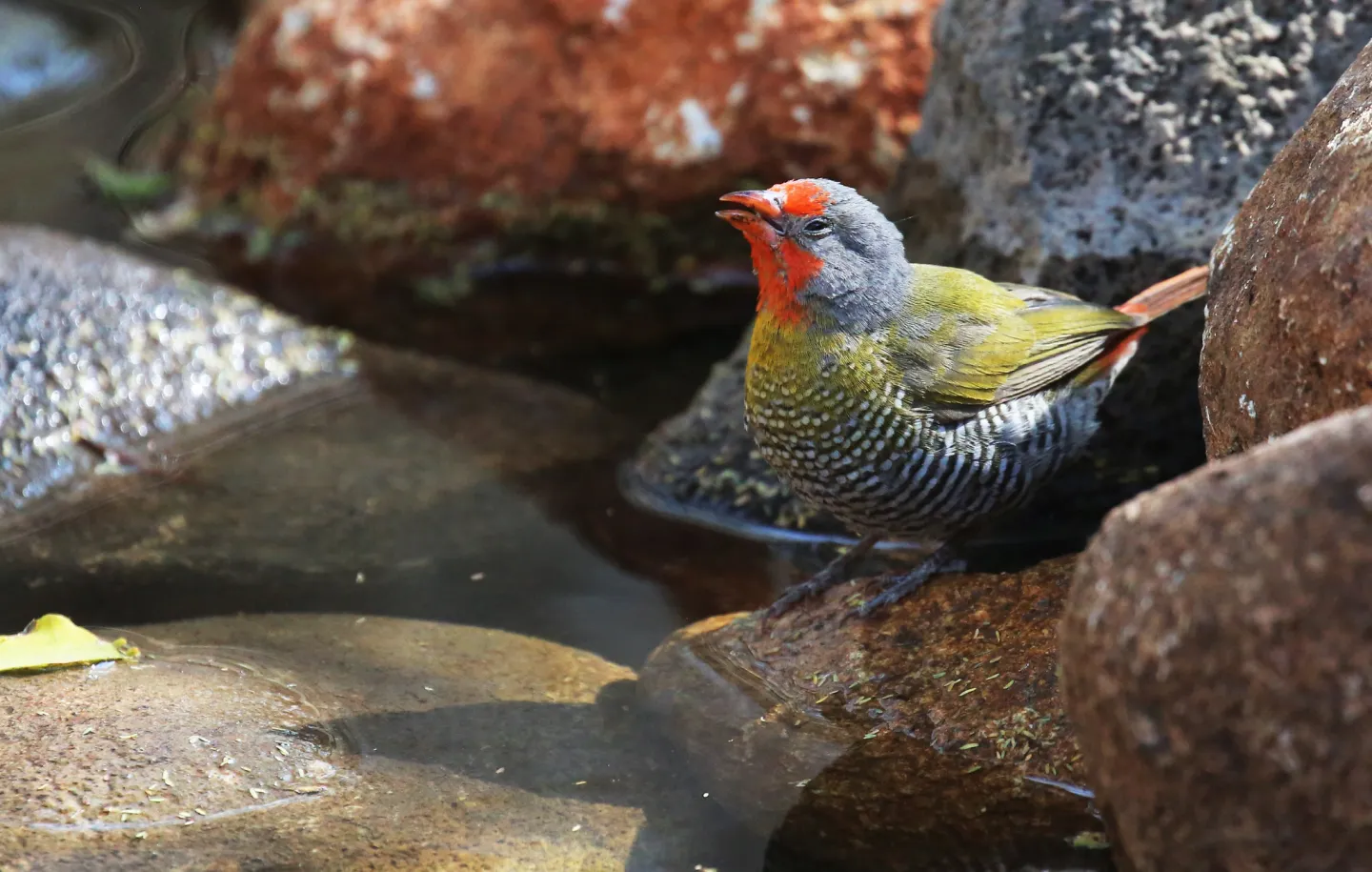
If you’re a totally dedicated “twitcher”, then hike in Uganda’s Kibale National Park for forest birds, especially the Green-breasted pitta, one of Africa’s most highly sought-after sightings.
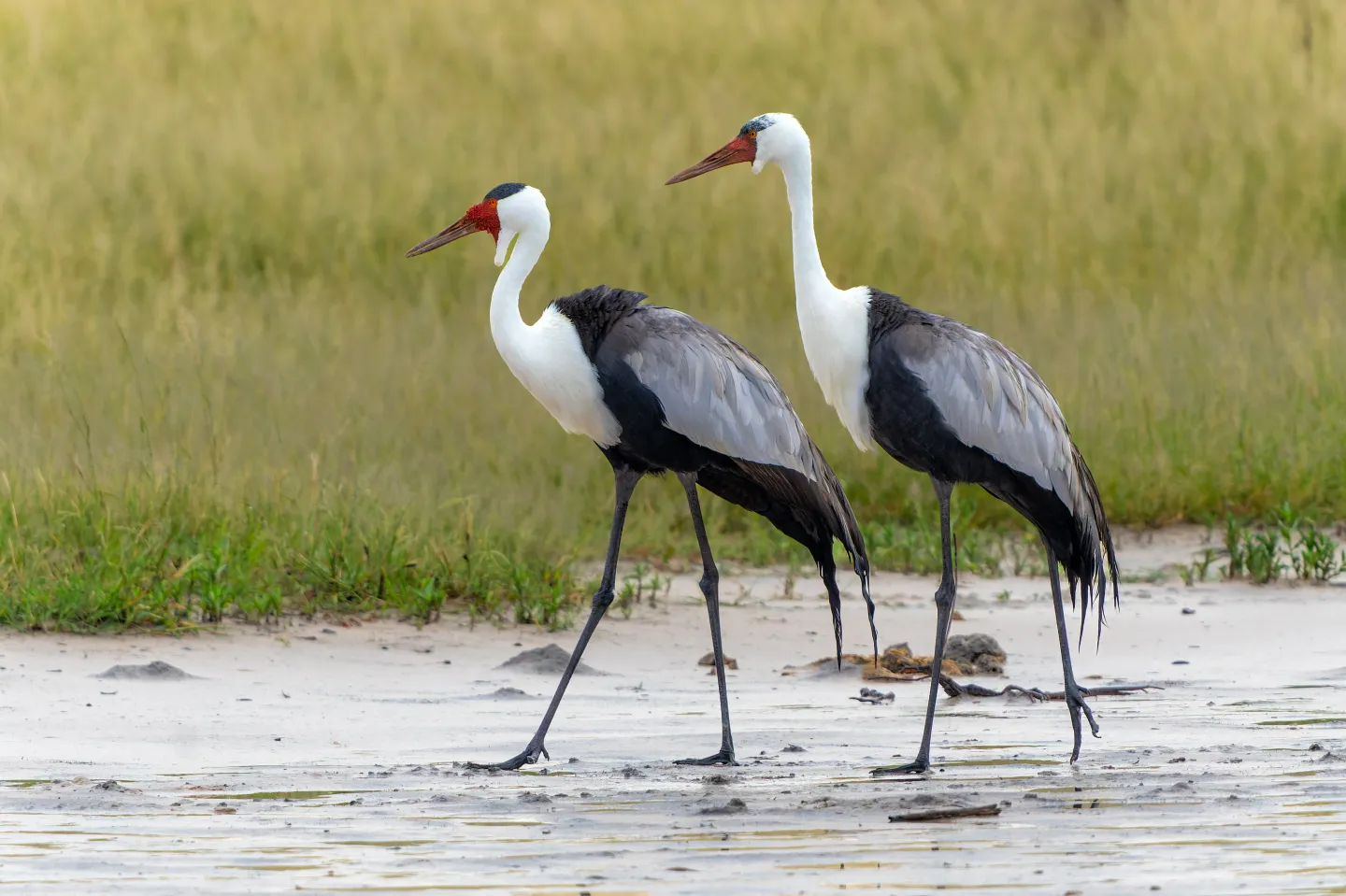
Botswana may be famous for its elephants, leopards and lions, but if you’re a birder it’s a country of fish eagles and fishing owls, crimson bee-eaters and the Wattled crane, now classified as “vulnerable” because only a couple of thousand remain in Africa. Overall, more than 590 bird species have been recorded in this landlocked country and it’s the combination of wetlands, rivers, floodplains, savannah and desert that creates this remarkable diversity.
Although in the wet season you’ll see flocks of greater and lesser flamingos in the surreal landscape of the Makgadigadi Pans, if you’re a birder, the Okavango Delta will be your prime location. On a dawn paddle in a mokoro (dugout canoe) through the twisting papyrus-lined waterways and lily-studded open pools, you could spot some of the most spectacular birdlife on the African continent.
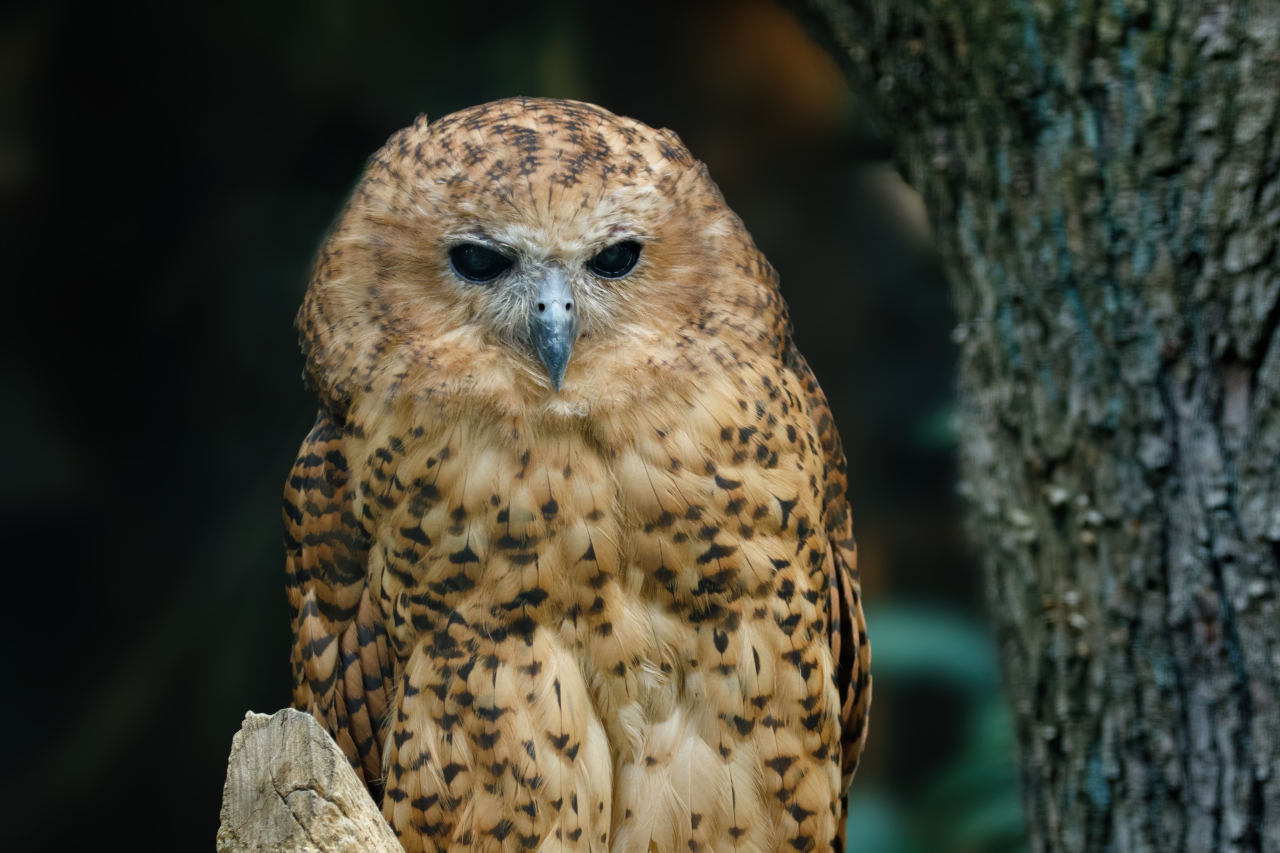
The big drawcard here is the coveted Pel’s fishing owl. An experienced guide will know the best places to look (though be warned, even with a great guide, it will be tough to spot one). This very large, ginger-coloured owl could be sitting high in a sausage tree over a tranquil channel (once, when I was staying at lodge deep in the Moremi Game Reserve, one perched expectantly on the low branch of a jackalberry tree overlooking the camp’s small fish pond). On safari, if, as you lie in bed at night, you hear a series of grunts followed by a deep, booming call, you’ll know the owl is close by.
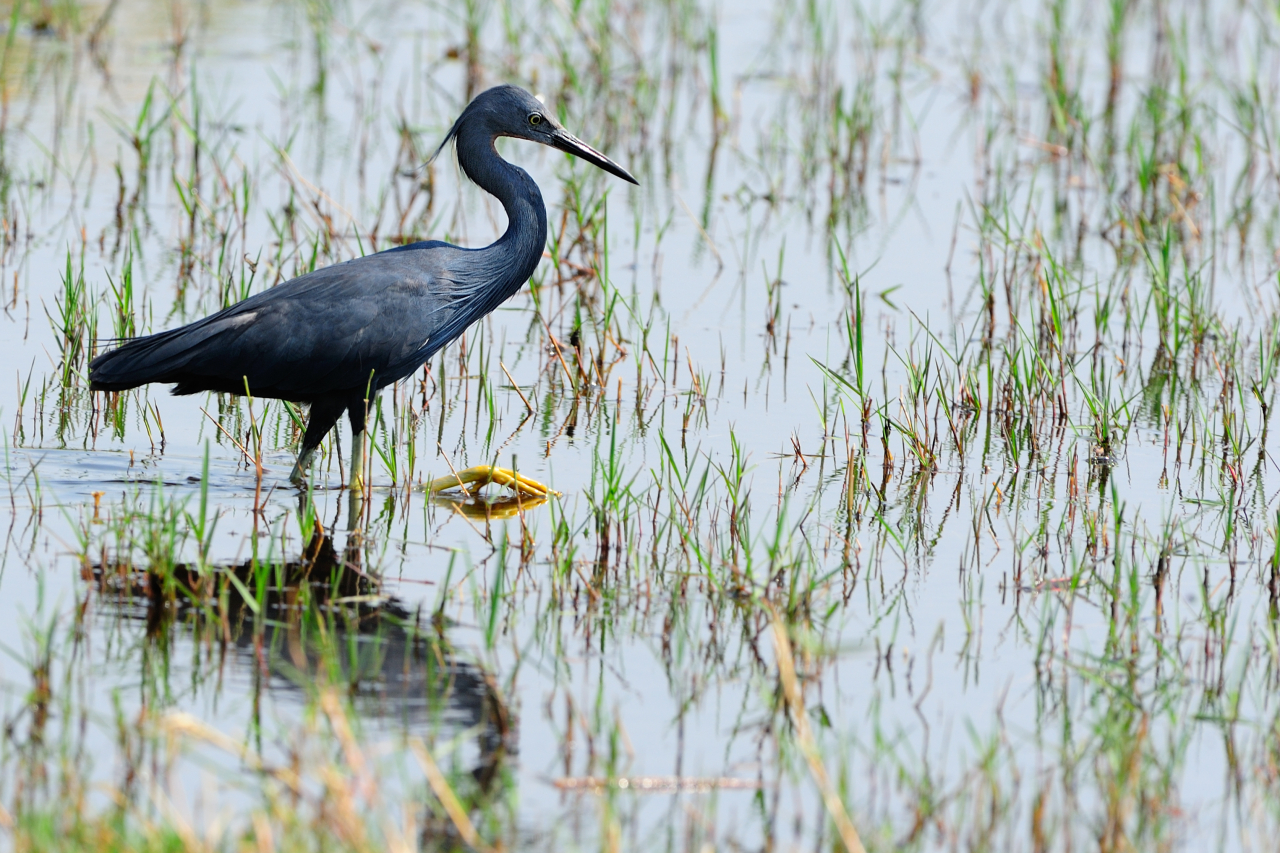
The vulnerable Slaty egret is another Okavango Delta prize, and in summer expect to be dazzled by the brilliant pink-red plumage and turquoise highlights of flocks of the bank-nesting Southern carmine bee-eaters.
Beyond the water, look for lilac-breasted rollers and hornbills in the woodlands, with Meyer’s parrots among the trees.
You’ll have a completely different birding experience in Botswana’s Central Kalahari Game Reserve, where the vast open landscapes make raptors particularly easy to spot.
Raptors thrive here because there is an abundance of easy takeaway food in the form of rodents, reptiles and small mammals.
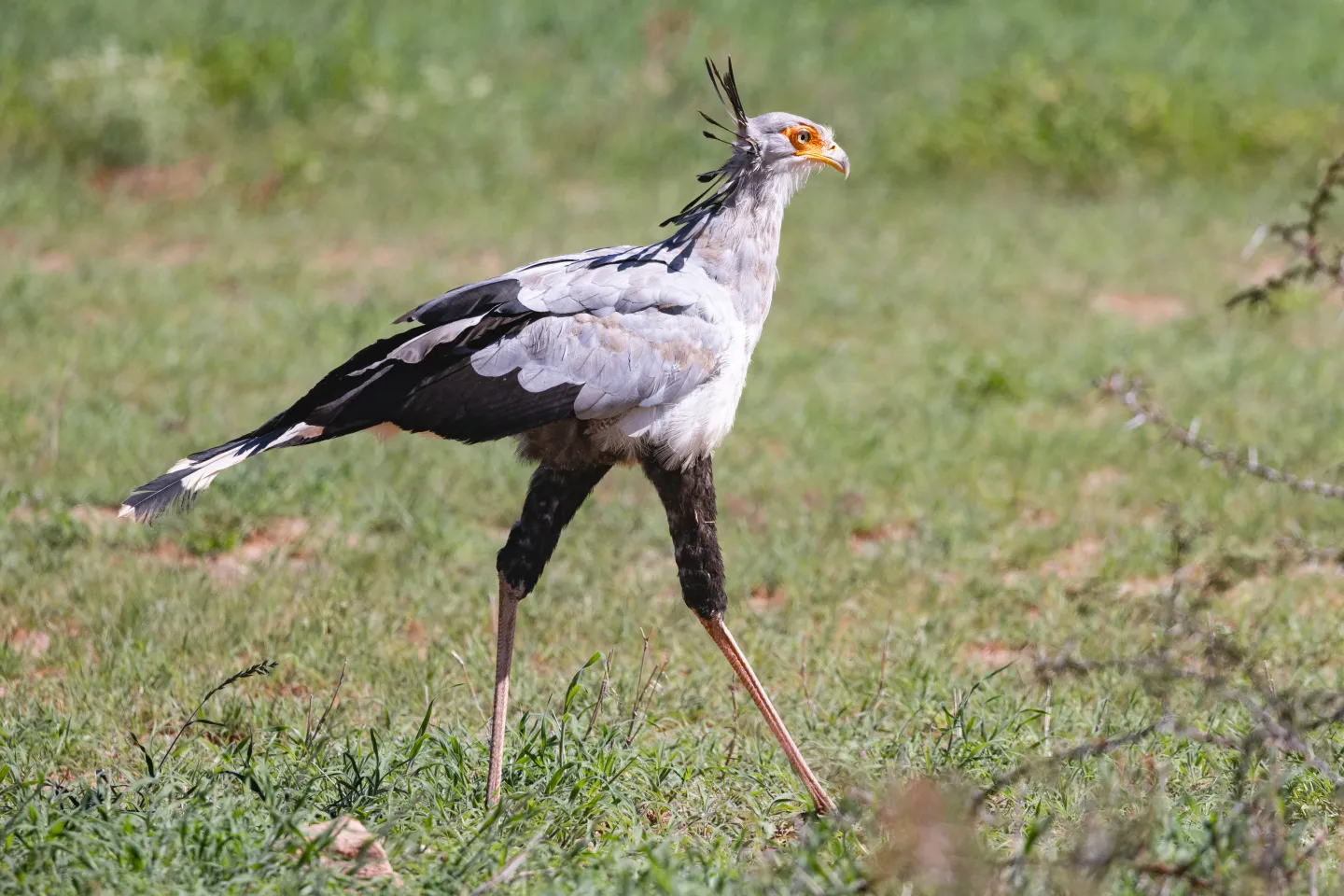
Look out for the metre-high, quaint-looking Secretary birds as they hunt snakes in the grass, Tawny and Bateleur eagles riding high in the desert sky, the lyrically named Pale chanting goshawks, plus Northern black korhaans and the gorgeous Crimson-breasted shrike.
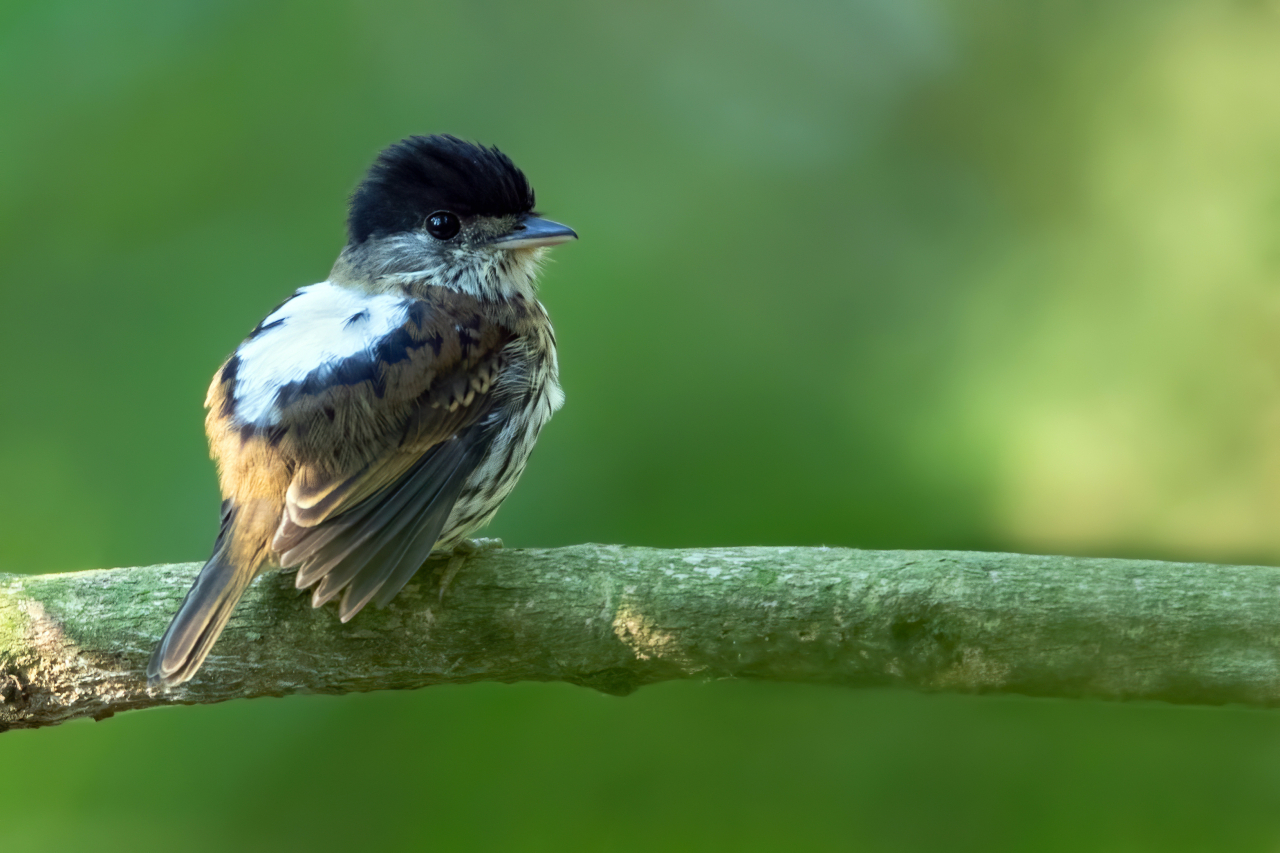
And for more birds of every size, colour, species and calls, then go birding in South Africa. Tucked away in far northern KwaZulu-Natal, near the Mozambique border, is the legendary birding destination of Ndumo Game Reserve. It’s a relatively small reserve which at 98km2 (38sq mi) is only slightly larger than the island of Manhattan, but it boasts one of the highest bird species counts in South Africa, with more than 430.
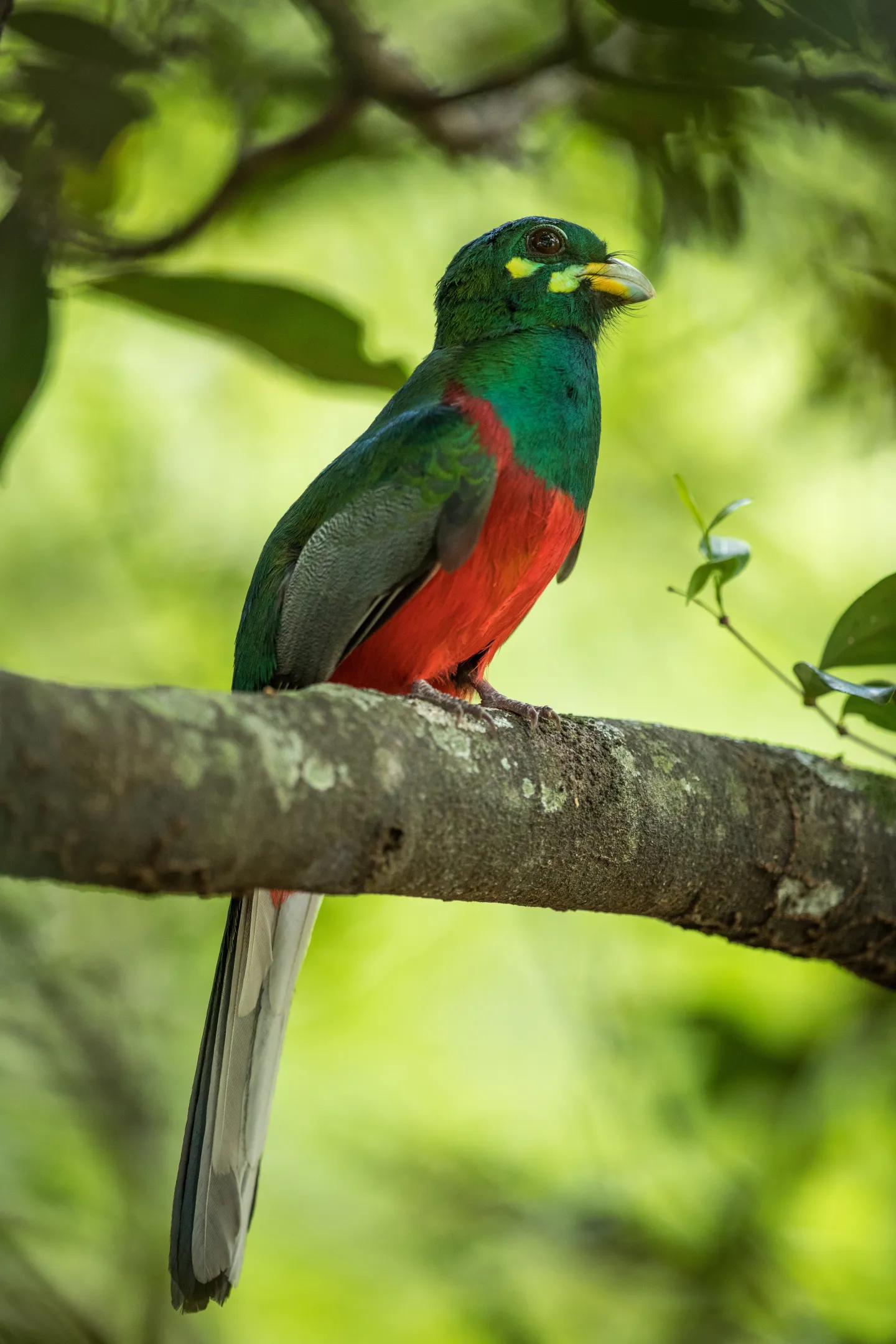
The reserve's mix of wetlands, pans, rivers, reedbeds, sand forest, riverine forest and acacia savannah creates an astonishing diversity of habitats. “Star” birds here include the African broadbill (a plump little bird that whizzes up and down on a branch during its mating display), the Narina trogon, the African cuckoo-hawk and that holy grail of most birders, Pel’s fishing owl.
Serious birders place Ndumo in the same conversation as the Okavango Delta, Mabamba Swamp and Bwindi Impenetrable National Park, not because it’s as large, but because of its distinctive and rewarding birding experience.
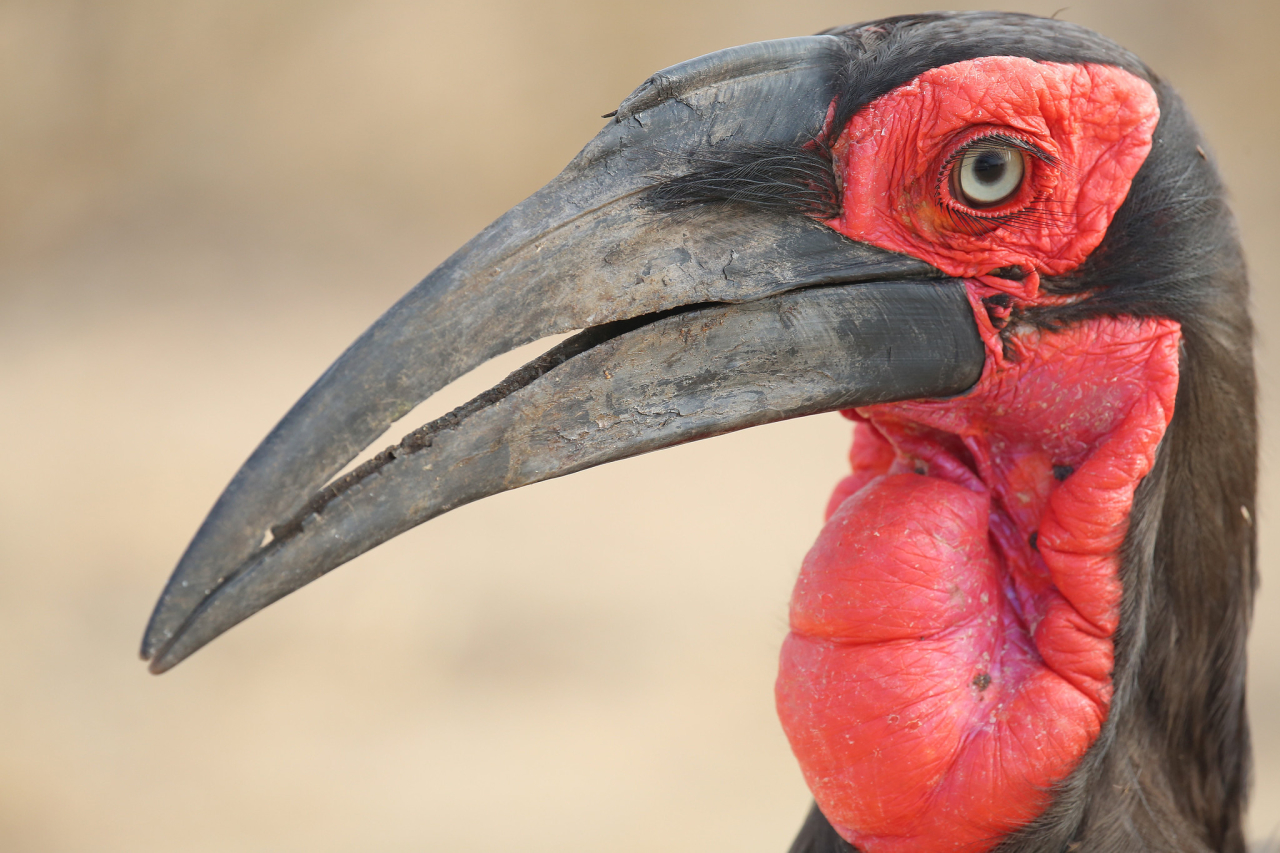
Image courtesy of Tara Turkington/Flow Communications.
Finally, the world-famous Kruger National Park is in a league of its own. With nearly 520 recorded bird species, Kruger is one of the richest birding areas in South Africa, and because of its accessible roads, you can explore a huge range of habitats in a single day.
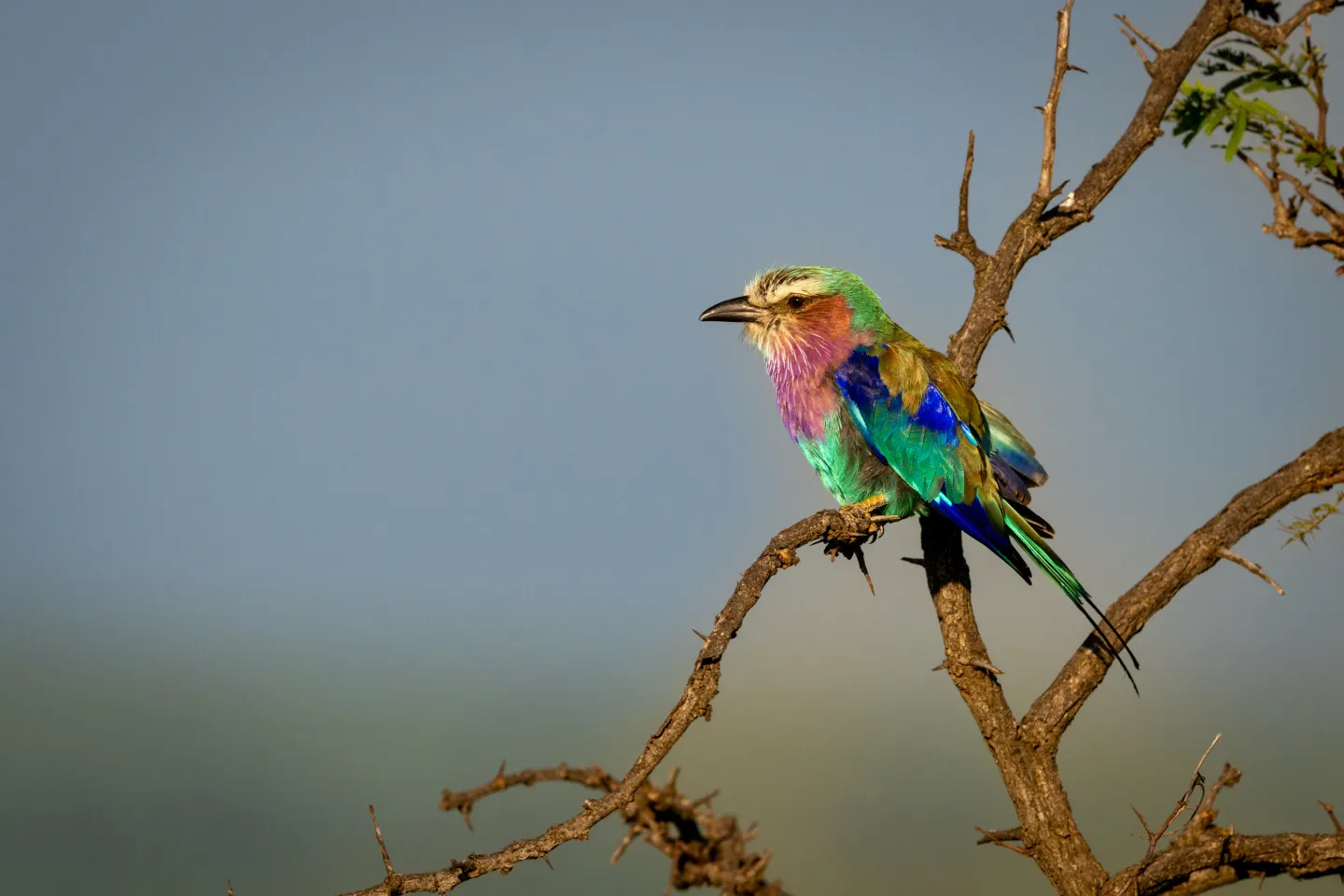
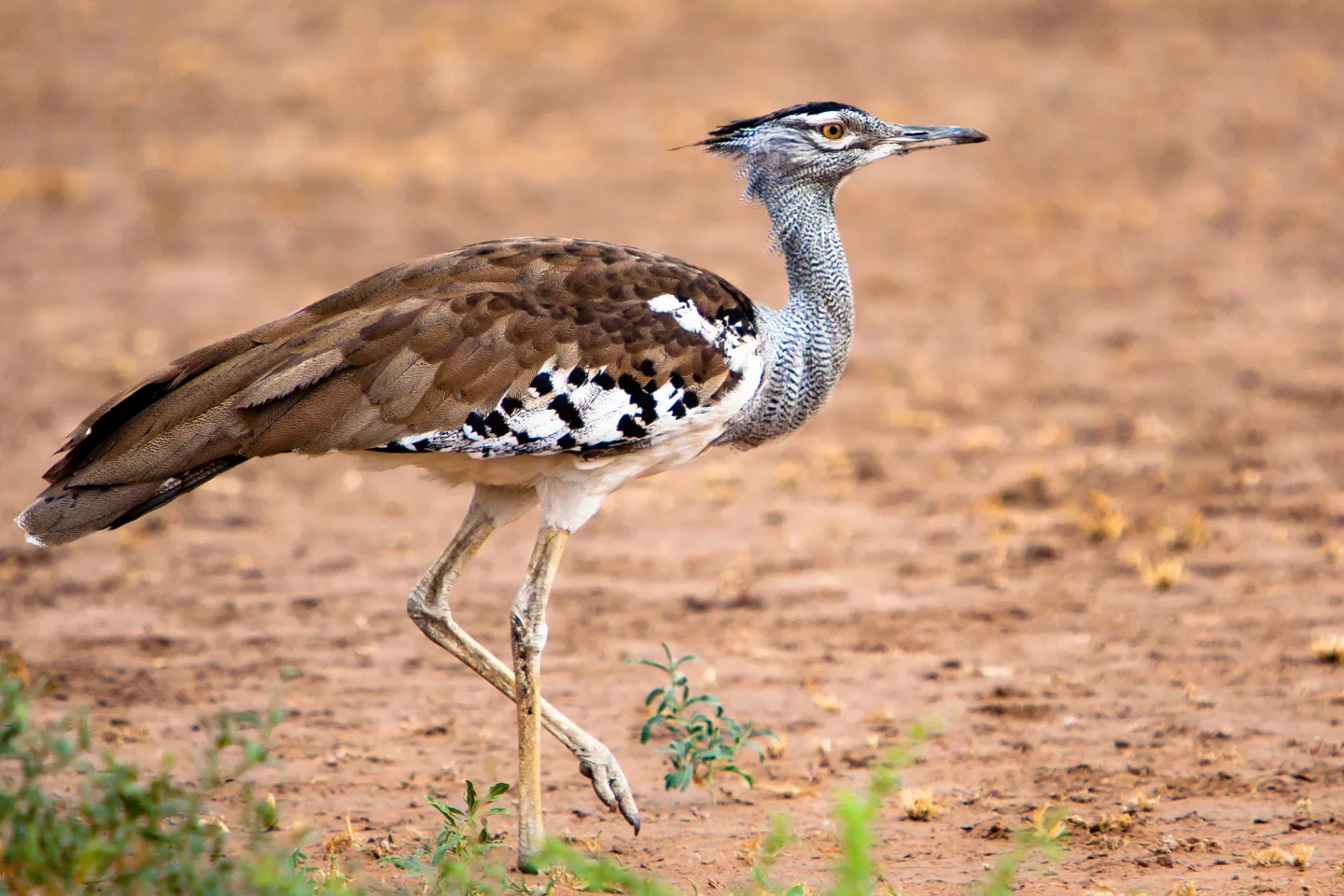
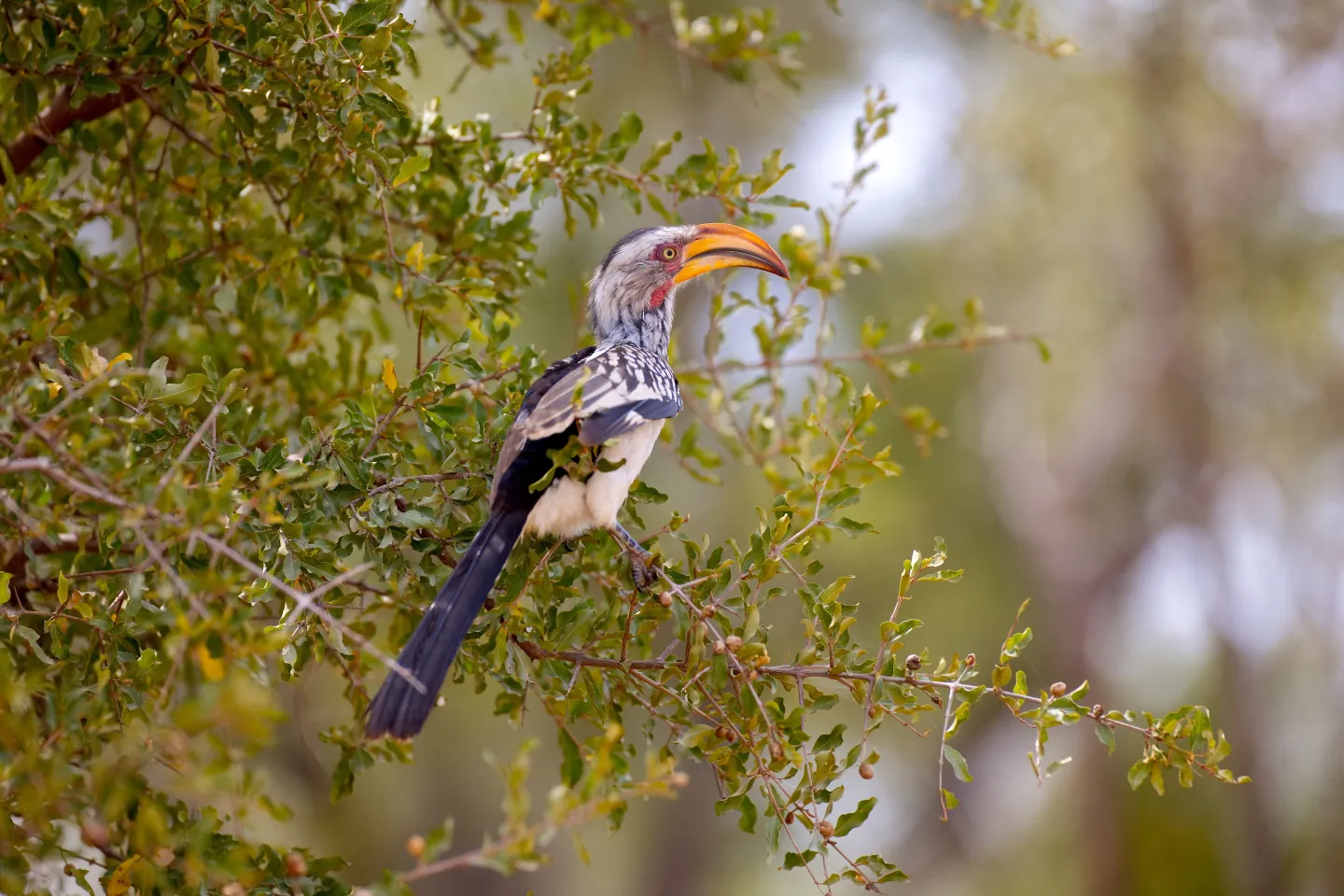
Get close up and personal with a brilliantly coloured Lilac-breasted roller (the poster bird of Southern Africa), the Kori bustard (one of the heaviest flying birds in the world), the Southern yellow-billed hornbill (Zazu of The Lion King) or the critically endangered Southern ground hornbills. Go with a birding guide or drive yourself (armed with a bird book or bird app on your phone), and tick off dozens.
Birding in Africa is a huge topic. Of course, there’s so much more to see and do than what you’ve read about here. Ask your Travel Architect for advice, pack the best binoculars you can afford, keep your ears and eyes open, and enjoy one of Africa’s most rewarding experiences!


Related gallery