How and why the Big Five came to be
How and why the Big Five came to be
| by Kate Turkington
You’ve almost certainly heard of Africa’s Big Five. The must-see. The why-we’ve-come-on-safari reason. The buffalo, the elephant, the leopard, the lion and the rhinoceros. But why the “Big Five”? Why this iconic name? Why these particular animals?
Well, because the old hunters used to say that of all the animals roaming the African plains, forests and savannahs, these are by far the most dangerous and difficult of all to face and to hunt on foot.
The huge, shaggy black African buffalo is far removed from the docile water buffalos of Asia, and can charge and kill in a flash. When you watch a breeding herd of elephants peacefully bathing or drinking at a waterhole, it’s hard to imagine that if that huge matriarch feels her baby is being threatened, she’ll trumpet loudly and come thundering after you.
That beautiful charismatic creature of the night, the sinuous and elegant spotted leopard, is a camouflage wizard and can hide itself away in an instant, before magically pouncing and striking. That dozing pride of lions may look laid back and unconcerned, but can conjure up raw speed and power in the flick of a whisker.
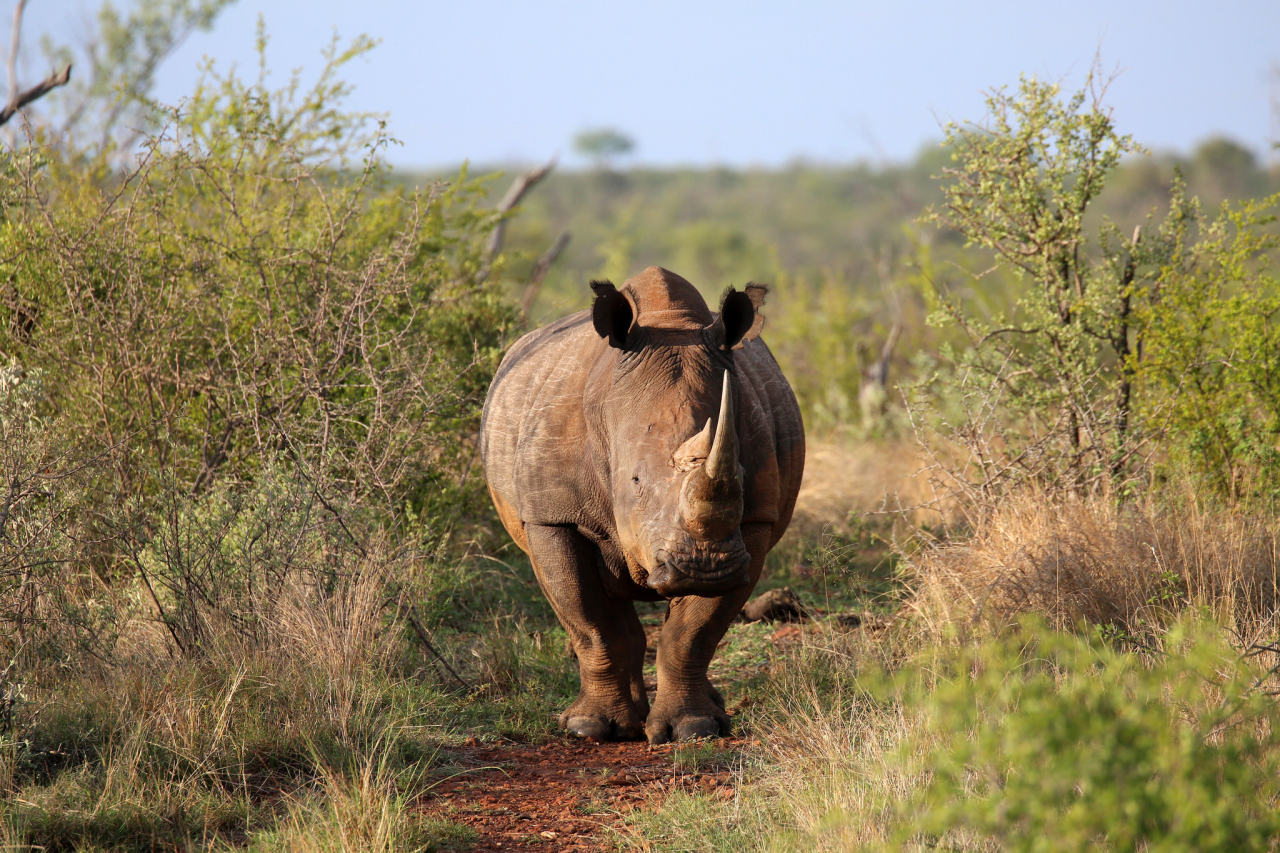
And don’t for a second think that because a rhino is so huge and heavy and can weigh up to 2 500kg or nearly three tons, that it can’t move quickly. A charging rhino at full speed can get up to 55km/h (34mph), and even though it’s a short charge, that’s faster than even Usain Bolt could sprint.
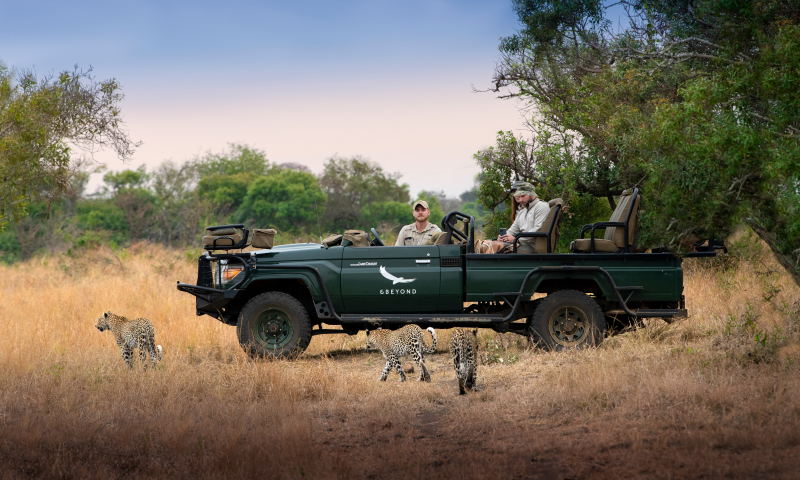
By now, you might be wondering if you’ll be safe on safari, and the answer is a definite yes. The best way to see the Big Five is on a private safari, with a trained guide. If you follow your ranger’s instructions and obey lodge/camp rules, all will be well.
On your twice-daily game drives you will see these amazing animals from the safety and comfort of your open-sided or open-topped safari vehicle. Remember that your highly trained and experienced game ranger will be guiding your sightings and usually carries a rifle (which is rarely used). Your camp or lodge will also be secure, so you can sleep safe and sound. But be sure to listen out at night for the calls of the wild – a hyena whooping, a lion roaring, an owl softly hooting.
Your ranger will know how and where to find all kinds of animals and birds, but nothing is guaranteed. This is the African wilderness, not a zoo, and anything is possible. Some rangers have trackers who accompany the game drives and sit on the front of the vehicle. Trackers come from local communities and have ancient wisdom, lore, knowledge and superlative tracking skills. They “read” the ground as if you were reading a newspaper as they look for and identify the tracks of dozens of different creatures.
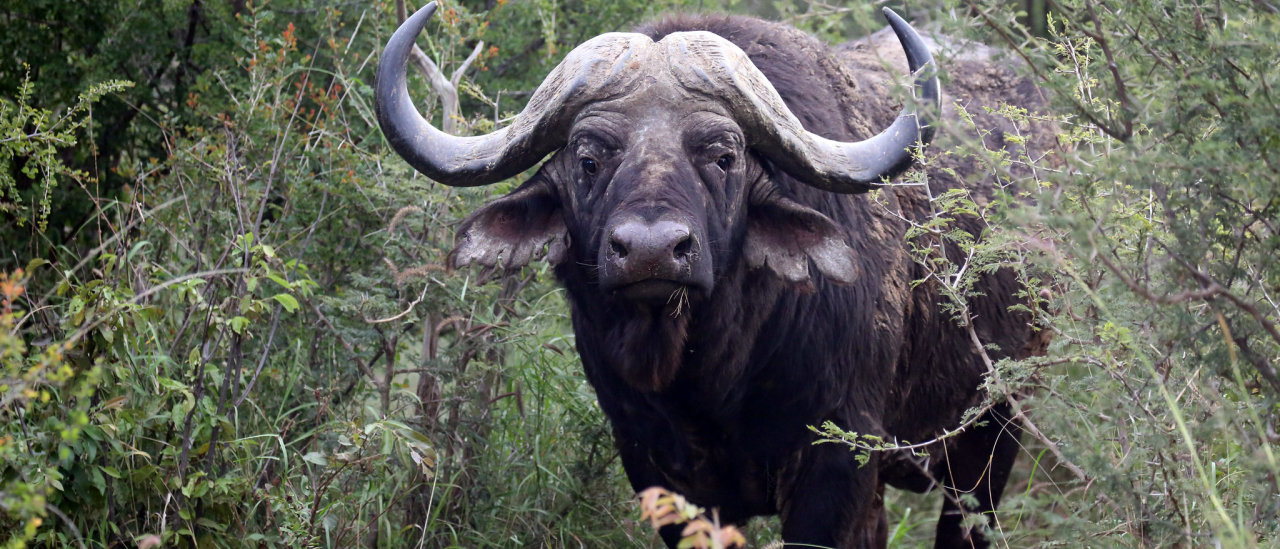
Buffalo
You’ll be looking for a herd of buffalos in the long grass, or near a waterhole at any time of day. These animals forage on thick, tough grasses so usually need to drink twice a day and to have regular access to drinking water. Their huge heads have massive horns with enormous “bosses” – shield-like masses of bone that cover the buffalo’s forehead and form the base of the horns like a helmet.
The males use their horns for fighting. You’ll notice the female horns and bosses are not so heavy and are also lighter in colour than those of the big black males. A good way to tell the difference between a male and female buffalo is to look at the horns and bosses carefully – males have a solid boss, while females have a line in the middle of theirs, much like a parting in human hair.
Old males leave the mixed herd or get kicked out, and are usually alone or with a couple of others. Known as “dugga boys” or “dagga boys” (corruptions of the Zulu word udaka, meaning mud) they tend to wallow in mud to protect against the sun and parasites. These solitary bulls are highly temperamental and, especially if you’re on foot, very dangerous.
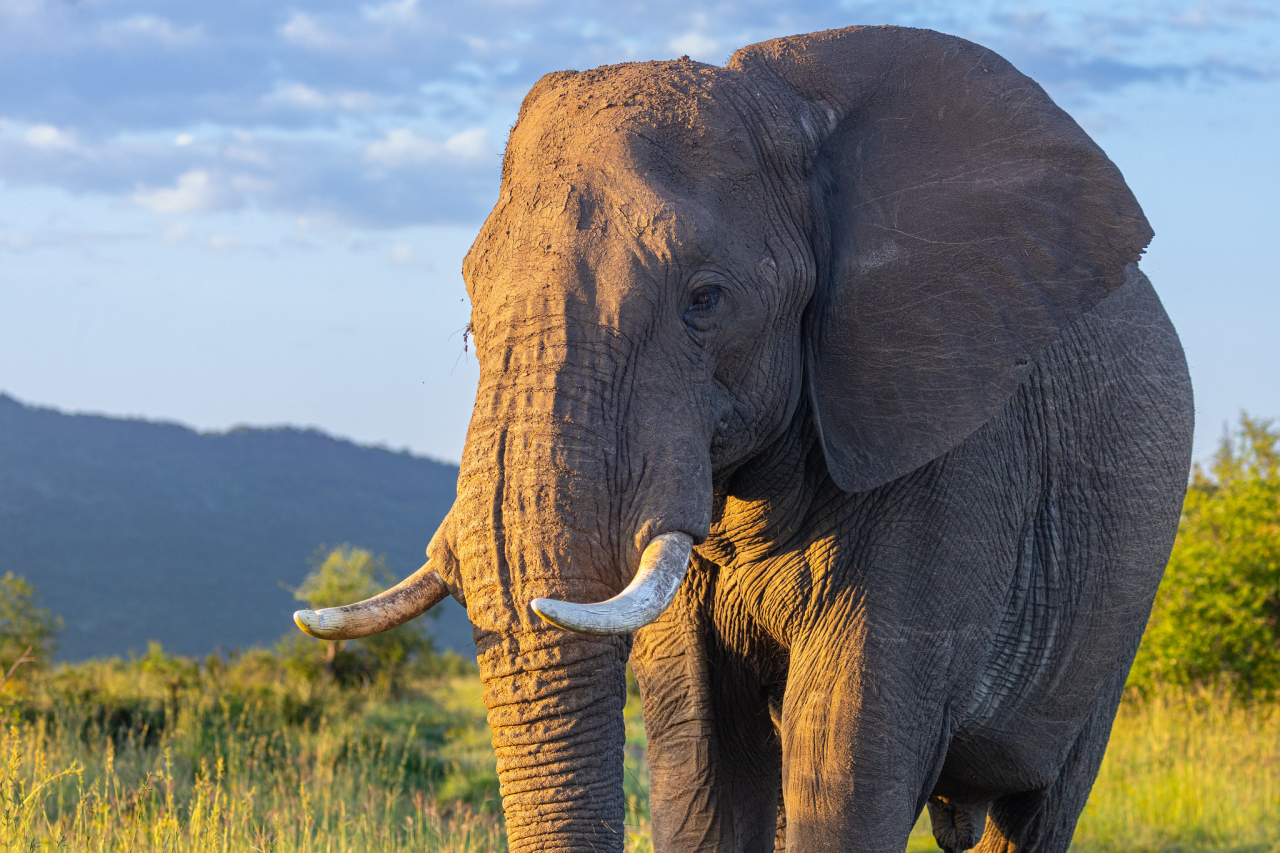
Image courtesy of Flow Communications
Elephant
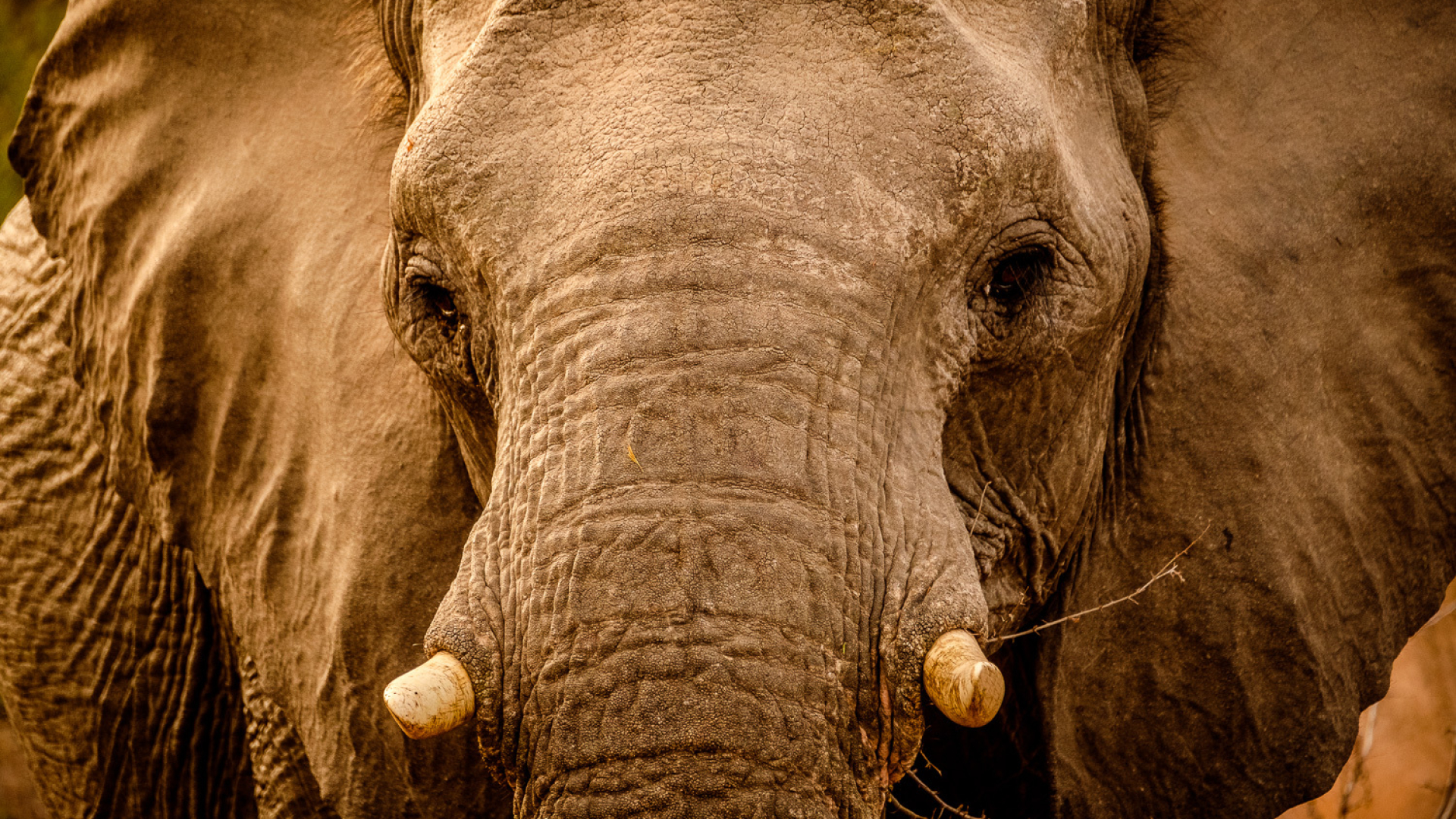
You’ll see elephants almost anywhere and anytime in many national parks and private reserves in Africa (though not all have them). You’ll be amazed at how swiftly these huge animals can just “melt” into the bush. A herd of elephants is ruled by a matriarch whose wisdom and experience guides them, and a breeding herd can consist of dozens of animals from mature females, young bachelors and unruly teenagers to tiny babies.
They communicate with each other through touch, scent, body language, trumpeting (when they are upset), a “rumbling” in their stomachs and infrasonic sound that humans can’t hear, but which can travel up to 10km (6.2mi).
Because they are creatures of habit, they tend to use the same waterholes at certain times of day, to take a mud bath at a favourite spot, or to rest up in shady spots when the sun’s at its hottest. Your first glimpse of African elephants will be an enduring memory – a sight you’ll never forget.
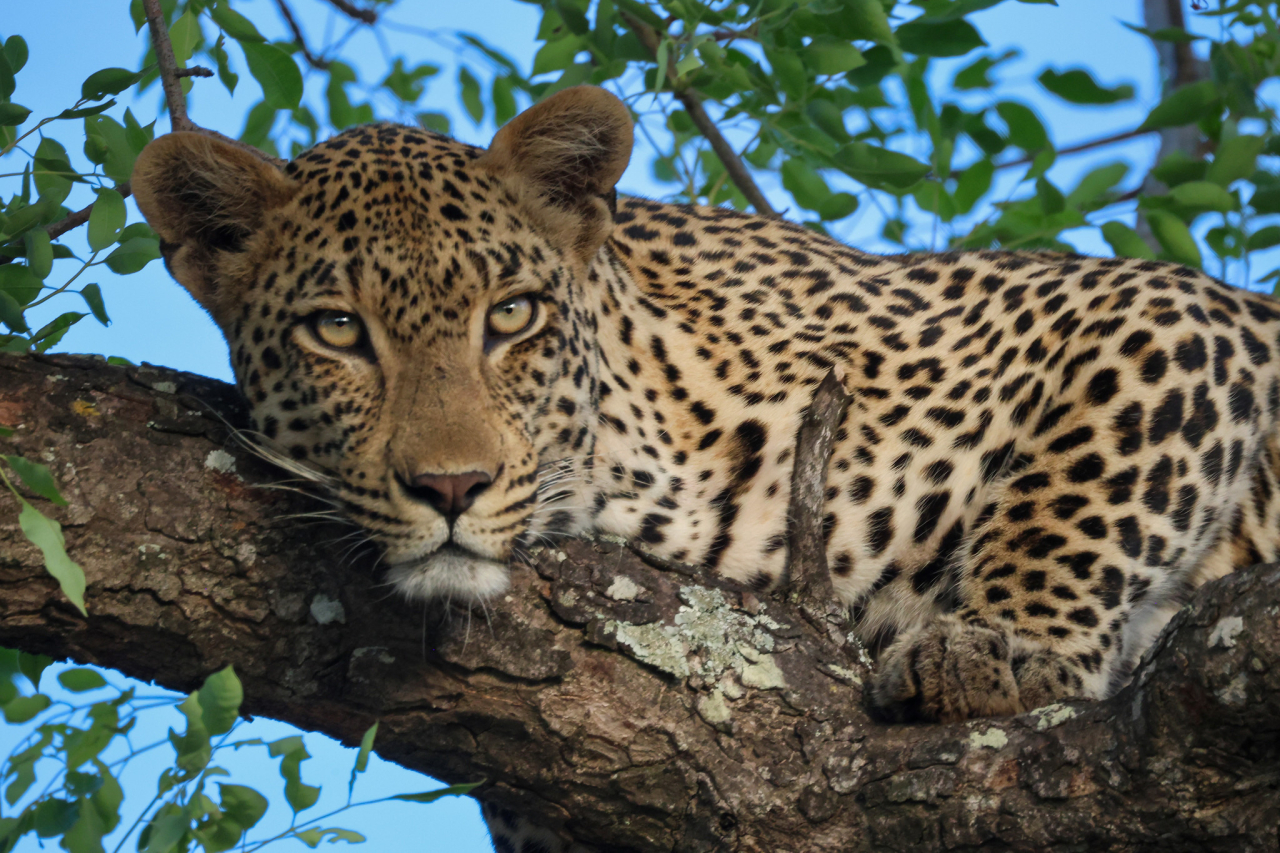
Leopard
Leopards are much harder to find than elephants although there are certain reserves, such as South Africa’s Sabi Sand or Zambia’s South Luangwa National Park, that are renowned for their leopard sightings.
Leopards are elusive, solitary animals and not always easy to spot, but if you have a particular animal you’d really love to see, ask your rangers and they will try their hardest to find it.
Your best chance of sighting a leopard is often on your nightly game drive through the bush. Charismatic, cautious and clever, a leopard hunts nocturnally by stealth alone, only to leap out of the undergrowth and seize an unsuspecting impala or grazing warthog.
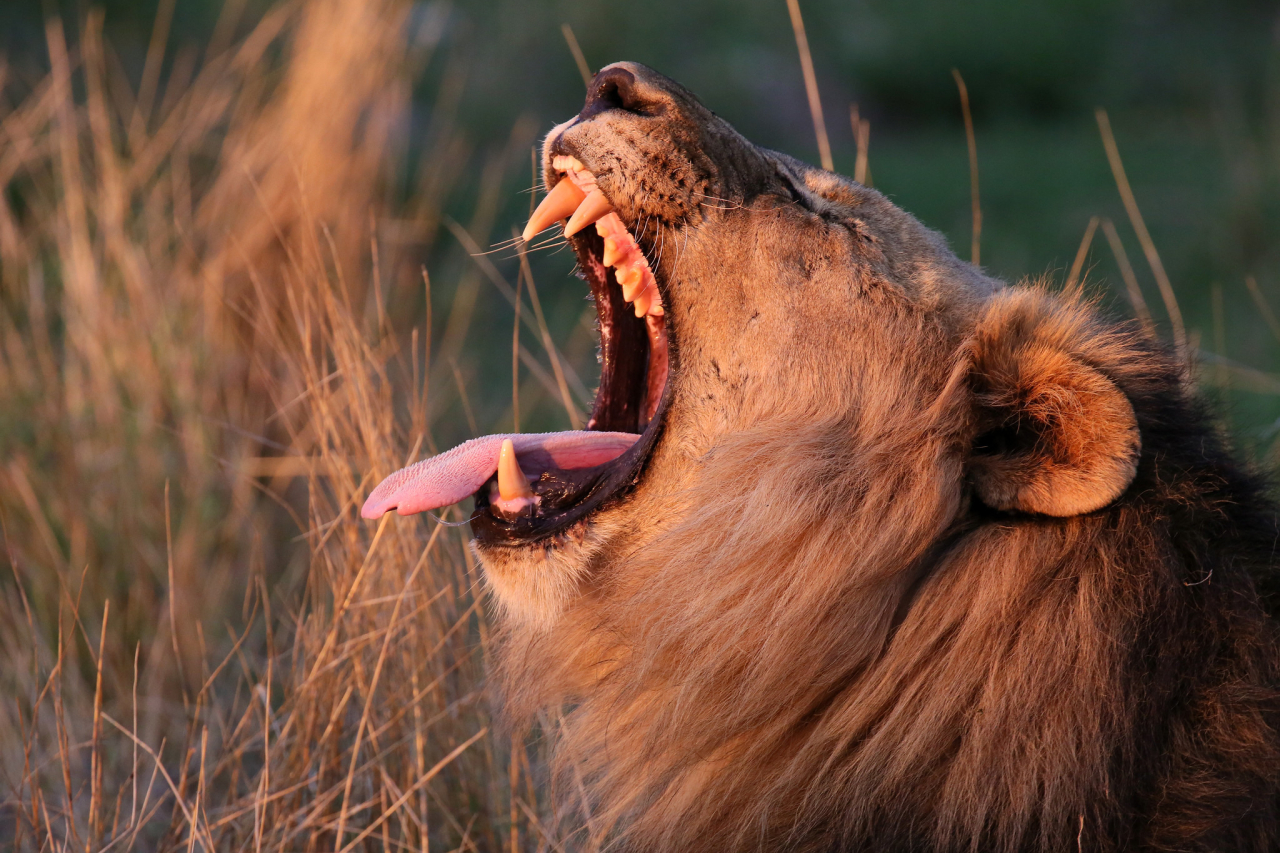
Lion
Nothing is guaranteed in the African bush, but your chances of spotting lions are good, although globally their numbers are decreasing.
The largest of Africa’s large carnivores, they are also mainly nocturnal hunters but spend most of the daytime lying about under a shady bush or tree, occasionally looking up to check the neighbourhood or wash their whiskers.
They live in prides of up to 12 or more animals and hunt cooperatively, which allows them to go for big animals such as zebra, wildebeest and buffalo, and to make a successful kill in the open. They have huge teeth and such rough, ragged tongues that they can literally lick the meat from a bone.
Rhino
It’s always special to see a rhino, especially as Africa’s rhino population has been decimated by poaching in recent years. Rhino horns have absolutely no medicinal value because they are made of keratin (the same as our finger- and toenails), but in some cultures they are prized as aphrodisiacs or cures for diseases.
South Africa has by far the largest rhino population in the world, and there are several national parks and private reserves where you’re still likely to see them, although many have now been dehorned to thwart poachers. There are also smaller rhino populations in other countries, including Namibia, Zimbabwe, Kenya, Tanzania and Botswana.
Africa has two species of rhino: white and black. Despite their names, both are grey – the key difference lies in their mouth shape and feeding habits. White rhinos have a wide, square lip adapted for grazing on grass
and are generally larger and more social, often seen in groups on open plains. Black rhinos have a hooked, pointed upper lip suited to browsing leaves and shrubs; they are smaller, more solitary and tend to prefer thicker bush.
On safari, the easiest way to tell them apart is to look at the shape of the lip and the habitat they are using, rather than their colour. The black rhino is smaller, but is notoriously irascible and is far more dangerous
These second-largest land animals in the world (after elephants) are comparatively easy to spot because of their huge size and as you gaze at these prehistoric-looking creatures, you may well wonder how the rhinoceros lineage has managed to survive for over 50-million years.
Your ranger is there to answer all your questions and be sure to ask them. No question is too silly or way out and you’ll learn not only from your ranger’s answers, but from listening to your companions, too.
An important thing to remember about The Big Five is that they are only an infinitesimal thread in Africa’s whole wildlife tapestry. Yes, it’s exciting to see them, but try to absorb the rest of the thrilling, thrumming life about you. And perhaps to remember also that you, too, are just a tiny thread in nature’s interconnectedness.
Let your curiosity lead the way. Your personal travel architect will help you witness the Big Five and the intricate life of the African bush firsthand.