Why the Okavango Delta should be on your Africa travel bucket list
Why the Okavango Delta should be on your Africa travel bucket list
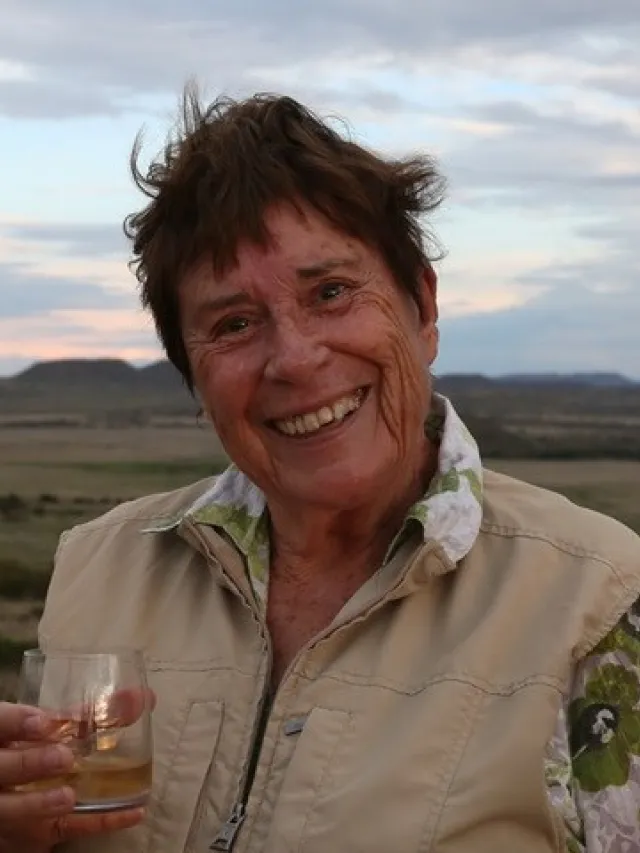
| by Kate Turkington
Why the Okavango Delta? Because it’s one of the world’s last great wilderness areas, the largest inland delta in the world, and it’s brimming with wildlife of all shapes and sizes.
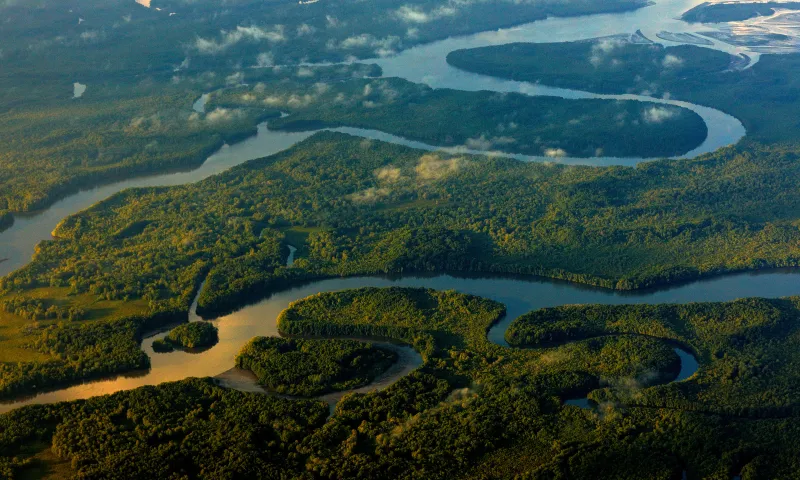
Instead of flowing out to the sea, the Okavango River floods down from the neighbouring Angolan highlands into north-west Botswana, and fans out into a huge intricate web of meandering waterways that weave their way past small islands, seasonal floodplains and stands of dry land, where palm trees and ancient riverine trees stand sentinel.
One day you’ll be drifting along narrow, papyrus-lined channels interspersed with deep, crystal-clear pools where hippos chortle and huge crocs doze in the sun, the next you might be off in your open-sided game vehicle, trying to keep up with a wild dog hunt.
Botswana’s story is like a fairy tale. Once upon a time, Botswana was a poor, landlocked country with a very modest economy – an African Cinderella. Then shortly after independence in 1966, when Botswana transitioned quietly from the British Protectorate of Bechuanaland to the Republic of Botswana, hey presto, the Fairy Godmother waved her wand and rich seams of diamonds were discovered. Botswana was propelled into the top 10 of Africa’s richest nations by GDP per capita.
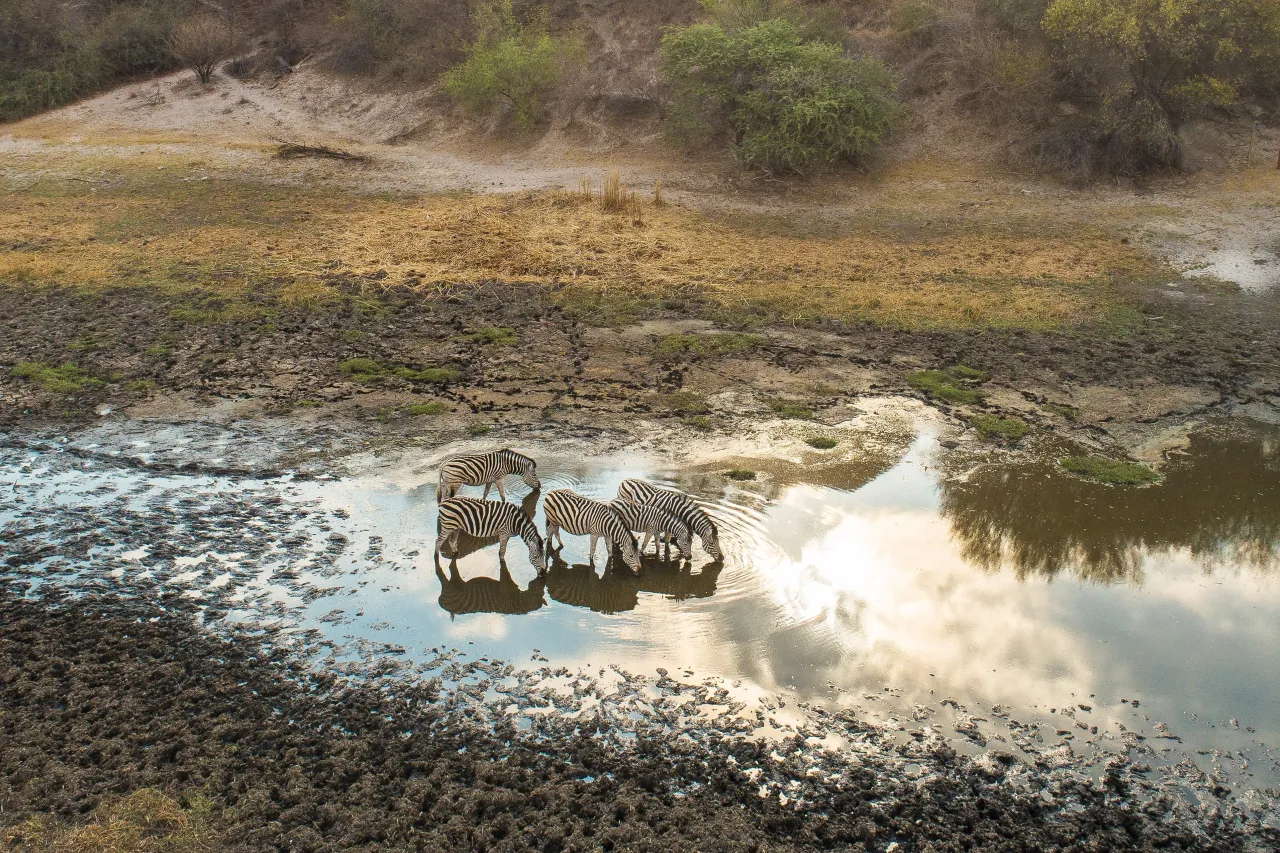
What you’ll discover is a peaceful, friendly country with a very small population and a long-lasting stable democracy, where English is the official language. Botswana’s policy of low-impact, high-cost tourism means that you’re guaranteed exclusivity and most importantly, that the wilderness remains pristine.
The strictly controlled national parks, game reserves and wildlife management areas comprise approximately 40% of the country and the Okavango’s famous Moremi Game Reserve was the first such reserve in Southern Africa to be created by an African community on its own tribal lands.
The delta is big at more than 15 000km2 (5 791sq mi), more than a third of the size of Switzerland and a bit smaller than Israel. It’s renowned not only for the tranquil beauty of its water lily-studded pools, unspoiled lagoons and winding, secret channels, but also for its combination of permanent water, dry land and islands that guarantees you superlative, year-round game viewing.
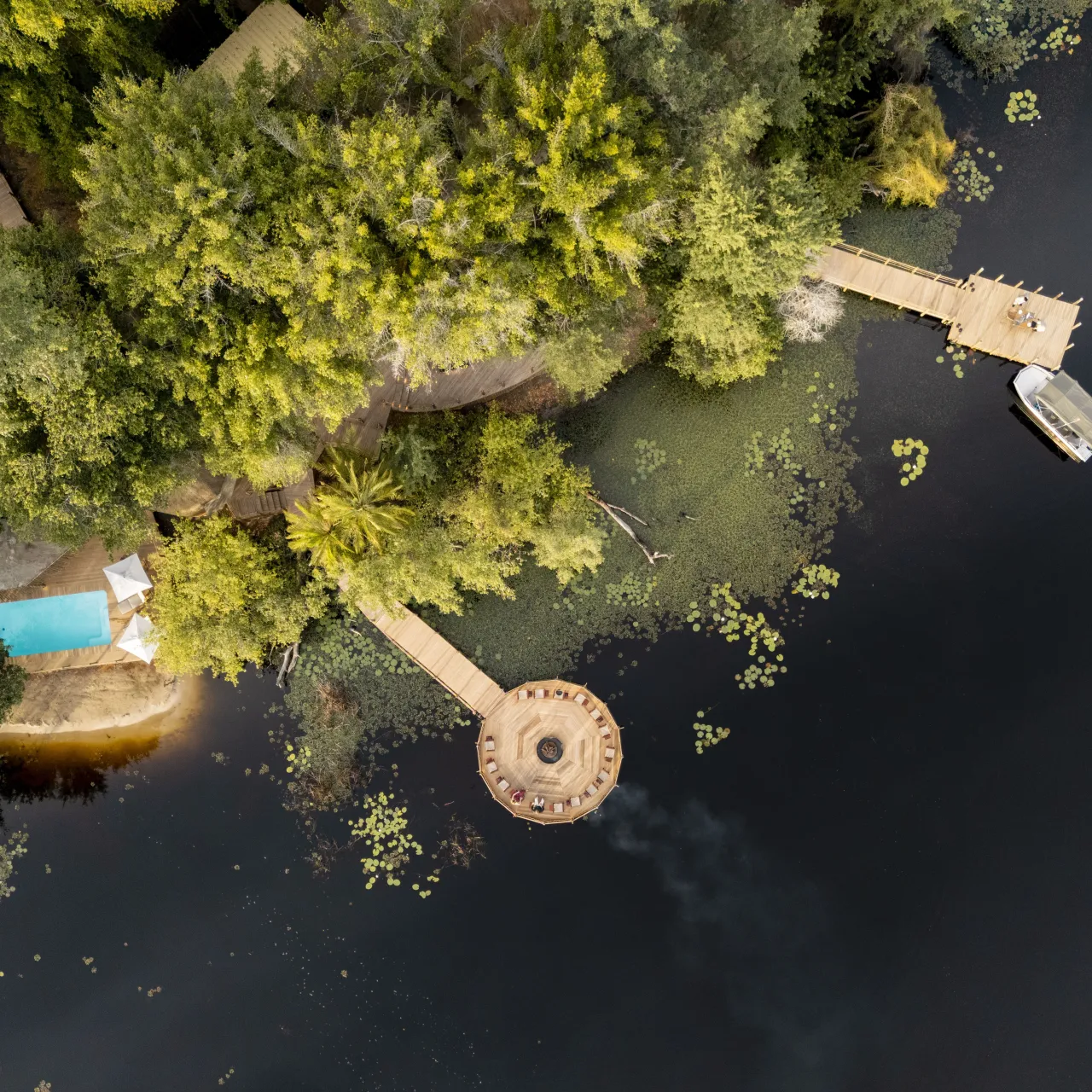
There are many fine accommodations from which to choose, from tented camps to five-star luxury lodges. Any time of year is good to go, although the dry season between June and September has peak wildlife and congenial weather.
So let’s spend a day in the Okavango. If you’re intent on a water experience, then choose a lodge set beside one of the many lagoons. If you’re keen to experience both water wonderland and game viewing, then choose a camp or lodge where you can do both.

Fun Fact
For much of its history since independence, Botswana has been the world’s fastest-growing economy, famously using its vast diamond wealth to fund national healthcare, education and infrastructure.
Your ranger or guide will wake you at dawn, and after muffins and coffee (or tea and rusks) you’ll head off in your game vehicle to see what wildlife is up and about. Maybe a lion pride has killed last evening and is now resting under a shady tree. Perhaps a leopard has dragged its impala kill up into the stout branches of a fig tree, safely away from other predators. Sometimes you’ll find a bunch of hopeful hyenas sitting under a tree where a leopard has stashed its prey, waiting for scraps to drop.
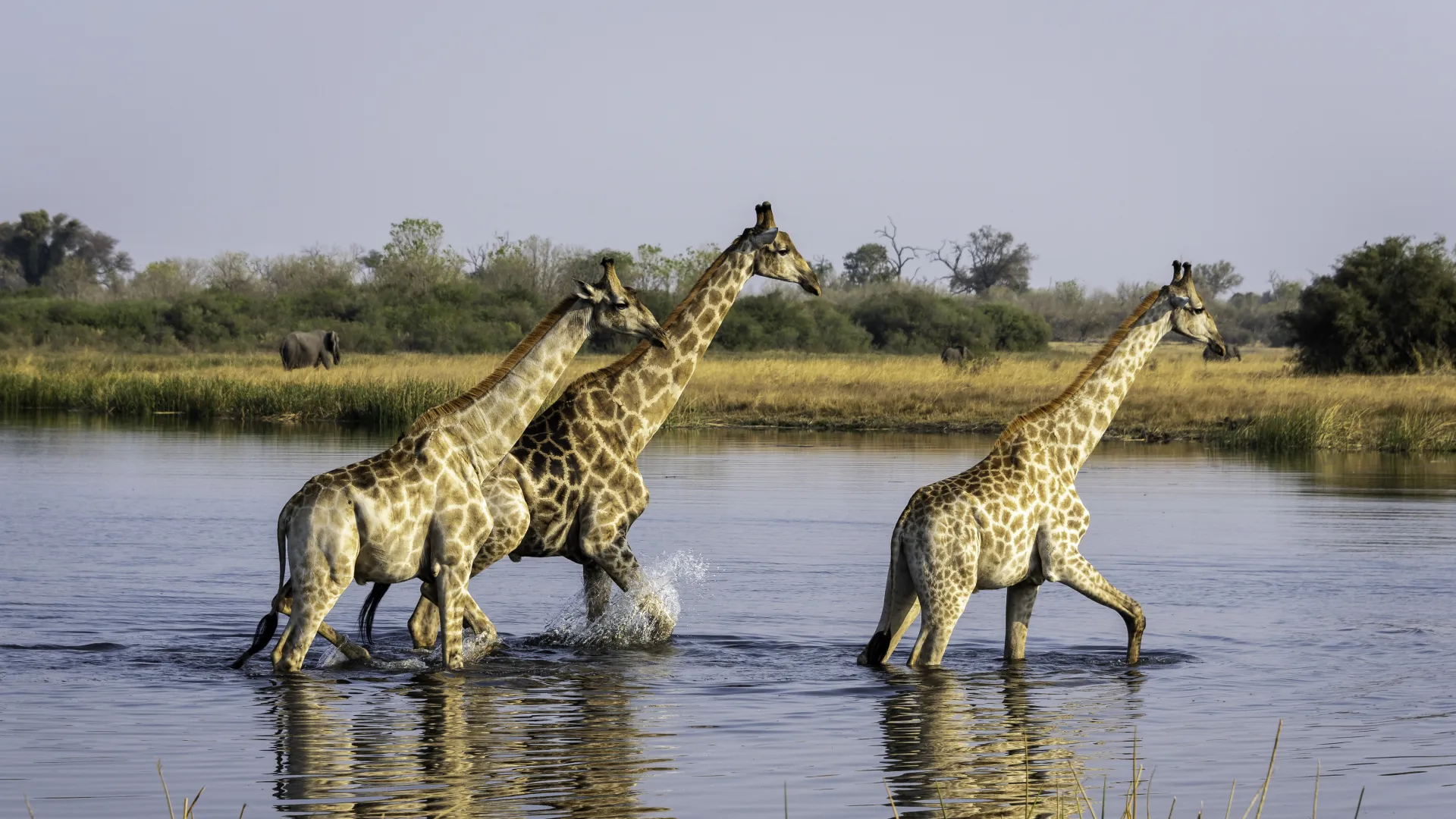
Early morning is wake-up time for many animals and birds. The antelope herds have survived another night, the warthogs are already digging for tubers, and the giraffes with their long tongues are busy stripping tasty leaves from tall trees. Baboons are playing in the sand and grooming each other, and lechwe, the water-loving antelope of the delta, are splashing through the shallow channels on their splayed hooves. You may well see a hippo making its way back to a pool or channel after foraging far afield all night.
After a couple of hours your ranger will find the perfect location for a coffee or refreshment break, the bushes providing a handy comfort stop. You’ll chat about the morning, bond with your fellow guests, and be primed and ready for the rest of the drive. The birds will be active now, so ask your ranger to point out Okavango specials or interesting species, the names of trees, the medicinal plants, all the while keeping an eye out for whatever wildlife is about.
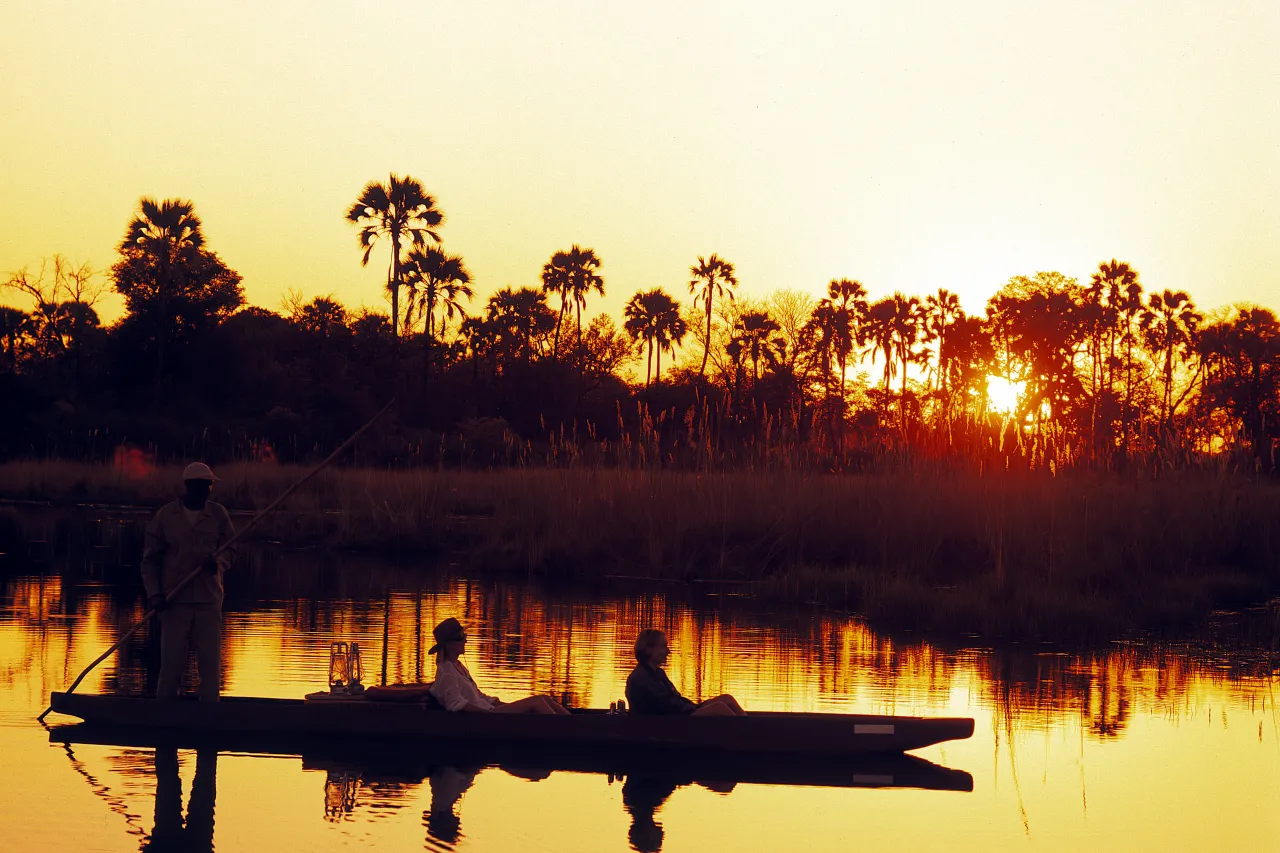
Image courtesy of &Beyond.
You’ll drive back to camp mid-morning and enjoy a hearty breakfast before relaxing on your deck, maybe having a dip in the pool (if there is one) or spoiling yourself to a spa treatment. Amenities will depend on what kind of lodge or camp you choose.
Around 3.30pm or 4pm, after tea, you’ll begin your mokoro trip. This is a highlight of your Okavango stay. The mokoro, once fashioned from a hollowed-out jackalberry, marula or sausage tree but now made of fibreglass for environmental reasons, is synonymous with the delta. It’s a narrow canoe with a seat for one person that can be easily (if you’re from the river Bayei tribe) manoeuvred through the narrow waterways.
Your poler (think a gondolier) will stand or sit at the front or rear of your craft and expertly guide it through channels, lined with head-high grasses and papyrus, all the while keeping an eye out for wading elephants, the unpredictable hippos or crocodiles snoozing on a bank. You’ll notice that your poler is far more wary of hippos than crocodiles. Sometimes powerboats are used in deeper waters.
The birdwatching is phenomenal. In August and September the return of the carmine bee-eaters is a dazzling sight, their scarlet plumage flashing among the tall reeds as they dart in and out of their nesting holes in the banks. The Okavango is also the home of Pel’s fishing owl, the world’s only fish-eating owl; it’s not always easy to see as it sits hidden on an overhanging branch beside the river, looking for all the world like a huge, ginger-coloured stuffed toy.
There’ll be sundowners, special moments when you stop to have a cocktail or soda as you watch a spectacular sunset, then it’s back to camp for an under-the-stars braai (barbeque) round a crackling fire. As you lie in bed, listen for hyenas whooping, hippos guffawing, elephants trudging through the bush, a lion softly calling and the backing chorus of hundreds of tiny painted reed frogs.
Your daily Okavango programme may vary, but one thing will be constant: your experiences will be unforgettable.
If the beauty of Botswana's Okavango Delta have captured your imagination, our Travel Architects can help you experience it for yourself.