Best things to do in Cape Town: hidden gems
Best things to do in Cape Town: hidden gems
| by Willem Steenkamp
While South Africa’s oldest city, Cape Town, boasts many iconic places to visit and experience, it’s also full of fascinating places and experiences that locals love.
If you’d like to really get under the skin of the Mother City, here’s a list of just a few of the things you just have to explore.
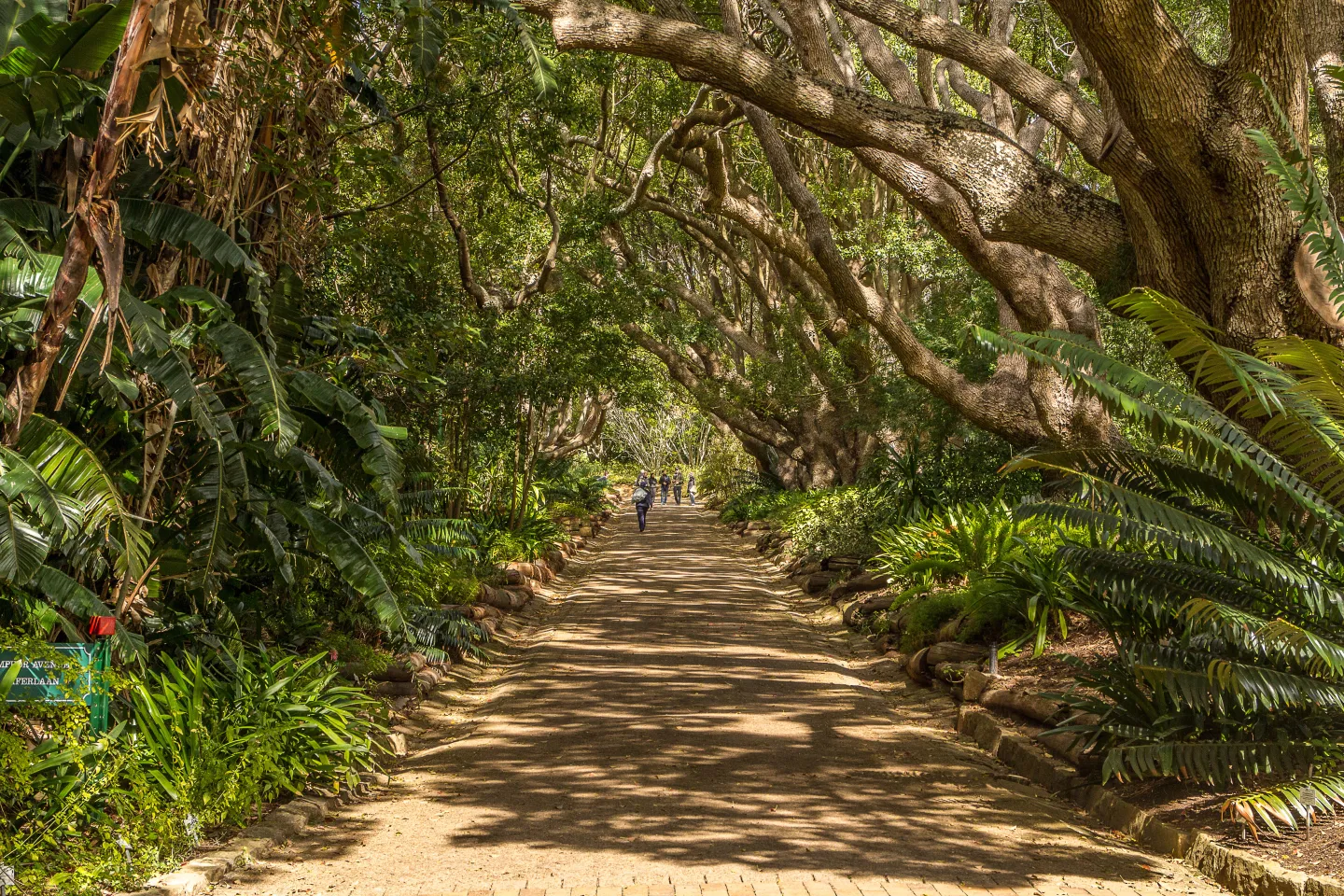
The Company’s Garden
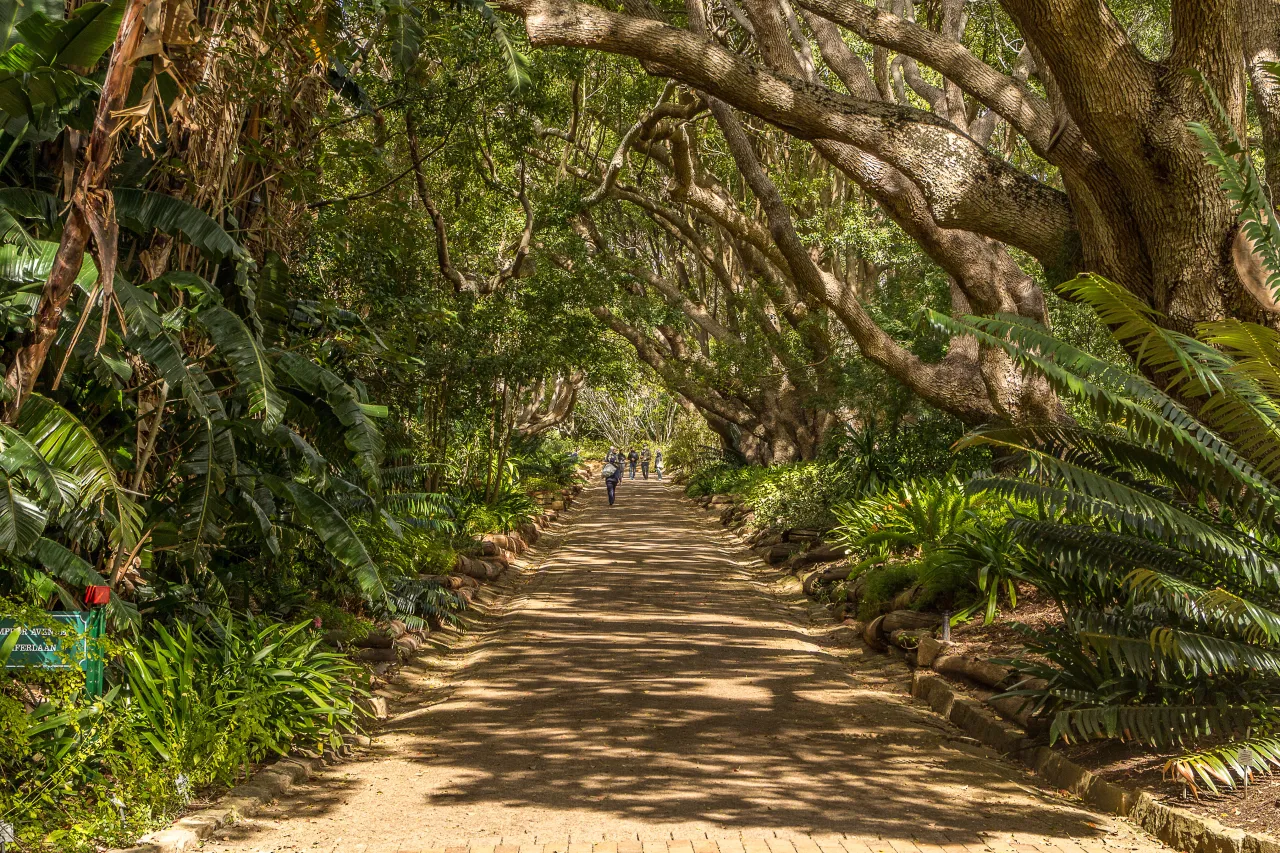
Situated in Gardens (and giving the area its name) in the City Bowl, at the foot of Table Mountain, the Company’s Garden is one of Cape Town’s oldest features. Originally established in 1652 by the Dutch East India Company (DEIC) to grow vegetables for both the newly established European settlement and passing ships, it is now a public park.
Apart from shady lawns and many local and exotic flora (including ancient oaks lining Government Avenue), the park boasts a restaurant, a rose garden, fish ponds, war memorials and fascinating venues such as the Iziko National Gallery and the Iziko South African Museum. South Africa’s Parliament and presidential office, Tuynhuys, also back onto the garden.
Noon Gun
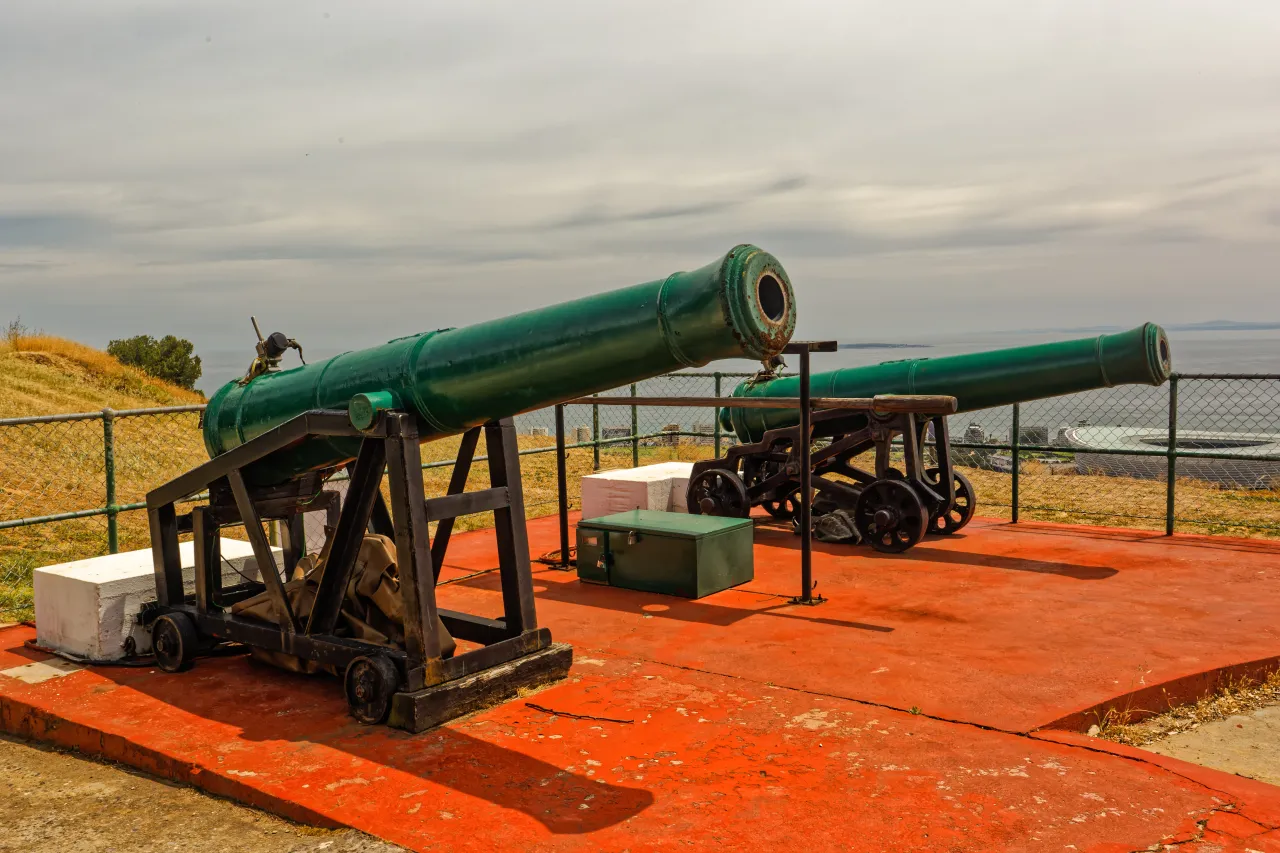
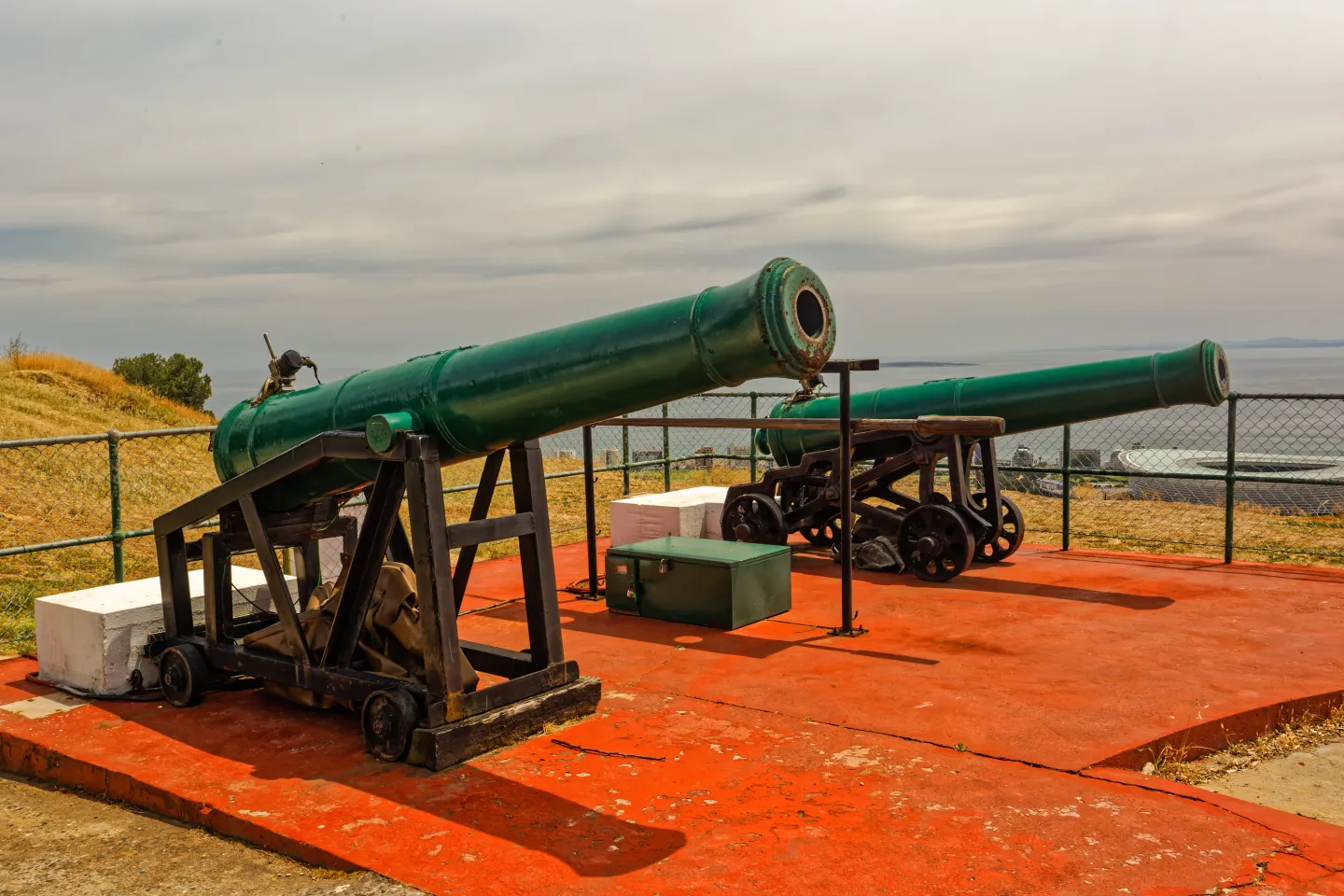
On the slopes above Bo-Kaap, the city’s oldest residential district, is the reason why Signal Hill has its name: the Noon Gun. Every day at noon (except on Sundays and public holidays), an 18th century muzzle-loading naval cannon is fired as a time signal, its boom echoing over the city, startling visitors, residents and pigeons alike.
The Noon Gun, which is situated in the Lion Battery, a small base operated by the South African Navy that is open to the public, has been fired daily since 1806. While it was originally touched off by a seaman, the gun has long since been fired using an electrical signal from the South African Astronomical Observatory.
In case of failure, there is a back-up gun and a naval officer on standby will fire it manually. The system has worked perfectly, except once: in January 2005, when neither gun would fire.
Zeitz MOCAA
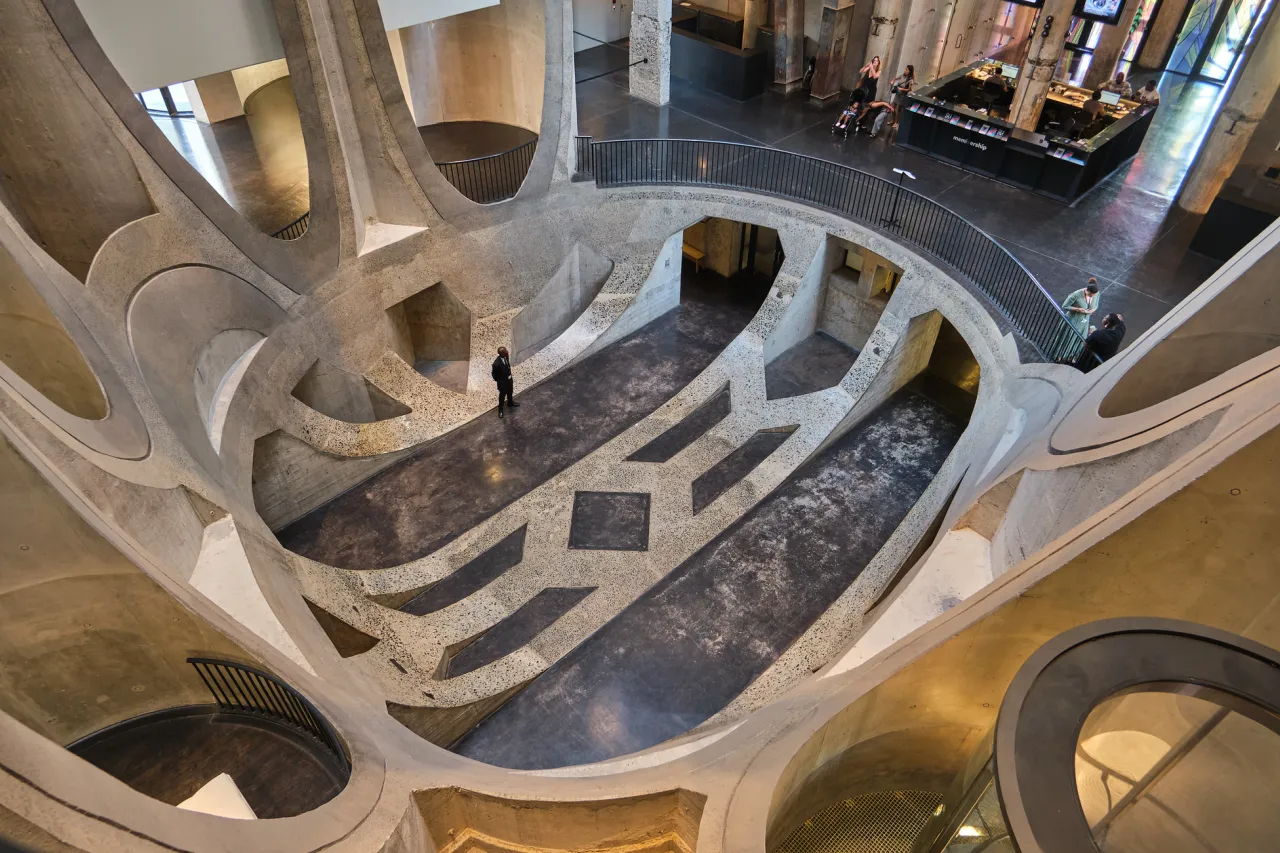
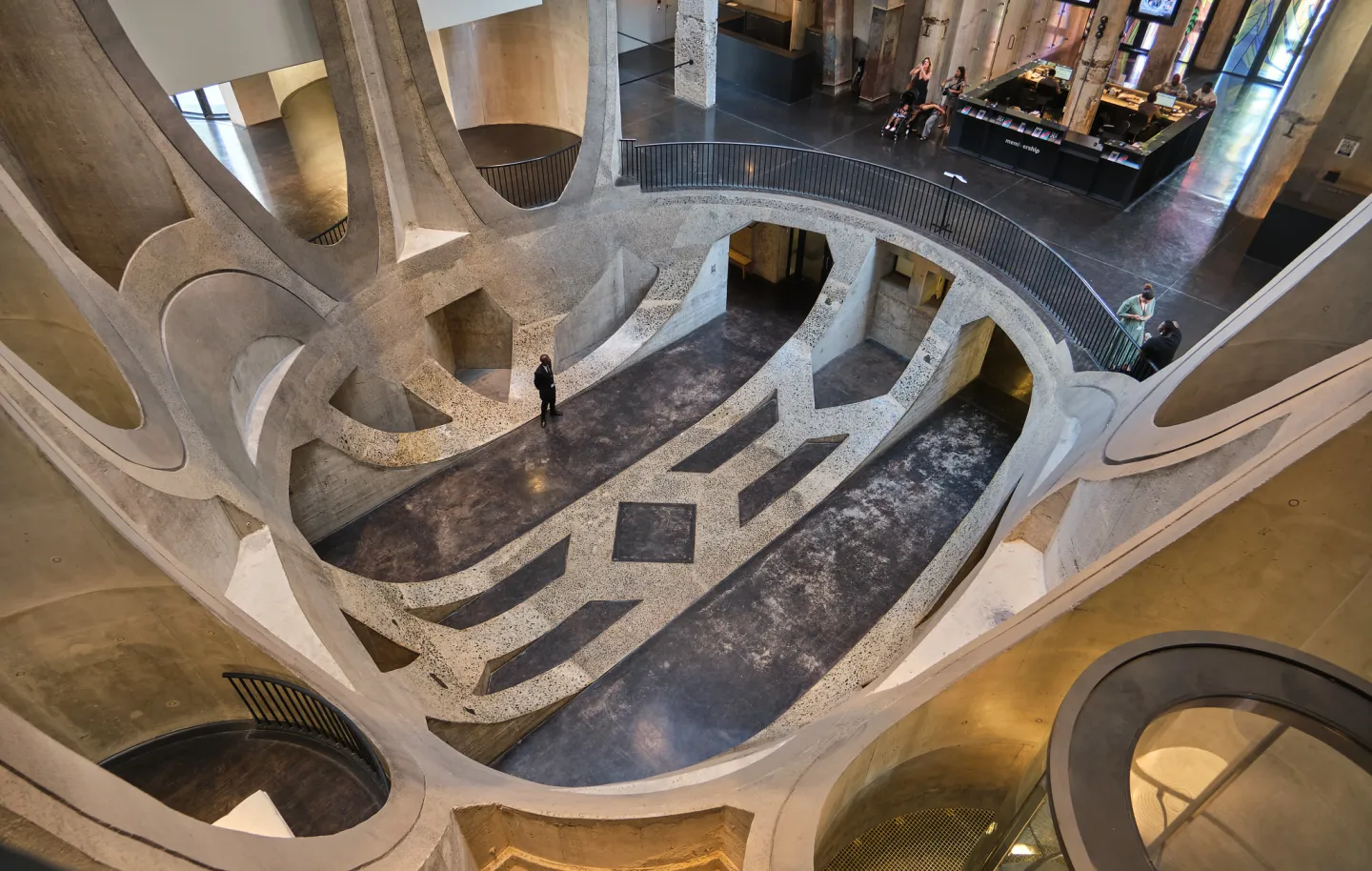
Image courtesy of Chris Rycroft.
Repurposed grain siloes in Table Bay Harbour’s Silo District now house the Zeitz Museum of Contemporary Art Africa (Zeitz MOCAA), one of Cape Town’s most exciting art galleries. Co-founded by German businessman Jochen Zeitz and the V&A Waterfront, Zeitz MOCAA boasts the largest collection of art from Africa and its diaspora.
Cut from 42 huge concrete siloes, this art museum comprises nine floors with 6 000m2 (64 500sq ft) of exhibition space, a sculpture garden on the lower roof, a restaurant, a retail shop and a coffee shop. The higher part of the building is home to The Silo Hotel.
East Fort
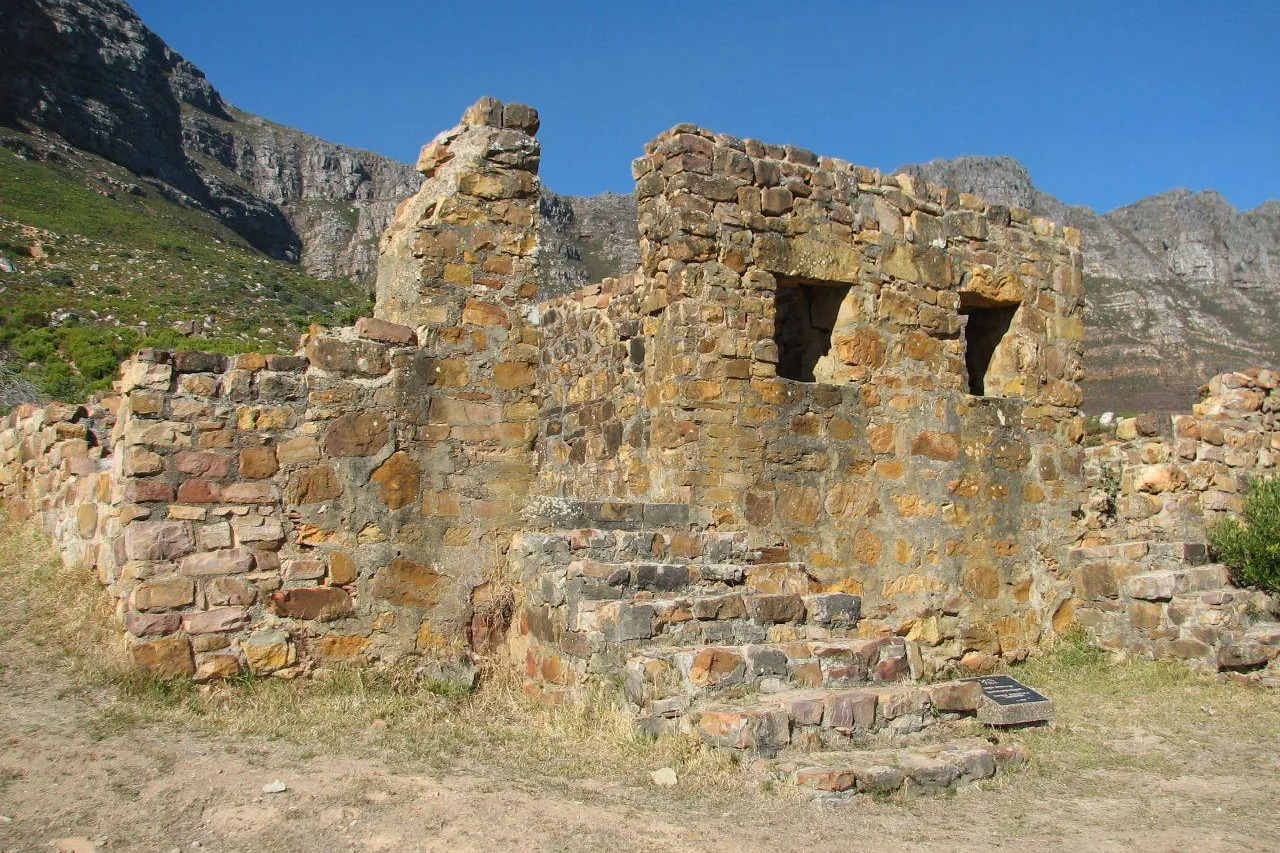
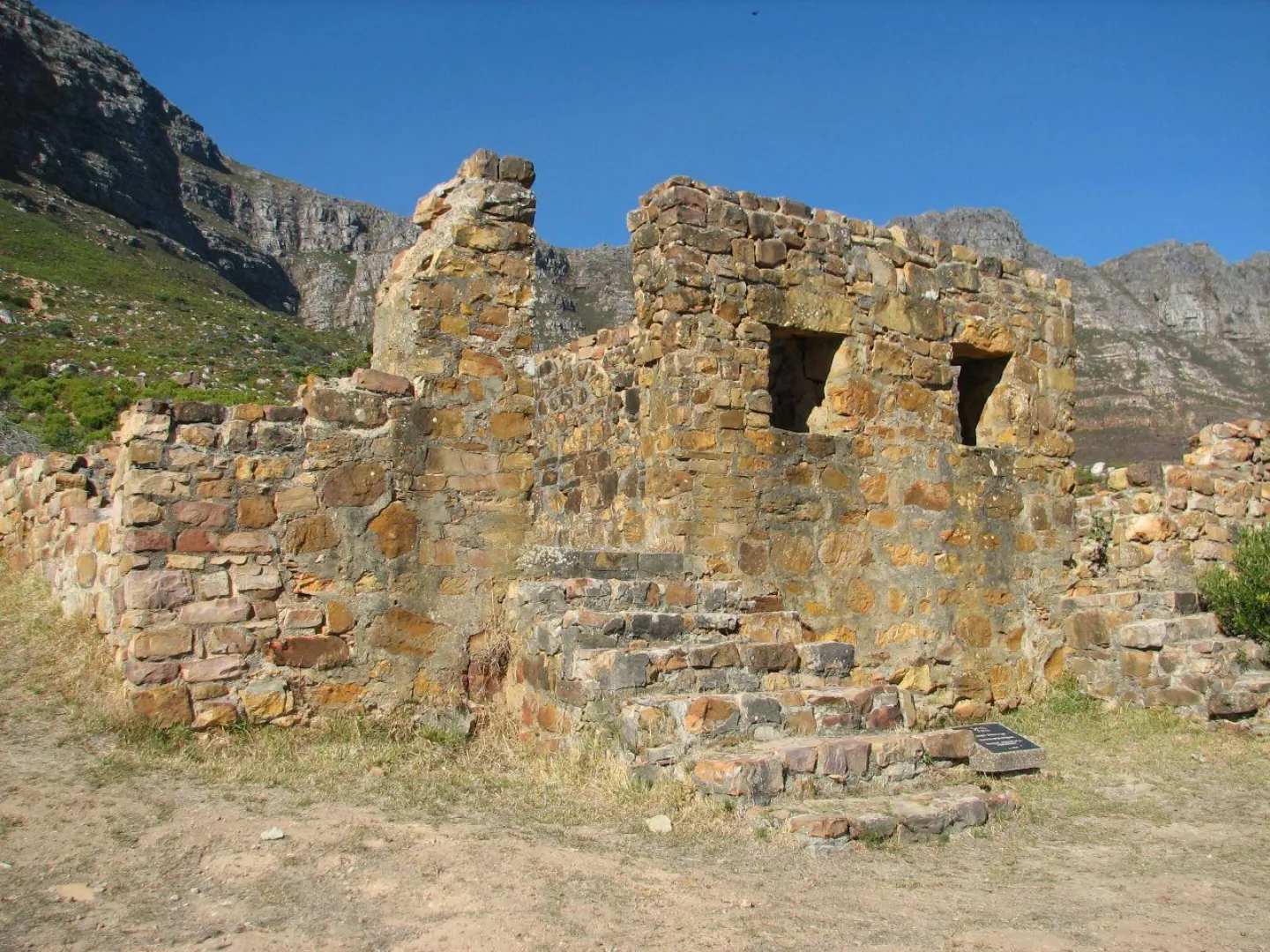
Image courtesy of Nkansah Rexford.
The Castle is the jewel in an extensive network of fortifications around the Cape, but it’s by no means the only interesting one. Above Hout Bay, to the south of the city, is the East Fort, the oldest original working gun battery in the world.
Situated along Chapman’s Peak Drive, one of the world’s most stunning scenic drives, the East Fort was constructed in the 1780s as the DEIC feared – rightly, as it turned out – that an invasion of the Cape might start in Hout Bay.
In 1795, the fort saw its only action: as a precursor to the first British occupation of the Cape, the 16-gun Royal Navy sloop HMS Echo tried to reconnoitre the bay. But it beat a hasty retreat when the East and West Forts (the latter across the bay) promptly opened fire.
The fort itself, as can be expected, has seen better days; nevertheless, it is worth visiting and the view over the bay is spectacular, especially at sunset. And its eight original 18-pounder, Swedish-made guns have been restored and proofed, and are fired on ceremonial occasions.
Sandy Bay
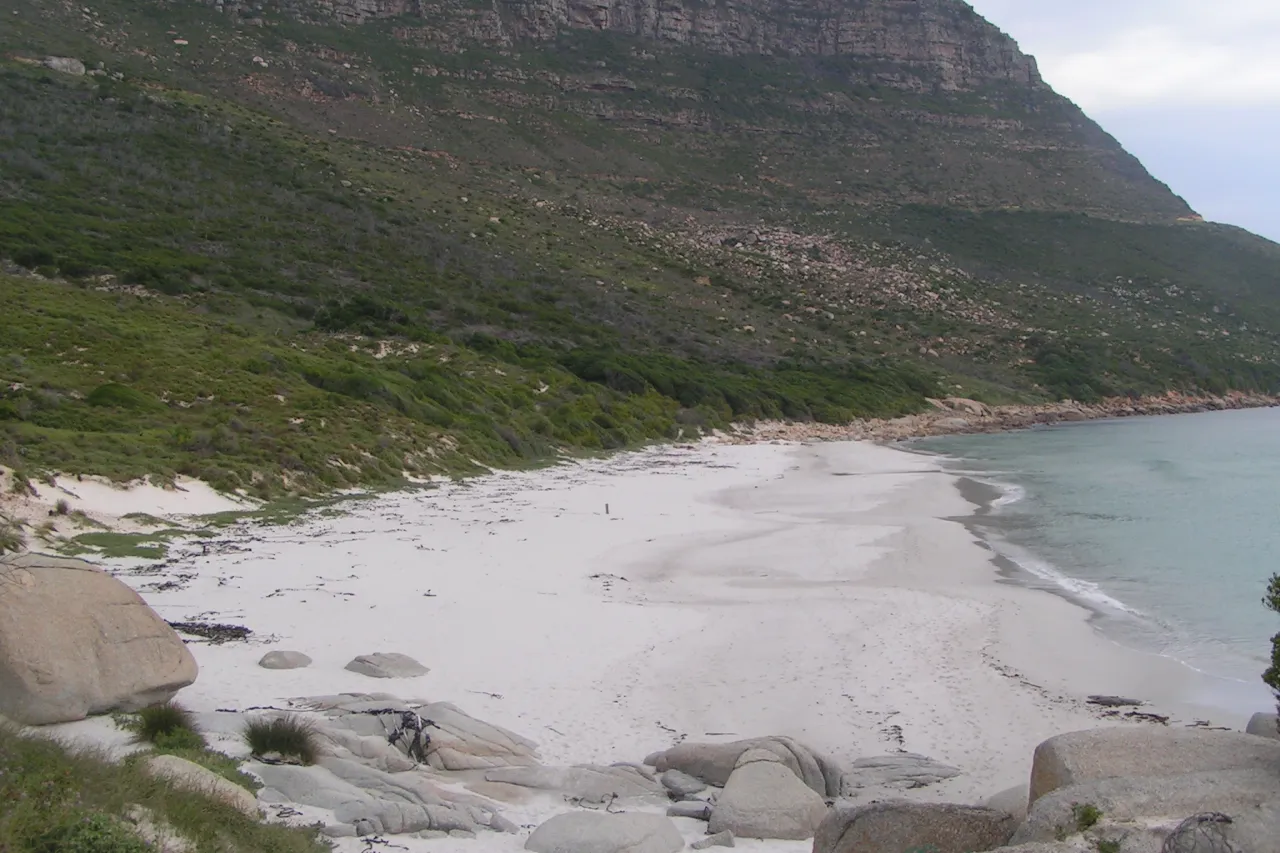
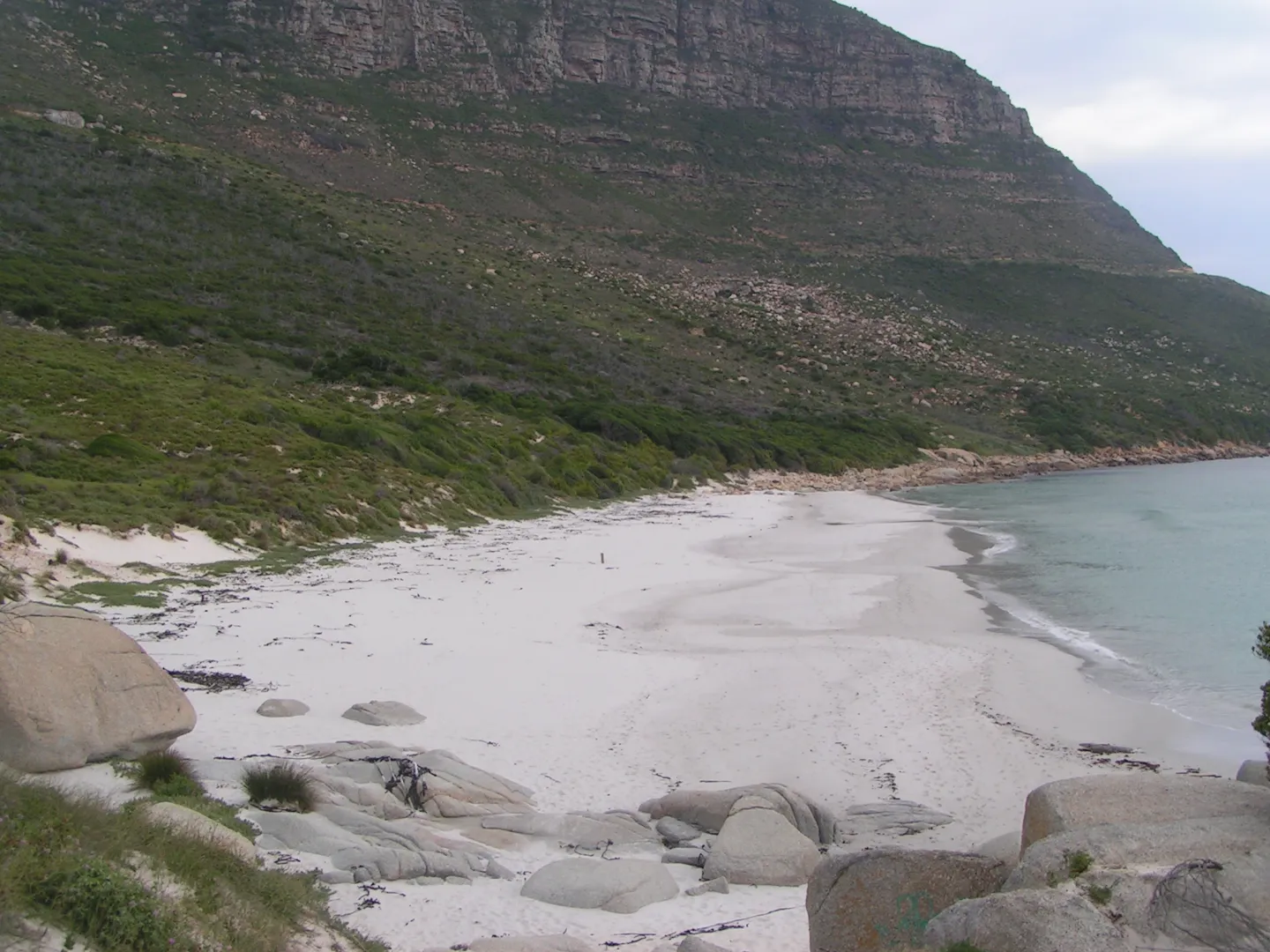
Looking across Hout Bay from the East Fort is an unmistakable outcrop called the Sentinel. Sail around it and venture a bit further to the north, and you’ll find Sandy Bay, South Africa’s first nudist beach.
In the 1970s and 1980s Sandy Bay posed a bare-faced challenge to the conservative apartheid authorities, who abhorred such permissiveness. Its denizens ultimately prevailed, however, and nowadays it’s one of the city’s best-known and -loved beaches.
Situated in a reserve, Sandy Bay is accessible from the suburb of Llandudno. A 2km (1.2mi) walk from the road, it is so secluded and unspoilt that it’s easy to feel that you’re miles from civilisation; and it’s not uncommon to see dolphins, seals and even whales close to shore.
Just Nuisance
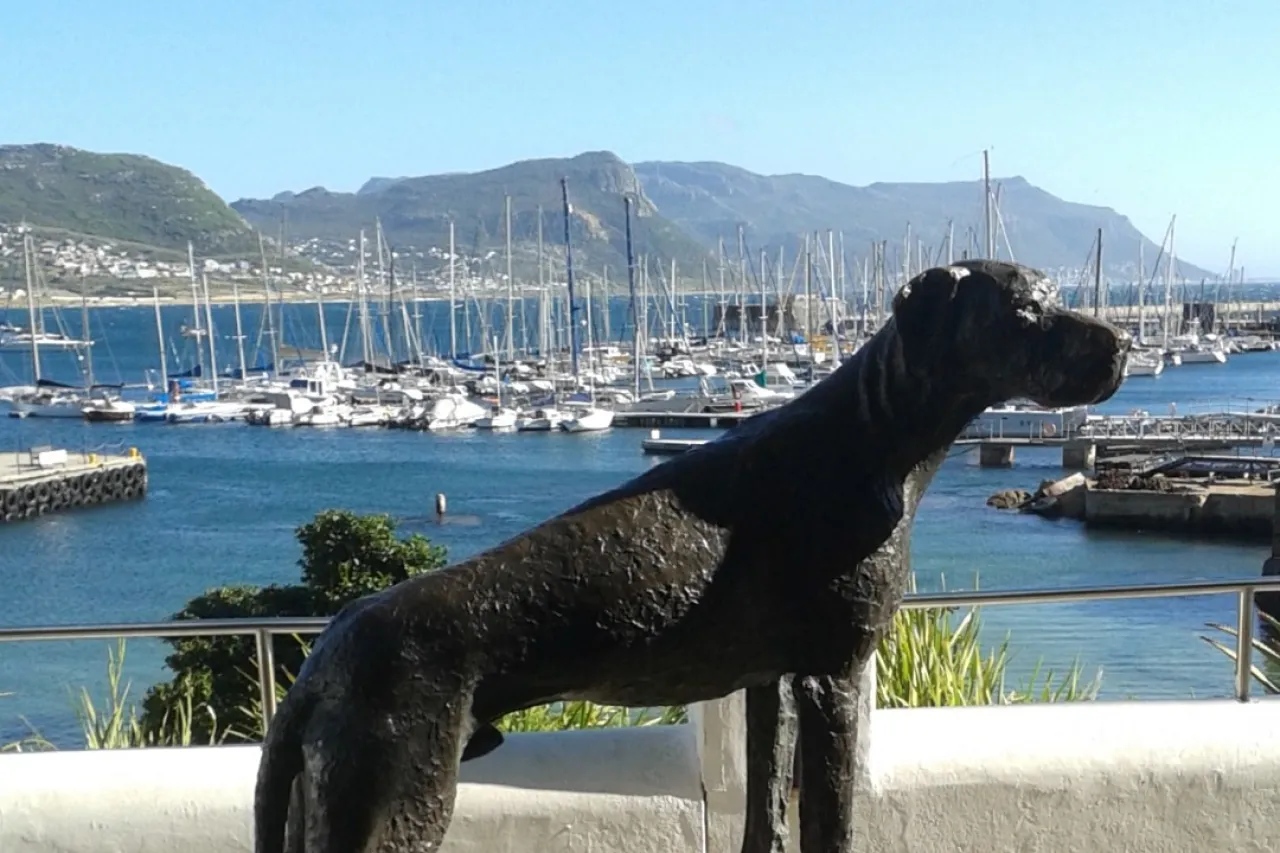
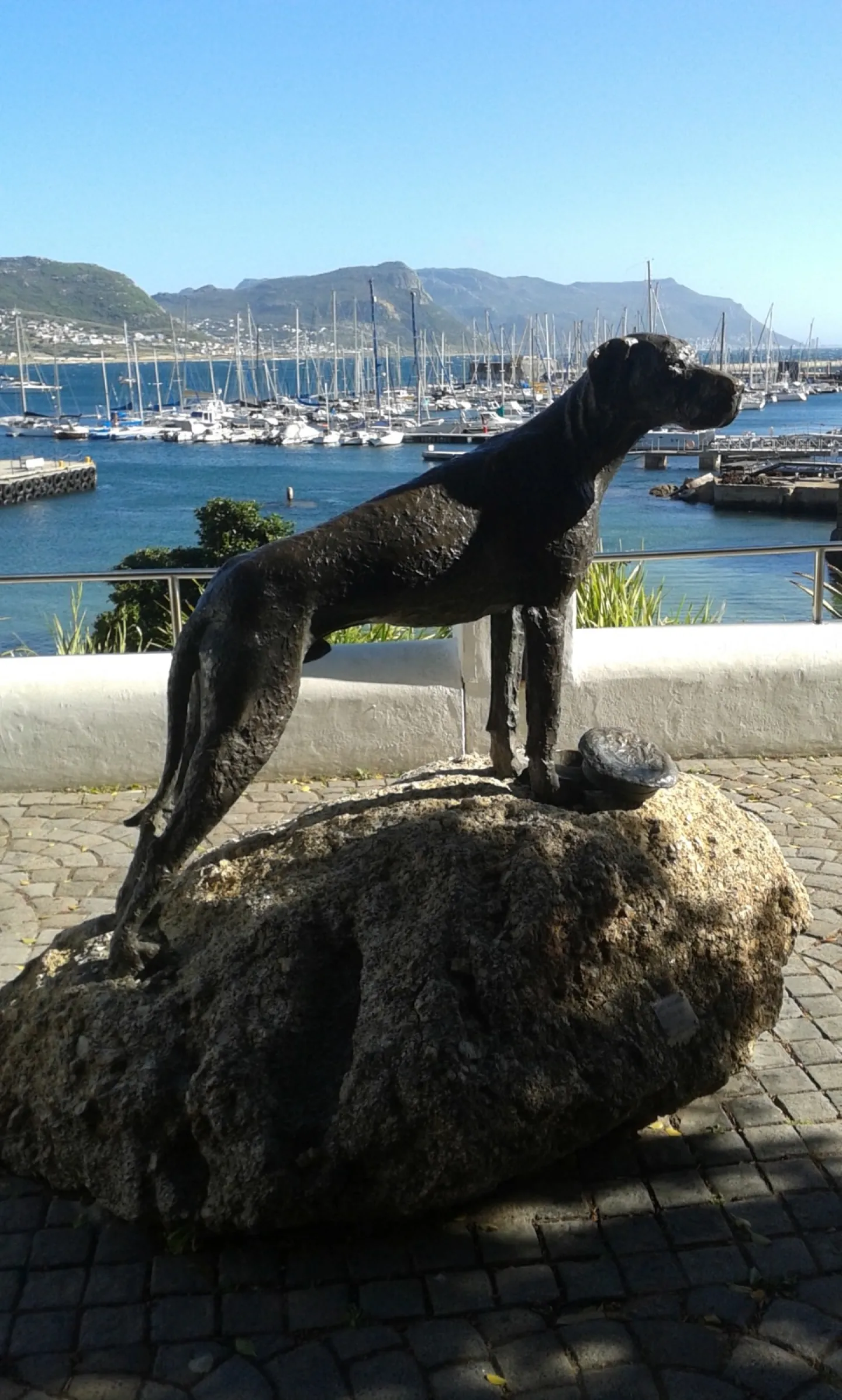
On the other side of the Cape Peninsula, in Simon’s Town’s Jubilee Square, is a statue dedicated to a most remarkable sailor of the Royal Navy: Able Seaman Just Nuisance.
A Great Dane, Just Nuisance was a local of the Simon’s Town Naval Base around the outbreak of World War II. He often rode the train with sailors, prompting the railways to threaten to put him down. In response, the Royal Navy recruited him, which meant he was entitled to free train trips – and promoted him to Able Seaman, so he could receive rations.
The effects of a car accident led to Just Nuisance being put down in 1944, and he was buried with full naval honours above Simon’s Town; his grave is marked and can be visited. The statue, and an exhibit in the Simon’s Town Museum, tell the story of this legendary dog.
Shakespeare at Maynardville
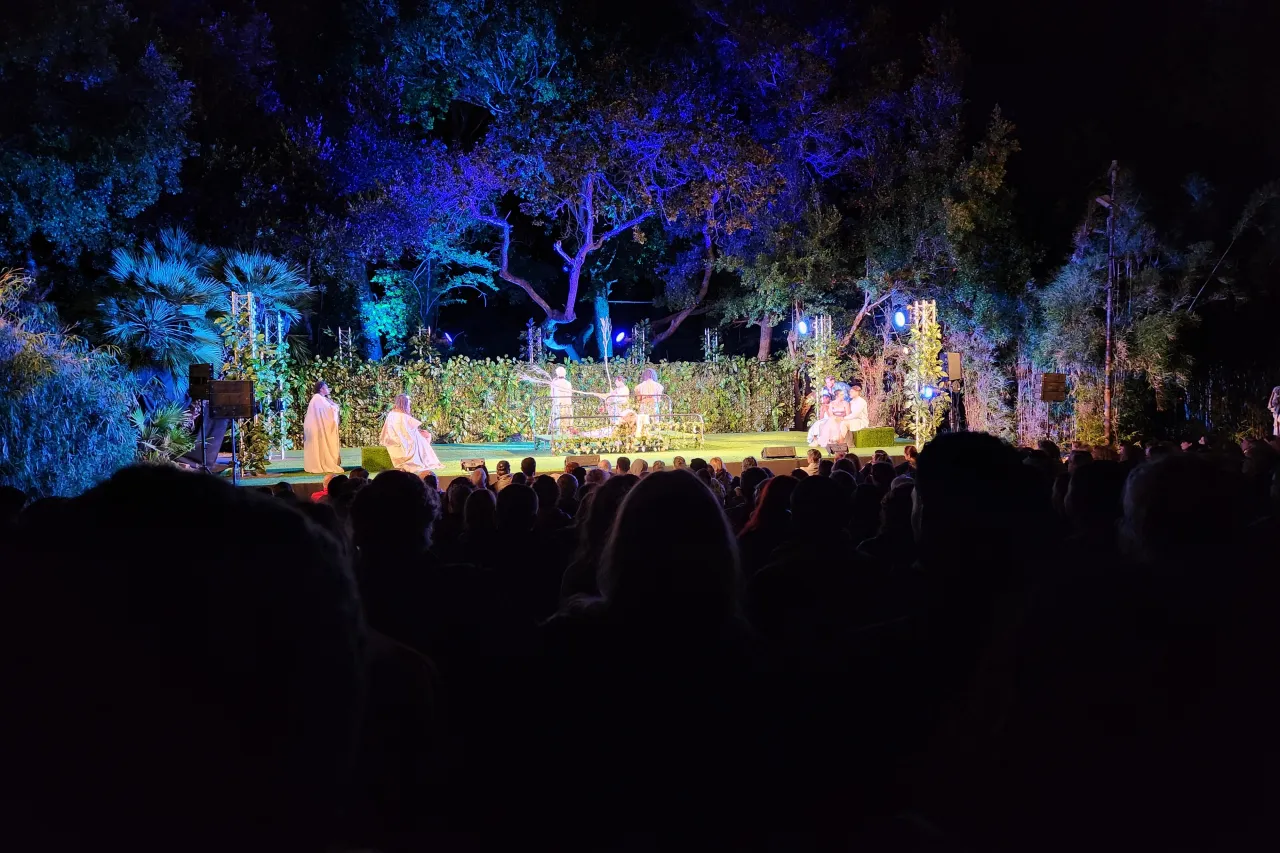
Maynardville is a beautiful park in the southern suburb of Wynberg, and is most famous for the Maynardville Open-Air Theatre, which since 1956 has staged a Shakespeare play in the warmer months (January to March).
Seating an audience of 720, this outdoor theatre – which also hosts music, opera and ballet performances – is a must-experience for all lovers of the Bard. The Shakespeare plays, featuring leading South African actors, are magical; you’ll never want to see an indoors production again.


Related gallery