

Addo Elephant National Park
Addo Elephant National Park
The only place on Earth with the Big Seven
Peak time
December to January
Best time to visit
May to September (cool, dry winter months).
Known for
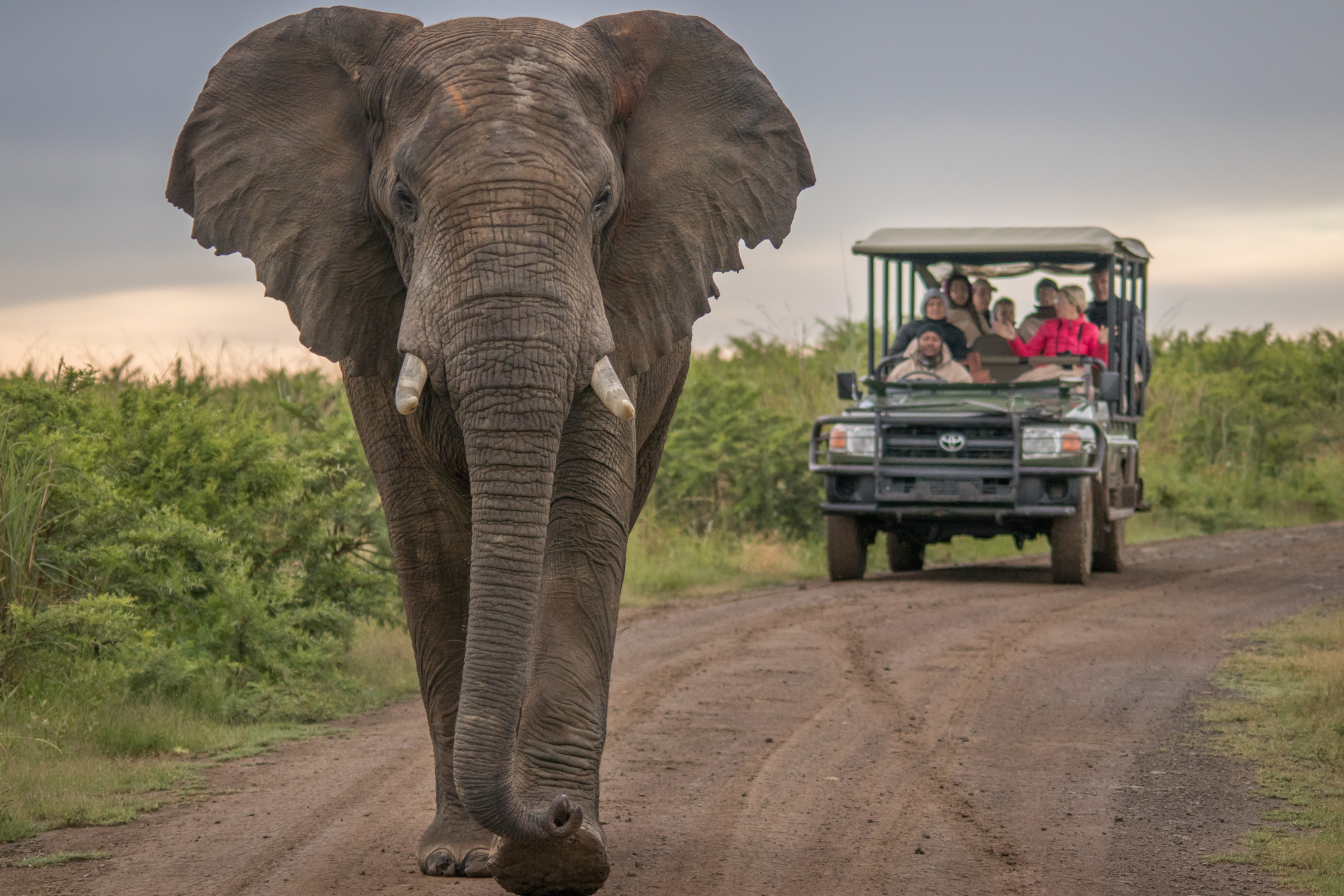
Its incredibly dense elephant population
Also known for
Being a malaria-free Big Seven destination
About the Addo Elephant National Park
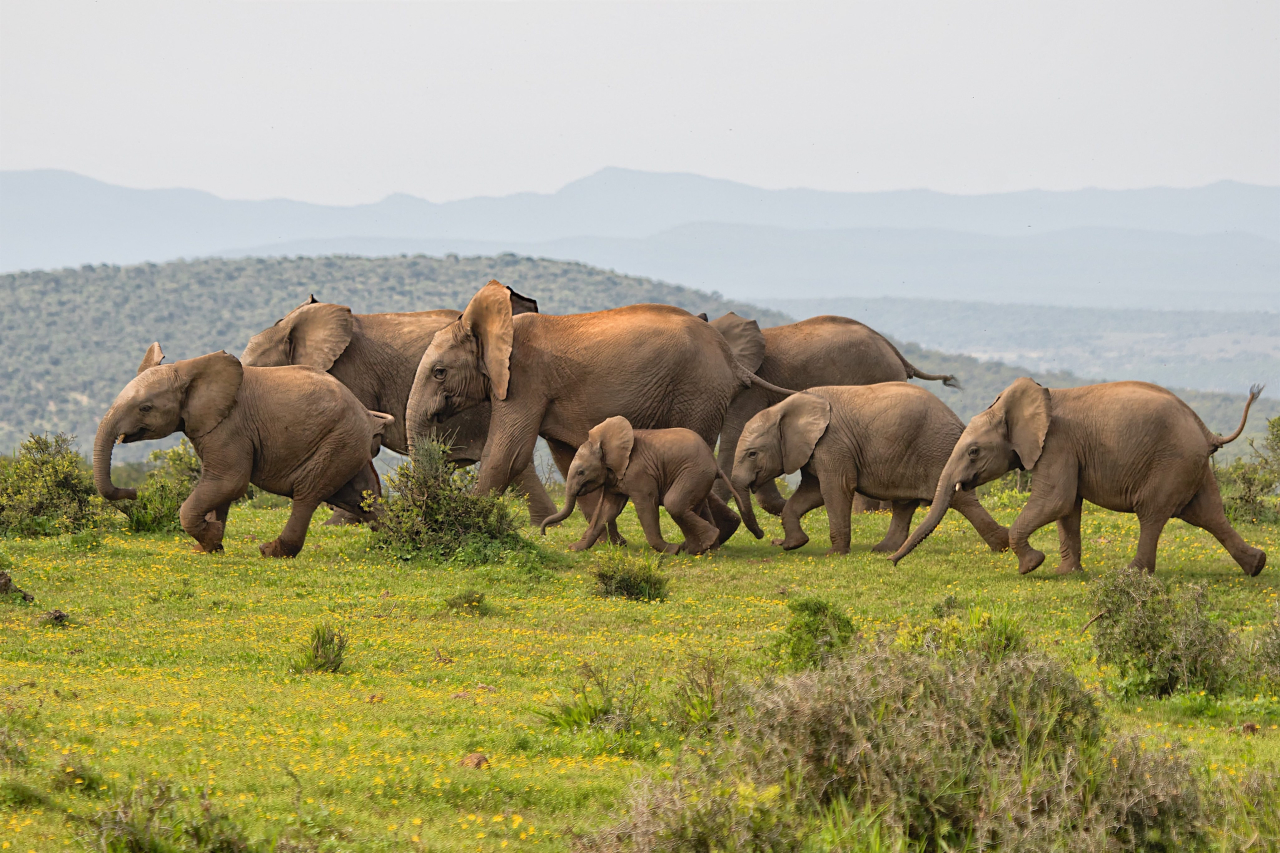
Addo is the ultimate elephant conservation success story, a park born from the brink of tragedy. In the early 20th century, this region's elephants were hunted to the verge of extinction, with only 11 survivors remaining. From this fragile beginning a world-renowned sanctuary was created, and today Addo is home to one of the densest elephant populations on the planet. To visit is to witness a landscape teeming with these magnificent giants, proof of the power of protection.
The park offers a one-of-a-kind safari experience. It is not a land of wide open savannahs, but one of dense, almost impenetrable spekboom thicket. This vegetation creates an exciting sense of discovery, where a magnificent bull elephant or a herd of buffalo can emerge from the bush just metres from your vehicle. The park's lifeblood is its waterholes, which draw animals from the thicket and provide a constant theatre of interaction, making for phenomenal and accessible game viewing.

Did you know
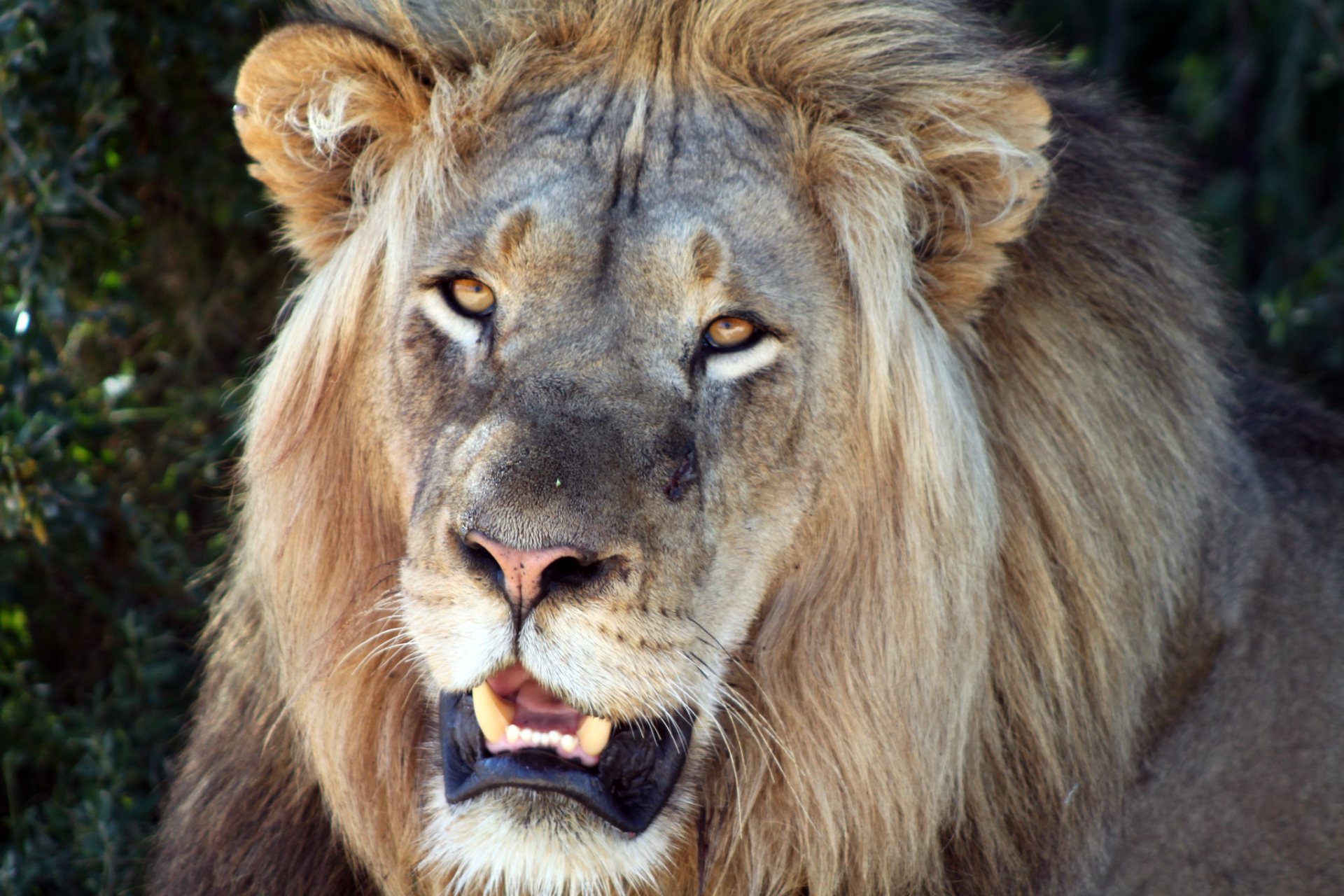
Addo's lions were sourced from the Kalahari, for their genetic similarity to its extinct Cape lions
What truly sets Addo apart is its incredible scale and diversity. It is a mega-park that has expanded from its mountainous heart all the way to the coast, incorporating a marine protected area. This makes Addo the only place on Earth to observe the Big Seven: the traditional Big Five (lion, leopard, rhino, elephant and buffalo) plus two marine giants, the great white shark and the southern right whale.
Get to know Addo
Addo is one of South Africa’s most accessible and rewarding national parks, perfectly suited for both guided safaris and self-drive visitors. The main game viewing area has a well-maintained network of tourist roads that loop around the most productive waterholes. The park’s main rest camp, Addo Main Camp, is a central hub with accommodation, a restaurant, a shop and a floodlit waterhole for 24-hour game viewing.
Beyond the main tourist roads, the experience deepens. The park offers a variety of guided game drives in open safari vehicles, which often provide a more informative experience. A key feature is the underground hide at one of the waterholes, which allows for incredible ground-level photography of elephants drinking. For the more adventurous, there are several 4x4-only trails that lead into the more remote sections of the park, offering a greater sense of solitude.
History
Addo’s is a dramatic story of conflict and conservation. In the early 1900s, farmers came into conflict with the local elephant population, which raided their crops. The situation became so dire that the government hired a famed hunter, Major PJ Pretorius, to exterminate the entire herd. By the time a public outcry led to a halt to the culling, only 11 survivors remained.
In response, the Addo Elephant National Park was proclaimed in 1931. The early years were a struggle, with the elephants continuing to break out of the reserve. The park’s future was only secured with the development of the Armstrong fence, a pioneering design of lift cables and train rails that finally contained the elephants. From that point on, the population began its slow but remarkable recovery, growing into the magnificent herds we see today.

Addo Elephant National Park FAQs
The two biggest advantages are its completely malaria-free status and its incredible density of elephants, offering some of the best and most accessible elephant viewing on the continent.
This is Addo’s unique claim. It refers to the traditional Big Five (lion, leopard, rhino, elephant and buffalo) plus two marine giants found in the park’s coastal section: the great white shark and the southern right whale.
Yes, it is perfect for self-driving. The road network in the main game area is well maintained and suitable for regular 2WD vehicles. The waterhole-focused nature of the park makes for very rewarding self-drive game viewing.
The easiest way is to fly into the airport in Gqeberha. From there, it is a simple and scenic one-hour drive to the park's main entrance.
A stay of two to three nights is ideal. This allows for several game drives and provides enough time to explore the main waterholes and have an excellent chance of seeing elephants, lions, buffalo, leopard and rhino.
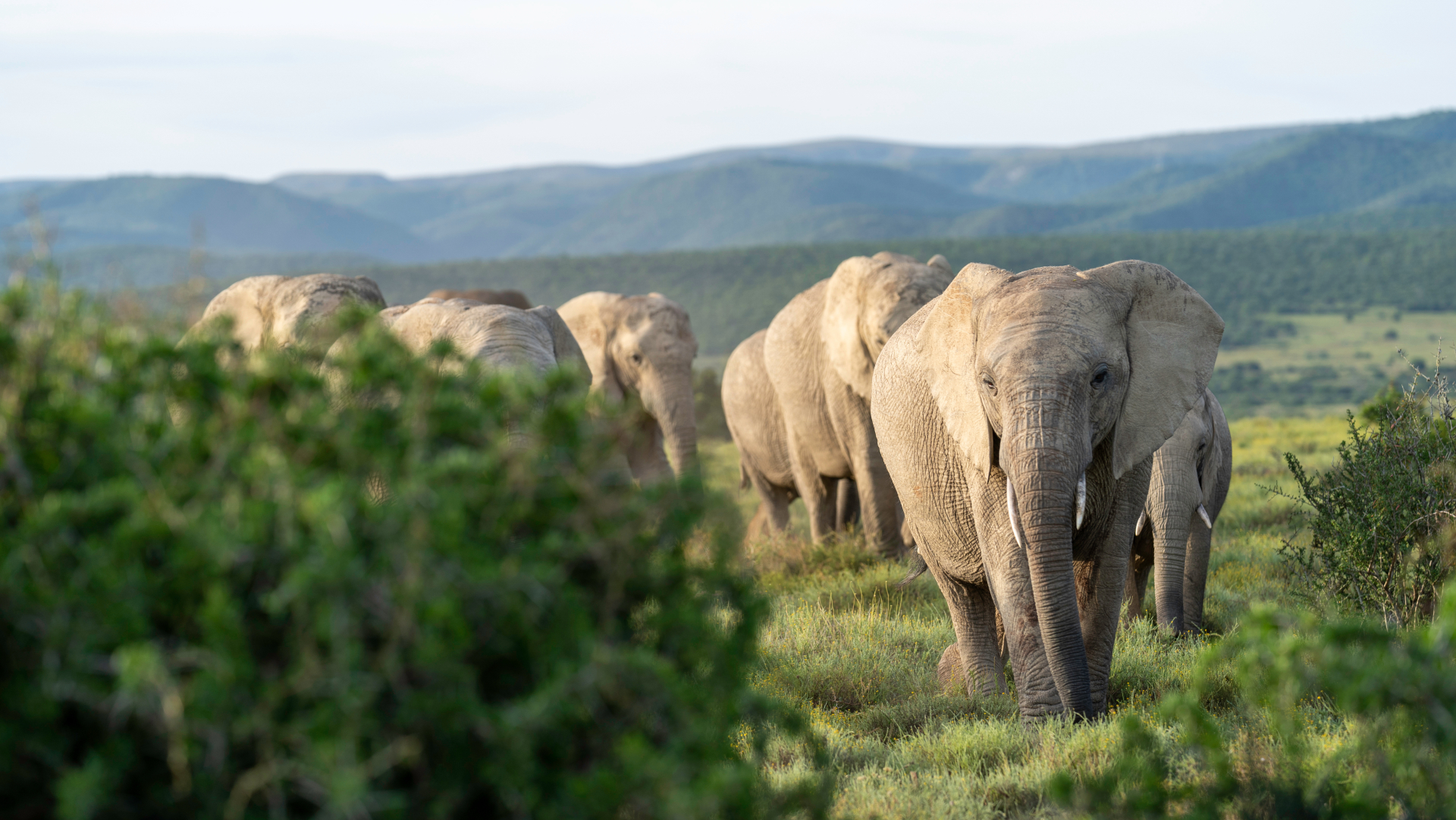
Yes. A sighting of elephants in Addo is as close to a guarantee as you can get in the wild. You will almost certainly see many of them, often in large herds and at very close quarters at the waterholes.
The main differences are health and landscape. Addo is malaria-free, making it a top choice for families. Its landscape is dominated by dense, low thicket, offering a different viewing experience from Kruger’s open savannahs.
It is one of the best safari destinations in South Africa for families. The malaria-free status is the primary draw, combined with its easy accessibility, excellent self-drive potential and reliable Big Five viewing.
To see the marine part of the park and search for the Big Seven, you need to book a separate, licensed boat-based marine safari, which departs from the harbour in Gqeberha.
The area around Hapoor Dam and the floodlit waterhole at the Addo Main Rest Camp are consistently the most productive spots for seeing a high concentration and variety of wildlife, especially in the dry season.
Voices of our guests
More unforgettable activities

Turtle egg laying and hatching

Traditional Bo-Kaap cooking experience
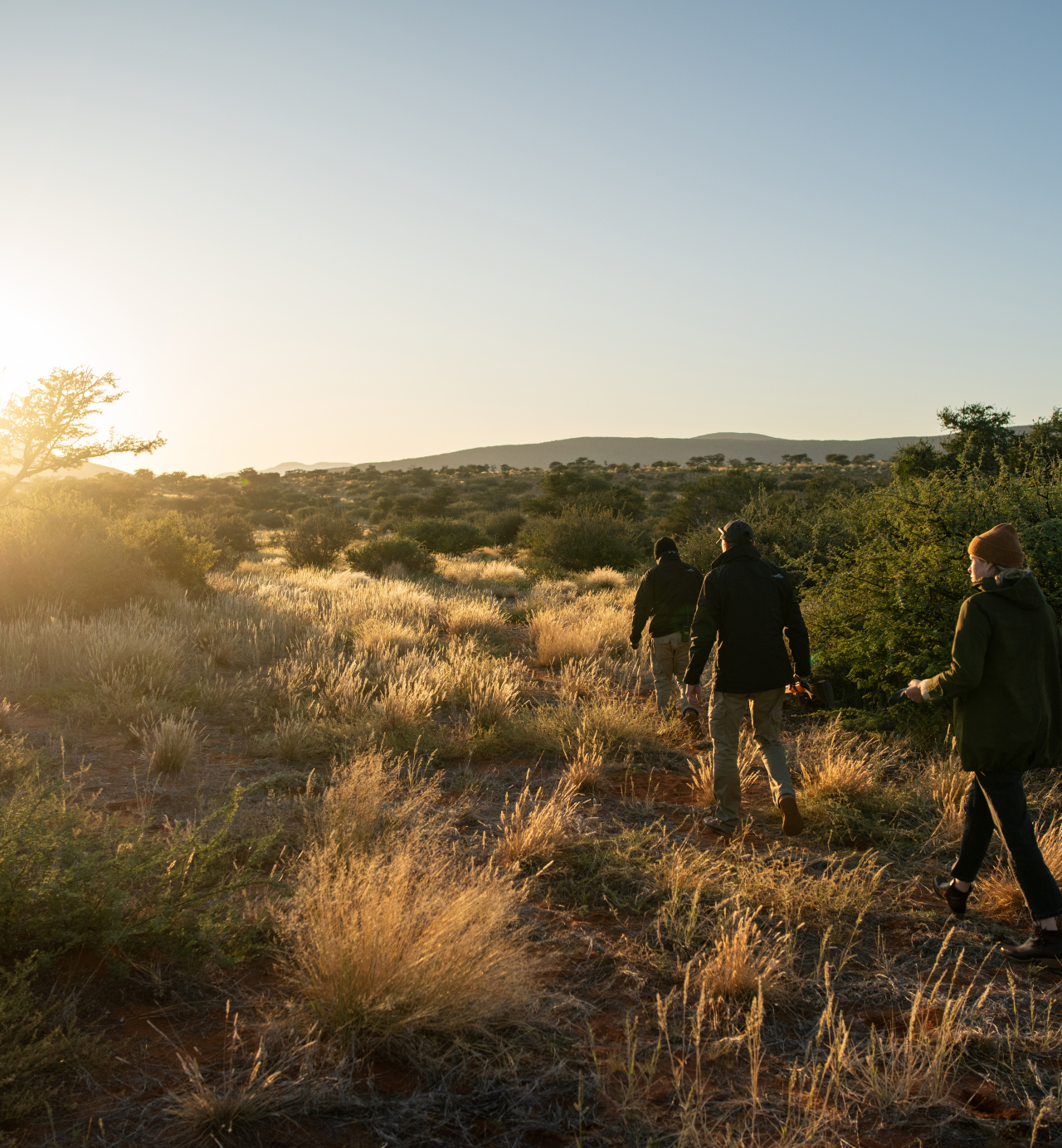
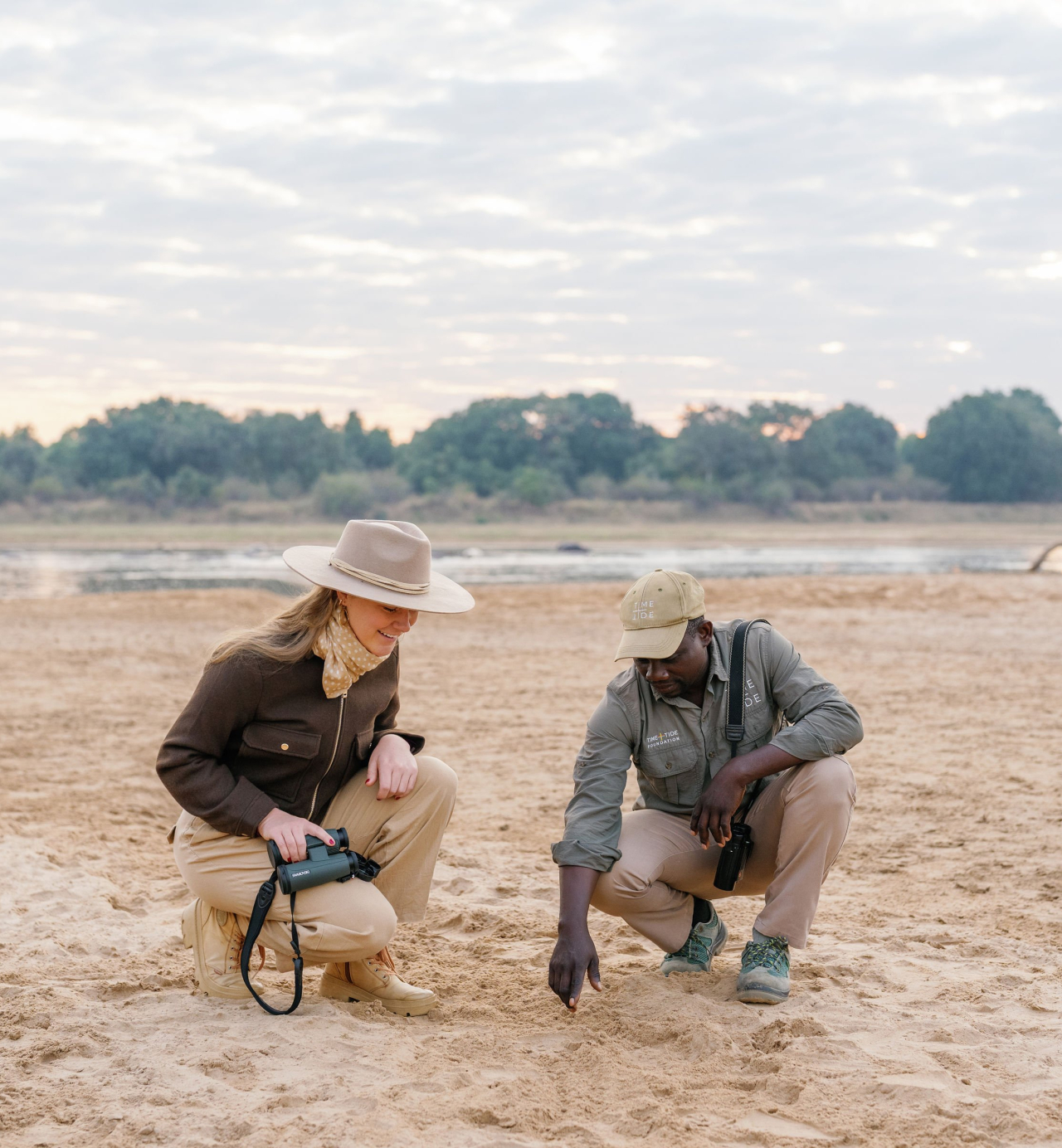
Tracking Africa’s most elusive species on foot
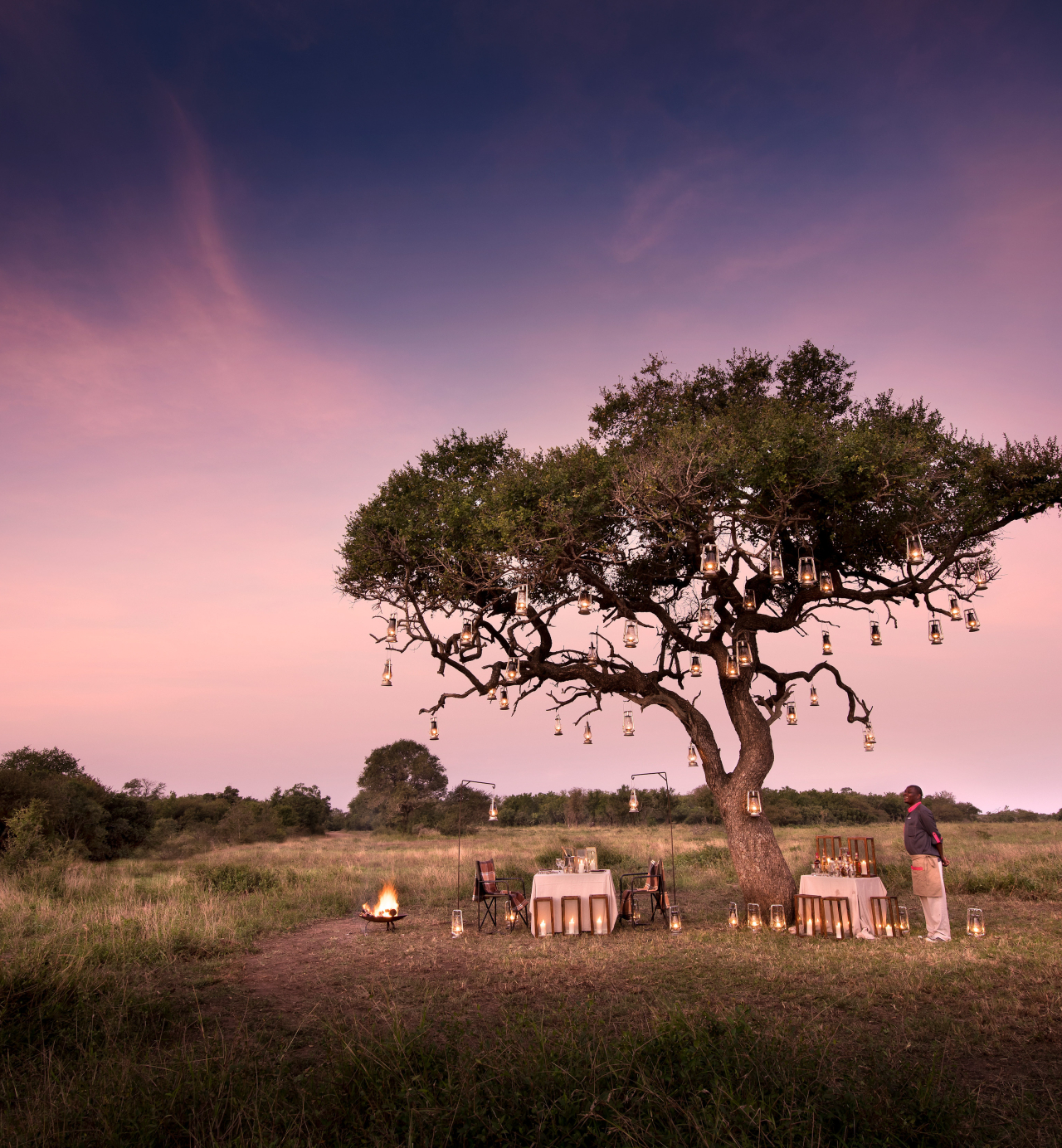
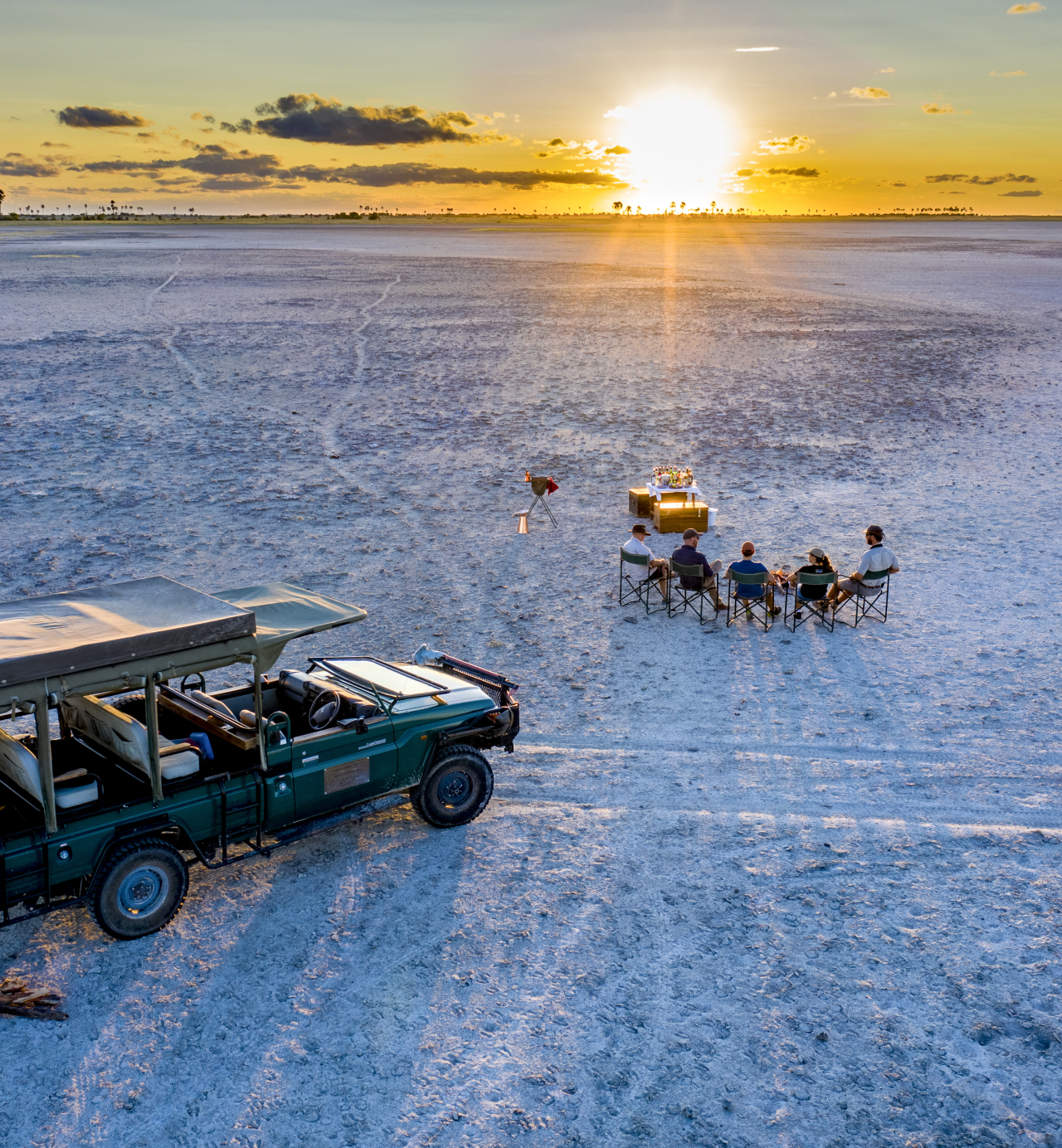
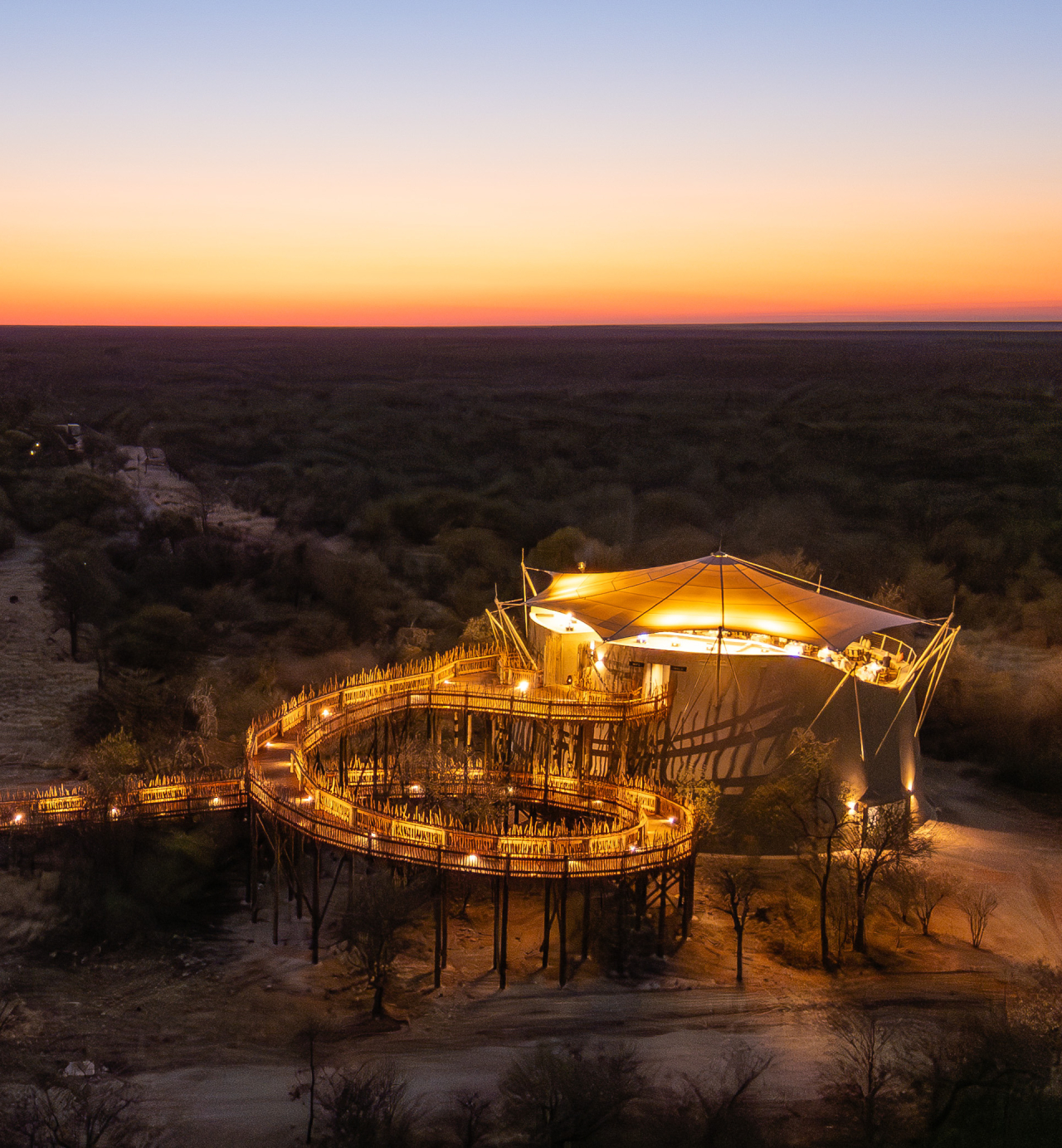
SkyBoma, Etosha
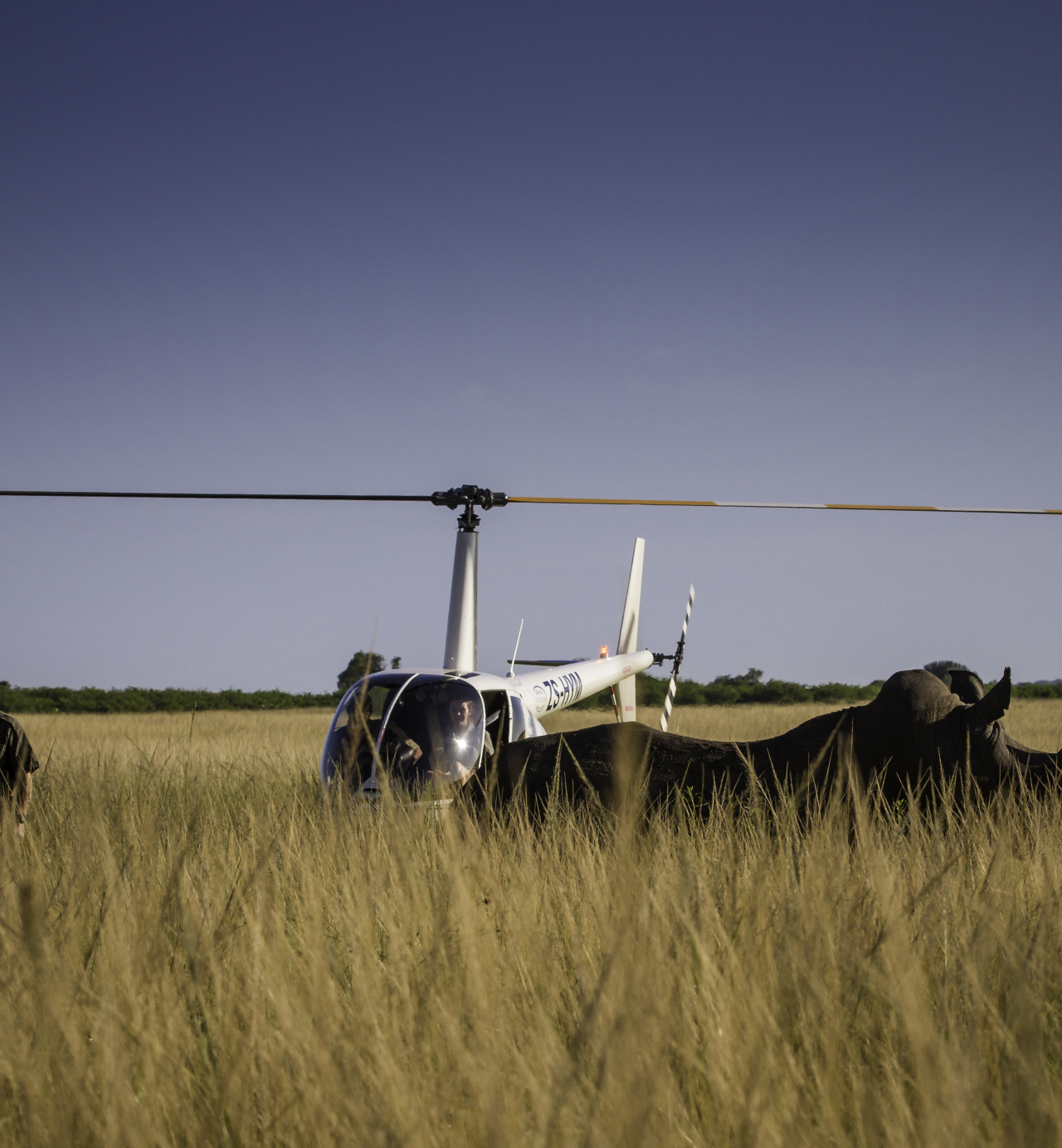
Rhino darting and chipping experience
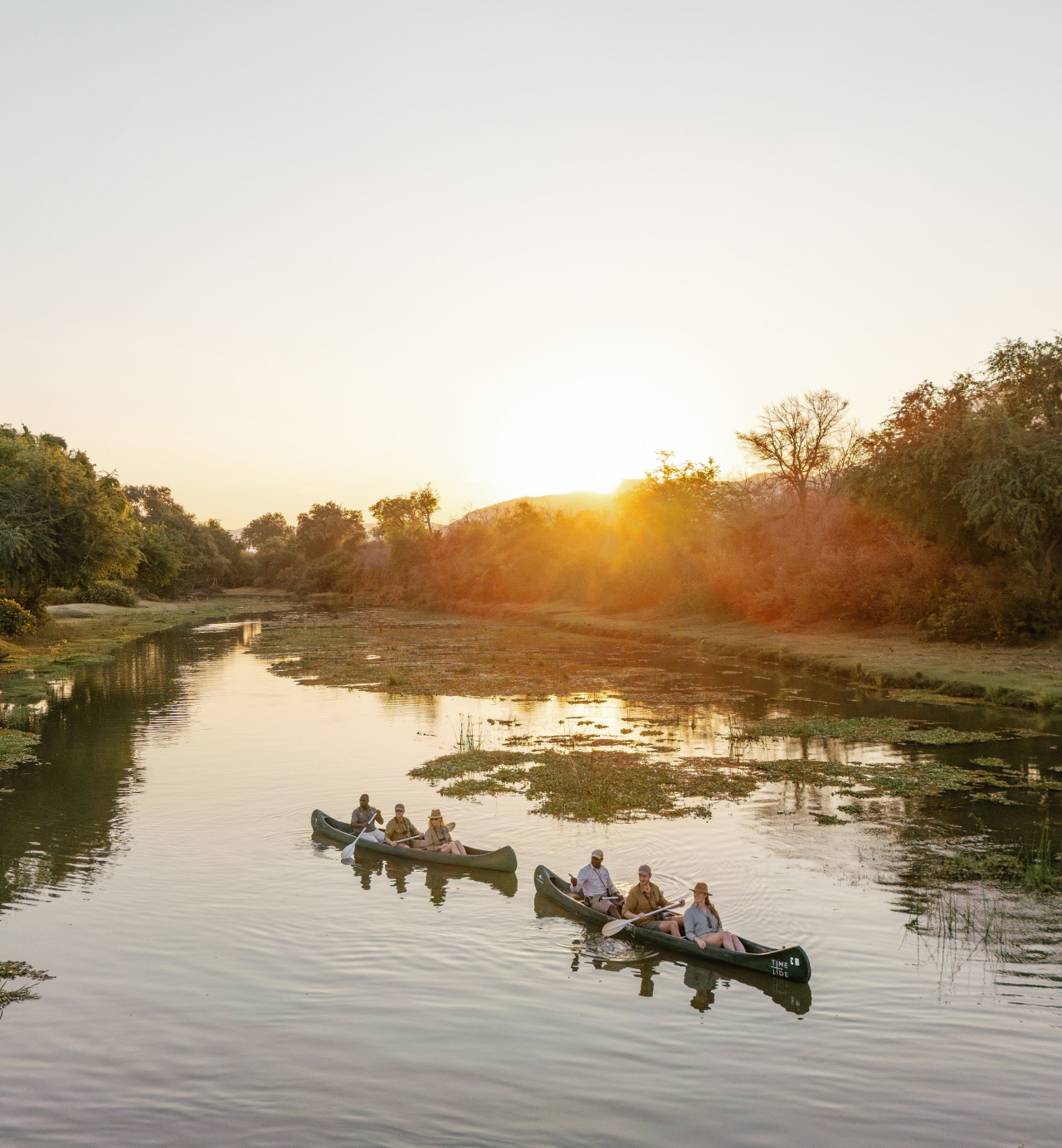
Picnicking on islands in the Zambezi
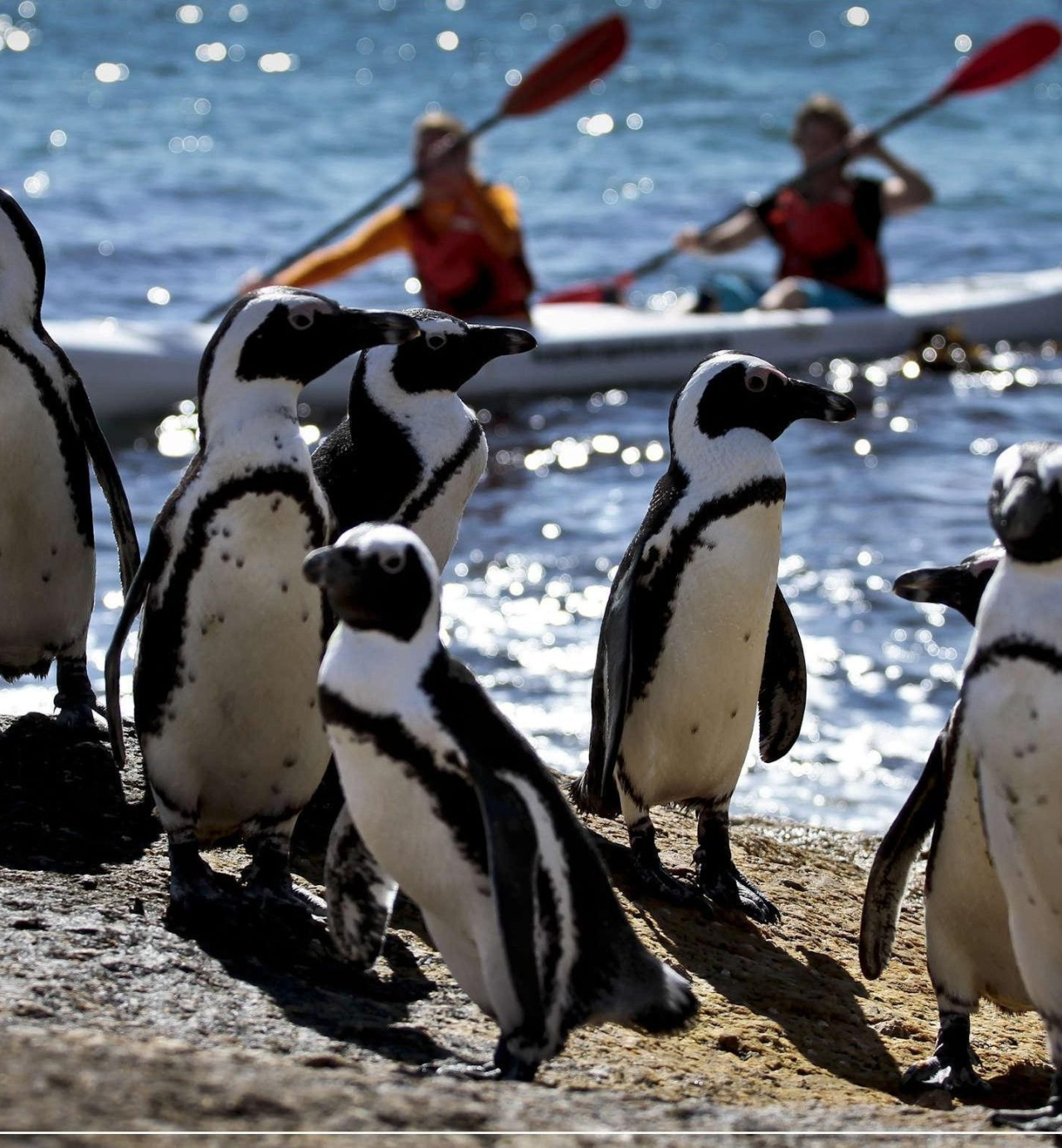
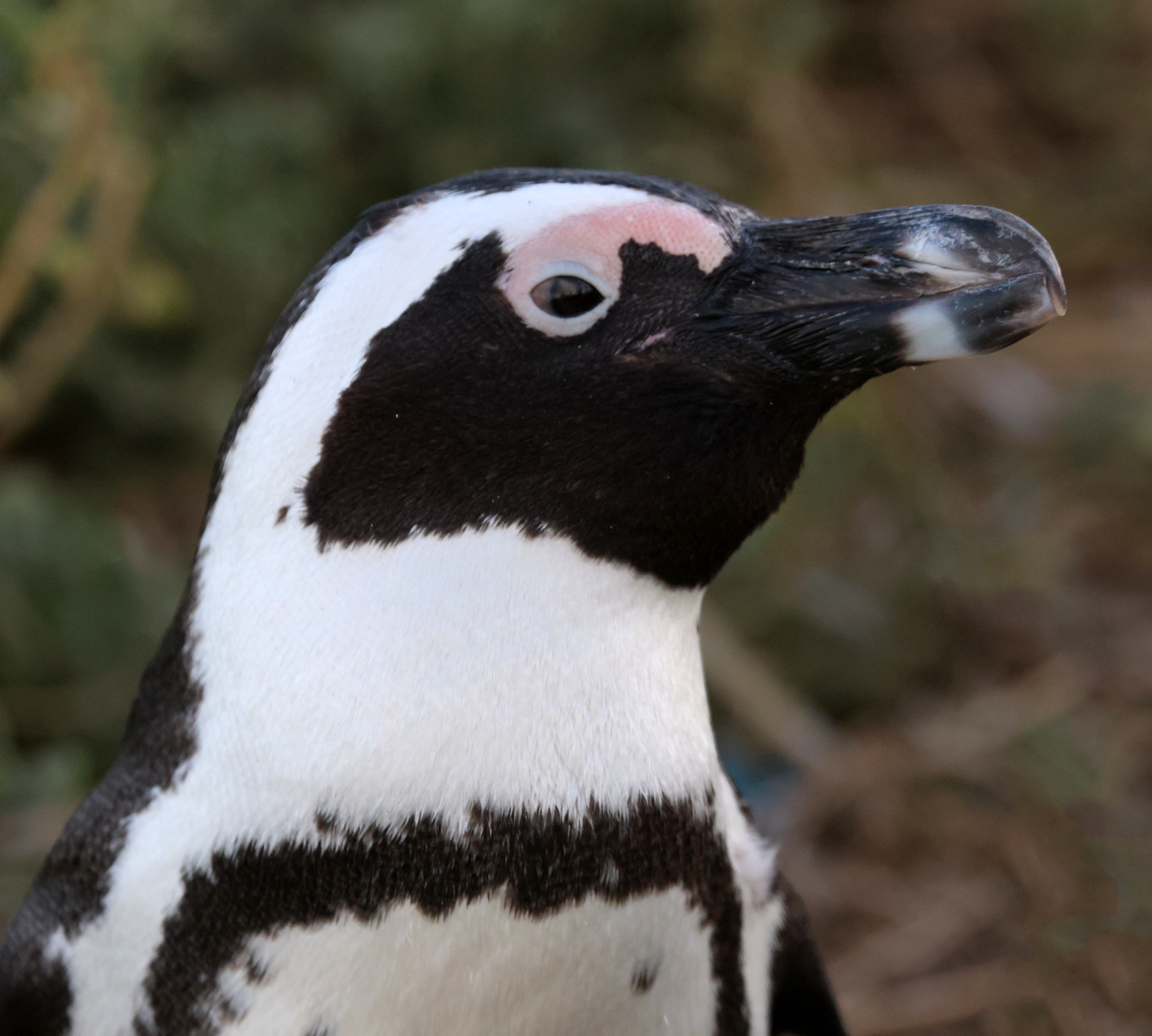
Paddle with penguins
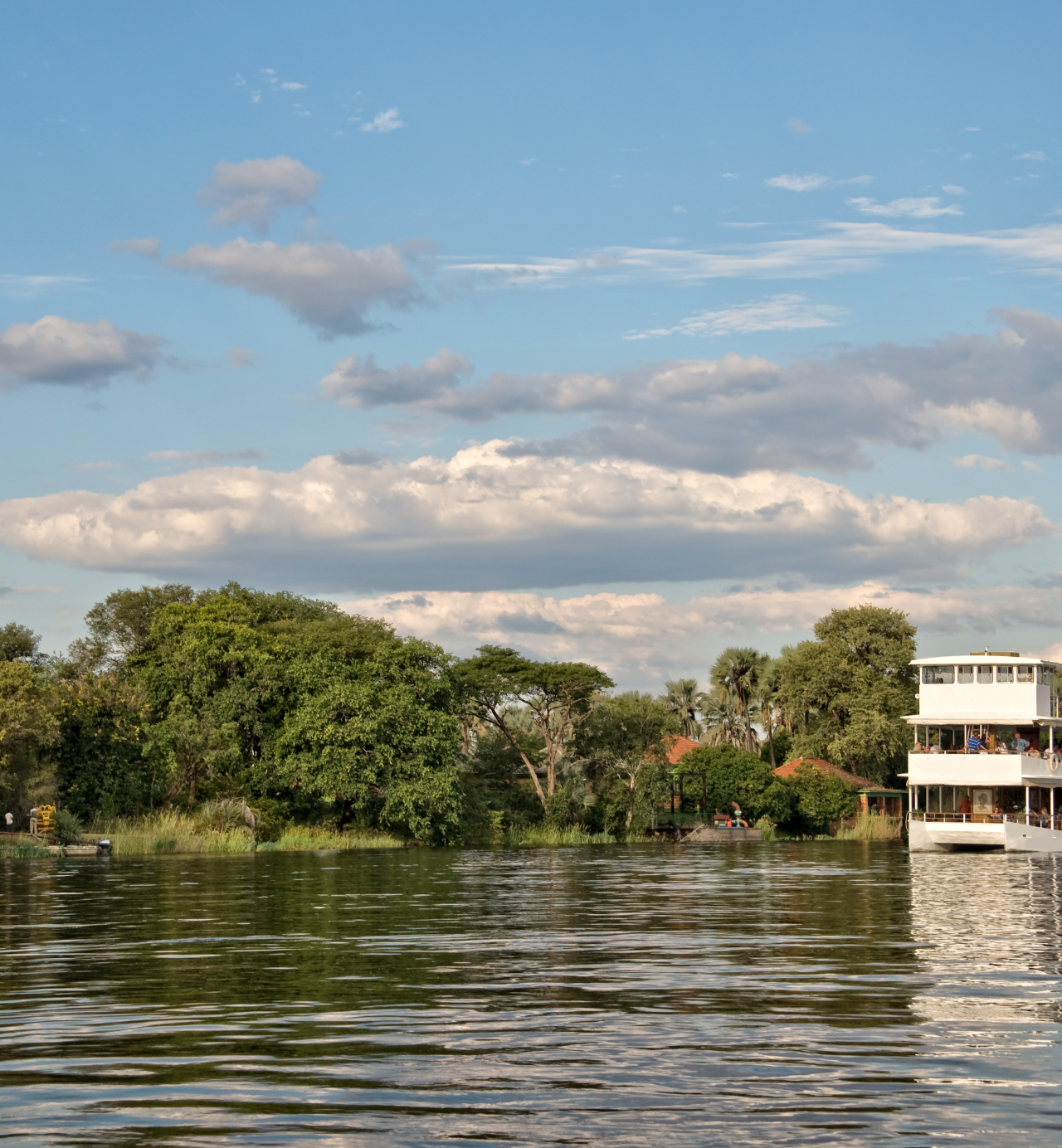
Live-aboard luxury Zambezi safari
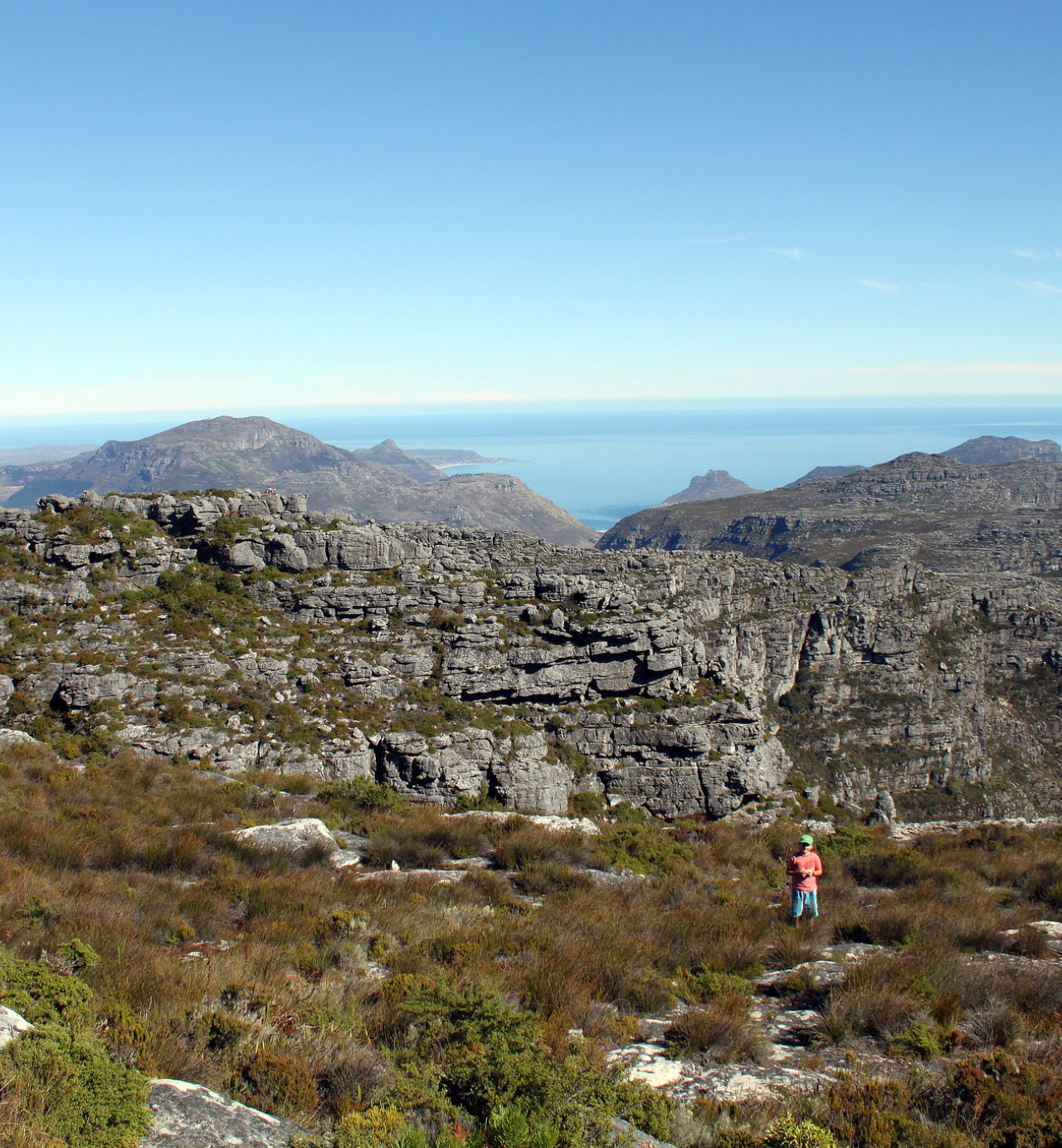
Hiking Table Mountain with a botanist or forager

