

Skeleton Coast
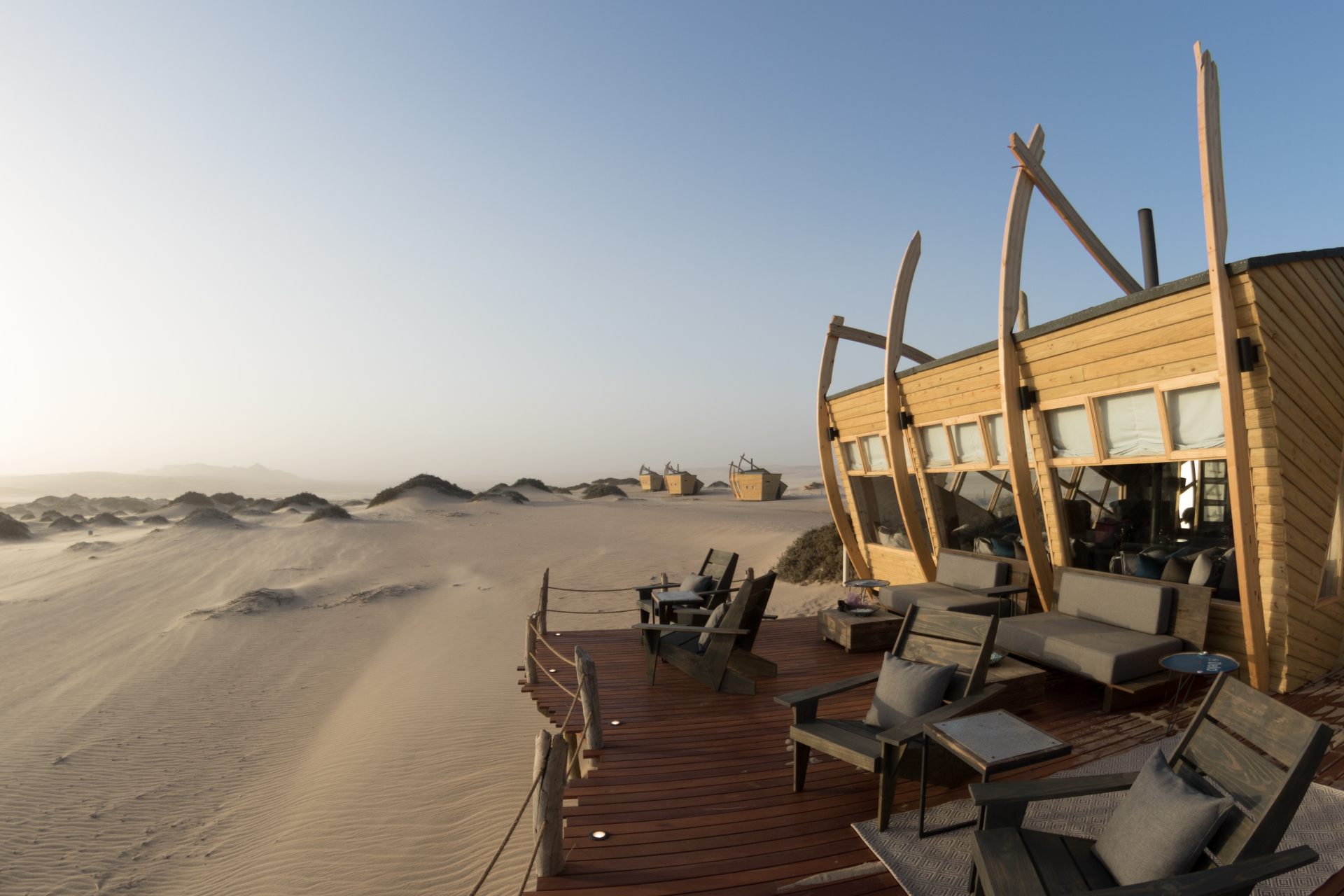
Skeleton Coast, Namibia
Africa’s most desolate – and thrilling – place
Peak time
August to October
Best time to visit
June to October (dry season with clearer skies)
Known for
Its hauntingly beautiful and desolate coastline, littered with shipwrecks
Also known for
Dense coastal fogs and desert-adapted lions
About the Skeleton Coast
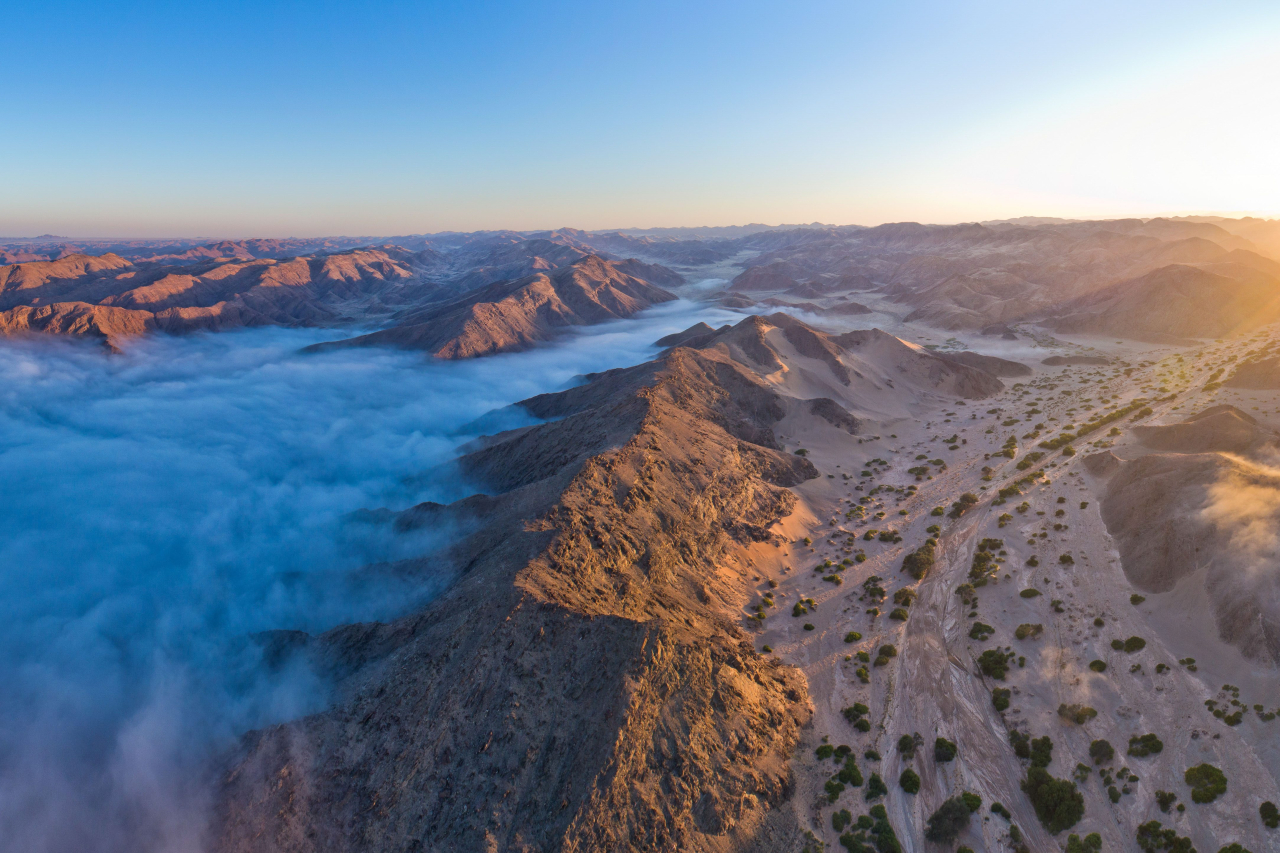
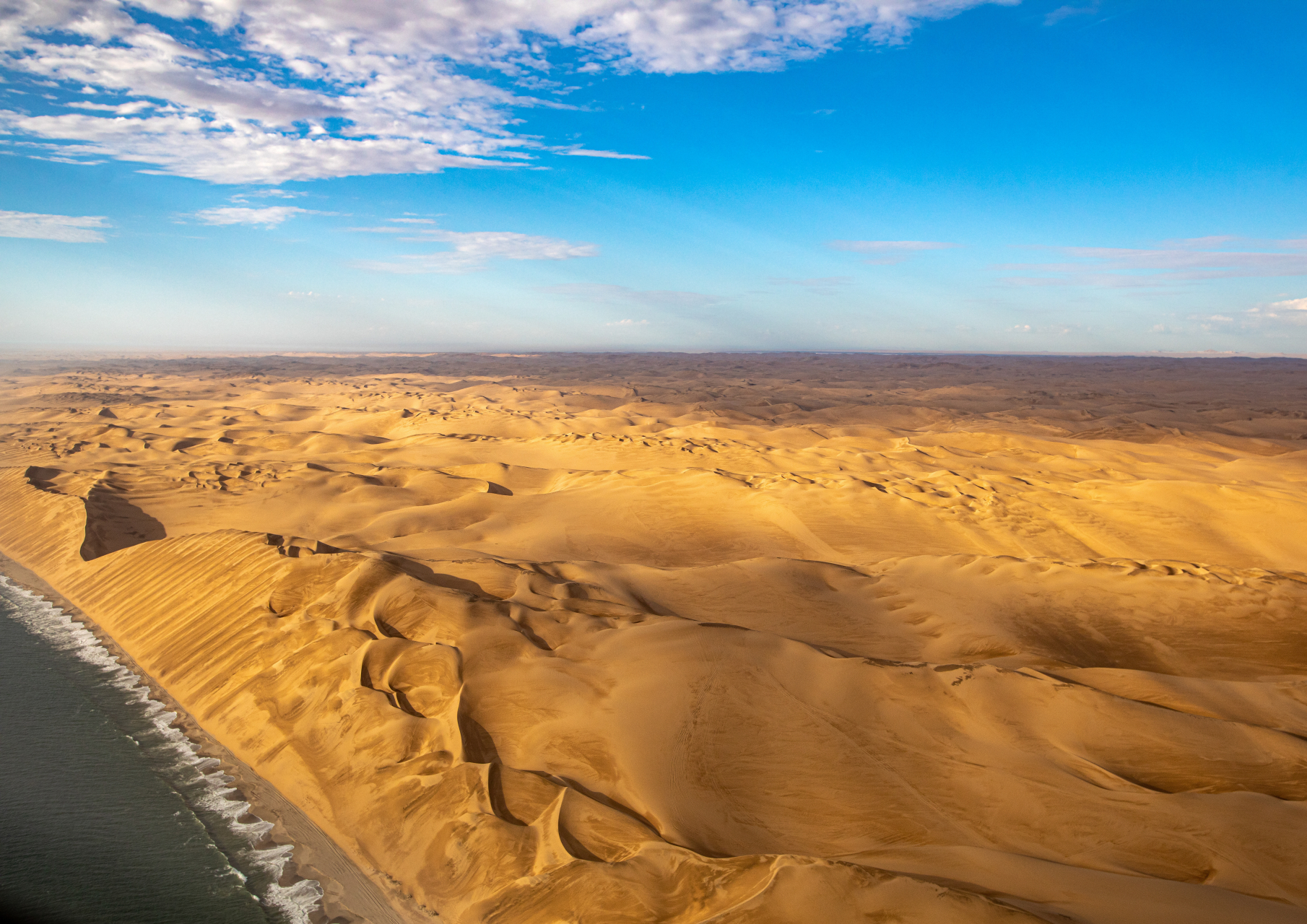
The Skeleton Coast (read our story about it here) is not a gentle place; it is a raw and haunting masterpiece of nature. This is where the violent Atlantic Ocean crashes on the shore of the world’s oldest desert, the Namib, creating one of the most dramatic coastlines on the planet. Its name is brutally literal, earned from the shipwrecks that lie rusting in the surf, and the sun-bleached whale and seal bones that once littered its shores from the whaling era.
The cold Benguela current sweeps up from the Antarctic, meeting the hot desert air to create a near-permanent bank of dense, swirling fog that shrouds the coast for much of the year. It is this fog that has lured so many ships to their doom, but it is also the lifeblood of the desert, providing essential moisture for a surprisingly diverse ecosystem.

Did you know
The indigenous Bushmen of the Namibian interior called the region “The Land God Made in Anger”
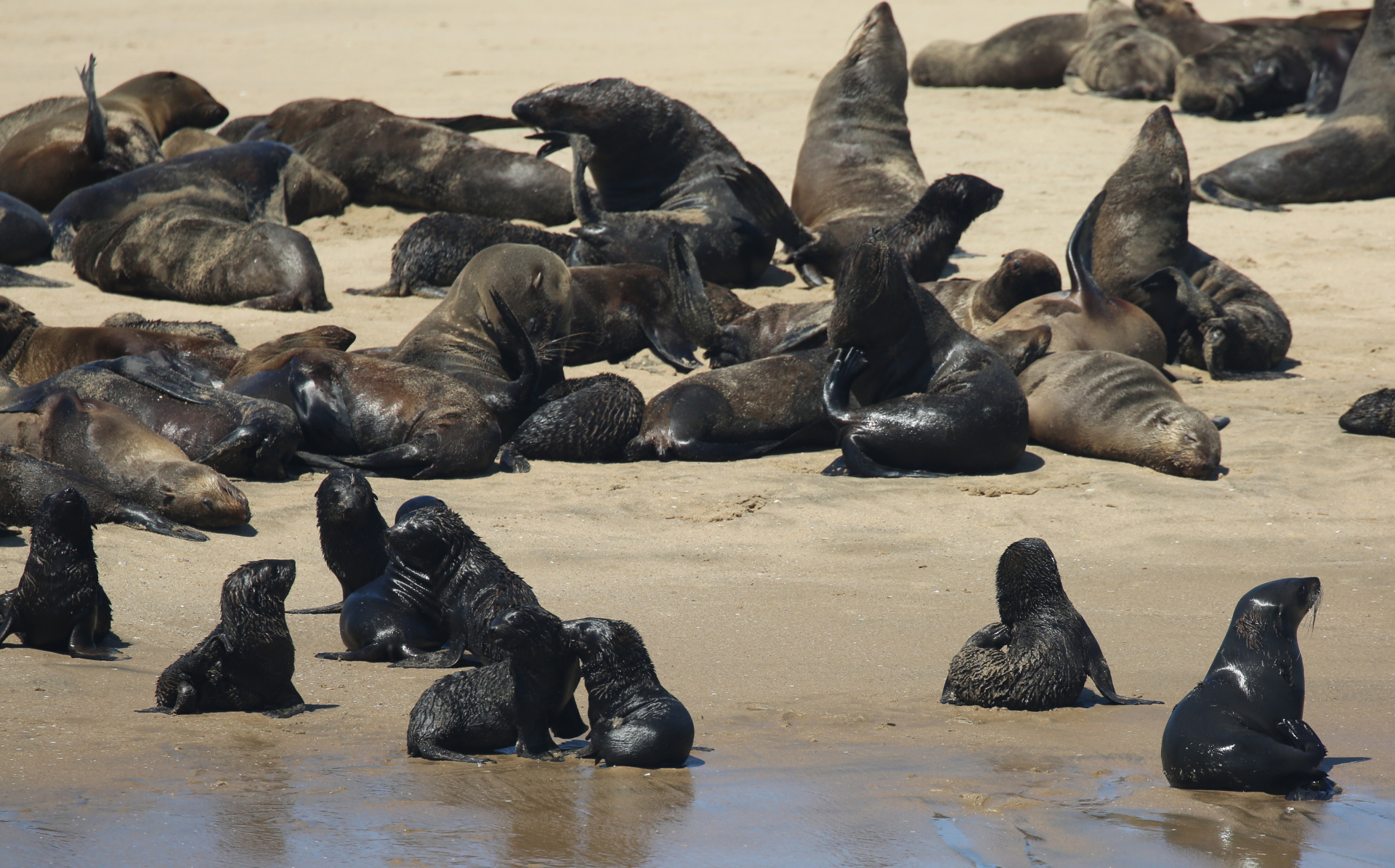
Despite its desolate reputation, the Skeleton Coast is thrillingly alive. It is a place of contrasts, where massive Cape fur seal colonies thrive on the shores, and where desert-adapted lions and brown hyenas scavenge along the beachfront. A journey into this remote wilderness is a journey into one of the planet’s last great solitudes.
Get to know the Skeleton Coast
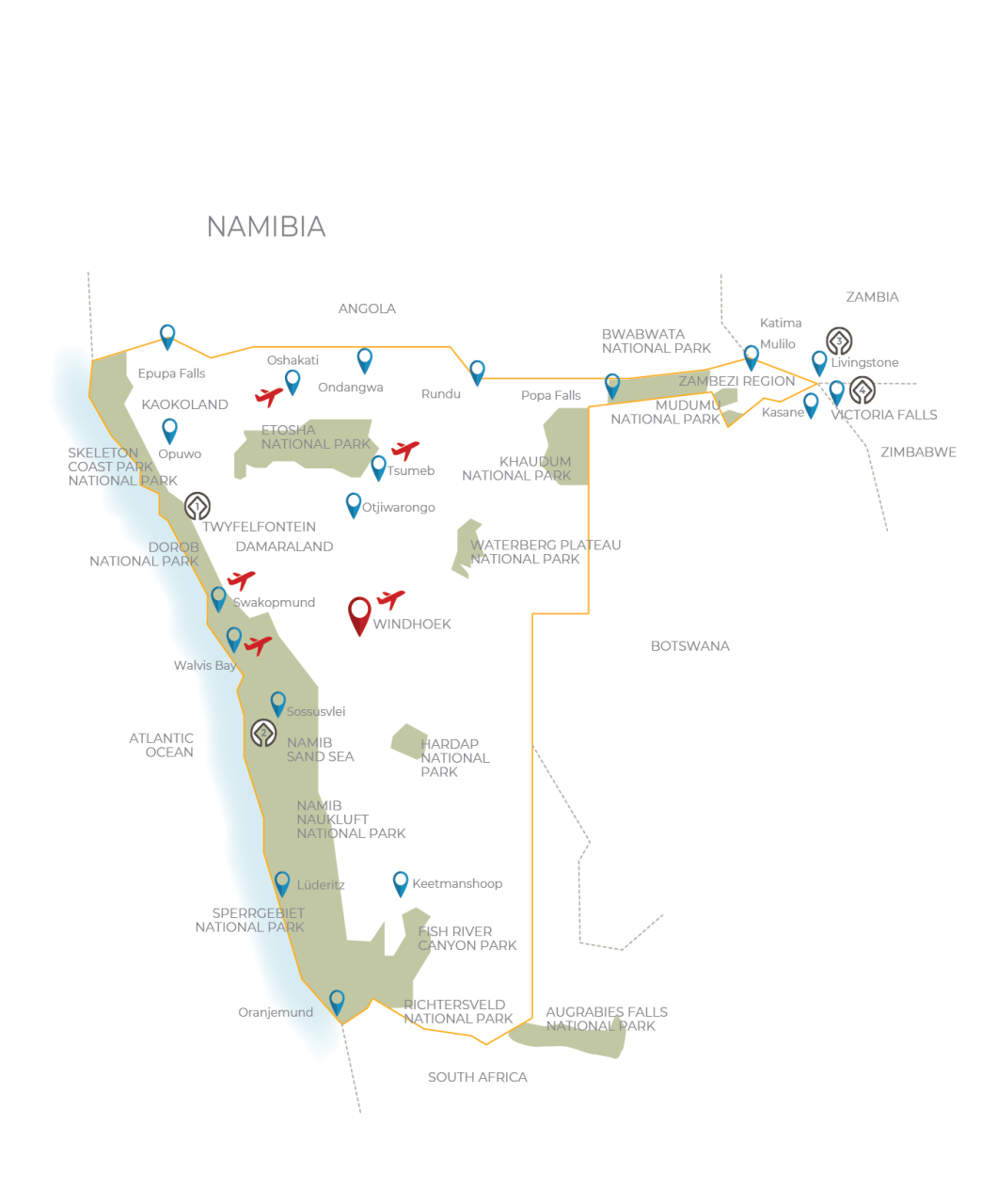
The Skeleton Coast National Park is a place of two distinct halves. The southern section, from the Ugab River up to Terrace Bay, is the more accessible area. Visitors on a self-drive trip can enter this part of the park to visit the seal colony at Cape Cross or to fish from the shore at designated points.
The northern section, from Terrace Bay up to the Kunene River on the Angolan border, is the true wilderness zone. This area is far more remote, ecologically sensitive and inaccessible. Access is strictly controlled and is almost exclusively for visitors on a fly-in safari staying at one of the few exclusive lodges licensed to operate there. This ensures that the pristine character of the northern Skeleton Coast is preserved.
History
The history of the Skeleton Coast is a chronicle of survival against the odds. For centuries, it was known only to the Bushmen, who viewed it as a hostile and dangerous place. From the 15th century onwards, European maritime history became inextricably linked with the coast as Portuguese explorers tried to navigate its treacherous shores. The combination of rough seas, shifting sandbanks and impenetrable fog made it a notorious shipping graveyard.
The coast’s grim reputation was cemented in the 20th century. While its mineral wealth, particularly diamonds, drew some hardy prospectors, its primary value is in its untouched wilderness. The area was proclaimed the Skeleton Coast National Park in 1971. Its management focuses on preservation through a model of low-impact, high-value tourism, ensuring it remains one of the most pristine and remote protected areas in the world.
More unforgettable activities
Turtle egg laying and hatching

Traditional Bo-Kaap cooking experience
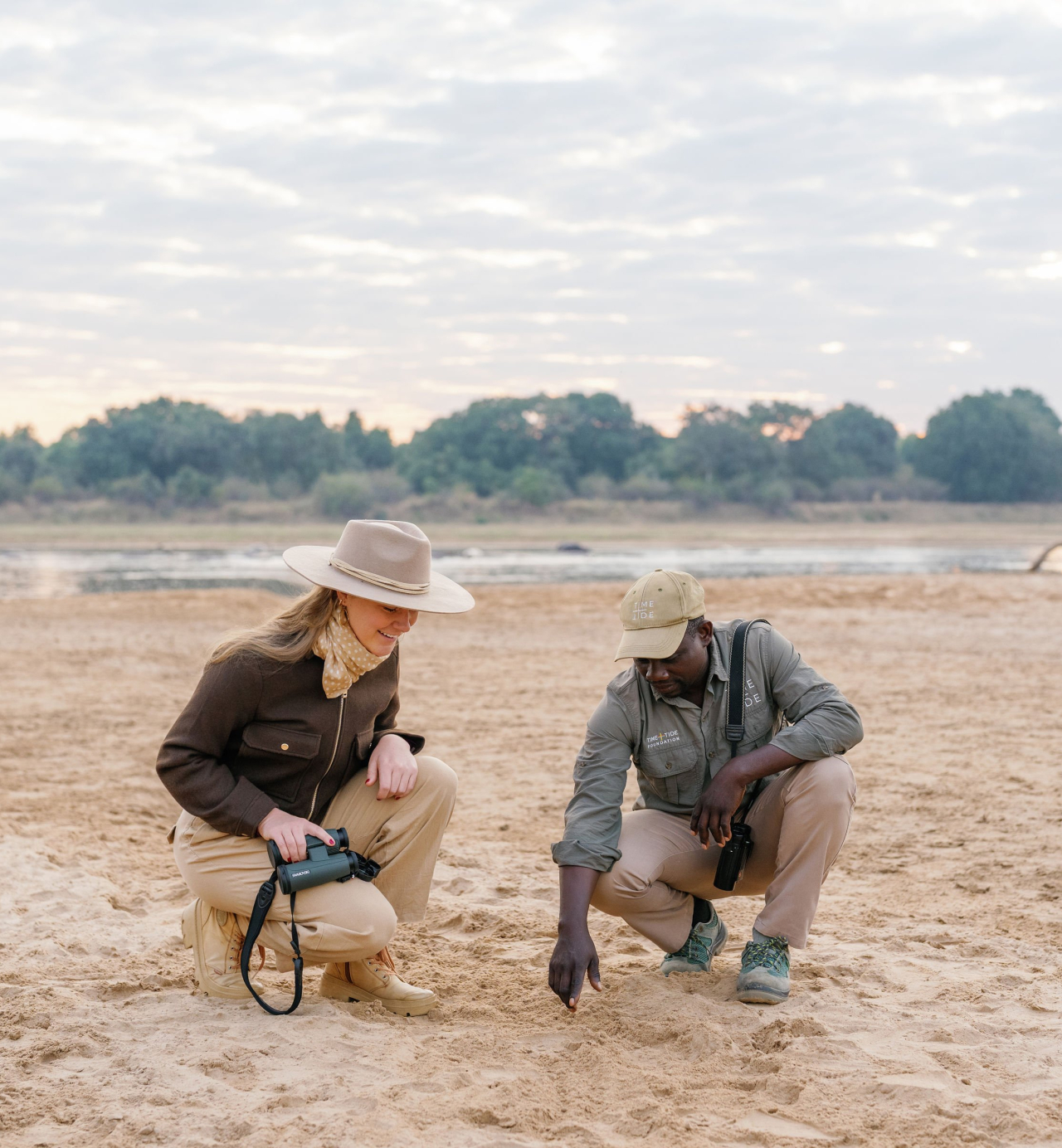
Tracking Africa’s most elusive species on foot


SkyBoma, Etosha
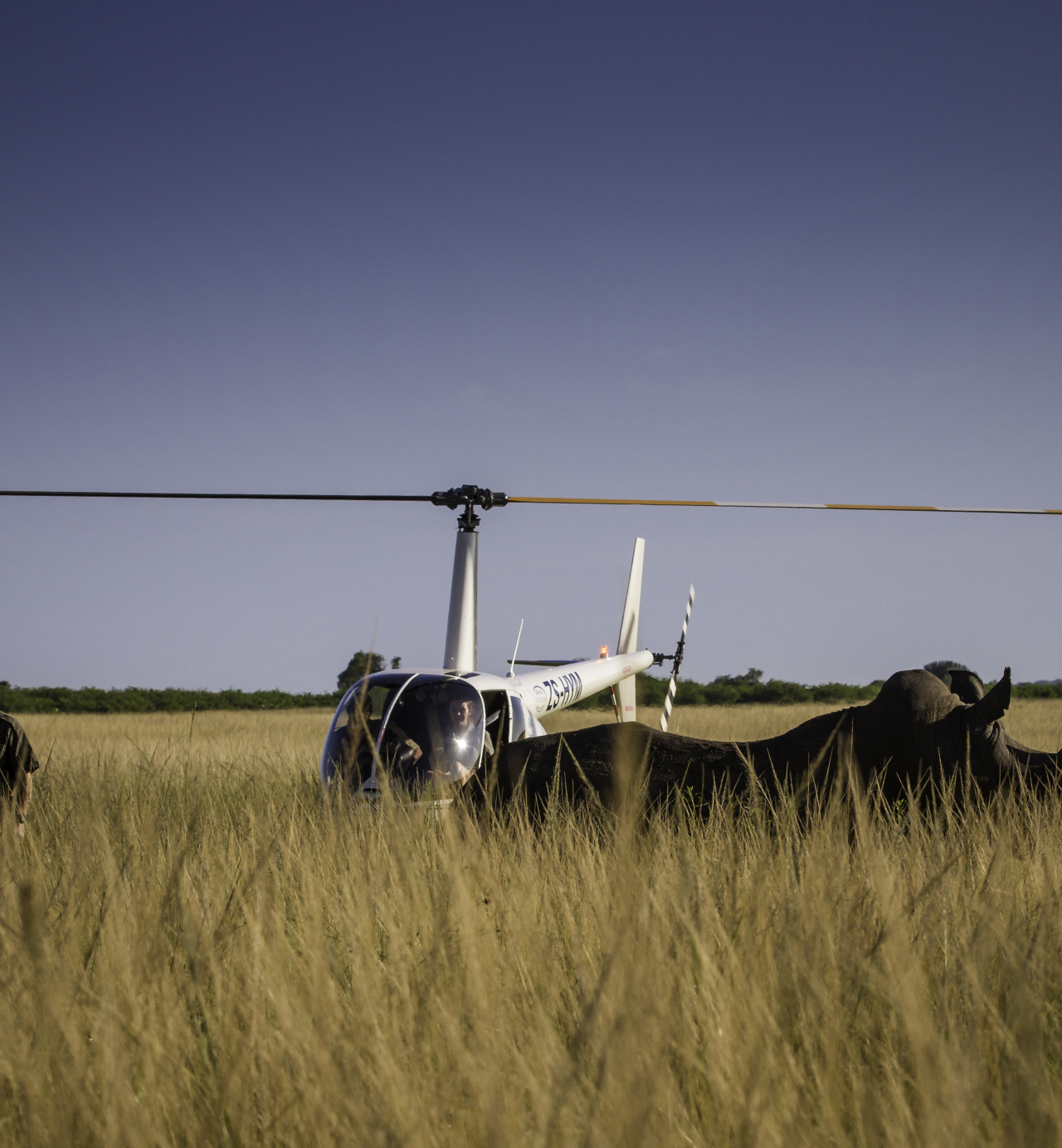
Rhino darting and chipping experience
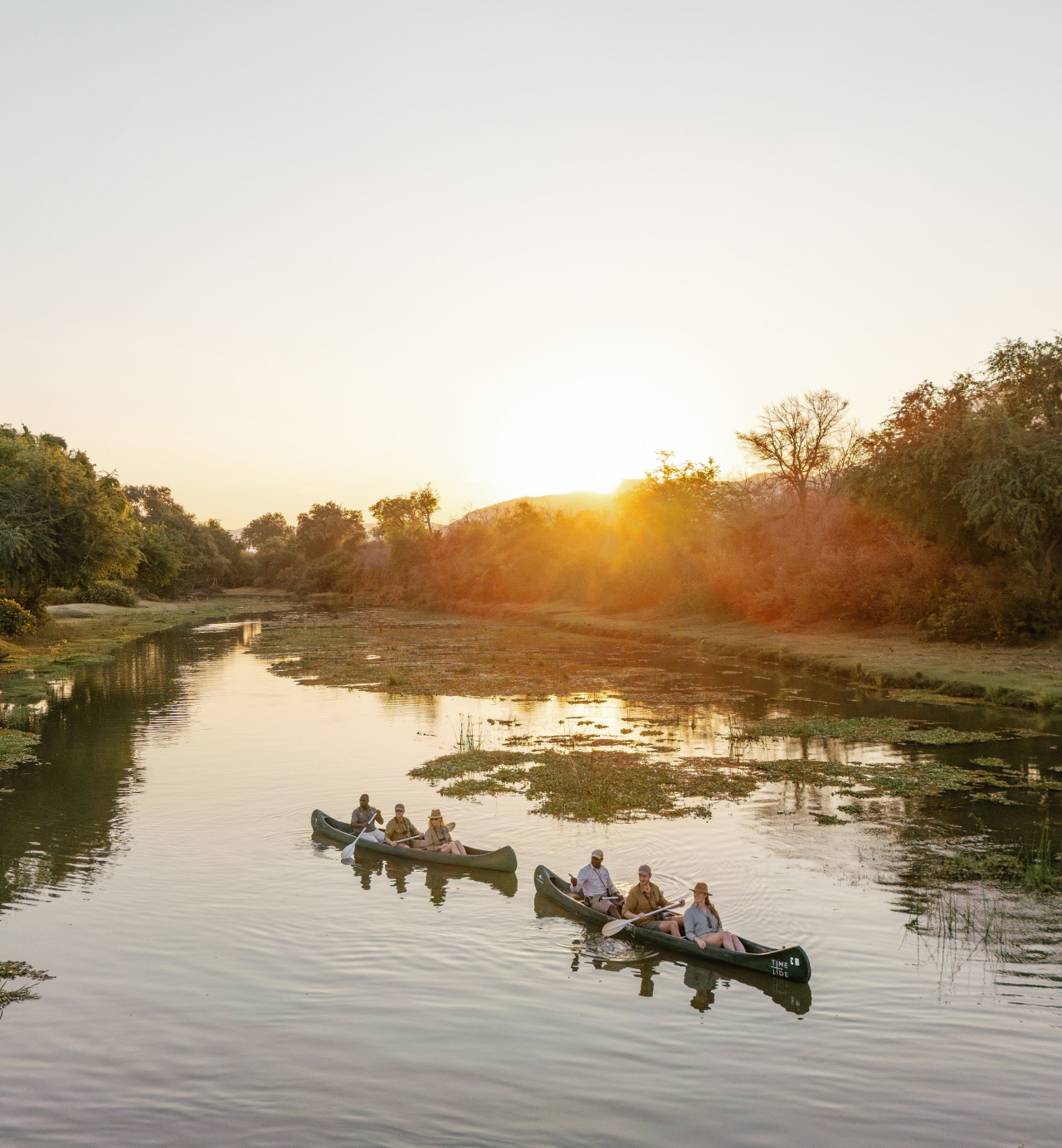
Picnicking on islands in the Zambezi
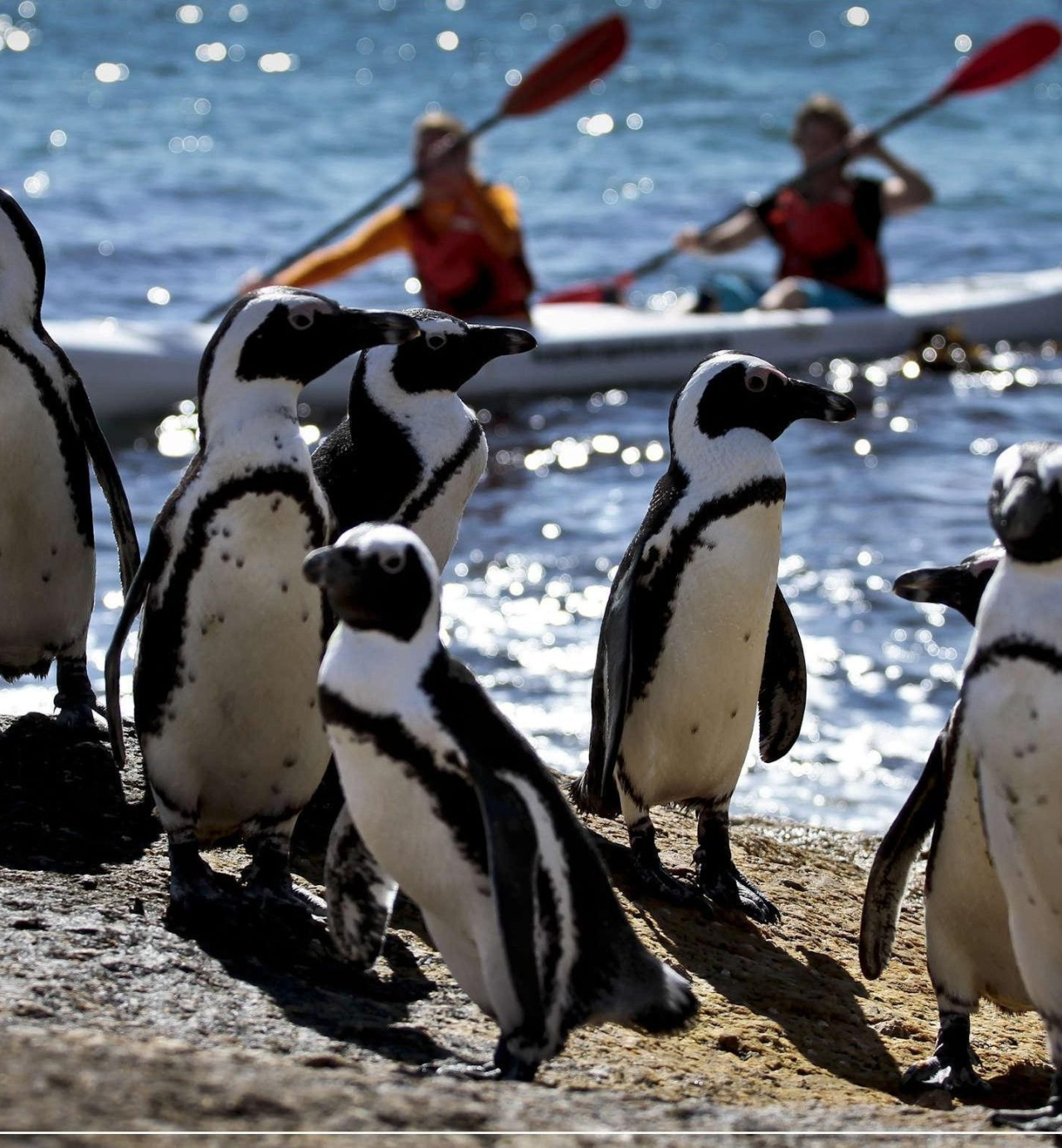
Paddle with penguins
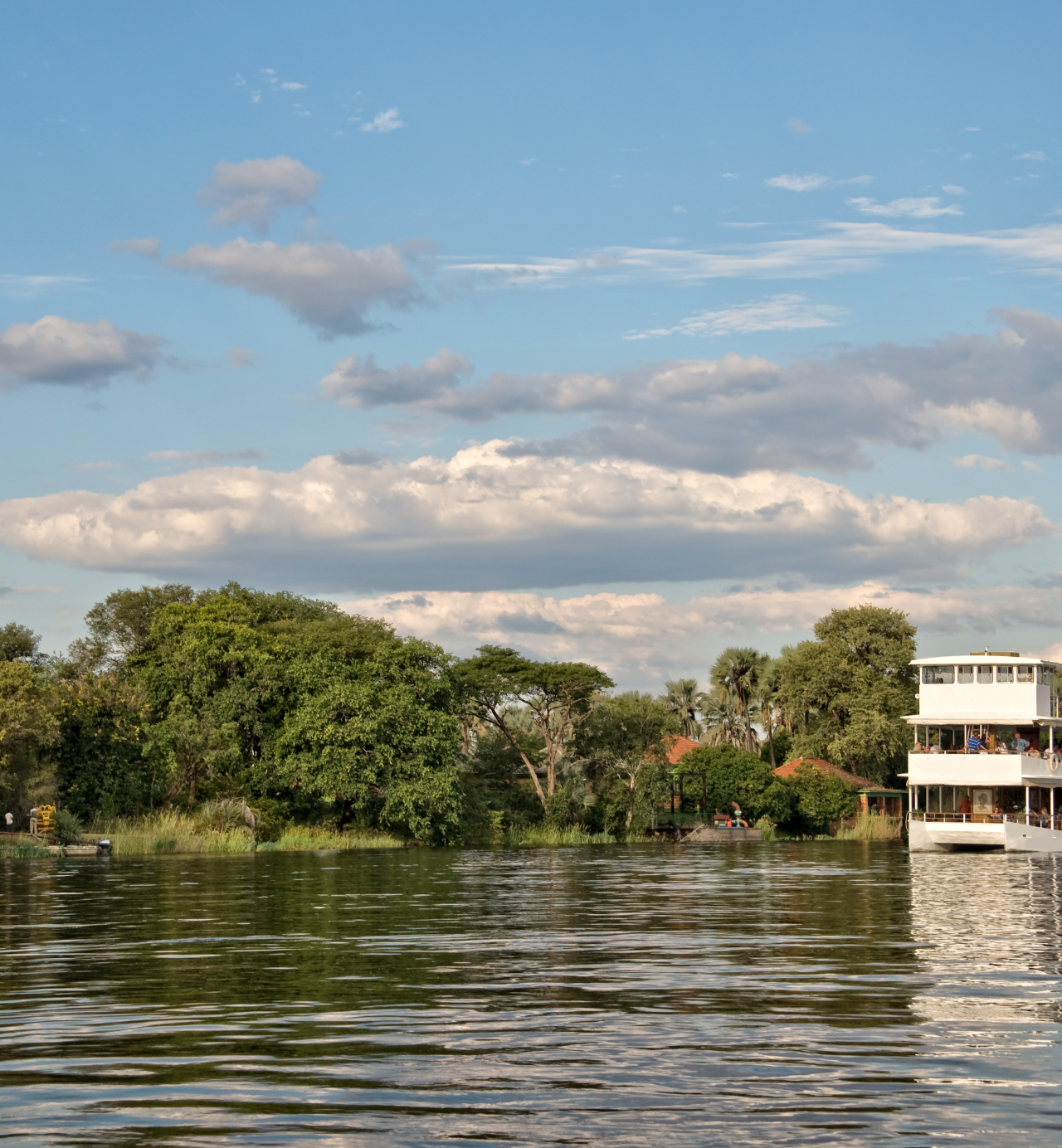
Live-aboard luxury Zambezi safari
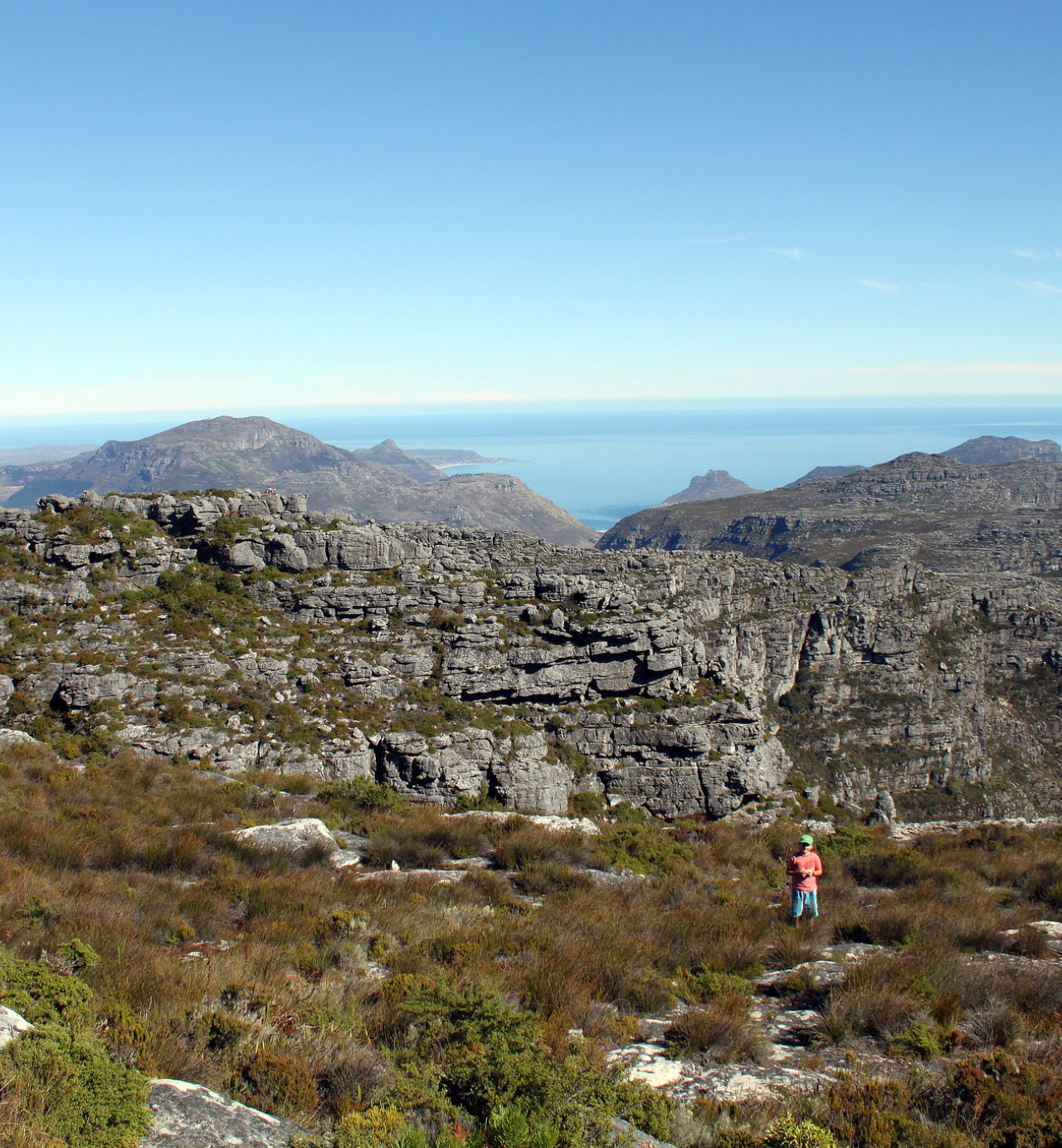
Hiking Table Mountain with a botanist or forager


Voices of our guests
Skeleton Coast FAQs
The only way to truly experience the iconic northern section is on a fly-in safari, staying at one of the exclusive lodges licensed to operate within the park. This ensures access to the most pristine and restricted areas.
You can self-drive the southern section of the park up to Terrace Bay. Access to the northern section is restricted and not open to independent travellers.
It is highly unpredictable. Expect a mix of dense fog (especially in the mornings), strong winds and brilliant sunshine, sometimes all in the same day. Packing layers, including a warm, windproof jacket, is essential.
No. The Skeleton Coast is a unique ecosystem known for its desert-adapted specialists. While it has lions and leopards, and desert-adapted elephants, it does not have buffalo or rhinos.
Sightings are a rare privilege. The lions roam over vast territories, and finding them requires expert guiding and a good amount of luck. It should be seen as a possible bonus, not an expectation.
No, the entire Skeleton Coast and Namib Desert region are completely malaria-free.
It is a perfect storm of treacherous conditions: the dense, disorienting fog, rough and unpredictable seas, and strong onshore winds have driven ships aground for centuries.
For a fly-in safari to the northern section, a stay of two to three nights is ideal. This provides enough time to explore the coastline, visit a seal colony and venture into the dry riverbeds.
The main activities are guided 4x4 excursions along the coastline to discover shipwrecks, visits to the massive seal colonies, exploring the unique geology of the dry riverbeds, and dune driving.
Sossusvlei is an inland desert experience defined by its static, monumental red sand dunes. The Skeleton Coast is a dynamic, linear coastal desert experience defined by the dramatic interaction between the dunes and the cold Atlantic Ocean, its fog and its unique wildlife.
